
Artificial intelligence (AI) has become a powerful force reshaping every aspect of our lives and work environments. No longer confined to the realm of sci-fi, AI is now embedded in everyday technologies, from the apps on our phones to complex industrial systems. In this post, we’ll explore how AI is evolving and the groundbreaking ways it’s transforming industries, redefining work, and influencing society.
The Current State of AI: Beyond Automation
AI is not just about automation anymore. Recent advancements in Generative AI, exemplified by models like ChatGPT, have revolutionized how we interact with technology. Generative AI can create human-like text, images, and even music, offering limitless possibilities for content creation, marketing, and customer service.
The development of AI co-pilots, such as GitHub Copilot for coding and Microsoft Copilot for Office applications, showcases how AI is being integrated as a collaborative tool rather than just an automated process. These tools enhance productivity by providing real-time assistance, correcting errors, and suggesting improvements. This signifies a shift from AI as a replacement for human labor to AI as an enhancer of human capabilities.
Industries Experiencing a Major Shift Due to AI
- Healthcare: Revolutionizing Diagnosis and Treatment
- AI has entered healthcare in ways that are transforming patient care and diagnosis. Machine learning algorithms are used to analyze medical images, detect diseases like cancer with unprecedented accuracy, and predict patient outcomes based on historical data. Companies like Google Health and IBM Watson are at the forefront, developing tools that assist doctors in making more informed decisions.
- Additionally, AI-powered robotic surgery is becoming more common, offering precise and minimally invasive procedures that reduce recovery times for patients.
- Finance: The Rise of AI-Powered Financial Management
- The finance sector is leveraging AI for fraud detection, algorithmic trading, and personalized financial advice. With algorithms processing vast amounts of data in real-time, banks can detect anomalies and predict market trends faster than ever before. AI-driven platforms like Betterment and Wealthfront provide automated investment services, allowing people to grow their wealth efficiently and with minimal human intervention.
- The concept of Decentralized Finance (DeFi), fueled by AI, is also gaining traction, reshaping traditional financial systems by creating new ways to lend, borrow, and invest outside conventional banking systems.
- Retail and E-commerce: Personalized Shopping Experiences
- AI is transforming the retail landscape by delivering hyper-personalized customer experiences. Companies like Amazon and Alibaba use AI algorithms to recommend products based on past behaviors, preferences, and browsing patterns. This targeted approach increases customer satisfaction and sales.
- Moreover, AI chatbots and virtual assistants are now handling customer queries, improving response times, and enhancing the overall shopping experience. This seamless integration of AI ensures businesses operate efficiently while keeping customer engagement at the forefront.

AI and the Future of Work: New Opportunities and Challenges
The workplace is undergoing a significant transformation as AI becomes an integral part of daily operations. According to a report by McKinsey, nearly 45% of work activities could be automated with AI, impacting industries ranging from manufacturing to hospitality. However, this shift is not merely about job replacement; it’s about job transformation.
- Remote Work and AI Collaboration Tools
- The pandemic accelerated the adoption of remote work, and AI has played a crucial role in maintaining productivity and collaboration. Platforms like Zoom now incorporate AI features that transcribe meetings, provide summaries, and even suggest action items. AI’s ability to automate mundane tasks allows employees to focus on strategic and creative work, enhancing job satisfaction and efficiency.
- Companies are increasingly using AI-driven project management tools like Trello AI and Asana’s intelligent automation to streamline workflows, manage deadlines, and optimize team coordination.
- Emerging Jobs and Skills in the AI Era
- While AI may automate some jobs, it is also creating new roles that didn’t exist a decade ago. Positions like AI ethicists, machine learning engineers, and data scientists are in high demand as companies seek to harness AI’s potential while addressing ethical concerns and biases.
- Training and education programs are evolving to include AI-related skills, ensuring that the workforce adapts to this technological shift. Organizations like Coursera and edX offer courses focusing on AI development, ethical AI practices, and programming, ensuring that professionals are equipped for the future.

The Ethical Implications of AI: A Double-Edged Sword
As AI becomes more embedded in society, the ethical considerations surrounding its use become more critical. Issues like data privacy, bias in algorithms, and the impact on employment require careful navigation.
- Privacy Concerns
- AI’s ability to collect and analyze personal data raises significant privacy issues. Social media platforms and e-commerce giants often use AI to track user behavior, raising concerns about how this data is stored, shared, and used. Governments and regulatory bodies worldwide are beginning to implement policies to protect citizens, but the technology often outpaces regulation.
- Algorithmic Bias and Fairness
- AI algorithms are only as unbiased as the data they are trained on. There have been cases where AI systems have shown discrimination based on race, gender, or socioeconomic status, particularly in hiring processes and law enforcement. To address these issues, companies and governments are increasingly investing in transparent AI and fair AI practices to mitigate biases and build trust.
- Employment Displacement and Economic Impact
- While AI opens up new job opportunities, it also threatens traditional roles, particularly in industries like manufacturing and logistics. The key challenge for governments and corporations is to create reskilling programs that help workers transition into new AI-assisted roles.
- The World Economic Forum suggests that by 2025, 85 million jobs may be displaced, but 97 million new roles related to AI and technology could emerge. Strategic planning and investment in education are critical to ensure that this transition benefits society.

The Future of AI: A Collaborative Partnership
The future of AI is not about replacing humans but enhancing human capabilities. As technology evolves, the emphasis should be on human-AI collaboration, where AI supports decision-making, creativity, and innovation. Whether it’s through smart home devices, autonomous vehicles, or intelligent healthcare systems, AI is becoming a partner in our daily lives.
In conclusion, AI is transforming industries, redefining workspaces, and raising critical ethical questions. As individuals and businesses navigate these changes, staying informed and adaptable will be key to harnessing AI’s full potential.
To expand the blog post further and reach the 1500-character requirement, here are some additional sections you can incorporate:
AI in Education: Transforming Learning Experiences
AI is not only revolutionizing industries but also reshaping the education sector. Personalized learning platforms such as Duolingo and Khan Academy use AI algorithms to tailor educational content based on individual learning speeds and preferences. This ensures that students receive targeted lessons, improving their comprehension and retention rates. Moreover, AI-driven virtual classrooms allow for interactive and adaptive learning experiences, where teachers can use real-time data analytics to monitor student progress and adjust their teaching strategies accordingly.
The use of AI tutors is another emerging trend. These AI systems can provide instant feedback, helping students understand complex concepts and offering additional resources. As AI continues to develop, it is expected to fill the gap where human resources are limited, providing education to remote and underserved communities globally.

The Role of AI in Climate Change Solutions
AI also plays a critical role in combating climate change, one of the most urgent global challenges. AI-driven models are being used to predict climate patterns and natural disasters with greater accuracy, allowing for proactive measures to minimize damage. Companies like IBM and Microsoft are developing AI technologies that optimize energy usage in buildings, monitor carbon emissions, and recommend sustainable practices for industries.
Smart agriculture is another area where AI makes a difference. With AI-powered systems, farmers can manage resources like water and fertilizer more efficiently, reducing waste and maximizing crop yields. By using predictive analytics, AI helps farmers anticipate weather changes and pest outbreaks, ensuring food security in the face of environmental challenges.
AI in Autonomous Transportation: The Next Frontier
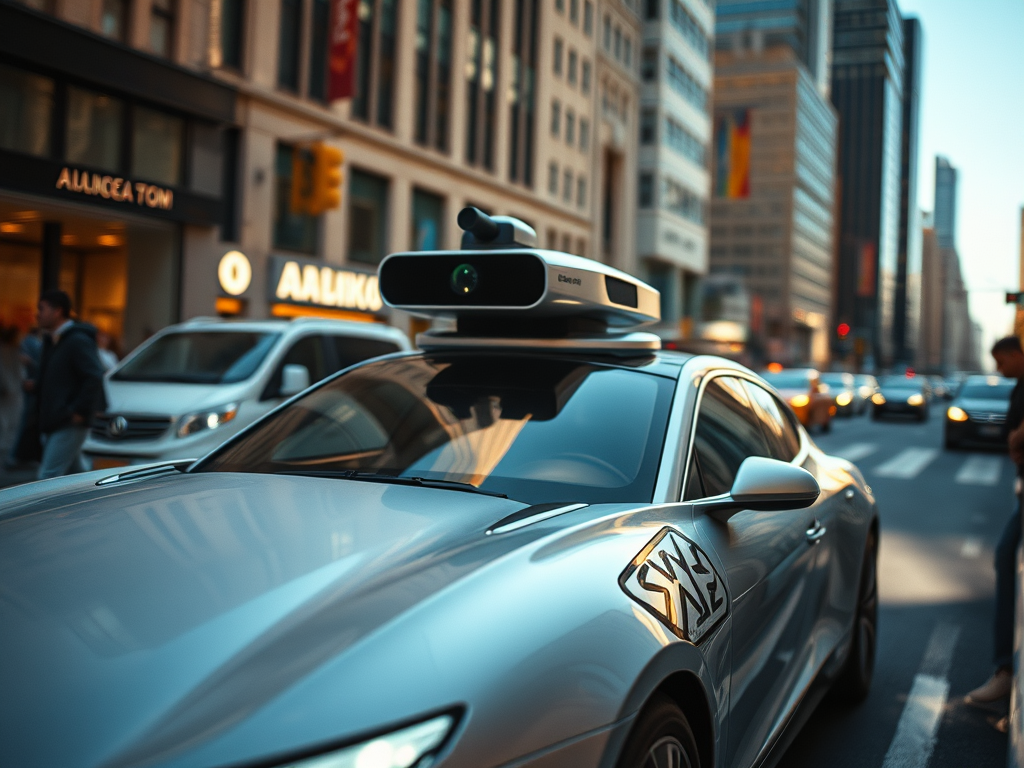
Autonomous vehicles (AVs) represent one of the most exciting applications of AI in modern society. Companies like Tesla, Waymo, and Cruise are at the forefront of developing self-driving technology that aims to revolutionize transportation. AI’s ability to process vast amounts of data from sensors, cameras, and GPS systems enables AVs to navigate roads safely, avoiding obstacles and adjusting routes in real-time.
While the technology is still evolving, the potential benefits are enormous—reduced traffic accidents, improved fuel efficiency, and lower emissions. However, as these technologies develop, regulatory bodies need to establish clear guidelines and safety standards to ensure the responsible deployment of autonomous vehicles.
The Future Outlook: What’s Next for AI?
Looking ahead, quantum computing is set to amplify the power of AI, enabling it to solve complex problems that are currently beyond the reach of traditional computers. Companies like Google and IBM are making strides in quantum AI, which could transform fields such as drug discovery, financial modeling, and material science. The integration of quantum computing and AI has the potential to unlock unprecedented advancements, making it a focal point for technology development in the coming decade.
At the same time, AI governance will become increasingly important. As AI systems become more autonomous and integrated into critical aspects of society, international bodies and governments will need to create regulations that balance innovation with public safety. Ensuring that AI remains a tool for good, with transparent, ethical standards, will be vital for building public trust and maximizing its potential.


Leave a Reply