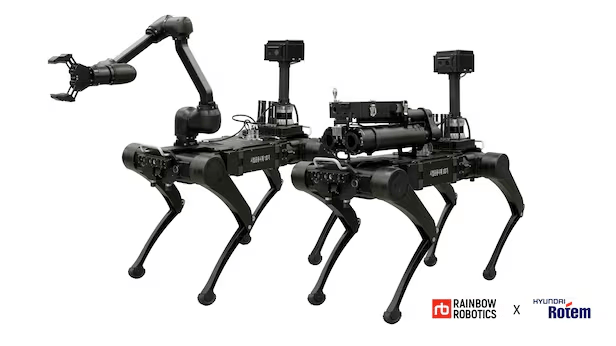
With advancements in technology, the potential for robots to play active roles in military and rescue operations is becoming a reality. Military robots refer to mechanical devices capable of replacing human soldiers or rescue personnel in combat and aid operations. These robots include unmanned drones, autonomous combat robots, and reconnaissance robots, among other types, and some countries are already deploying them in real-life military missions. While military robots offer the potential to reduce battlefield risks and enhance operational efficiency, they also present complex ethical, technical, and strategic challenges. This article explores the possibilities and challenges surrounding the use of robots in military roles in depth.
1. Ethical Responsibility: Who is Accountable for a Robot’s Mistake?
The Core Ethical Concern: Who Bears Responsibility?
As military robots become more widely adopted, ethical controversies around accountability arise. When robots replace humans in combat, making decisions to attack or assess situations, mistakes or malfunctions can lead to tragic outcomes, such as the unintentional harm of civilians. If a robot makes a harmful decision, who is held accountable? Should it be the robot’s manufacturer, the military operating it, or the developers of the software? The ambiguity in assigning responsibility could make it difficult for victims to seek justice or appropriate compensation.
Real-World Cases and Ethical Dilemmas
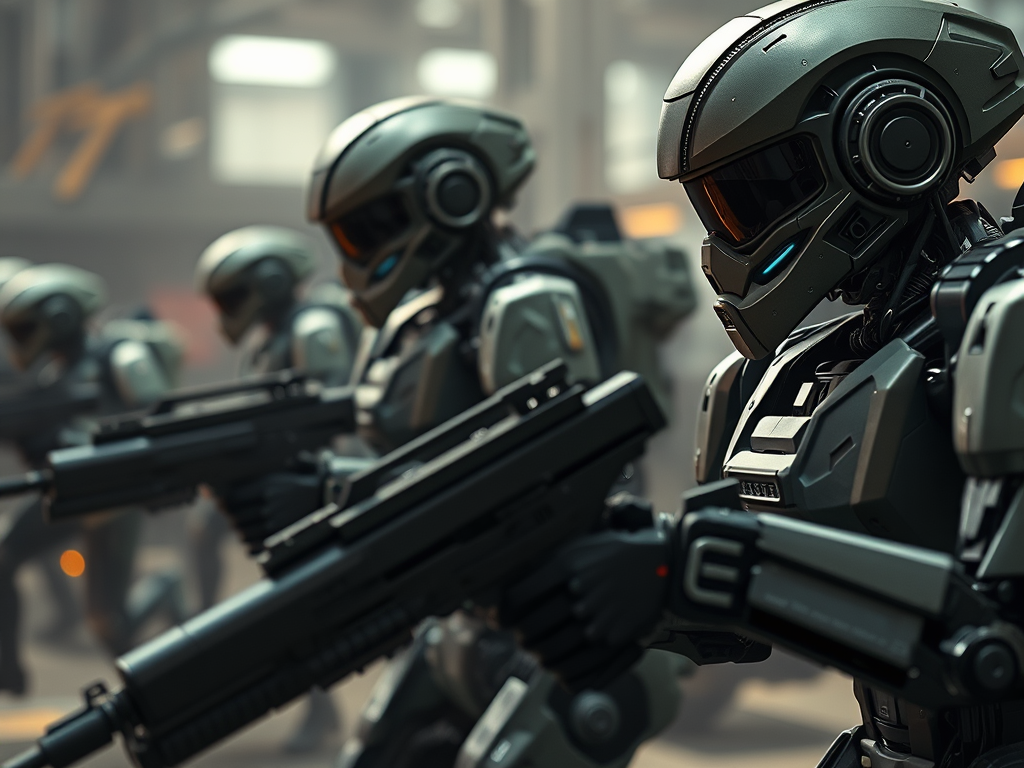
Countries like the U.S. and Israel are actively utilizing military robots, which has led to several ethical dilemmas. In 2021, for example, an autonomous drone mistakenly harmed civilians during a mission, sparking intense debate. This incident raised questions about whether a robot’s autonomous decision-making can ethically replace human moral judgment. With military robots’ rapid development, related laws and regulations have not fully kept pace, leaving many ethical issues unresolved.
Engaging Question: Who Should be Held Accountable?
If a robot makes a critical error in decision-making, who should bear the responsibility? What are your thoughts on this issue? Feel free to share your views in the comments section.
2. Technical Challenges: Cybersecurity Risks and Ensuring Stability in Robots
High Costs and Maintenance Issues
Deploying military robots incurs considerable expenses. They require high-performance sensors, autonomous navigation systems, and artificial intelligence software—all of which demand advanced technology and continuous upkeep. Regular inspections and updates are essential to keep these robots functioning reliably, which increases operational costs.

The Threat of Hacking and Cybersecurity Risks
One of the major technical concerns is the vulnerability of military robots to hacking and cyberattacks. A 2019 study found that around 25% of military robots could be susceptible to hacking. If adversaries gain control of a robot’s system, they could use it to harm allied forces. Addressing these security gaps is crucial for maintaining the reliability of military robots and requires strong encryption technology, security protocols, and enhanced AI security measures.
Solutions to Prevent Hacking
To improve cybersecurity, employing the latest encryption technology and systems capable of real-time attack detection is essential. Additionally, training robot operators on security protocols and implementing safety features that disable robots when a hack is detected are important measures to consider.
3. Strategic Potential: The Role and Limitations of Robots in High-Risk Areas
Deployment in High-Risk Zones
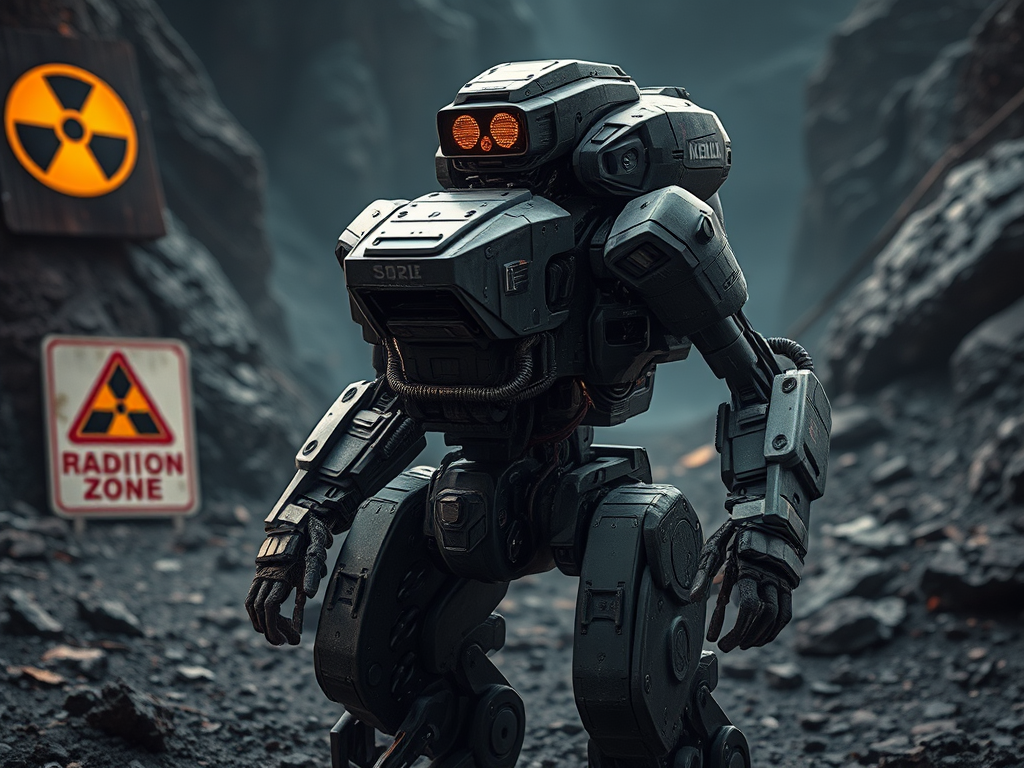
Robots can be deployed in dangerous areas where human presence could be fatal, making them a valuable military asset. For instance, robots can be used in radiation zones or enemy-intensive areas to gather information or secure the safety of allied forces, thus reducing casualties and improving mission efficiency.
Current and Future Use Cases
Currently, the U.S. military is actively using reconnaissance drones, autonomous combat robots, and bomb disposal robots, which helps reduce human casualties in dangerous situations. In the future, robots may perform more complex tasks such as terrain analysis, enemy weapon detection, and real-time information sharing. Advances in AI technology may even allow robots to operate with greater autonomy.
Concerns and Counterarguments Regarding Strategic Use
However, the use of robots doesn’t always lead to positive outcomes. Robots may struggle to respond to unpredictable variables, and in warfare, where tactical decisions are crucial, human judgment and instinct often play a significant role. Additionally, deploying robots could turn them into targets for enemy forces, potentially creating new vulnerabilities.
4. Recent Incidents and the Need for Vigilance
Recent Accidents and Awareness
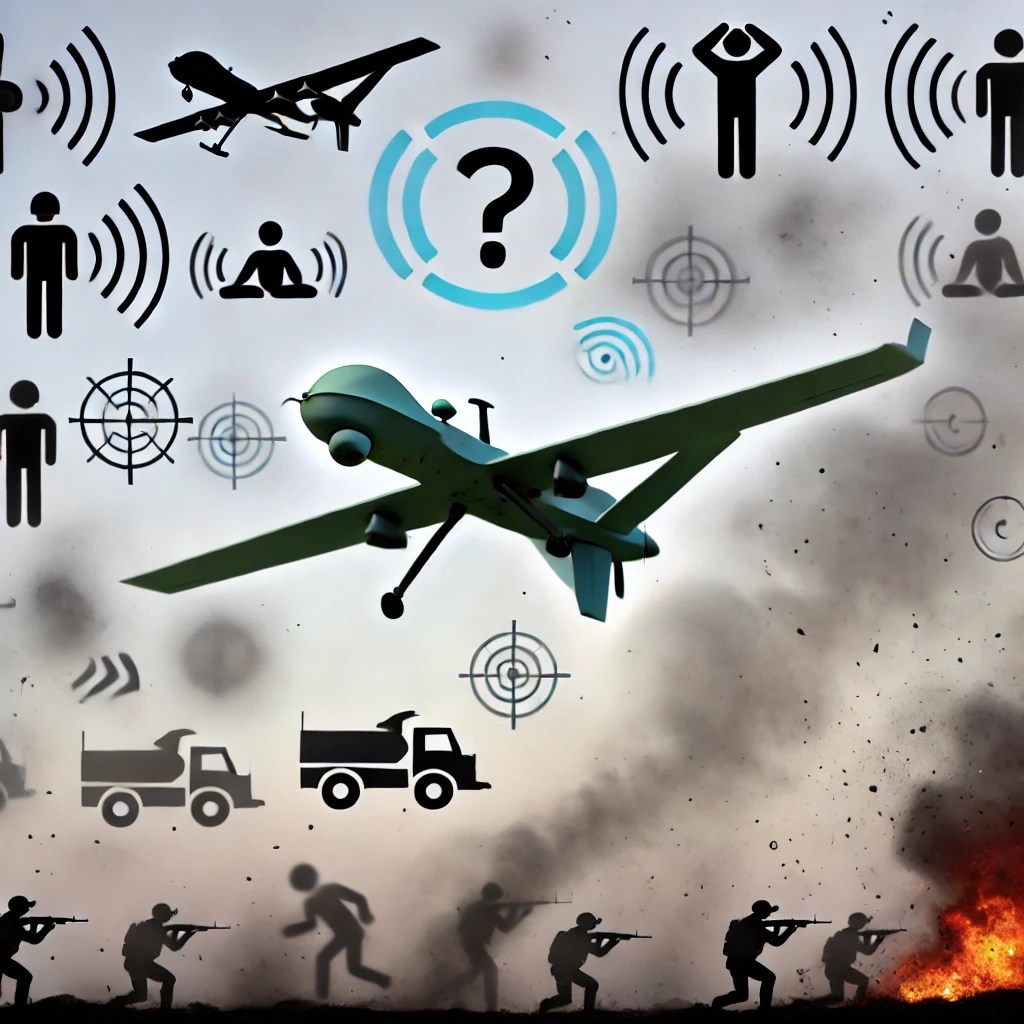
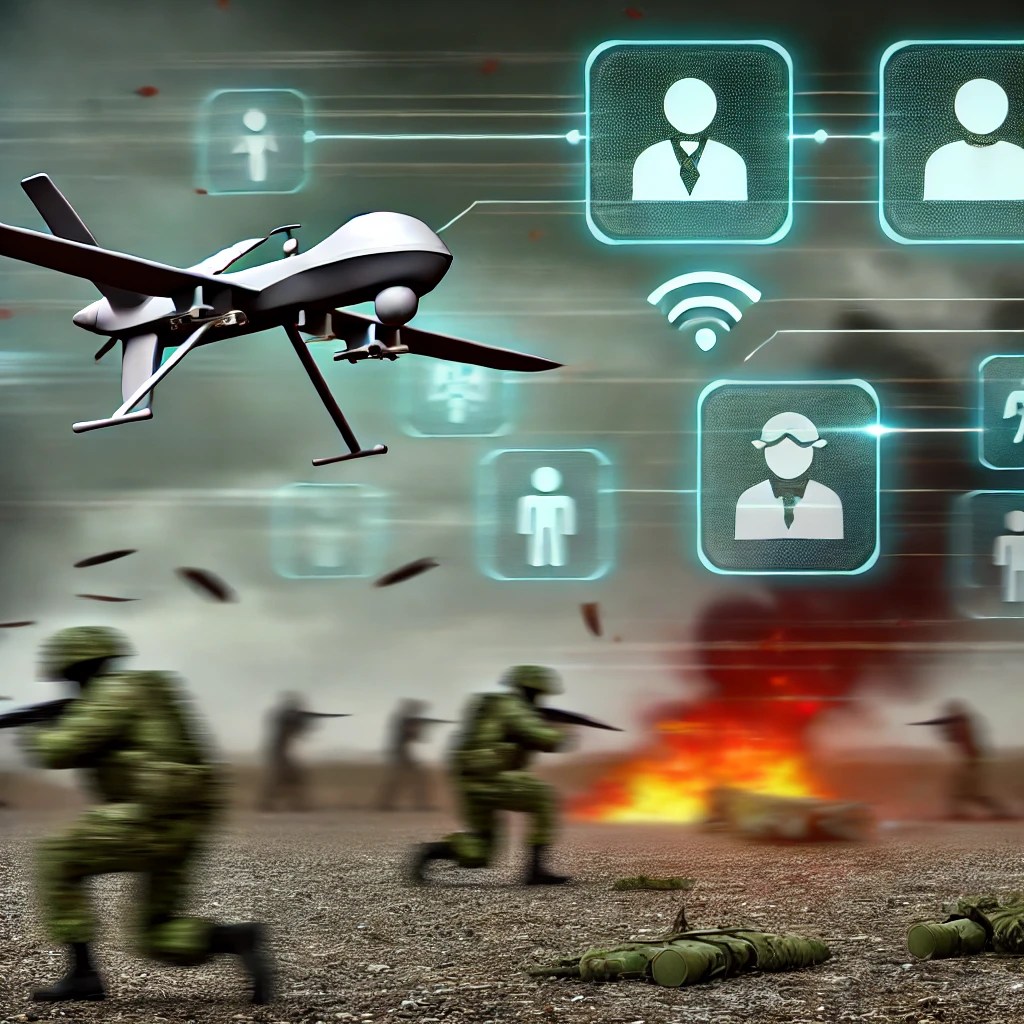
Recently, some military robots have caused civilian casualties on the battlefield, increasing awareness of their potential risks and accountability issues. For example, autonomous drones misidentified civilians as threats, raising questions about the reliability of robot autonomy. Such incidents highlight the need for strict safety standards for military robots.
Thought-Provoking Question for Readers
What are your views on deploying military robots? What safety standards do you think are essential for these robots in military missions? Share your thoughts with us in the comments section.
5. Comprehensive Conclusion and Call for Reader Engagement
The integration of military robots has the potential to significantly reshape modern warfare. While they offer promising benefits, such as reducing casualties and increasing operational efficiency, they also pose challenges around ethical accountability, cybersecurity risks, and adaptability to unexpected battlefield situations. Whether military robots can truly replace human soldiers remains uncertain, and establishing legal, ethical, and technical foundations is crucial.
Final Engagement Question: What are Your Thoughts on the Role of Robots in Combat?
Do you believe military robots should replace humans on the battlefield? If robots were to take over military operations, what level of autonomy and responsibility should they be granted? Share your valuable insights in the comments below.
 Summit Select
Leave a comment