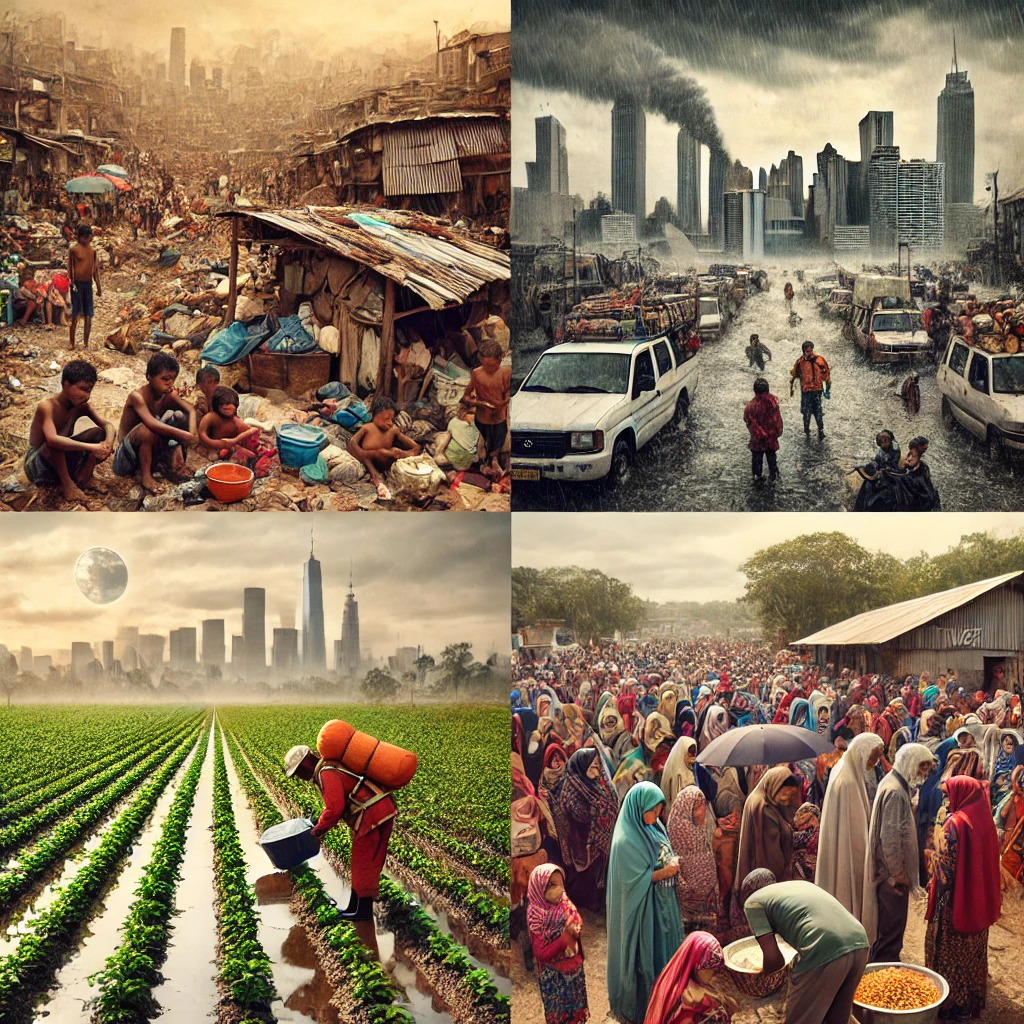
Addressing poverty requires a multifaceted approach that tackles both immediate needs and long-term systemic issues. To achieve sustainable poverty reduction, various strategies must be pursued simultaneously, including economic growth, education, infrastructure development, and international cooperation. This article explores these key strategies and how they can be implemented effectively to reduce poverty.
Economic Growth and Job Creation
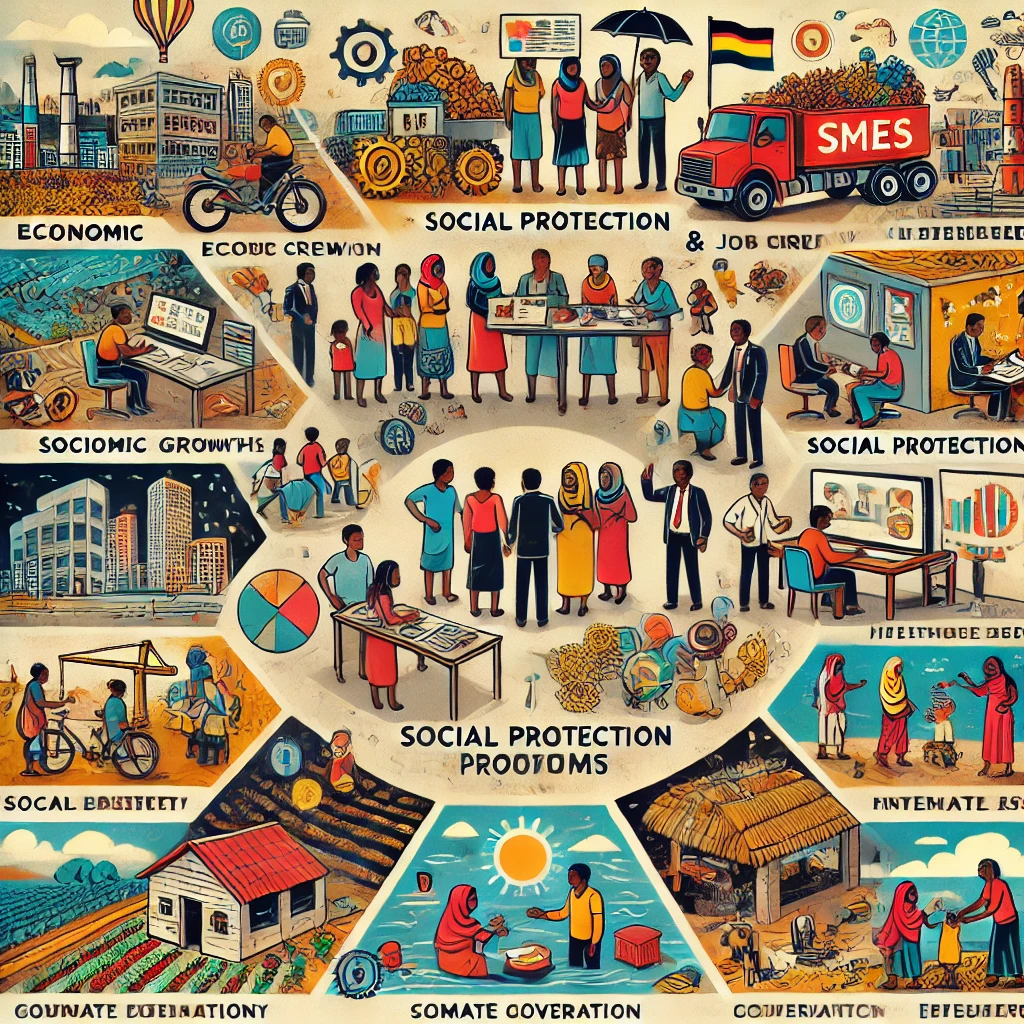
Economic growth is one of the most effective tools for reducing poverty. In particular, inclusive economic growth ensures that more people can benefit from economic progress. Supporting small and medium-sized enterprises (SMEs) and creating job opportunities are crucial components. Research indicates that SMEs are significant job creators globally, and supporting them can have a direct impact on poverty reduction.
Example: Vietnam has successfully reduced extreme poverty by creating millions of jobs through SME support policies, contributing significantly to its economic growth in the 2000s.

Education and Skill Development
Providing access to quality education and vocational training equips individuals with the skills needed to secure better-paying jobs and achieve economic independence. Technical education, in particular, helps lower-income individuals gain access to higher-paying jobs, promoting sustainable economic growth.
Example: India’s Skill India initiative has trained millions of youth in job-ready skills, significantly improving their employment prospects and household incomes, leading to a reduction in poverty.

Social Protection Programs
Social safety nets are essential for those living in extreme poverty. Cash transfers, food assistance, and healthcare subsidies provide immediate relief, helping families meet their basic needs and preventing them from falling deeper into poverty during crises.
Statistic: According to the World Bank, social protection programs in South Africa reduced the poverty rate by 7 percentage points, showcasing their effectiveness in immediate poverty relief.
Healthcare Access
Access to affordable healthcare prevents families from being driven deeper into poverty due to medical expenses. Universal healthcare programs are vital in ensuring that medical costs don’t push vulnerable families into poverty.
Example: Cuba’s free healthcare system ensures that no citizen is pushed into poverty due to health-related costs, demonstrating the role of healthcare access in poverty alleviation.

Gender Equality
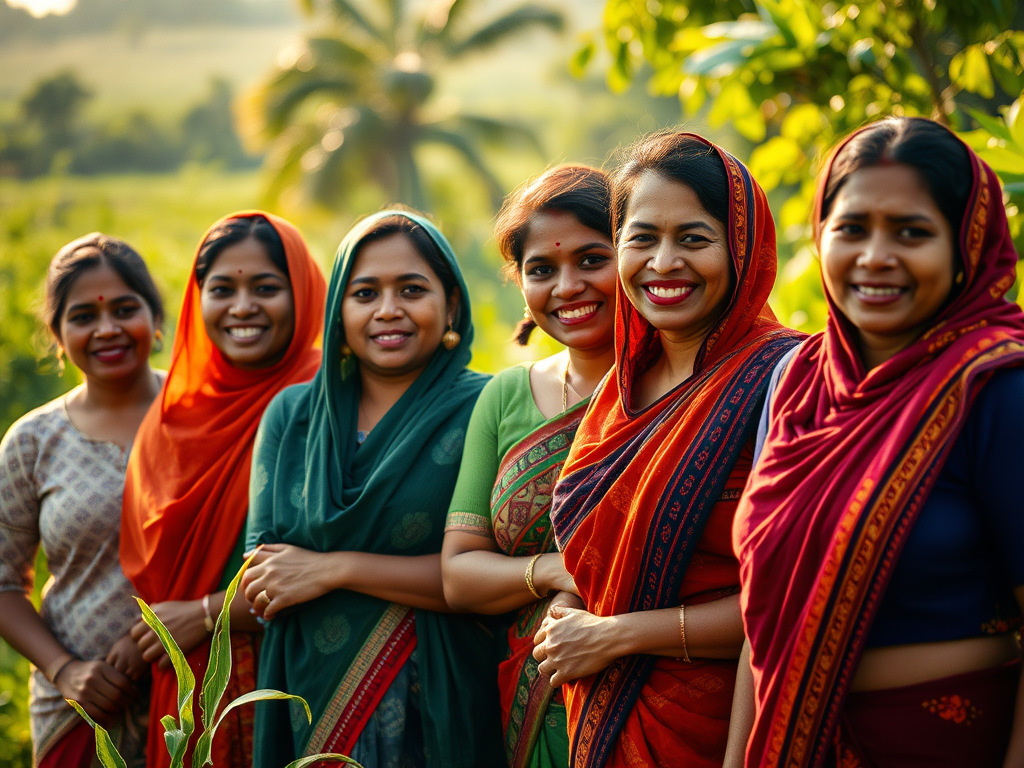
Empowering women and promoting gender equality plays a crucial role in reducing poverty. Women are more likely to reinvest their income into their families and communities, making gender equality an essential factor in broader economic development. Education and employment opportunities for women can have a transformative impact on poverty reduction.
Example: Bangladesh’s Grameen Bank provides microloans primarily to women, enabling them to start businesses and achieve financial independence, which has significantly contributed to poverty alleviation in rural areas.
Infrastructure Development
Investing in infrastructure, such as roads, electricity, and clean water, improves living conditions and creates economic opportunities, particularly in underserved and rural areas. Infrastructure development is vital in reducing poverty, as it connects communities to markets, services, and resources.
Example: Ethiopia’s rural electrification program has improved agricultural productivity and income levels, significantly reducing rural poverty rates.

Agricultural Support
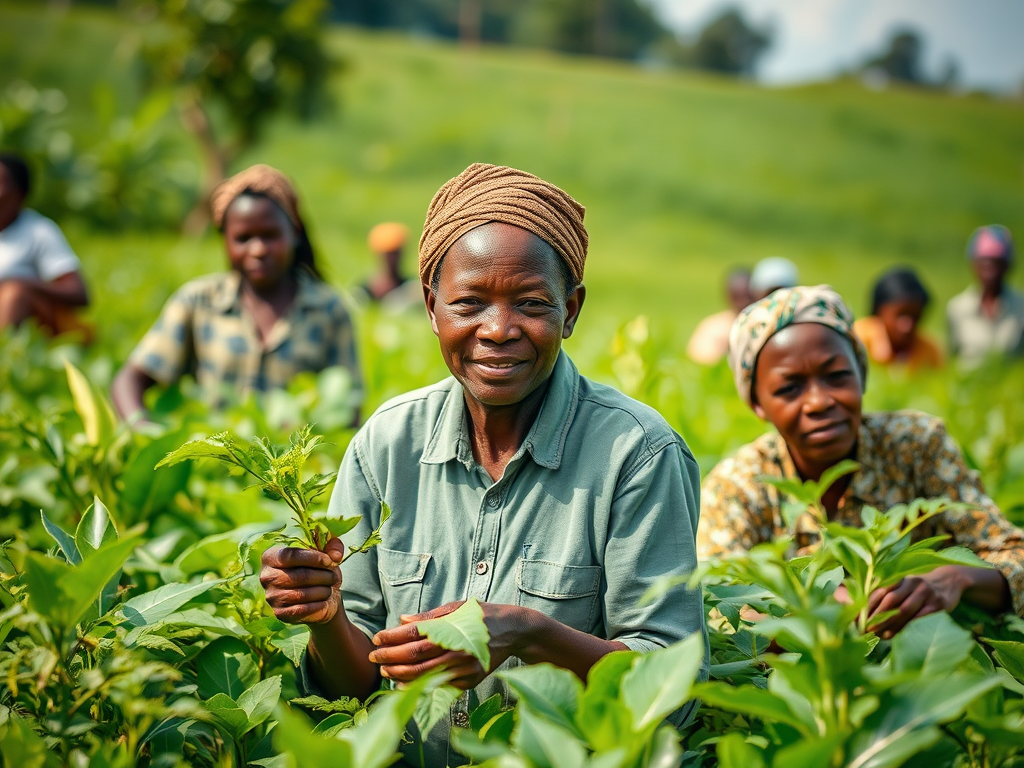
Supporting smallholder farmers by improving their access to credit, technology, and markets is critical for enhancing food security and increasing incomes in rural areas. Agricultural support can significantly improve living standards for those reliant on farming.
Example: Rwanda’s agricultural support programs have helped smallholder farmers increase crop yields and incomes, significantly improving food security and reducing poverty.
Good Governance and Anti-Corruption
Effective poverty reduction strategies depend on transparent governance and anti-corruption measures. In corrupt systems, resources do not reach those in need, making poverty reduction efforts ineffective. Good governance ensures that resources are allocated efficiently and reach the intended beneficiaries.
Example: Nigeria has established anti-corruption bodies to ensure that public funds are used effectively, improving the success rates of poverty reduction initiatives.
Climate Change Mitigation
Climate change disproportionately affects the poor, especially in developing countries. Addressing climate change through mitigation strategies can prevent environmental degradation from exacerbating poverty, particularly in communities dependent on agriculture.
Example: Bangladesh has developed flood protection infrastructure to combat the effects of climate change, protecting vulnerable populations and reducing poverty in coastal areas.

International Cooperation
Poverty is a global issue that requires collaboration across international organizations, governments, and NGOs. International cooperation helps to mobilize resources and expertise, ensuring that poverty reduction efforts are more effective on a global scale.
Example: Organizations like the World Bank and IMF provide financial and technical support to developing countries, helping them implement poverty reduction strategies.

Conclusion: A Holistic Approach to Poverty Reduction
Poverty is a complex issue that cannot be solved by a single approach. Economic growth, education, social protection, infrastructure development, agricultural support, and climate change mitigation must all work together to effectively reduce poverty. By implementing these strategies comprehensively, we can lift millions out of poverty and ensure a more equitable future.
International efforts and collaboration are crucial to sustain progress in poverty alleviation. Starting from small, actionable steps can make a significant difference in addressing this global challenge.
 Summit Select
Leave a comment