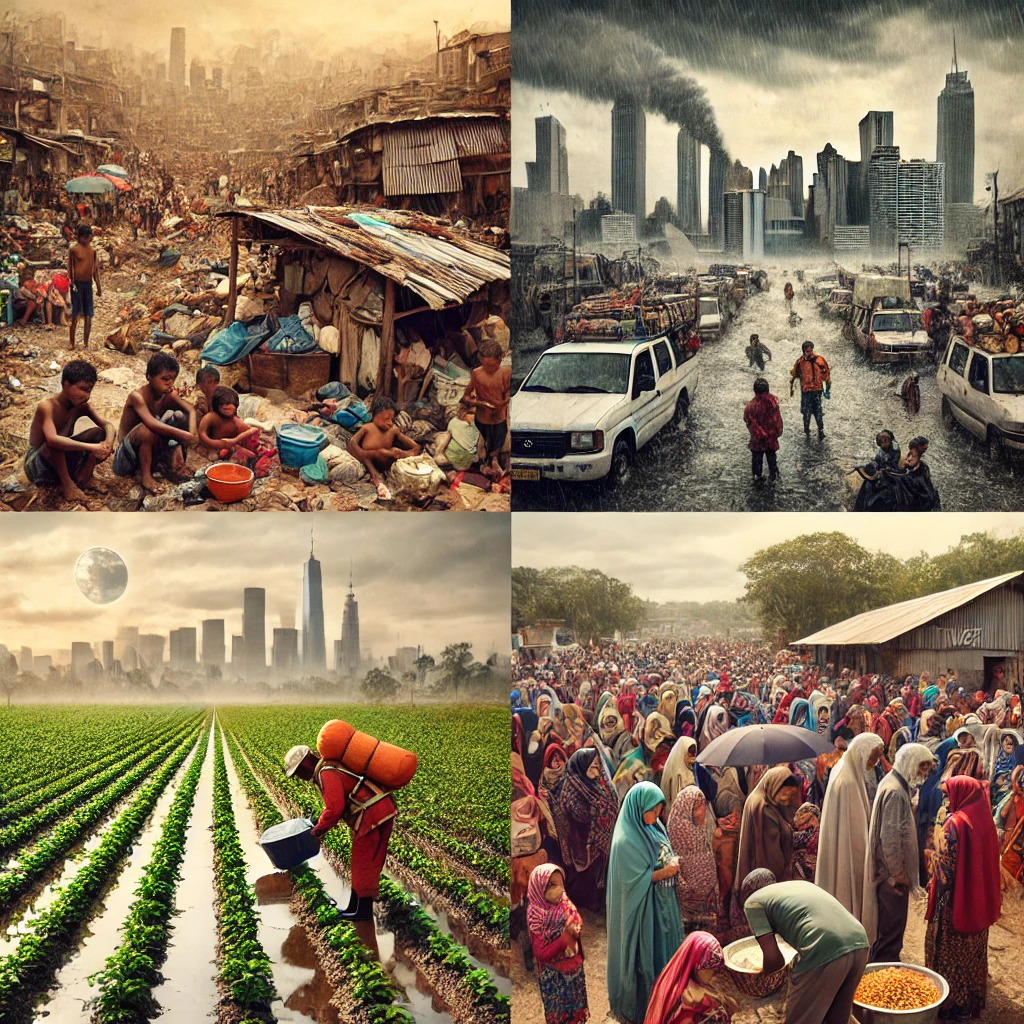
Poverty: The update to the International Poverty Line reflects the rising costs of living. Despite progress, a significant portion of the global population still lives in poverty, making it a critical issue to tackle1.
Climate Change: The article underscores the severe and multifaceted impacts of climate change, which affects everything from health to urban infrastructure. Immediate and sustained mitigation efforts are essential1.
Food Insecurity: With nearly 193 million people experiencing acute food insecurity, this issue is exacerbated by economic shocks and climate-related disasters1.
Refugee Rights: The ongoing conflicts and crises, such as the war in Ukraine, have led to significant refugee movements, highlighting the need for robust support systems1.
“Comprehensive Strategies for Effective Poverty Reduction: From Economic Growth to International Cooperation”
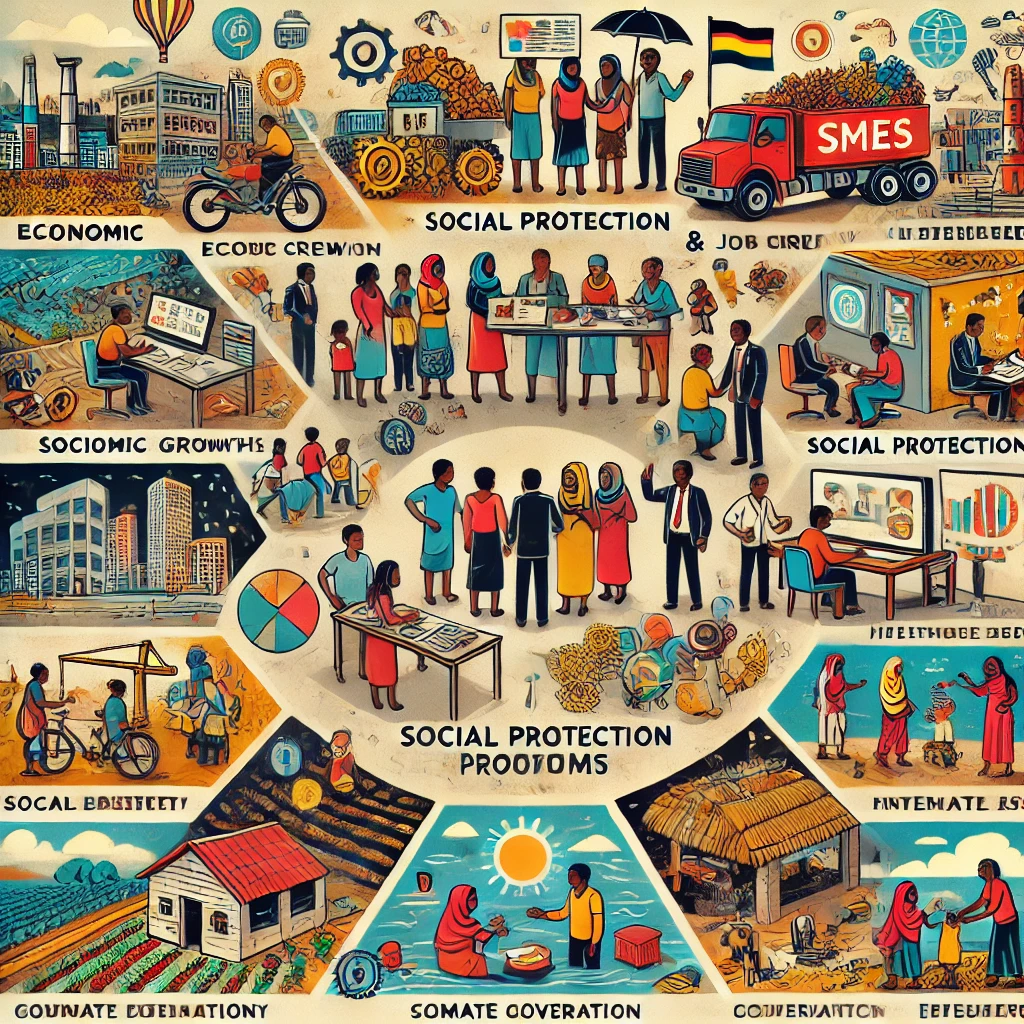
Addressing poverty effectively requires a multifaceted approach that tackles both immediate needs and long-term systemic issues. Here are some key strategies:
Economic Growth and Job Creation: Promoting inclusive economic growth and creating job opportunities can help lift people out of poverty. This includes supporting small and medium-sized enterprises (SMEs) and investing in sectors that create jobs.
Education and Skill Development: Providing access to quality education and vocational training equips individuals with the skills needed to secure better-paying jobs and improve their economic prospects.
Social Protection Programs: Implementing social safety nets, such as cash transfers, food assistance, and healthcare subsidies, can provide immediate relief to those in extreme poverty and help them meet their basic needs.
Healthcare Access: Ensuring access to affordable healthcare can prevent medical expenses from driving families into poverty and improve overall well-being.
Gender Equality: Empowering women and ensuring gender equality can have a significant impact on poverty reduction, as women often reinvest their income into their families and communities.
Infrastructure Development: Investing in infrastructure, such as roads, electricity, and clean water, can improve living conditions and create economic opportunities in underserved areas.
Agricultural Support: Providing support to smallholder farmers through access to credit, technology, and markets can enhance food security and increase incomes in rural areas.
Good Governance and Anti-Corruption: Ensuring transparent and accountable governance can improve the effectiveness of poverty reduction programs and ensure resources reach those in need.
Climate Change Mitigation: Addressing climate change and its impacts can prevent environmental degradation from exacerbating poverty, particularly in vulnerable communities.
International Cooperation: Collaborating with international organizations, governments, and NGOs can help mobilize resources and expertise to tackle poverty on a global scale.
 Summit Select
Leave a comment