
How Modern Dramas, Films, and Exhibitions Reflect Who We Are
Conclusion first:
Modern entertainment is no longer something we simply watch.
It is something we feel, interpret, and use to understand ourselves.
Today’s most talked-about dramas, films, and exhibitions succeed not because of spectacle, but because they mirror our emotions, social tensions, and quiet inner questions.
In the age of streaming and immersive art, culture has become a shared language of reflection.
Why Culture Hits Differently Today
Audiences have changed.
Attention spans are shorter.
But emotional expectations are higher.
People no longer ask:
“Was it entertaining?”
They ask:
“Why did this affect me?”
From Passive Watching to Emotional Participation
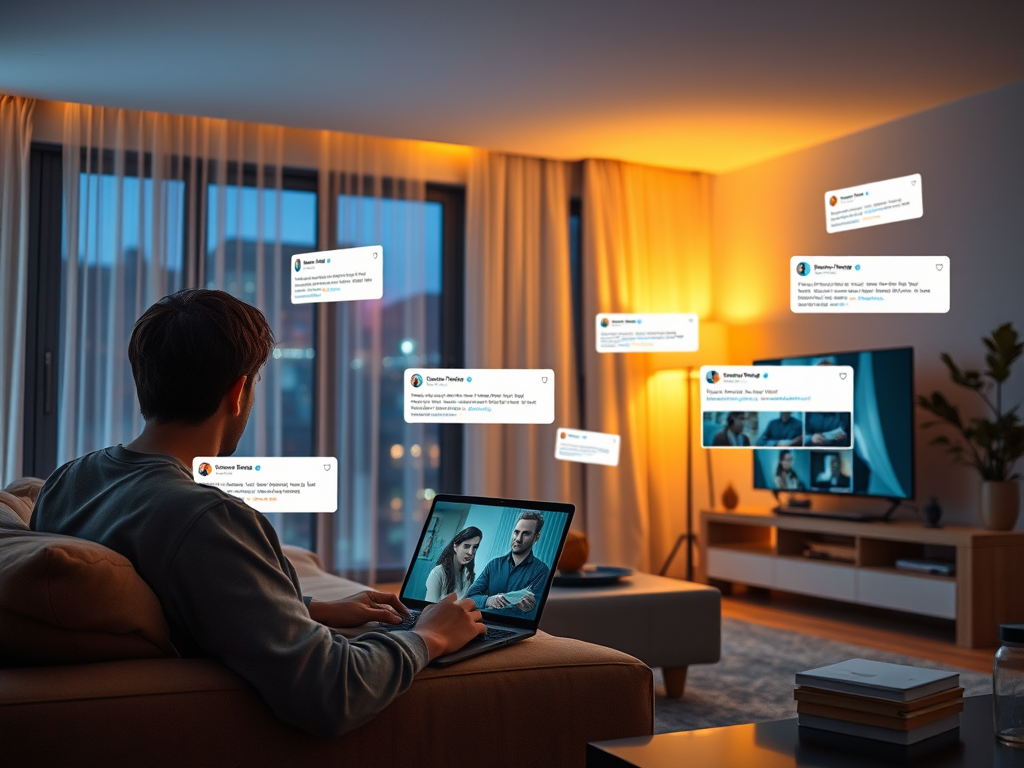
Streaming platforms accelerated this shift.
Netflix.
Disney+.
Apple TV+.
Stories are now:
- Consumed privately
- Discussed globally
- Interpreted personally
Entertainment became a form of emotional dialogue.
A modern living room at night, a person watching a drama on a laptop while social media reactions float softly in the air, warm cinematic lighting, reflective mood.
Drama & Film Reviews: More Than Just Stories
“From binge-watching to meaning-seeking — audiences now want depth.”
Example 1: The Glory — Revenge or Redemption?
Themes:
Trauma.
Justice.
Moral ambiguity.
At first glance, The Glory looks like a revenge drama.
But that is not its real power.
Its true message is social.
Bullying is not framed as an individual crime.
It is shown as a systemic failure.
The question the drama asks is uncomfortable:
Can justice ever be personal in an unequal society?
Viewer takeaway:
“This isn’t fiction. It’s a reflection of our real world.”
SEO insight:
High-performing reviews frame content as a question, not a summary.
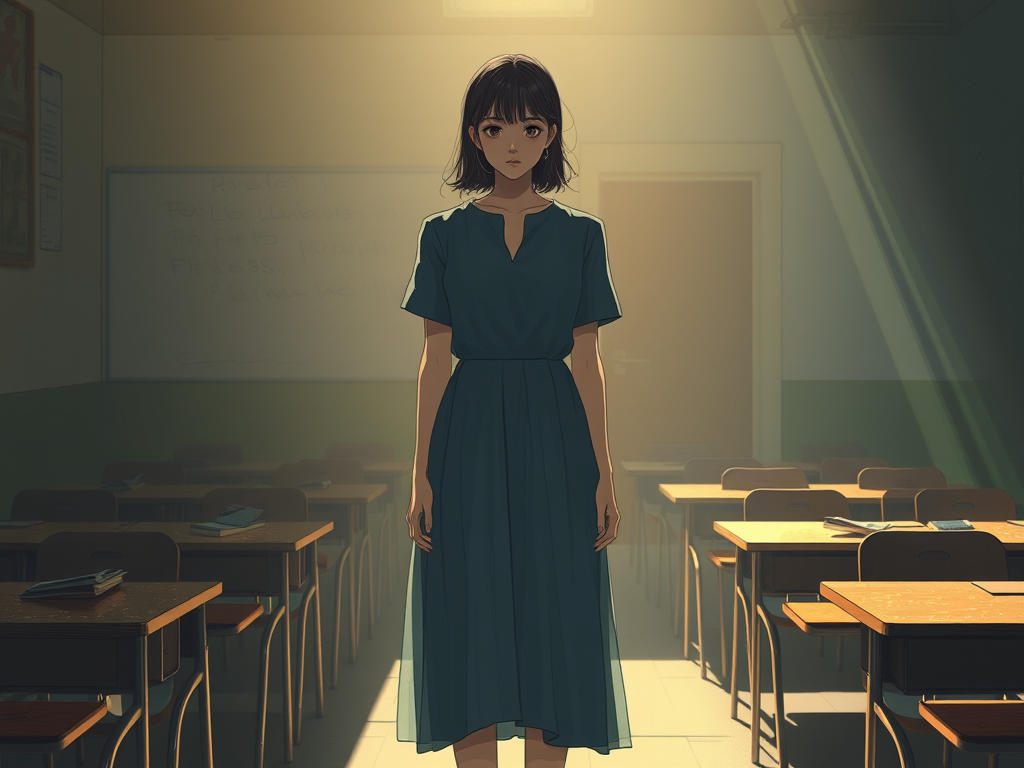
A symbolic illustration of a woman standing between light and shadow, broken school desks in the background, cinematic Korean drama style.
Example 2: Exhuma — Fear, Faith, and the Unseen
Genre:
Korean mystery-horror.
But Exhuma is not about ghosts.
It is about memory.
The grave in this film is not a place of death.
It is a place of unresolved history.
Why it stands out:
- Folklore is not decoration
- Horror is psychological
- Fear is cultural
The film asks:
What happens when the past is buried without understanding?
Review strategy tip:
Focus on symbolism.
Not jump scares.
A misty burial ground blending traditional Korean symbols with modern urban shadows, eerie but respectful tone.

Example 3: Stranger Things vs Squid Game
Both are global hits.
But they reflect different cultural anxieties.
Stranger Things
- Nostalgia
- Friendship
- Escapism
Squid Game
- Debt
- Survival
- Social inequality
Comparing them reveals something important:
Western storytelling often softens reality.
Korean storytelling confronts it.
SEO advantage:
Cross-cultural comparisons attract global readers.
Stream Your Favorites Faster & Better! 📺
Why wait? Upgrade to Amazon Fire TV and enjoy lightning-fast streaming and thousands of apps at your fingertips. It’s time to level up your TV game! 🚀
✨ [Check Price on Amazon.com (USA)]
✨ [Check Price on Amazon.ca (Canada)]
Exhibitions & Pop-Ups: When Space Becomes Story
“In the Instagram age, spaces speak louder than words.”
Modern exhibitions are no longer static.
They respond.
They move.
They change with the visitor.
Fragments of Light — Memory as Experience
Location: Seoul, Seongsu
Concept: Memory shaped by light
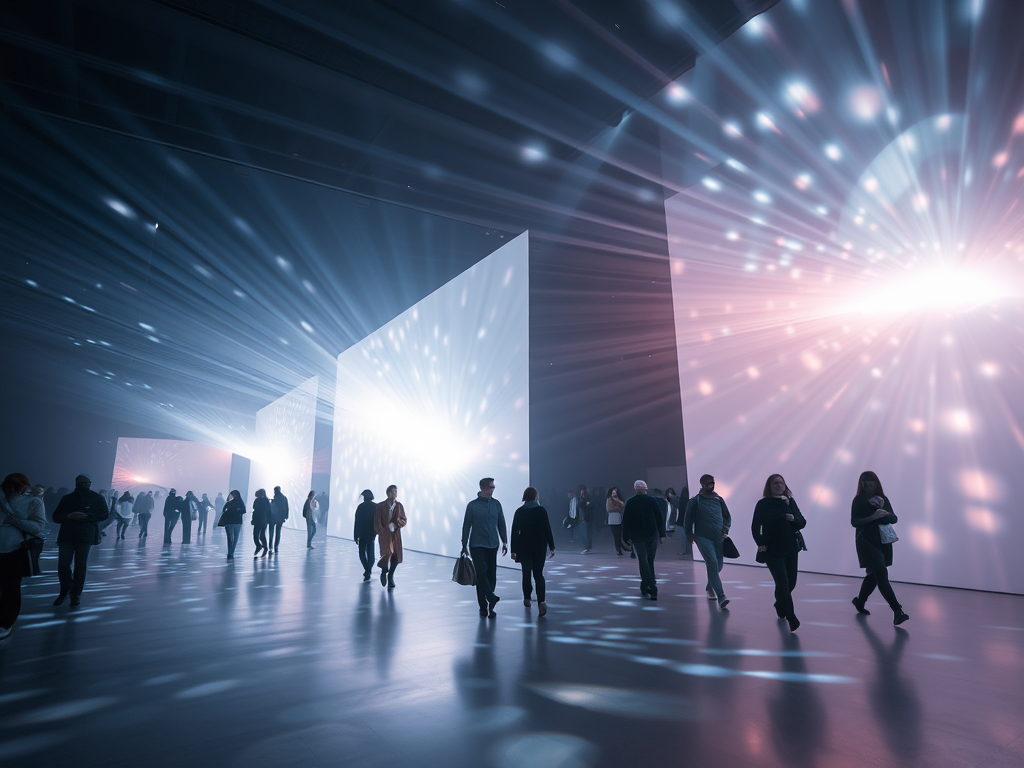
As visitors move, the lighting shifts.
No two experiences are the same.
The artwork is incomplete without the viewer.
This transforms the audience from observer to participant.
SEO tip:
Original photos + emotional captions increase dwell time.
An immersive light exhibition with people walking through shifting beams of light, soft glow, contemplative atmosphere.
MUJI Winter Pop-Up — Minimalism That Feels Human
Theme:
“Comfort in simplicity.”
This is not a store.
It is an atmosphere.
Sound.
Scent.
Texture.
Visitors do not rush.
They slow down.
“You don’t buy objects here.
You buy calm.”
Keywords that perform well:
- Pop-up store review
- Minimalist lifestyle
- Sensory design
Why Emotional Reviews Go Viral
Facts inform.
Emotion spreads.
Step 1: Start With Emotion
Avoid:
“This movie was well-made.”
Write instead:
“The final scene made me question my idea of justice.”
Emotion opens the door.
Step 2: Add Context, Not Plot
Readers can find summaries anywhere.
What they want:
- Interpretation
- Connection
- Meaning
Tie stories to:
- Social issues
- Personal experiences
- Cultural patterns
Step 3: Use Visual Hooks Strategically
Images are not decoration.
They are:
- Entry points
- Emotional anchors
- SEO assets
Always optimize:
- File names
- Alt-text
- Captions
Culture as Self-Expression in the Digital Age
Today’s audience does not consume culture silently.
They:
- Share reactions
- Quote scenes
- Create interpretations
Cultural content becomes identity.
Watching is no longer passive.
It is participatory.
Why This Type of Content Ranks Well on Google
This topic performs because it combines:
- High emotional engagement
- Long dwell time
- Share-worthy insights
- Cross-media relevance
Target keywords naturally:
- Drama review with meaning
- Film symbolism analysis
- Immersive exhibition review
How to Turn This Into a Content Series
Recommended follow-ups:
- “Why Korean Stories Feel So Real”
- “Why We Crave Dark Stories in Uncertain Times”
- “Exhibitions That Feel Like Therapy”
This builds authority and return readers.
Summary
Modern entertainment is not escapism.
It is reflection.
The most powerful cultural content:
- Mirrors emotion
- Asks uncomfortable questions
- Creates shared understanding
A great review does not describe.
It interprets.
Key Takeaways
1️⃣ Lead with emotion.
2️⃣ Analyze culture, not just content.
3️⃣ Use visuals as storytelling tools.
4️⃣ Ask questions that linger.
Stream Your Favorites Faster & Better! 📺
Why wait? Upgrade to Amazon Fire TV and enjoy lightning-fast streaming and thousands of apps at your fingertips. It’s time to level up your TV game! 🚀
 Summit Select
Leave a comment