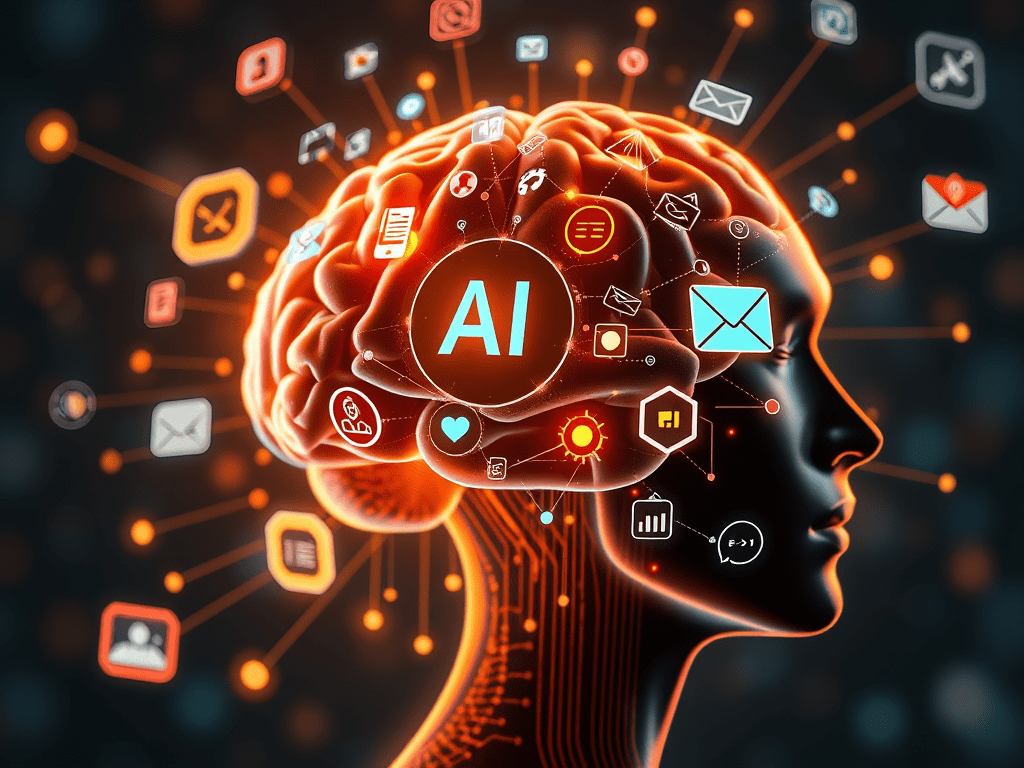
Artificial intelligence is no longer a futuristic concept—it’s already woven into our daily routines. From voice assistants on our phones to personalized Netflix recommendations, AI surrounds us. But among all the new technologies, generative AI like ChatGPT is making the biggest impact. Why? Because it doesn’t just analyze—it creates. It writes, brainstorms, solves problems, and even acts like a virtual assistant.
Think of ChatGPT as a digital companion that can help you with almost anything involving words: writing blog posts, summarizing emails, learning new skills, or even keeping track of your goals. The best part? You don’t need to be a tech genius to use it. With just a bit of guidance, anyone can turn AI into a powerful tool for personal growth, productivity, and creativity.
In this article, we’ll dive into how you can use ChatGPT for writing, work, and self-development. Whether you’re a blogger looking for inspiration, a professional juggling tasks, or someone aiming to level up their personal growth, AI can become your secret weapon.
Stream Your Favorites Faster & Better! 📺
Why wait? Upgrade to Amazon Fire TV and enjoy lightning-fast streaming and thousands of apps at your fingertips. It’s time to level up your TV game! 🚀
✨ [Check Price on Amazon.com (USA)]
✨ [Check Price on Amazon.ca (Canada)]
Understanding Generative AI and ChatGPT
Before jumping into practical tips, let’s keep it simple: What is generative AI?
Generative AI refers to artificial intelligence that can create content—text, images, music, and more—based on patterns it has learned from data. Instead of just giving you answers, it produces new ideas, drafts, and solutions. That’s why tools like ChatGPT feel so interactive—it’s like talking to a creative partner who always has suggestions.
So, how does ChatGPT work? Imagine it as a giant library of knowledge combined with a smart writing coach. You type in a question or task, and it generates responses by predicting the most useful, natural-sounding text. It doesn’t think like a human, but it can mimic conversation and creativity in a surprisingly natural way.
The key benefits are clear:
- Speed – Generate drafts, outlines, or summaries in seconds.
- Creativity – Brainstorm ideas you might not have thought of.
- Productivity – Save hours on repetitive writing or research tasks.
That’s why ChatGPT isn’t just for tech enthusiasts anymore—it’s becoming an everyday tool for bloggers, professionals, and learners worldwide.
AI-Powered Writing – Tips for Bloggers and Content Creators
If you’ve ever stared at a blank page, you know how frustrating writer’s block can be. This is where AI shines. Bloggers and content creators are increasingly using AI to spark ideas, write drafts, and even optimize posts for SEO. But here’s the trick: the goal isn’t to let AI write everything for you—it’s about collaborating with AI to create unique, engaging content.

Here are some practical tips for AI-powered blogging:
- Use AI for brainstorming, not final drafts.
Let ChatGPT generate outlines, topic ideas, and even first drafts. Then refine it with your own voice and perspective. - Add your personal touch.
Readers want authenticity. Share personal stories, experiences, and opinions AI can’t replicate. - Leverage AI for SEO.
Ask ChatGPT to suggest keywords, meta descriptions, and headlines that improve search engine visibility. - Keep it conversational.
AI tends to sound formal. Edit the text so it feels more human—like you’re talking directly to your readers.
Bloggers who master this collaboration are finding that AI doesn’t just save time—it helps them produce higher-quality content consistently.
Step-by-Step Guide to Writing a Blog Post with AI
Let’s break it down into a simple AI-assisted writing workflow:
1. Research and Topic Generation
Ask ChatGPT to suggest trending blog topics in your niche. For example: “Give me 10 blog post ideas about healthy eating trends.” This instantly gives you a starting point.
2. Create an Outline
Once you choose a topic, use AI to generate a structured outline with H1, H2, and H3 headings. This keeps your post organized and SEO-friendly.
3. Drafting the Content
AI can help write detailed sections, but here’s the key: edit, expand, and personalize. Think of the AI’s draft as raw clay—you shape it into something unique.
4. SEO Optimization
Ask AI to suggest meta titles, descriptions, and keyword variations. You can also get AI to write FAQs to increase your post’s search engine reach.
5. Final Editing
Always read your post out loud. Does it sound like you? If not, tweak it until it matches your voice. AI should assist your creativity, not replace it.
By following this workflow, you can write faster, avoid burnout, and still deliver high-quality blog posts your readers will love.
Creating Your Own AI Assistant
Imagine having a personal assistant who never sleeps, doesn’t complain, and is always ready to help with brainstorming, scheduling, or answering questions. That’s exactly what you can build with ChatGPT and other AI tools. Setting up your own AI assistant doesn’t require coding skills—you just need to know how to customize prompts and use the right apps.
The first step is to define your needs. Do you want your AI to help you write blog posts, manage emails, or act as a study buddy? Once you know your purpose, you can start tailoring ChatGPT to act in specific roles. For example, you might say: “Act as my productivity coach and help me plan my week.” From there, the AI can suggest daily tasks, create reminders, and keep you accountable.
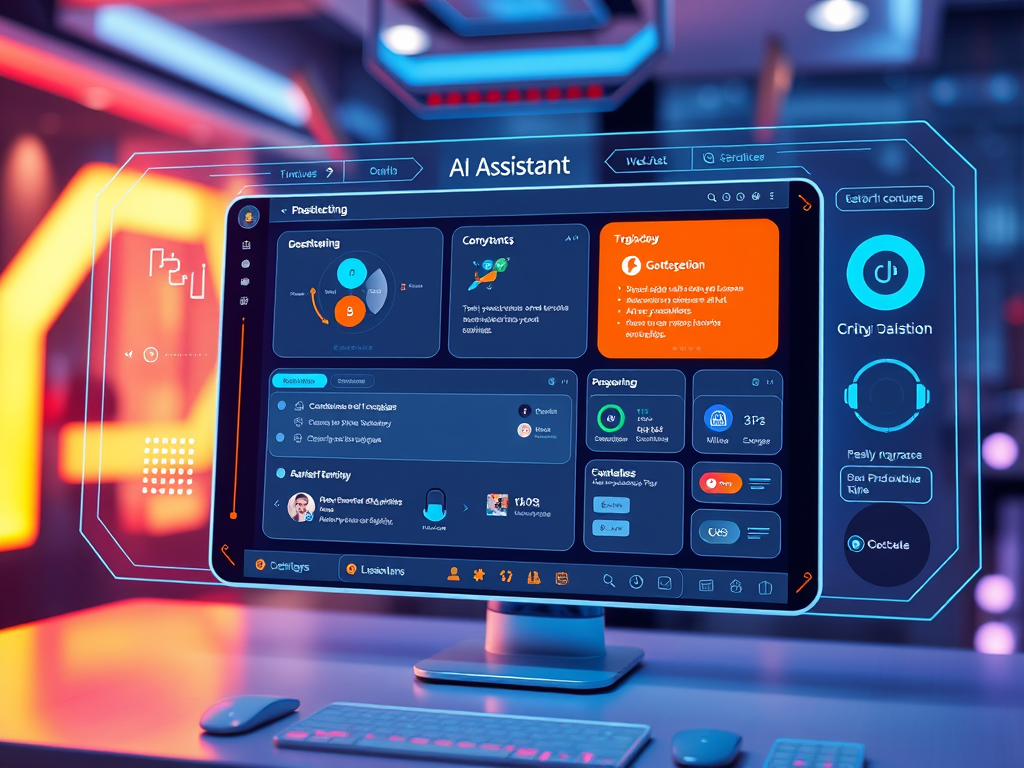
There are also platforms that integrate AI into your workflow:
- Notion AI for notes, tasks, and project management.
- Zapier + ChatGPT to automate repetitive work.
- Custom GPTs (within OpenAI’s platform) that you can “train” with your preferences.
The key is personalization. By consistently giving feedback—like “make this shorter” or “use a friendlier tone”—you teach your AI assistant how to better serve you. Over time, it feels less like a tool and more like a partner that understands your unique style.
AI in Work and Productivity
Workplaces are changing fast, and AI is at the heart of this transformation. From reducing boring admin work to enhancing creativity, ChatGPT is becoming an indispensable professional tool. Think of it as your workplace sidekick—it doesn’t replace your skills, but it makes you more efficient.
1. Automating Repetitive Tasks
Nobody enjoys rewriting the same type of email 50 times or creating endless meeting notes. With AI, you can automate these tasks. For example, paste an email draft into ChatGPT and ask it to generate variations for different clients.
2. Summarizing Information
Long reports and research papers can eat up hours. ChatGPT can condense them into quick summaries or bullet points, so you get the key takeaways in minutes.
3. Brainstorming and Creativity
Need a slogan, campaign idea, or new approach to a problem? AI can provide multiple suggestions instantly. Even if you don’t use them directly, they spark inspiration and push you out of creative blocks.
The beauty of using AI at work is flexibility. Whether you’re a marketer, teacher, lawyer, or entrepreneur, ChatGPT can adapt to your profession. The more you experiment, the more you’ll discover ways to save time and boost your output.
Self-Development with AI
Personal growth is a lifelong journey, and AI can be a surprisingly powerful partner in this area. Instead of just reacting to your questions, tools like ChatGPT can actively guide your self-improvement process.
1. Learning and Skill-Building
Want to learn a new language, coding, or history? ChatGPT can act as your personal tutor. You can ask for lessons, quizzes, or explanations in simple terms. Unlike traditional learning, AI adapts to your pace and style.
2. Goal Tracking and Motivation
Sticking to goals is tough, but AI can make it easier. You can ask ChatGPT to check in with you daily, provide motivational quotes, or even generate weekly progress reports. It’s like having a virtual accountability partner.
3. Personalized Self-Improvement Strategies
Whether it’s fitness routines, productivity hacks, or mindfulness practices, AI can design a plan tailored to your lifestyle. For example, you might say: “Create a 30-day workout plan that I can do at home in 20 minutes per day.” Within seconds, you’ll have a structured program to follow.
This combination of flexibility and personalization makes AI a powerful tool for anyone serious about self-development. It won’t replace discipline and effort, but it can give you the structure and motivation to stay on track.
Challenges and Limitations of AI
Of course, AI isn’t perfect. Relying too heavily on it comes with challenges. For one, AI can sometimes produce inaccurate or biased information. That means you should always fact-check before publishing or making important decisions.
Another concern is authenticity. If you let AI do all the work, your writing or communication might sound generic. Readers, clients, and colleagues value your unique voice—so make sure AI is supporting, not replacing, your perspective.
There are also privacy considerations. Be careful about sharing sensitive data with AI tools, especially when handling personal or business information. Always read the platform’s data policies before uploading anything confidential.
Finally, there’s the human factor. AI is a powerful assistant, but it lacks empathy, intuition, and real-world experience. The best results come when you blend human creativity with AI efficiency.

In short: treat AI as your co-pilot, not the driver.
Future of Generative AI in Everyday Life
So where is this all heading? Experts predict that in the near future, AI will become as common as smartphones. We’ll see AI deeply integrated into daily tools—from personalized health apps to advanced career coaching assistants. Blogging, marketing, teaching, and even art will continue to evolve with AI collaboration.
The people who thrive will be those who learn to work with AI effectively. Instead of fearing it, they’ll use it as leverage. Just like calculators didn’t replace mathematicians but made them more efficient, AI won’t replace human creativity—it will amplify it.
If you start learning and experimenting now, you’ll be ahead of the curve. Think of AI not as a threat, but as an opportunity to work smarter, grow faster, and live more creatively.
Conclusion
AI is no longer just a buzzword—it’s a practical tool that anyone can use today. From writing blog posts to boosting workplace productivity and even guiding personal growth, ChatGPT and other generative AI tools are reshaping how we live and work.
The secret is learning how to collaborate with AI: let it handle the repetitive tasks, spark creativity when you feel stuck, and give you structure when you need direction. But always add your own voice, perspective, and human touch.
By embracing AI as a daily partner, you can save time, unlock new opportunities, and build a smarter, more fulfilling lifestyle.
Stream Your Favorites Faster & Better! 📺
Why wait? Upgrade to Amazon Fire TV and enjoy lightning-fast streaming and thousands of apps at your fingertips. It’s time to level up your TV game! 🚀
 Summit Select
Leave a comment