いい気分だわ!

The Global Wave of Korean Culture: An Introduction


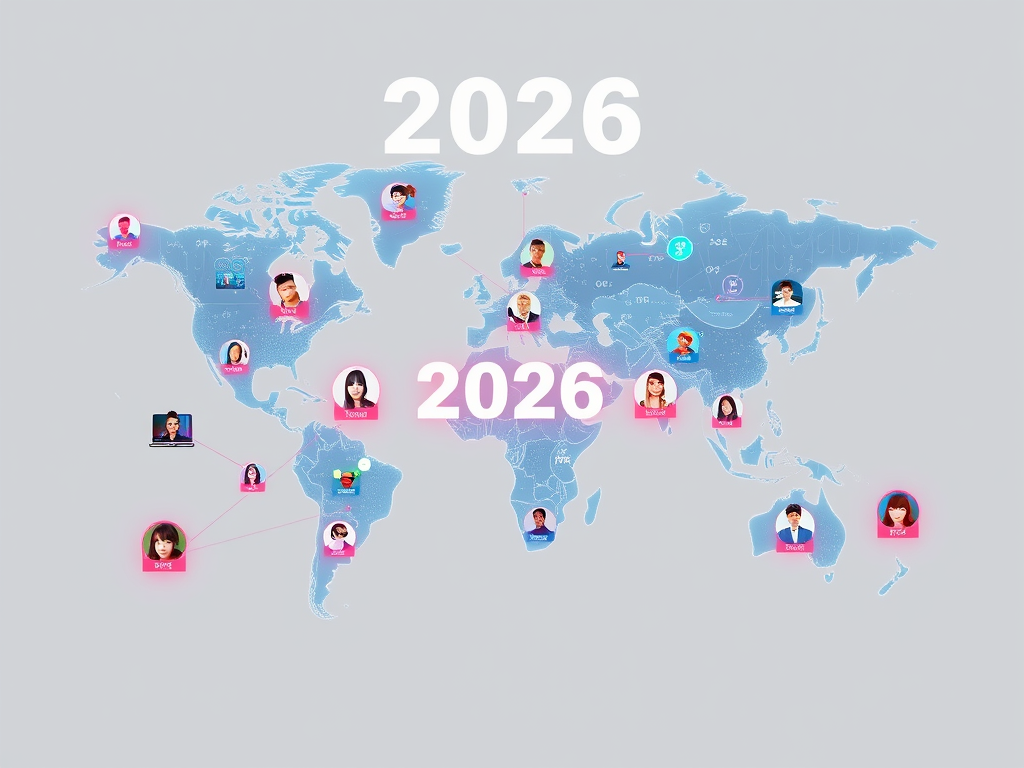
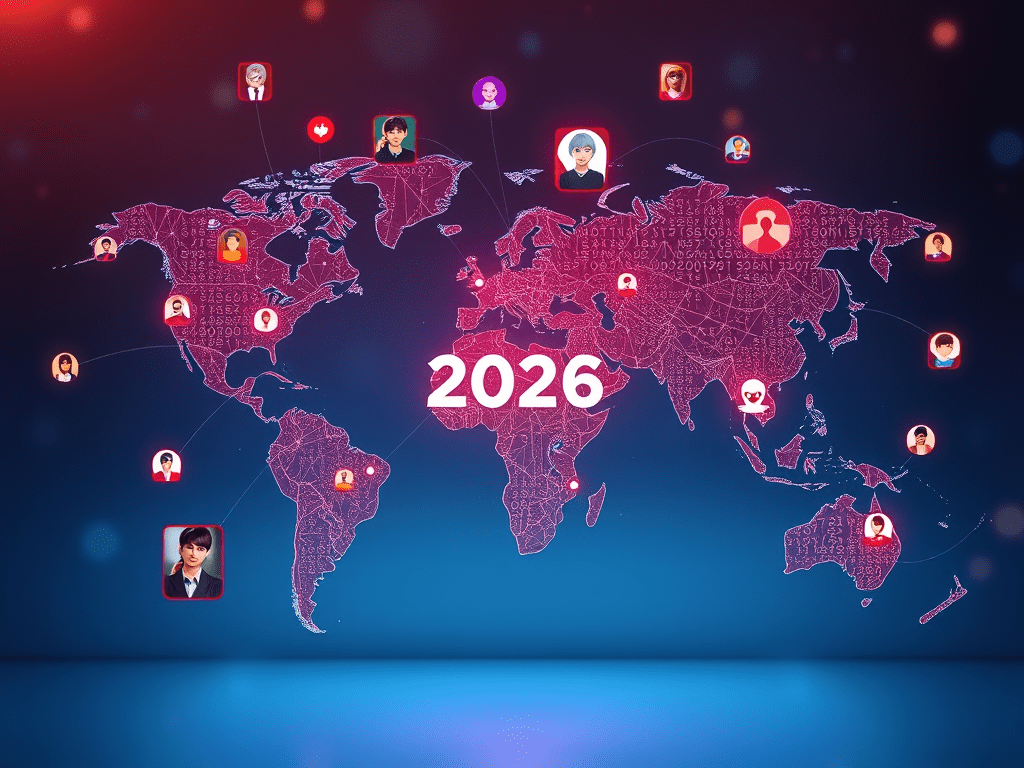
Korean culture, often dubbed the “Hallyu” or Korean Wave, has surged beyond its national borders to captivate audiences worldwide. What began as a niche interest in the late 1990s—supported by a handful of pop acts and early television exports—has blossomed into a full-fledged global phenomenon that permeates music charts, streaming platforms, beauty aisles, culinary scenes, and fashion runways. This cultural tsunami isn’t just about entertainment; it represents a powerful soft-power strategy that has bolstered South Korea’s international profile, driven economic growth, and fostered cross-cultural connections.

At its core, Hallyu leverages the universal appeal of compelling storytelling, striking visuals, and carefully crafted narratives that tap into universal human emotions—love, ambition, friendship, and perseverance. Moreover, the Korean government and private sector have strategically invested in creative industries, establishing world-class entertainment agencies, funding cultural exports, and nurturing talent from a very early age. The result? A well-oiled machine that consistently produces high-quality content across multiple sectors: from chart-topping K-Pop hits to binge-worthy K-Dramas and groundbreaking skincare innovations.

Crucially, the rise of digital platforms and social media has supercharged the Hallyu phenomenon. YouTube vevo pages, TikTok challenges, Instagram reels, and Netflix recommendations now serve as launchpads, enabling content to reach millions within hours. Fan-driven translation communities and localized campaigns further dismantle language barriers, allowing non-Korean speakers to fully immerse themselves in the latest trends. In this article, we’ll journey through the key pillars of Korean culture’s global influence—K-Pop, K-Drama, K-Beauty, culinary exports, and more—unpacking how each sector has contributed to the unstoppable rise of Hallyu.


K-Pop: The Musical Force Captivating the World
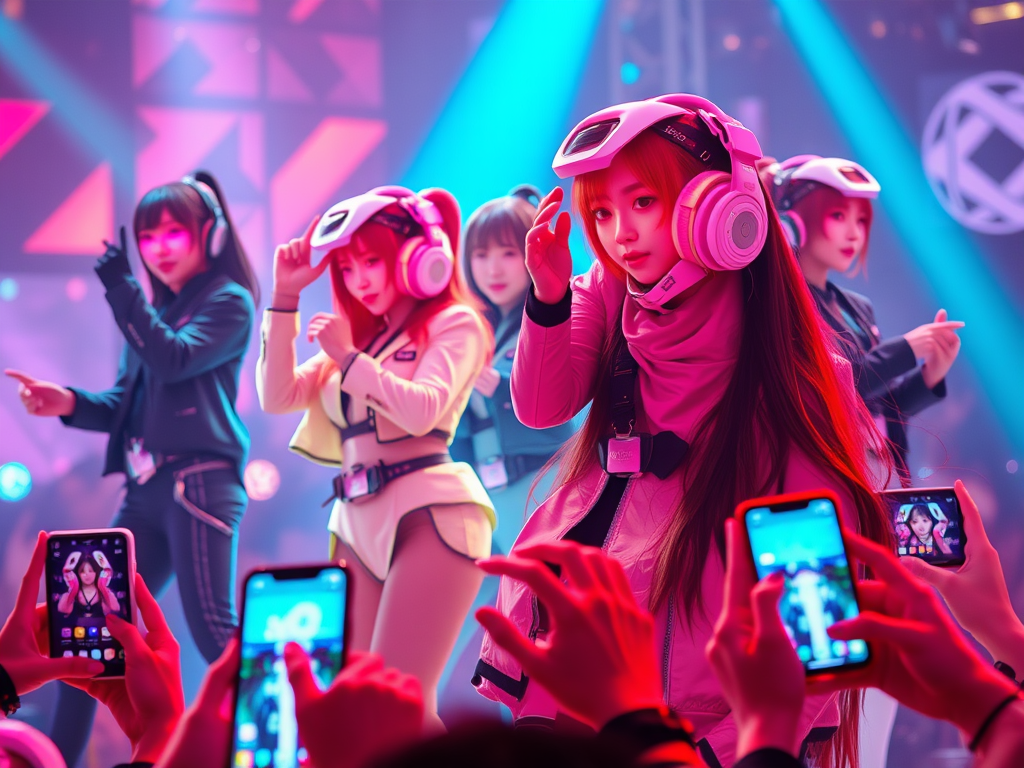
K-Pop—or Korean popular music—has emerged as one of the most dynamic and lucrative segments of South Korea’s cultural exports. Blending catchy melodies, intricate choreography, high-fashion aesthetics, and finely tuned branding, K-Pop groups like BTS, BLACKPINK, and TWICE have transcended language barriers to secure top positions on global charts, headline stadium tours, and collaborate with Western superstars like Coldplay, Dua Lipa, and Lady Gaga. But how did this genre evolve from a local idol system to a worldwide phenomenon?

The foundations of K-Pop rest on a meticulously structured entertainment industry where trainees—often recruited in their early teens—undergo rigorous vocal, dance, language, and media training for several years before debuting. Entertainment giants such as SM, YG, and JYP Entertainment fine-tune every aspect of an idol group’s concept, ensuring that the musical style, image, and storytelling resonate with target demographics, both domestically and overseas. This “factory model” of talent development has proven remarkably effective at delivering consistent, polished acts that can adapt swiftly to global trends.

Moreover, K-Pop’s integration of multiple genres—EDM, hip-hop, R&B, and even trot (a traditional Korean style)—appeals to a wide range of tastes. Music videos are produced with cinematic quality, often featuring elaborate sets, narrative arcs, and fashion-forward styling that spark endless social media discussions. This fusion of high production value and multi-genre experimentation has positioned K-Pop not just as a music genre, but as a lifestyle movement that influences everything from dance fitness trends to virtual fan meet-ups.

Finally, K-Pop fandoms—organized under names like ARMY (for BTS) or BLINK (for BLACKPINK)—play a pivotal role. Fandom-led streaming parties, coordinated purchasing campaigns, and active engagement on social media platforms amplify every release, ensuring records are broken and visibility remains sky-high. In effect, K-Pop’s success story is a combination of meticulous industry planning, genre-blending creativity, and fiercely loyal global communities.


Evolution from Local Idol to Global Superstar
The transformation of K-Pop idols from national celebrities to global icons has unfolded in stages. Initially, in the late 1990s and early 2000s, groups like H.O.T. and BoA laid the groundwork with regional promotions in East Asia. However, it wasn’t until the late 2000s—with pioneers like Girls’ Generation and BIGBANG—that agencies began tailoring concepts specifically for international audiences, incorporating English lyrics and overseas photo shoots.

By the 2010s, digital platforms changed the game. Psy’s “Gangnam Style” (2012) became the first video to surpass one billion views on YouTube, signaling to the world that K-Pop had arrived in full force. From there, BTS’s strategic use of Twitter in English, participation in international award shows, and performance on American talk shows established a blueprint for global engagement. Each subsequent generation of idols has built on these breakthroughs, leveraging cross-border collaborations and tailored promotional campaigns to deepen their reach in North America, Europe, South America, and beyond.

This evolution has also been accompanied by a growing emphasis on individual members’ personalities via reality shows, vlogs, and social media takeovers. Fans no longer see idols as distant celebrities but as friends they follow daily, strengthening emotional bonds and driving sustained support for music releases, merchandise, and tours.


Role of Social Media in K-Pop’s Expansion
Social media has been the turbocharger of K-Pop’s international growth. Platforms like YouTube, TikTok, Instagram, and Twitter enable agencies and artists to bypass traditional media gatekeepers, delivering content directly to fans around the globe. Teaser clips, behind-the-scenes footage, dance practice videos, and “challenge” trends encourage fans to create and share their own content, creating a viral loop that drives streams and visibility.

TikTok challenges—such as replicating a signature dance move—often lead to millions of user-generated videos within hours of a song’s release, pushing tracks onto viral charts and radio playlists in multiple countries. Similarly, YouTube’s algorithm recommends K-Pop videos to viewers based on watch patterns, introducing the genre to new audiences who might not have discovered it otherwise.

Agencies also invest heavily in fan community management, appointing social media teams to translate posts, host live streams in multiple languages, and facilitate interactive events like Q&A sessions. The result is a highly engaged global fanbase that feels heard, valued, and connected—transforming casual listeners into lifelong supporters.


K-Drama: Storytelling That Resonates Universally
K-Drama—the world of Korean television dramas—has become a cultural ambassador for South Korea, attracting viewers with emotionally rich plots, striking cinematography, and relatable characters. From romantic comedies like “Crash Landing on You” and “Descendants of the Sun” to genre-bending series like “Squid Game” and “Kingdom,” K-Dramas offer diverse narratives that cut across age, nationality, and cultural background.

One of the defining features of K-Dramas is their concise episode counts (often 12–16 episodes) and limited series format, which allows for tightly woven story arcs without the extensive filler common in many long-running soap operas. High production budgets and cinematic techniques have elevated the visual storytelling, with sweeping aerial shots of Seoul’s skyline or meticulously designed period sets in historical dramas. Writers and directors frequently blend humor, suspense, and social commentary, ensuring there’s something for everyone.

Furthermore, streaming giants like Netflix, Viki, and Viu have acquired and produced K-Dramas with dedicated subtitles, dubbing options, and region-specific promotions. This accessibility has turned local hits into global sensations almost overnight. Fans form online discussion groups, translate episodes into dozens of languages, and host virtual watch parties that cross time zones—fostering a vibrant international community.


K-Beauty: Redefining Global Beauty Standards
K-Beauty—short for Korean beauty—has become synonymous with innovation, self-care, and an almost obsessive attention to detail. From sheet masks to cushion compacts, Korean skincare and cosmetics brands have introduced products that feel more like a ritual than a chore. What sets K-Beauty apart is its holistic philosophy: rather than concealing imperfections with heavy makeup, the focus is on nurturing and protecting the skin barrier so that makeup becomes an optional finishing touch, not a necessity.

This paradigm shift has resonated deeply with consumers worldwide, especially those tired of quick-fix, high-coverage products that can be harsh or drying. Instead, the multi-step routines, often taking 10 steps or more, encourage mindfulness—encouraging people to slow down, massage in each layer, and pay attention to what their skin is telling them. As a result, products emphasizing gentle acids, fermented ingredients, and protection from environmental stressors have become household names beyond Korea’s borders.

Moreover, K-Beauty’s willingness to experiment—think snail mucin, bee venom, and charcoal-infused cleansers—has captured the imagination of beauty enthusiasts hungry for novelty. Yet behind the buzzwords, there’s rigorous R&D, high-tech labs, and stringent quality controls that ensure these novel ingredients are safe, stable, and effective. In this section, we’ll dig into the biggest innovations driving K-Beauty’s success and uncover why the 10-step skincare routine became such a global sensation.


Innovations in Skincare and Cosmetics
When you think of K-Beauty innovations, several products come to mind immediately: cushion foundations that deliver buildable coverage with skincare benefits, lightweight essence sprays that hydrate on the go, and overnight sleeping masks that work while you rest. What makes these products groundbreaking isn’t just clever packaging—it’s the science and consumer research behind them.

  1. Fermented Ingredients
    • Fermentation breaks down large molecules into smaller ones, which can penetrate the skin more effectively. Brands harness this process to boost ingredients like rice, ginseng, and soybean, turning traditional remedies into modern formulations.
  2. Barrier-Repair Formulas
    • With rising awareness of “skin barrier” health, products rich in ceramides, cholesterol, and fatty acids have proliferated. These formulations help soothe irritation, lock in moisture, and protect against pollution.
  3. Microbiome-Friendly Cleansers
    • Rather than stripping the skin of its natural oils, many K-Beauty cleansers now maintain pH balance and support beneficial bacteria on the skin’s surface.
  4. Innovative Delivery Systems
    • Nanotechnology and liposome encapsulation allow active ingredients—like vitamin C or retinol—to reach deeper layers without causing irritation.

These innovations are the result of massive investments by Korean beauty conglomerates and startups alike, who collaborate with dermatologists and perform extensive clinical testing. The outcome? Products that deliver measurable results and keep global consumers coming back for more.


The 10-Step Skincare Routine Phenomenon
At its peak, the 10-step routine was the poster child of K-Beauty’s philosophy. It typically includes:

  1. Water-Based Cleanser
  2. Exfoliator (1–2 times weekly)
  3. Toner
  4. Essence
  5. Serum/Ampoule
  6. Sheet Mask
  7. Eye Cream
  8. Moisturizer
  9. SPF (Morning) or Sleeping Mask (Night)
  10. Oil Cleanser

While initially daunting, this ritualistic approach transformed skincare into self-care. Each step serves a purpose—double cleansing ensures pores are truly clean, toners balance pH, essences hydrate at a micro level, and masks deliver targeted treatments. Importantly, enthusiasts quickly learned to customize the sequence: skipping steps as needed, layering products that complement each other, and adjusting for seasonal changes.

Social media played a crucial role in popularizing the routine. Influencers filmed their “morning vs. night” skincare videos, sharing product recommendations and hacks. Hashtags like #10StepKoreanSkincare accumulated millions of views, and sheet mask selfies became a global trend. Even today, while many have streamlined their regimens, the 10-step routine remains a touchstone—proof that beautiful skin often requires patience, consistency, and a willingness to pamper oneself.


Beyond Entertainment: Korean Food and Cuisine’s Global Appeal
Korean cuisine is no longer confined to local eateries or food festivals; it’s a bona fide global trend. From the smoky sizzle of Korean BBQ grills popping up across major cities to the tangy, umami-rich punch of kimchi finding its way into fusion dishes, Korean food has become a culinary force. What makes these flavors so addictive? It’s the masterful balance of spicy, sweet, sour, and savory, often all in one bite.

Yet the appeal goes deeper than taste. Dining in Korea is inherently communal—sharing multiple banchan (side dishes), wrapping grilled meat in lettuce leaves, and sipping soju or makgeolli together. This interactive, social style of dining resonates with people looking for more than just a meal; they want an experience. As Korean restaurants adapt globally, they often integrate local ingredients and dietary preferences—think vegan bulgogi, gluten-free tteokbokki, or kimchi tacos—which broaden their reach even further.

In this section, we’ll explore how Korean BBQ and street food have conquered international palates, and how innovative chefs and startups are fusing Korean flavors with global cuisines to create entirely new dishes.


The Rise of Korean BBQ and Street Food Abroad
Korean BBQ restaurants have become staples in urban centers from New York to Melbourne. These venues often feature tabletop grills where diners cook marinated meats—galbi (short ribs), samgyeopsal (pork belly), and dak galbi (spicy chicken)—to their preferred doneness. The interactive grill, combined with the variety of banchan—such as spicy radish, marinated spinach, and soy-braised potatoes—creates a sense of communal feasting that’s hard to replicate.

Street food, too, has made waves. Vendors and brick-and-mortar spots serve:

  • Tteokbokki: Chewy rice cakes in a fiery gochujang-based sauce
  • Hotteok: Sweet pancakes filled with brown sugar, cinnamon, and nuts
  • Kimbap: Korean-style sushi rolls with fillings like bulgogi or pickled vegetables
  • Odeng: Skewered fish cakes served in savory broth

These portable, affordable bites have been embraced by food trucks, festival stalls, and casual cafes, offering a taste of Korea that’s accessible to everyone.


Fusion Cuisine and Culinary Collaborations
Korean chefs and entrepreneurs aren’t content with traditional renditions; they’re constantly experimenting. Consider these cross-cultural mashups:

Fusion DishDescription
Kimchi QuesadillaTortilla pockets stuffed with kimchi, cheese, and bulgogi
Bibimbap BurritoRice, veggies, and marinated meat wrapped in a tortilla
K-Pop Chicken & WafflesSweet and spicy fried chicken served with Korean-style waffles
Gochujang Ramen BurgerBeef patty glazed in gochujang, sandwiched between ramen buns

These inventive dishes often go viral on social media, sparking foodie challenges and new restaurant concepts. By blending familiar formats (tacos, burgers, pizzas) with Korean flavors, chefs lower the barrier to entry for newcomers while offering something fresh for seasoned enthusiasts.


Fashion and Streetwear: Seoul’s Influence on Global Trends
Seoul has emerged as a fashion capital, rivaling Paris and Milan with its eclectic street style and avant-garde designers. From oversized silhouettes and bold color-blocking to minimalist ensembles with meticulous tailoring, K-Fashion encapsulates both daring creativity and refined sophistication. Social media platforms like Instagram and TikTok showcase everyday Seoulites mixing high-end labels with thrifted pieces—creating looks that feel authentic, accessible, and endlessly photogenic.

Major fashion weeks in Seoul now draw international buyers and influencers, while global retailers collaborate with Korean designers on capsule collections. For example, luxury brands have tapped Korean celebrities as brand ambassadors, and sportswear companies have co-branded sneakers with K-Pop idols. The result? Korean aesthetics infiltrate wardrobes from Tokyo to Toronto.

Key factors fueling Seoul’s fashion ascendancy include:

  • Rapid Trend Cycles: Influencers and designers respond to global currents in real time, ensuring fresh looks each season.
  • Digital Native Culture: E-commerce platforms, livestream shopping, and AR “try-on” apps make cutting-edge fashion available at the click of a button.
  • Youth-Driven Creativity: Generation Z in Korea blends tradition and technology—hanbok-inspired modern wear, LED-embedded garments, and 3D-printed accessories.

As a result, K-Fashion isn’t just a niche; it’s a dynamic force reshaping streetwear and high fashion alike.


Language Learning: The Popularity of Korean Language Worldwide
As K-Pop lyrics and K-Drama dialogue entice new fans, many are inspired to learn Korean for a deeper connection. Language apps and online academies report surges in enrollment for Korean courses, and universities around the globe now offer Korean language degrees. But beyond institutional classes, informal learning thrives through:

  • YouTube Tutorials: Channels dedicated to “Korean for Beginners” feature native speakers teaching conversational phrases and slang.
  • Fan-Translated Lyrics: ARMYs and BLINKs create sung-by-sung subtitles, prompting learners to mimic pronunciation and memorize vocabulary.
  • Language Exchanges: Virtual meetups connect learners worldwide with Korean peers, fostering cross-cultural friendships.

Learning Korean opens doors to understanding cultural nuances—jokes, idioms, honorifics—that don’t translate directly. It also amplifies enjoyment of media: hearing a BTS lyric in its original form or catching subtle humor in a drama without subtitles. As a result, the Korean language has become both a practical tool and a cultural passport, drawing motivated learners into a broader Hallyu ecosystem.


Technology and Gaming: Korean Innovation on the Global Stage
South Korea’s reputation as a tech powerhouse is well established—thanks to lightning-fast internet, cutting-edge consumer electronics, and world-renowned gaming culture. Companies like Samsung and LG compete globally in smartphones, TVs, and home appliances, often debuting innovations (foldable screens, micro-LED displays) well ahead of competitors.

In gaming, South Korea stands as an epicenter of esports. Titles like League of Legends, StarCraft, and Overwatch have thriving pro leagues, filled arenas, and multimillion-dollar sponsorships. Professional gamers achieve celebrity status, complete with dedicated fanbases and streaming channels that attract tens of thousands of live viewers.

Beyond hardware and gaming, Korean startups are pioneering:

  • AI-Powered Beauty Diagnostics: Apps that analyze skin tone and texture, then recommend personalized routines.
  • Virtual Production for Film and TV: LED volume stages and real-time rendering—technologies that Hollywood studios now adopt.
  • Smart City Initiatives: IoT sensors, autonomous vehicles, and energy-optimizing grids being piloted in Seoul.

These technological achievements reinforce Hallyu’s narrative: Korea isn’t just exporting pop culture; it’s exporting innovation, creativity, and a vision of the future.


Tourism Boom: South Korea as a Top Travel Destination
Over the past decade, South Korea has transformed from a relatively niche travel spot into one of the world’s most sought-after destinations. Fueled in part by Hallyu fandoms eager to visit filming locations from hit K-Dramas and attend concerts or fan events, the tourism industry has seen unprecedented growth. From 2010 to 2019, annual visitor numbers grew from roughly 8 million to over 17 million, and while the pandemic caused a temporary dip, new marketing campaigns and relaxed travel restrictions have rekindled that momentum.

One major driver is the “K-Drama pilgrimage.” Fans of shows such as Goblin or Crash Landing on You book tours to visit iconic sites—from the Bukchon Hanok Village in Seoul to the Garden of Morning Calm. Travel agencies now offer specialized Hallyu itineraries that include VIP backstage experiences, set-site photo ops, and local guide commentary on cultural references within each drama. This experiential tourism taps directly into fan desire for immersion, converting online enthusiasm into real-world spending on hotels, transport, and merchandise.

Beyond drama sites, South Korea’s broader attractions have also benefited. Seoul’s dynamic blend of ancient palaces (Gyeongbokgung, Changdeokgung) and ultramodern skyscrapers (Lotte World Tower, Dongdaemun Design Plaza) appeals to culture seekers and architecture buffs alike. The Busan International Film Festival draws cinephiles worldwide, while Jeju Island’s volcanic landscapes, tranquil beaches, and UNESCO sites attract nature enthusiasts. Additionally, seasonal festivals—cherry blossoms in spring, lantern festivals in autumn, or the Hwacheon Sancheoneo Ice Festival in winter—provide year-round reasons to visit.

To accommodate this influx, the Korean Tourism Organization (KTO) has invested heavily in multilingual signage, tourist hotline services, and user-friendly websites. They’ve partnered with airlines for discounted Hallyu-themed flight packages and collaborated with global travel influencers to highlight off-the-beaten-path locales. This holistic strategy ensures that whether visitors are chasing a K-Pop concert or sampling street food at Gwangjang Market, they enjoy seamless, culturally rich experiences that keep them coming back—and telling their friends.


Fan Culture and Community: Building Global Connections
At the heart of Hallyu’s global reach lies one of its most potent and unique assets: its fandoms. K-Pop fan communities—often highly organized, tech-savvy, and deeply passionate—have redefined what it means to support an artist. Groups like BTS’s ARMY or BLACKPINK’s BLINK aren’t just casual listeners; they are coordinated networks that mobilize for streaming campaigns, charity drives, and even international meet-ups.

One striking example is the “stream-and-donate” model. When a new single or album drops, fans rally on platforms like Twitter and Weibo, sharing streaming guides, personalized playlists, and tips on maximizing chart performance. Simultaneously, they launch global charity initiatives under the artist’s name—planting trees, funding education projects, or donating to disaster relief. These joint efforts generate positive press and demonstrate the social power of fandom, attracting new members and fostering goodwill toward Korean stars.

Fan organizing extends into localized “fan cafes” or online forums, where members discuss theories, share fan art, or plan synchronized light-stick events during concerts. These digital hubs frequently transcend national borders: a BLINK in Brazil might translate Korean tweets into Portuguese, while an ARMY in Egypt subtitling a BTS variety show clip into Arabic, each widening the cultural bridge.

Moreover, fan conventions and pilgrimages reinforce these bonds in person. Global fan-run events—like K-Con Europe or BTS Pop-Up: Map of the Soul—offer panels, photo zones, and exclusive merchandise, creating shared memories that solidify community identity. For many fans, these gatherings are more than entertainment; they are social lifelines connecting individuals from disparate backgrounds through a shared passion.

In sum, Hallyu’s fan cultures aren’t passive audiences; they are proactive cultural ambassadors. By translating, promoting, and humanizing Korean artists, they amplify Hallyu’s impact, ensuring its resonance in homes from Seoul to São Paulo—and forging global friendships that extend far beyond the music and dramas themselves.


Social Media and Digital Marketing: Amplifying Korean Culture
From the moment BTS’s “Dynamite” teaser dropped on TikTok to the intricate Instagram feeds curated by BLACKPINK members, social media has not only mirrored Hallyu’s ascent—it’s been its rocket fuel. Korean entertainment agencies and brands are masters at crafting shareable moments: eye-catching visuals, behind-the-scenes snippets, and interactive challenges that invite global participation.

Platforms like TikTok, Instagram, and Twitter enable multidirectional engagement. An idol posts a dance snippet with a branded hashtag; millions of fans replicate it, generating user-created content that circles back as free promotion. This loop skyrockets visibility without the need for traditional ad spend. On Instagram, K-Beauty brands tap influencers across continents, providing PR packages to micro-creators whose authentic reviews resonate more deeply than paid commercials. Meanwhile, YouTube remains the cornerstone for longer-form content—vlogs, reality-show previews, and “making-of” documentaries—that deepen fan investment by revealing the people behind the polished stage personas.

Beyond entertainment, South Korean tourism boards and consumer-goods companies have embraced digital marketing tactics honed in K-Pop. Virtual tours of filming locations, interactive quizzes (“Which BTS Member Are You?”), and AR filters that try on cushion foundation or hanbok have bridged physical distances. These campaigns don’t just advertise products or destinations; they invite participation, turning passive observers into active brand advocates. In essence, social media has democratized Hallyu’s reach: any fan with a smartphone can amplify Korean culture in their own circle, creating a decentralized yet deeply coordinated promotional engine.


Brand Collaborations and Corporate Influence
Korean stars and brands have forged partnerships that blur the lines between pop culture and commerce. Luxury fashion houses like Louis Vuitton, Chanel, and Dior appoint K-Pop idols as brand ambassadors, capitalizing on their massive followings to reach younger demographics. For instance, Blackpink’s Jisoo became Dior’s first global ambassador from Asia, instantly elevating the brand’s resonance among millennial and Gen Z consumers worldwide.

On the tech front, Samsung collaborates with artists for limited-edition Galaxy phones featuring exclusive content, while Hyundai partners with K-Drama producers to showcase new car models in prime-time series. Even fast-food chains aren’t immune: McDonald’s South Korea launches BTS meal promotions that sell out within hours, with merchandise flipping on resale markets at five times their original price. These collaborations create win-win dynamics: brands gain instant cultural cachet, and artists or shows benefit from corporate marketing muscle and distribution channels.

Beyond one-off tie-ins, strategic joint ventures have emerged. CJ ENM—a media conglomerate behind music, TV, and film—has invested in theme parks, e-sports arenas, and beauty startups, leveraging its IP portfolio to create immersive experiences. Lotte Group develops shopping complexes with K-Pop performance stages, while SK Telecom pilots AI-driven fan-engagement apps. Through these ventures, Korean corporate giants are not just funding culture; they’re co-creating it, ensuring that Hallyu’s economic and cultural ripple effects touch virtually every sector of South Korean business.


Economic Impact: The Korean Wave’s Contribution to GDP
Hallyu’s financial footprint is staggering. In 2023 alone, the Korean creative industries—spanning music, film, gaming, and cosmetics—generated over $120 billion in revenue, accounting for roughly 7 percent of the nation’s GDP. Exports of cultural content skyrocketed, with music exports exceeding $1 billion and beauty exports surpassing $13 billion. Tourism revenue linked directly to Hallyu—through theme parks, fan tours, and merchandise sales—added another $2 billion to the economy.

These figures underscore how cultural products have become high-value exports, rivalling traditional heavy industries. Government agencies like the Korea Creative Content Agency (KOCCA) report that every dollar invested in content production returns $5 in economic value, thanks to downstream spending on hosting concerts, filming locations, and related travel services. Moreover, Hallyu has created tens of thousands of jobs—from choreographers and cosmetologists to translators and tour guides—fueling employment in both creative and service sectors.

Investment trends reflect this confidence: venture capital in Korean entertainment and beauty tech startups hit record highs in 2024, while public markets reward cultural companies with premium valuations. Even beyond direct revenues, Hallyu enhances the global profile of Korean manufacturing, technology, and tourism, driving foreign direct investment and partnerships that extend far beyond cultural exports alone.


Challenges and Controversies: Navigating Cultural Appropriation and Overexposure
While the Korean Wave’s ascent has been meteoric, it hasn’t been without friction. Cultural appropriation debates have surfaced when non-Korean entities adopt Korean aesthetics or rituals without proper context or credit—whether it’s brands slapping hanbok motifs on clothing without acknowledging their heritage or influencers co-opting Korean skincare steps while ignoring the cultural philosophies underpinning them. Such missteps can alienate both Korean and international fans who crave authenticity.

Additionally, overexposure poses a risk. With agencies chasing global trends, there’s pressure to produce more content at shorter intervals, potentially leading to quality dilution. Fans sometimes voice fatigue when every season brings a flood of new debut groups or dramas that cannibalize attention spans. This “content glut” could undermine the careful brand-building that made earlier releases feel special.

Labor practices in the entertainment industry have also drawn scrutiny. Intense trainee programs, grueling schedules, and strict image codes have sparked conversations about mental health and workers’ rights. High-profile resignations or hiatus announcements by idols for health reasons highlight the need for better support structures. Addressing these concerns transparently—through regulations, open dialogue, and mental-health initiatives—will be critical to sustaining Hallyu’s goodwill and creative vitality.


Future Outlook: What’s Next for Korean Culture’s Global Journey?
Looking ahead, the Korean Wave shows no signs of ebbing. Next-generation idols—often multilingual and culturally diverse—are debuting with global strategies from day one, while K-Drama producers experiment with interactive storytelling and virtual production techniques. On the beauty front, personalized skincare—powered by AI diagnostics and 3D-printed masks—promises the next innovation leap.

Web3 and metaverse platforms present new frontiers. Entertainment agencies are minting NFT collectibles, hosting virtual concerts in digital arenas, and creating fan tokens for exclusive interactions. Education and language learning may incorporate VR “immersive classrooms” set in Seoul’s most iconic locales. Even traditional cultural assets like Korean folk music and craft techniques are finding fresh life through digital preservation projects and global collaborations.

Critically, sustainability will become a defining theme. From eco-friendly packaging in cosmetics to carbon-neutral tours in Gangwon Province, the next chapter of Hallyu may hinge on balancing growth with environmental and social responsibility. By weaving innovation with conscientious values, Korean culture can continue to captivate global audiences while setting new standards for responsible soft power.


Conclusion
The Korean Wave is far more than a fleeting trend—it’s a cultural phenomenon that has redefined global entertainment, beauty, cuisine, and commerce. Rooted in strategic investments, technological savvy, and fiercely passionate communities, Hallyu illustrates the power of storytelling to transcend languages and borders. As it evolves, embracing new platforms, ethical considerations, and immersive experiences, Korean culture will undoubtedly continue to shape global tastes and conversations for years to come.

Leave a comment