
Taylor Swift has once again placed herself at the center of global pop culture—this time, not through a new album or world tour, but by reclaiming ownership of her legacy. On May 30, 2025, she made a groundbreaking move by buying back the master recordings of her first six albums for $360 million USD (approx. 490 billion KRW). More than just a financial transaction, this was a powerful statement to the entire music industry.
Master recordings are essentially the “originals” of any track or album. Owning them grants control over how that music is reproduced, streamed, or commercially used. Until now, Swift didn’t hold the rights to these recordings. Initially owned by Scooter Braun, the masters were later sold to Shamrock Capital. But with this purchase, Swift now holds the rights to the foundational works of her career.
For fans around the world—especially her fiercely loyal fanbase known as the “Swifties”—the announcement felt like a victory for all creators. Many called it “Swiftie Independence Day”, a celebration not just of Swift, but of the growing fight for creator rights across the entertainment industry.

“Intermittent Fasting: A Gentle Reset for Body and Mind”
💰 A Bold and Symbolic Investment
Purchasing her masters wasn’t a small feat. A $360 million investment would make even global corporations hesitate. But for Swift, it wasn’t about the money—it was about freedom and self-respect. Reclaiming these masters meant finally having full control over the music that defined her youth, her voice, and her legacy.
Historically, most artists have been locked into contracts that hand over master ownership to record labels. Swift’s move challenges that norm and sets a new precedent. Her decision isn’t just a personal win—it’s a strategic power play in an industry long dominated by institutions rather than individuals.
This purchase also reflects her keen business instincts. Backed by a massive fanbase, multi-million album sales, and record-breaking tours, Swift knew her music was a valuable asset—and she wasn’t about to leave it in someone else’s hands.
Stream Your Favorites Faster & Better! 📺
Why wait? Upgrade to Amazon Fire TV and enjoy lightning-fast streaming and thousands of apps at your fingertips. It’s time to level up your TV game! 🚀
✨ [Check Price on Amazon.com (USA)]
✨ [Check Price on Amazon.ca (Canada)]
🤝 A Historic Deal with Shamrock Capital
One key player in this drama is Shamrock Capital, the private equity firm that acquired the masters from Scooter Braun in 2020. At the time, Swift publicly opposed the deal, citing that it happened without her consent. Yet, years later, the two parties managed to come to a mutual agreement built on transparency and respect.

In a heartfelt letter to fans, Swift confessed she was “moved to tears” when she finally regained her masters. This wasn’t just a transaction—it was emotional closure.
This historic deal may also reshape how the music industry views relationships between artists and investors. Ownership, intellectual property, and licensing structures could all shift as more artists demand a seat at the table—not just a spot on the stage.
🎶 The Birth of ‘Taylor’s Version’
The turning point came in 2019, when Scooter Braun’s acquisition of Big Machine Records gave him control over Swift’s early catalog. Swift expressed her outrage at having her “musical legacy sold to a man who tried to dismantle it.”
Unable to buy back her original masters, Swift began an unprecedented project: re-recording her old albums under the label ‘Taylor’s Version.’ These re-recordings weren’t just remakes—they were artistic reclaimings, imbued with personal growth and autonomy.
The results? Phenomenal. Fearless (Taylor’s Version), Red (Taylor’s Version), and Speak Now (Taylor’s Version) all shot to No.1 on the Billboard charts. Fans eagerly streamed the re-recordings over the originals, offering direct support and reshaping music consumption trends.
🎉 A Movement Fueled by Fans and Celebrities
May 30, 2025, will forever be known to fans as “Swiftie Independence Day.” As news of her masters purchase broke, social media exploded with tributes, memes, and fan art. Hashtags like #TaylorWins and #MastersBackHome dominated Twitter and TikTok.
And it wasn’t just fans. NFL superstar Travis Kelce and Super Bowl MVP Patrick Mahomes joined in the praise. Kelce tweeted, “This isn’t just about music—it’s about owning what you create,” sparking applause from artists and creatives alike.
This outpouring showed the power of community and how deeply people resonate with stories of creative justice. Swift’s genuine relationship with her fans has always been a strength—and now, it’s a driving force in reshaping music history.
📀 Redefining Ownership in the Music Industry
Taylor Swift’s victory marked a seismic shift in how ownership is perceived in music. For decades, artists were expected to give up their masters as a trade-off for industry exposure. Swift challenged that equation. Now, artists are asking: “Why shouldn’t I own the music I created?”
Her actions have educated fans and fellow musicians alike about the difference between songwriting rights and master rights—a distinction many didn’t previously understand. ‘Taylor’s Version’ is more than a marketing tool; it’s a transparent declaration of artistic control.
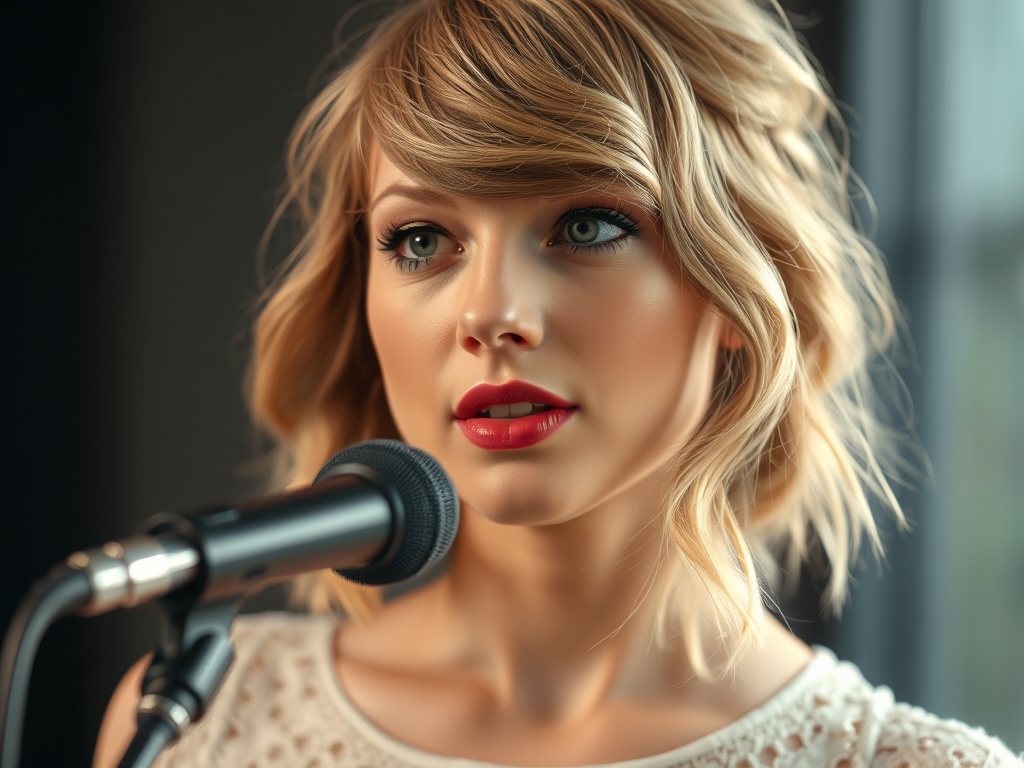
This conversation is sparking change. Young musicians are negotiating better deals, and indie artists are prioritizing ownership over fame. Swift’s story has lit a fire, and it’s spreading fast.
🌍 Global Industry Trends and Swift’s Strategic Vision
The music industry is transforming rapidly—especially in the streaming era. According to the 2025 IFPI Global Music Report, streaming now makes up 69% of the industry’s total revenue, surpassing $20 billion for the first time.
In this ecosystem, owning your masters means owning your income. Every stream of ‘Taylor’s Version’ sends money directly to Swift, not to a third-party label.
Meanwhile, the rise of AI in music creation and copyright tracking means rights management is more important than ever. Artists like Swift, who understand the value of their catalog and invest in protecting it, are better equipped for the future of digital music.
📈 A Blueprint for Artistic and Brand Independence
Swift is more than a musician—she’s a brand strategist. Her ability to combine emotion with strategy has allowed her to stay at the forefront of both music and culture.
By re-recording her albums, launching personal narratives, and nurturing fan loyalty, she has shown how artist-driven branding can outperform traditional label marketing. Swifties aren’t just fans—they’re collaborators in a movement.
This long-term branding strategy is something other artists and even companies can learn from. Swift doesn’t just ride trends—she builds them.
🌟 Empowering a New Generation of Creators
Swift’s master reclaiming resonates especially with female artists, who have long faced systemic challenges in a male-dominated industry. Her success is not only symbolic—it’s a model of business leadership.
She’s inspired a wave of young women to take control of their content, launch their own labels, and negotiate fairer contracts. Her journey proves that women can lead—and win—in business, media, and the arts.
To Gen Z and Alpha creators, Taylor Swift is more than a role model. She’s a pathfinder, charting a course toward creative sovereignty.
🎼 A Cultural Declaration of Independence
Taylor Swift’s purchase wasn’t just about regaining rights. It was a cultural moment—a declaration of artistic independence that will echo for years.
Her story is a testament to the belief that creators should own what they create. It’s a stance that transcends music and touches film, literature, design, and more.

She represents a new age where the creator is the owner, the strategist, and the storyteller. And in that age, Taylor Swift has proven herself not just a pop star—but a generational leader.
🧾 Conclusion: The Dawn of Artist Sovereignty
Swift didn’t just buy her masters—she bought back her story. Her journey disrupted the old systems, empowered future creators, and reignited the conversation around ownership in the creative economy.
From her first re-recorded chord to her $360 million investment, Taylor Swift demonstrated that owning your art isn’t just possible—it’s essential. And with millions watching, she paved the way for others to follow.
Now, we’re living in a new era—the era of artist sovereignty—and Taylor Swift is its founding voice.
Title: How to Watch Korean TV in Canada Without Monthly Fees (Surrey, BC Life)
Living in Surrey, BC, there are many times when I truly miss watching Korean dramas and news. However, the monthly cable TV bills are often more burdensome than expected.
I used to worry a lot about the high costs from major providers like Rogers or Bell. Then, I happened to discover this [Amazon TV Kit Link] on Amazon, and since then, I’ve been enjoying Korean broadcasts to my heart’s content without any worries about monthly fees.
What I love most about this product are:
- Simple Installation: It is so easy to set up that even seniors can use it without any trouble.
- No Recurring Costs: Once you purchase it, there are absolutely no monthly subscription fees.
- Clear Picture Quality: The high-definition quality makes the viewing experience very satisfying.
I sincerely recommend this to anyone who wants to brighten up their life in Canada with Korean broadcasts, just like I do. https://amzn.to/46196Eu
<< You Might Also Like >>
 Summit Select
Leave a comment