Introduction: Trump’s Special Relationship with Tariffs
Former U.S. President Donald Trump once stated in an interview, “My favorite word is ‘Tariff.’” During his presidency, he implemented aggressive protectionist trade policies, imposing high tariffs on China, Europe, Canada, and other nations. His trade war with China, in particular, had a significant impact on the global economy.
Starting in 2018, the Trump administration imposed a 25% tariff on $50 billion worth of Chinese imports, followed by additional tariffs on $200 billion worth of goods at a 10% rate, which later increased to 25%. In retaliation, China imposed counter-tariffs on U.S. goods, creating substantial economic ripples worldwide.
This tariff-heavy strategy was a key pillar of Trump’s “America First” policy. But where does the concept of tariffs actually originate? Surprisingly, its roots trace back to 16th-century pirates who demanded tribute from passing ships.
1. The Origin of ‘Tariff’: A Connection to 16th-Century Pirates
The word “Tariff” originates from the Arabic term “ta’rif” (تعريف), meaning definition or notification. The term spread to Spanish and Italian, eventually evolving to mean a tax on goods.
However, the modern concept of tariffs can be linked to 16th-century North African pirates. These pirates, particularly around the Tarifa region, enforced a toll on merchants passing through the Mediterranean. Spanish and Portuguese ships were frequent targets of these enforced payments.
Over time, what began as an illegal extortion by pirates became institutionalized by European nations, evolving into the official import tax known today as tariffs.
🔹 Where is Tarifa?
Tarifa is a southern Spanish city near the Strait of Gibraltar, a crucial maritime trade route between Africa and Europe. The tolls collected there contributed to the evolution of the word ‘tariff.’
🔹 How Did a Pirate Tax Become an Economic Policy?
What started as mere piracy transformed into a legitimate economic tool for governments to regulate international trade. This raises an interesting parallel—was Trump’s aggressive tariff strategy somewhat inspired by these historical tactics?
2. Trump and Tariffs: A ‘Pirate’ Strategy in Modern Trade?
🔹 Why Did Trump Favor Tariffs?
Trump’s “America First” policy aimed to protect U.S. industries and reduce reliance on foreign goods. He viewed tariffs as a powerful tool to boost American manufacturing and pressure foreign competitors.
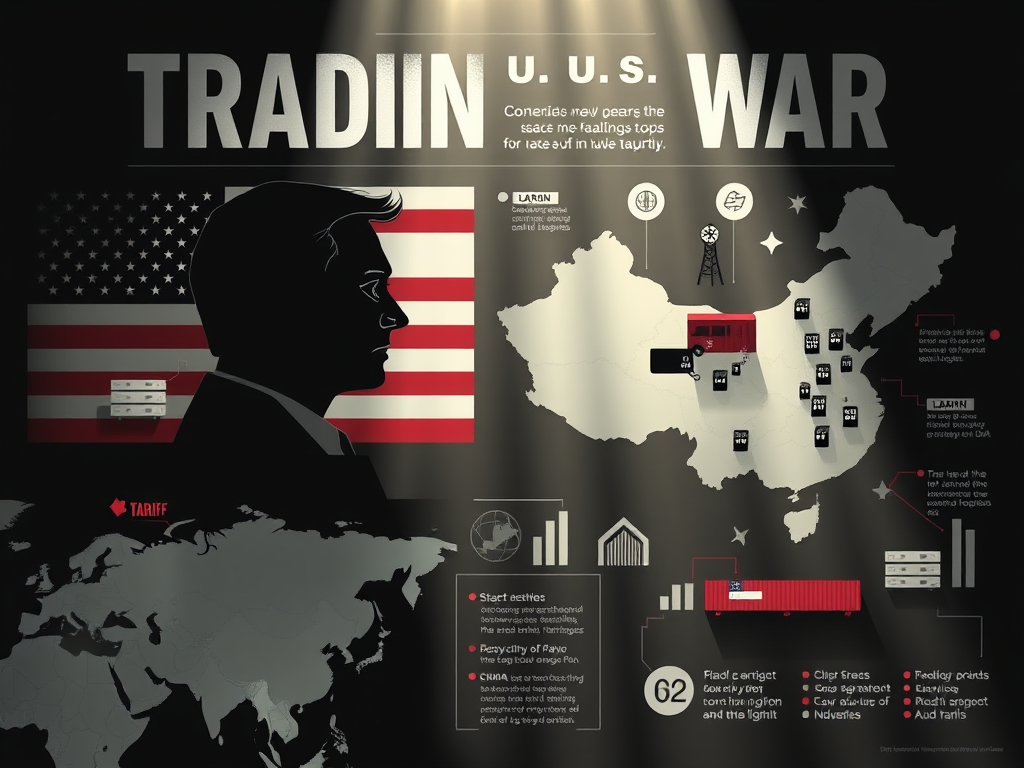
One of the most notable examples was the U.S.-China trade war. By imposing high tariffs on Chinese goods, Trump sought to force China into a more favorable trade deal. However, China retaliated with counter-tariffs on American agricultural products and automobiles, intensifying global trade tensions.
🔹 Major Tariff Policies Under Trump
- High tariffs on Chinese goods → Aimed at protecting U.S. manufacturing
- Steel and aluminum tariffs → Led to tensions with Canada and the EU
- Threats of auto tariffs → Put pressure on the car industries of Japan, South Korea, and Germany
These policies significantly impacted international trade relations and reshaped global economic dynamics.
3. The Economic Impact of Tariffs: Protectionism vs. Free Trade
Trump’s strong stance on tariffs had both positive and negative effects on the U.S. economy.
✅ Positive Effects
- Boost to U.S. manufacturing: Higher foreign product prices made domestic goods more competitive
- Reduction in trade deficit: Lower imports helped shrink America’s trade imbalance
- Increased leverage in trade negotiations: Pressured countries like China to renegotiate trade deals
❌ Negative Effects
- Higher consumer prices: Tariffs led to increased costs for everyday goods
- Trade retaliation: Countries like China imposed counter-tariffs, hurting American industries, especially agriculture
- Market volatility: Uncertainty around trade policies led to fluctuations in the stock market
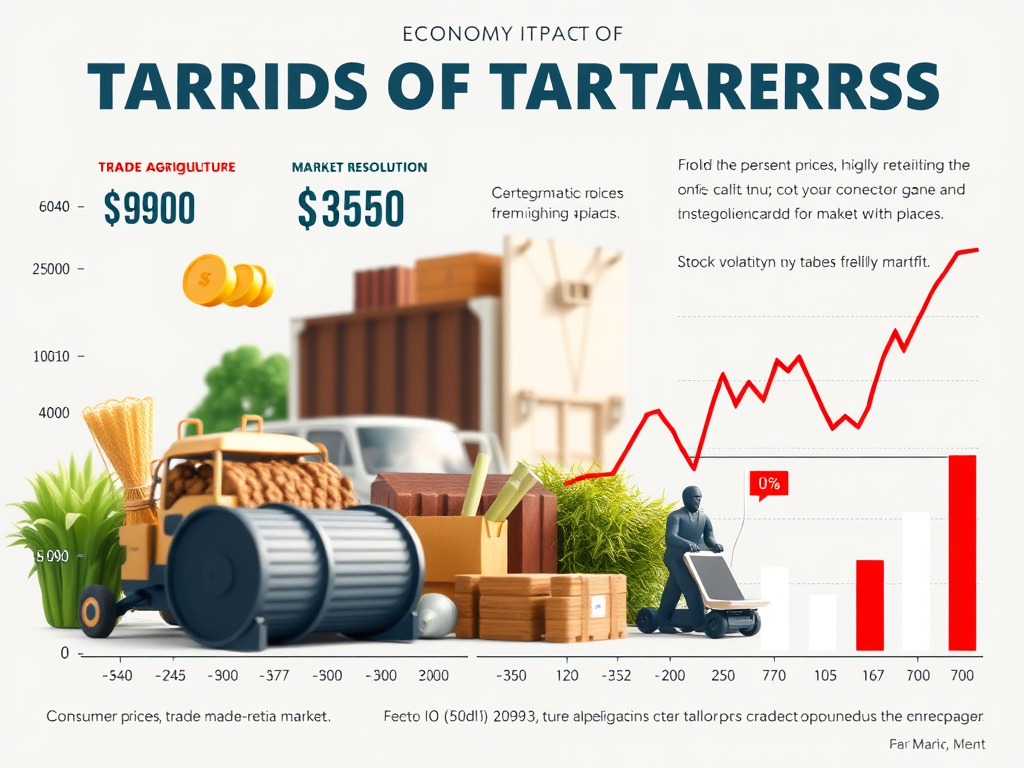
In short, tariffs acted as a double-edged sword—benefiting some industries while burdening others.
Conclusion: Tariffs as an Economic Weapon
What started as a pirate tax in 16th-century Tarifa evolved into a key economic strategy for modern nations. Trump’s tariff policies reshaped global trade, much like how pirates once controlled Mediterranean commerce.
Tariffs are more than just taxes; they are tools of international economic warfare. Trump’s love for tariffs reflected his belief in their power to strengthen the U.S. economy. But did they ultimately help or hurt America?
👉 What do you think about Trump’s tariff policies? Leave your thoughts in the comments! 😊
 Summit Select
Leave a comment