Introduction: AI, Revolutionizing Our Everyday Lives
Artificial intelligence (AI) was once confined to research labs or science fiction. Today, AI is integrated into our daily lives, powering various tools and services.
Examples abound, from voice assistants like Siri and Google Assistant to personalized shopping recommendations on platforms like Amazon and Naver. AI has become a transformative force, reshaping how we interact with technology.
Beyond these familiar examples, AI is making waves in writing, image generation, and marketing, unlocking new possibilities. This article explores how AI is revolutionizing these fields and what it means for the future.
1. AI Writing Tools
1-1. How AI Writing Tools Work
AI writing tools are powered by natural language processing (NLP), a branch of AI designed to understand, interpret, and generate human language. These tools analyze vast amounts of text data and use this knowledge to create well-structured and grammatically correct content.
Users simply input a topic or keywords, and the tool generates high-quality articles, blogs, emails, and more.
1-2. Practical Applications of AI Writing
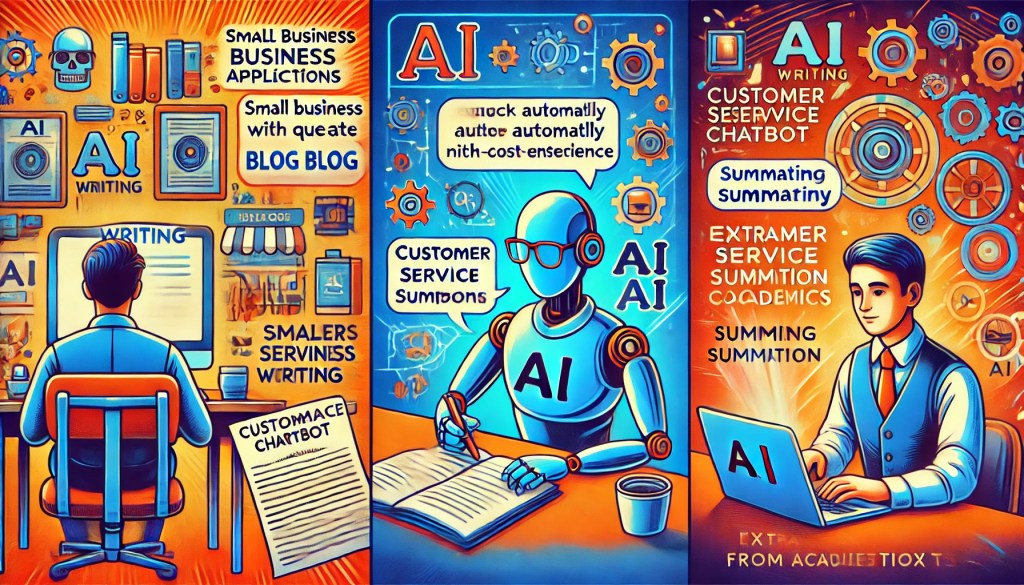
- Content Marketing:
Small businesses save time and money by using AI to generate blog posts and social media content quickly. - Customer Service:
Chatbots powered by AI draft natural and effective responses to customer inquiries. - Academic Summaries:
AI tools condense academic papers or complex texts into concise summaries, highlighting key information.
Stream Your Favorites Faster & Better! 📺
Why wait? Upgrade to Amazon Fire TV and enjoy lightning-fast streaming and thousands of apps at your fingertips. It’s time to level up your TV game! 🚀
✨ [Check Price on Amazon.com (USA)]
✨ [Check Price on Amazon.ca (Canada)]
1-3. Pros and Cons: A Real-World Perspective
- Pros:
- Time-Saving: Tasks that took hours are completed in minutes.
Example: Automating business email drafts. - Multilingual Capability: AI can generate content in multiple languages.
Example: Writing blogs for global audiences.
- Time-Saving: Tasks that took hours are completed in minutes.
- Cons:
- Lack of Creativity: Generated content may lack originality or nuance.
Example: Limited diversity in style for creative writing like novels. - Ethical Concerns: AI can be misused to create biased or false content.
Example: Generating fake news.
- Lack of Creativity: Generated content may lack originality or nuance.
2. AI Image Generation
2-1. The Basics of AI Image Generation
AI image generation is built on deep learning algorithms, particularly GANs (Generative Adversarial Networks). These networks consist of two components: a generator and a discriminator. Together, they refine and improve the generated images to create realistic and unique visuals.
2-2. Real-Life Applications of Image Generation
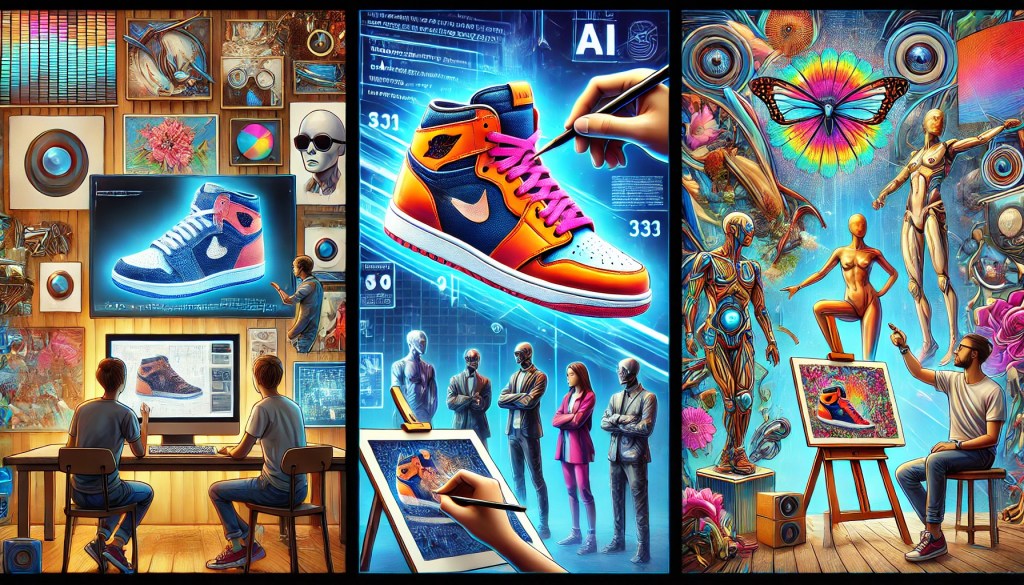
- Advertising and Branding:
AI generates visuals tailored for advertising campaigns. For instance, Nike used AI-generated graphics to design innovative visuals for their product launches. - Art and Design:
Digital artists use AI to create unique artwork. Some AI-generated pieces have even sold for millions at auctions. - Game and Film Production:
AI streamlines the creation of character designs and scenic backdrops, saving production time while enhancing creativity.
2-3. Popular AI Image Generation Tools
- DALL-E: A tool that creates visuals based on text inputs.
- MidJourney: Known for its artistic and aesthetically pleasing results.
- Runway ML: Specializes in video content creation with AI.
2-4. Challenges and Ethical Issues
- Copyright Issues: Concerns arise when AI-generated images resemble existing works or use unauthorized material.
- Social Responsibility: The creation of unrealistic or misleading visuals can lead to public confusion or harm.
3. AI in Marketing
3-1. What Is AI Marketing?
AI marketing involves analyzing customer data to develop optimized strategies. By understanding customer preferences, behavior, and purchase history, AI personalizes marketing efforts and improves effectiveness.
3-2. Key Applications of AI Marketing
- Personalized Ads:
Platforms like Netflix analyze user viewing data to recommend content tailored to individual tastes. - Automated Customer Interactions:
AI-powered chatbots provide 24/7 support, answering questions and resolving issues in real-time. - Predictive Analytics:
AI predicts products a customer might buy and sends personalized offers to boost sales.
3-3. Successful AI Marketing Examples
- Amazon:
Uses AI to recommend products based on customer browsing and purchase history, increasing conversion rates. - Starbucks:
Optimizes inventory and promotions by analyzing sales data across stores with AI.

3-4. Limitations and Solutions
- Limitations:
- Potential misuse of customer data raises privacy concerns.
- Excessive automation might reduce human connection.
- Solutions:
- Transparent policies for data usage.
- Balanced collaboration between AI and human marketers.
Conclusion: How AI Is Shaping the Future
AI is more than just a tool—it’s a transformative force altering how we work and live. While AI enhances efficiency and productivity, understanding its strengths and limitations is key to leveraging it effectively.
Embrace AI tools in your workflow to boost creativity and achieve better results. The future belongs to those who adapt and innovate with these technologies.
Closing: Feedback and Communication
If this article helped you understand AI better, we’d love to hear from you!
What topics do you want to explore next? Leave your feedback or suggestions in the comments below. Your input helps us create even more valuable content tailored to your interests.
“For effective winter skin care, you need a routine you can stick to. I found that applying [CeraVe Moisturizing Cream] followed by a [COSRX Snail Essence] mask, while watching Korean shows through this [Amazon TV Kit], makes the process so much more enjoyable. I highly recommend trying this relaxing combo!”https://amzn.to/3NP2CSS, https://amzn.to/4t7CuTF, https://amzn.to/4k6m8GQ
Stream Your Favorites Faster & Better! 📺
Why wait? Upgrade to Amazon Fire TV and enjoy lightning-fast streaming and thousands of apps at your fingertips. It’s time to level up your TV game! 🚀
 Summit Select
Leave a comment