
Why Do You Need an Emergency Fund?
“Do I really need an emergency fund?” This is a question many people ask. The answer is simple: Yes, you do! An emergency fund serves as your financial safety net during unexpected situations such as job loss, sudden medical expenses, or car repairs. It ensures you and your family remain secure in times of crisis.

What’s the Right Amount for an Emergency Fund?
Financial experts generally recommend saving three to six months’ worth of living expenses as an emergency fund. However, this can vary based on individual circumstances. Here’s how to determine the right amount for your needs:
- Calculate Your Average Monthly Expenses
Add up essential costs like rent, utilities, transportation, and groceries to calculate your monthly spending.- Example: If your monthly expenses are $2,000, you’ll need $6,000 to $12,000 for an emergency fund.
- Evaluate Job Stability
If your job is stable, saving three months’ expenses might suffice. However, freelancers or business owners with variable income should aim for six months or more. - Consider Family Responsibilities
If you have dependents, plan for a larger emergency fund. Family needs can deplete funds quickly, so it’s wise to be prepared.
Where Should You Keep Your Emergency Fund?
Accessibility is key when it comes to storing your emergency fund. However, it shouldn’t be so accessible that you’re tempted to spend it unnecessarily.
- High-Yield Savings Accounts
These accounts provide easy access to your funds while offering higher interest rates than traditional checking accounts. - Money Market Funds (MMFs)
MMFs offer slightly better returns than savings accounts and can be liquidated quickly if needed. - Avoid Long-Term Investments
Emergency funds should always be readily available. Avoid locking them into fixed deposits or stocks that carry penalties or risks.
Real-Life Story: How an Emergency Fund Became a Lifesaver
Meet John, a 30-something professional who unexpectedly lost his job. With his emergency fund, he covered his rent and daily expenses while actively job hunting. “Without my emergency fund, I would’ve racked up credit card debt. It gave me peace of mind and allowed me to focus on finding a new role,” he shared.

Practical Tips for Building Your Emergency Fund
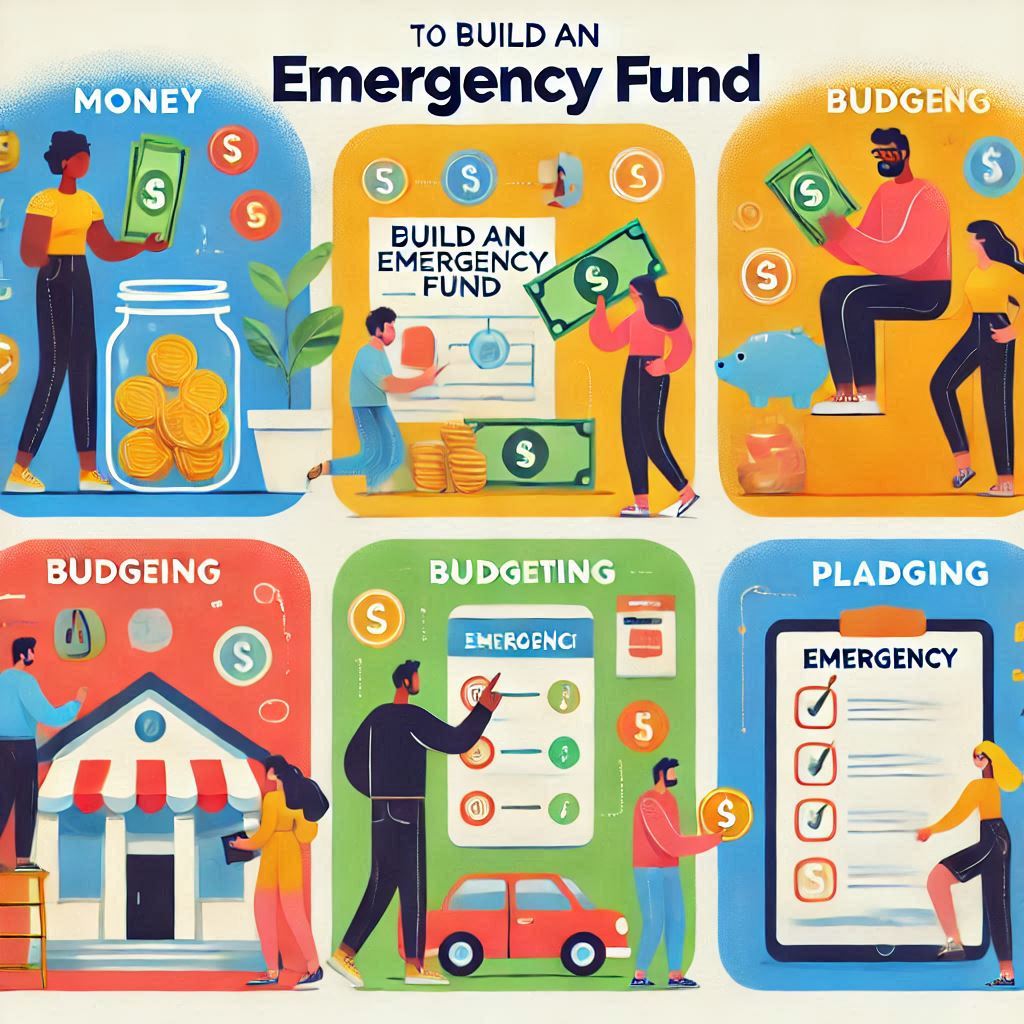
“Where do I even start?” Don’t worry—here are some realistic steps to help you build your emergency fund:
- Save 10% of Your Income
Set up an automatic transfer of a small portion of your paycheck into a savings account. Over time, even small contributions add up. - Cut Unnecessary Expenses
Skip that daily latte or dine out less often. You’ll be surprised how quickly the savings add up. - Use Bonuses and Tax Refunds
Allocate any extra income directly to your emergency fund.
Common Myths About Emergency Funds
- “Only wealthy people can afford an emergency fund.”
Not true! Starting small and building consistently is the key, regardless of income level. - “I can invest my emergency fund for better returns.”
Emergency funds should never be at risk. Investments like stocks or crypto are unsuitable for this purpose due to potential losses.
Engage With Us: What’s Your Emergency Fund Plan?
Do you already have an emergency fund, or are you planning to start one? Share your experiences in the comments below! Let’s exchange tips and inspire each other to take control of our finances.
Conclusion: Today Is the Day to Secure Your Future
An emergency fund isn’t just about saving money—it’s about preparing for life’s uncertainties and gaining peace of mind.
Take the first step today. Start small, but start now. Your future self will thank you.
Stream Your Favorites Faster & Better! 📺
Why wait? Upgrade to Amazon Fire TV and enjoy lightning-fast streaming and thousands of apps at your fingertips. It’s time to level up your TV game! 🚀
 Summit Select
Leave a comment