Introduction: Why Do You Need Emergency Savings?
Life is full of surprises—both pleasant and not-so-pleasant. Unexpected medical bills, sudden unemployment, or urgent family matters can arise at any moment. This is why having an emergency fund is essential. It’s more than just extra cash; it’s your financial shield against life’s uncertainties.
But where should you store your emergency fund? Keeping cash at home or in a standard savings account might not be the most efficient or secure option. In this article, we’ll explore smart financial products designed to help you manage your emergency savings effectively. We’ll provide actionable tips and insights to ensure your funds are safe, accessible, and even earning some interest.
1. Key Criteria for Choosing Emergency Savings Options
① Liquidity
Emergency savings should be readily available. Whether it’s a sudden car repair or a medical emergency, you need quick access to your funds. Financial products with high liquidity ensure that your money is just a click away.
② Safety
Your emergency fund must be low-risk. Investments like stocks or cryptocurrencies may offer high returns but are too volatile for emergency purposes. Focus on products that guarantee the safety of your principal.
③ Growth
While growth isn’t the primary goal of emergency savings, earning some interest can help offset inflation and maintain your purchasing power. Look for products with stable returns and low risk.

2. Top 5 Financial Products for Emergency Savings
① High-Yield Savings Accounts
A high-yield savings account (HYSA) is a popular choice for emergency funds. These accounts typically offer higher interest rates than standard savings accounts and provide easy access to your money.
- Pros:
- Competitive interest rates
- Easy withdrawals with no penalties
- Cons:
- Lower returns compared to investments
- Ideal For:
Short-term emergency savings that you might need at a moment’s notice.
💡 Tip: Online banks often offer the highest rates for HYSAs. Compare options to find one that best suits your needs.
② Money Market Accounts (MMAs)
MMAs are a hybrid between a savings account and a checking account, offering higher interest rates along with some flexibility in accessing your funds.
- Pros:
- Higher interest than regular savings accounts
- Limited check-writing or debit card access
- Cons:
- Some accounts have minimum balance requirements
- Ideal For:
People looking for higher returns with moderate liquidity.
💡 Tip: Check for accounts with no monthly fees or minimum deposit requirements to maximize your earnings.
③ Certificates of Deposit (Short-Term CDs)
Short-term CDs are fixed-term deposit accounts with guaranteed interest. They are a safe option for emergency funds you don’t plan to use in the immediate future.
- Pros:
- Guaranteed returns with fixed interest rates
- Principal is safe
- Cons:
- Early withdrawal penalties
- Ideal For:
Emergency funds that won’t be needed for at least a few months.
💡 Tip: Ladder your CDs to ensure access to your money at regular intervals while still benefiting from higher interest rates.
④ Treasury Bills (T-Bills)
Treasury bills are short-term government securities that offer guaranteed returns and safety. They are an excellent low-risk option for emergency funds.
- Pros:
- Government-backed security
- Higher returns than typical savings accounts
- Cons:
- Not as liquid as savings accounts (can take a few days to sell)
- Ideal For:
Medium-term emergency funds for risk-averse savers.
💡 Tip: Use an online broker to purchase T-Bills easily and manage them alongside other investments.
⑤ Emergency-Specific Banking Accounts
Some banks offer accounts tailored specifically for emergency savings. These accounts often come with perks like higher interest rates or linked overdraft protection.
- Pros:
- Designed for easy access in emergencies
- May include budgeting tools
- Cons:
- Limited to specific banks or programs
- Ideal For:
Individuals who want a dedicated place for their emergency fund.
💡 Tip: Ask your bank about special emergency fund accounts, as these often come with additional benefits like waived fees or promotional rates.
3. Important Tips for Managing Emergency Savings
① Don’t Put All Your Eggs in One Basket
Split your emergency fund across different products. For example, keep part in a high-yield savings account for quick access and the rest in a short-term CD or T-Bill for better returns.
② Keep It Accessible
Choose products that allow you to access funds easily when needed. Online banking and mobile apps make managing your emergency savings hassle-free.
③ Avoid Chasing High Returns
Your primary goal is to keep your emergency fund safe. High-risk investments might promise more returns but can jeopardize the security of your funds.
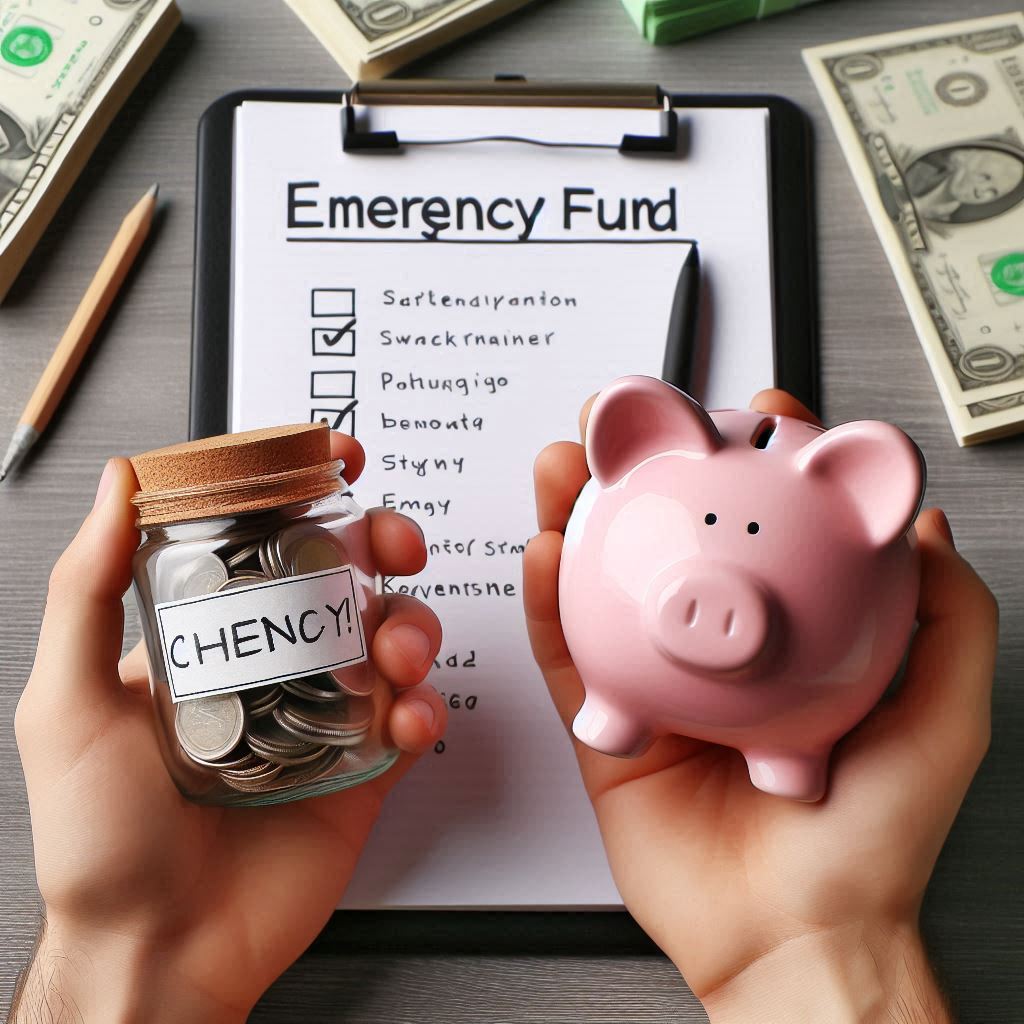
4. How Much Emergency Savings Do You Need?
Experts recommend saving three to six months’ worth of living expenses. For example, if your monthly expenses are $3,000, aim for an emergency fund of $9,000 to $18,000.
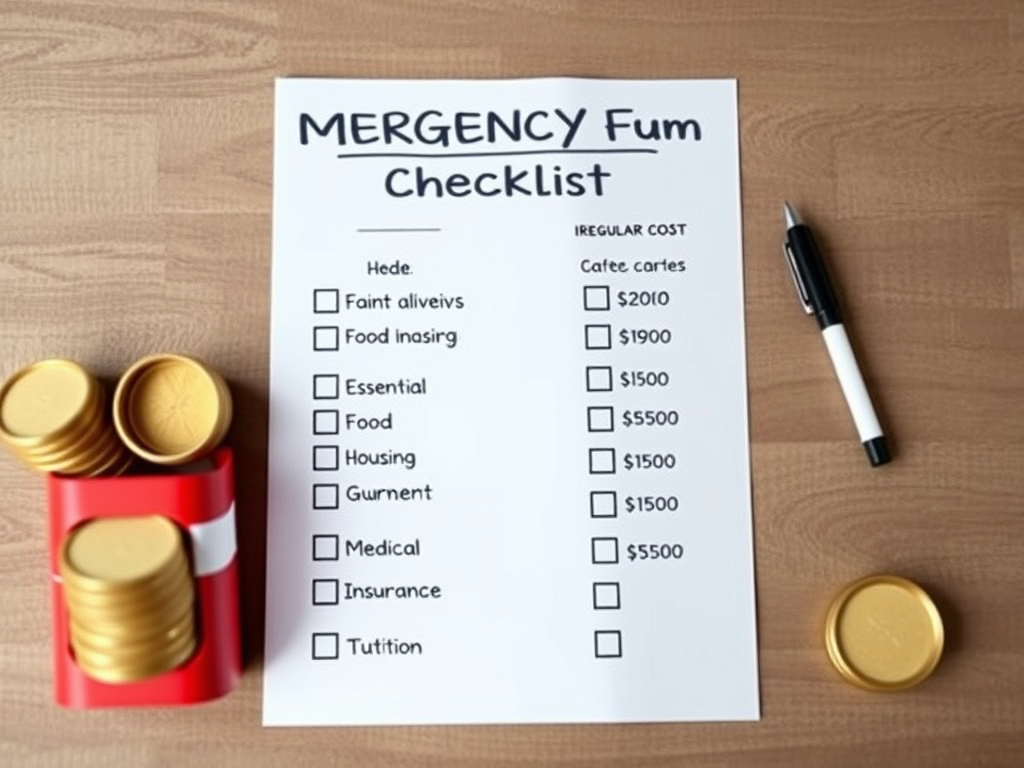
💡 Checklist:
- Essential expenses: Rent, groceries, utilities
- Irregular costs: Medical bills, insurance premiums
Conclusion: Build Your Financial Safety Net Today
An emergency fund isn’t just a safety measure; it’s peace of mind. Whether you choose a high-yield savings account, a money market account, or a combination of options, having a well-managed emergency fund can help you face unexpected challenges confidently.
Start securing your future today by setting up your financial safety net. With the right strategy, your emergency fund will be ready whenever life throws you a curveball.
Stream Your Favorites Faster & Better! 📺
Why wait? Upgrade to Amazon Fire TV and enjoy lightning-fast streaming and thousands of apps at your fingertips. It’s time to level up your TV game! 🚀
 Summit Select
Leave a comment