
Introduction: Why Is “Für Elise” Loved Worldwide?
“Für Elise” is one of the most beloved classical piano pieces globally. Its simple yet enchanting melody and Beethoven’s unique depth of emotion resonate with listeners of all ages. From beginner piano students to seasoned performers, this timeless piece holds a special place in the hearts of many. But what exactly makes “Für Elise” so enduringly popular? In this article, we’ll explore the background, musical characteristics, widespread appeal, and practical tips for mastering this masterpiece.
1. The Story Behind “Für Elise” and Beethoven’s Genius
① Beethoven: The Revolutionary of Classical Music
Ludwig van Beethoven was one of the most significant composers in history, bridging the Classical and Romantic eras with his groundbreaking works. Despite losing his hearing, Beethoven composed masterpieces that continue to inspire. “Für Elise,” believed to have been composed in 1810, represents a period of relative stability in his creative journey.

② The Mystery of ‘Elise’: Who Was She?
The identity of “Elise” remains a mystery. Scholars speculate that Therese Malfatti, a student and possible love interest of Beethoven, might have been the inspiration. However, some even question whether Elise was a real person. This unsolved enigma adds to the piece’s allure.
③ A Hidden Gem Discovered Posthumously
Interestingly, “Für Elise” was not published during Beethoven’s lifetime. It was only discovered and brought to light nearly 40 years after his death, subsequently gaining recognition as one of classical music’s most iconic pieces.
2. The Musical Beauty of “Für Elise”
① A Simple Yet Memorable Melody
The opening theme of “Für Elise” is simple yet unforgettable, set in A minor. The repetitive melody provides a sense of familiarity and comfort, drawing listeners into its delicate charm.
② Dramatic Shifts in the Middle Section
While the beginning is gentle, the middle section introduces dramatic harmonic shifts and rhythmic variations. This contrast highlights Beethoven’s signature emotional depth and flair for dynamic storytelling.
③ A Piece for All Skill Levels
“Für Elise” is ideal for beginners due to its straightforward structure and manageable technical demands. For advanced pianists, it offers an opportunity to delve deeper into expression and nuance, making it a timeless favorite for all skill levels.
3. Why Is “Für Elise” So Popular?
① Familiarity and Accessibility
One reason for its widespread popularity is its familiarity. “Für Elise” is often featured in films, TV shows, and advertisements, making it one of the most recognizable classical pieces.
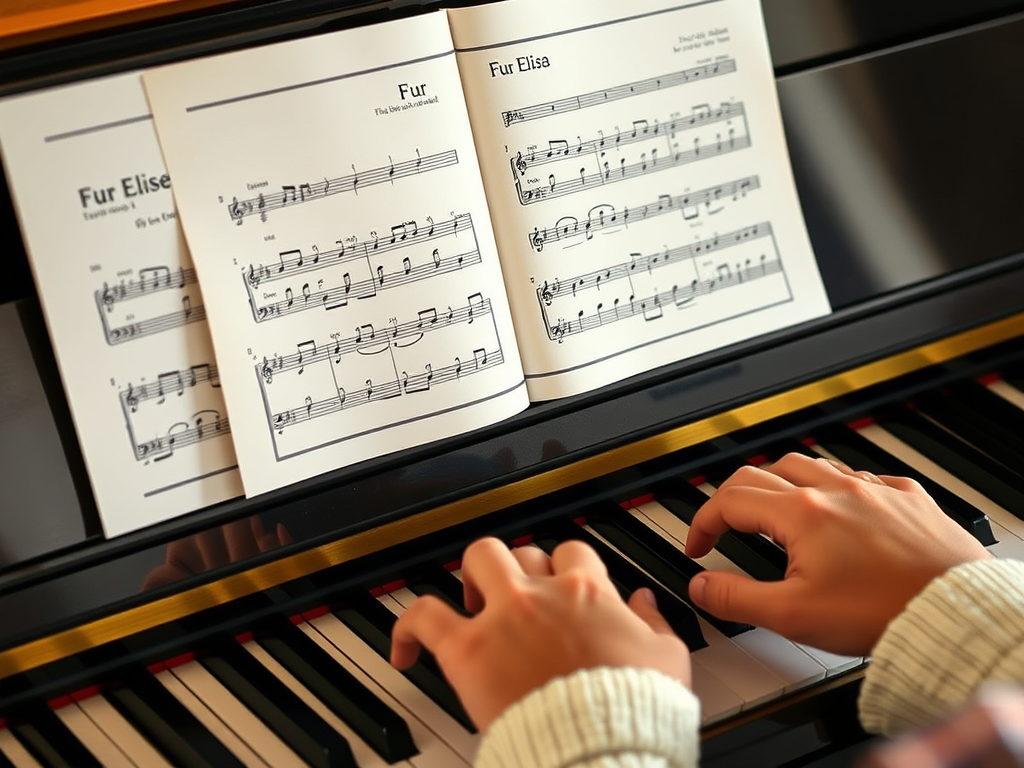
② Emotional Resonance
Despite its simplicity, the piece captures a spectrum of emotions—from wistful sadness to hopeful optimism. This emotional range allows both performers and listeners to connect deeply with the music.
③ Educational Value
Music students worldwide learn “Für Elise” as a staple in their early training. Its repetitive patterns and moderate difficulty make it an excellent piece for developing foundational piano skills.
4. Fascinating Facts About “Für Elise”
① A YouTube Star Among Classical Pieces
“Für Elise” consistently ranks among the most viewed classical music videos on YouTube, with millions of plays, demonstrating its enduring appeal in the digital age.
② A Romantic Gesture in Music
Many believe the piece was Beethoven’s way of expressing love, adding a layer of romantic intrigue to its already captivating melody.

③ One of the Most Arranged Classical Pieces
From jazz to EDM and even rock, “Für Elise” has been reimagined in countless styles, showcasing its versatility and timeless charm.
5. Tips for Learning and Playing “Für Elise”
① Practice Slowly and Consistently
Beginners should focus on the first theme, practicing slowly to master finger placement and rhythm. Using a metronome helps maintain steady timing.
② Focus on the Middle Section
The middle section requires careful attention to hand independence. Practice the right-hand melody and left-hand accompaniment separately before combining them.
③ Play with Emotion
Beyond hitting the right notes, bring out the piece’s emotional depth. Focus on conveying the story and feelings Beethoven may have intended.
6. Beyond a Piece: The Legacy of “Für Elise”
① A Gateway to Classical Music
As an introduction to the beauty of classical music, “Für Elise” bridges the gap between complexity and accessibility, inviting listeners to explore more of Beethoven’s works.
② More Than a Practice Piece
“Für Elise” is not just a practice piece; it’s an artistic treasure that allows pianists to tell their own stories through its timeless melody.

Conclusion: “Für Elise,” a Musical Gift for Everyone
“Für Elise” exemplifies the essence of classical music—a blend of technical elegance and emotional depth. Beethoven’s genius and heartfelt expression resonate in every note, offering something meaningful to beginners and experts alike. Sit at the piano today, play “Für Elise,” and immerse yourself in the timeless beauty of classical music.
Please don’t forget to leave a review.
“For effective winter skin care, you need a routine you can stick to. I found that applying [CeraVe Moisturizing Cream] followed by a [COSRX Snail Essence] mask, while watching Korean shows through this [Amazon TV Kit], makes the process so much more enjoyable. I highly recommend trying this relaxing combo!”https://amzn.to/3NP2CSS, https://amzn.to/4t7CuTF, https://amzn.to/4k6m8GQ
 Summit Select
Leave a comment