
1. What Is the Turkish March? A Simple Introduction
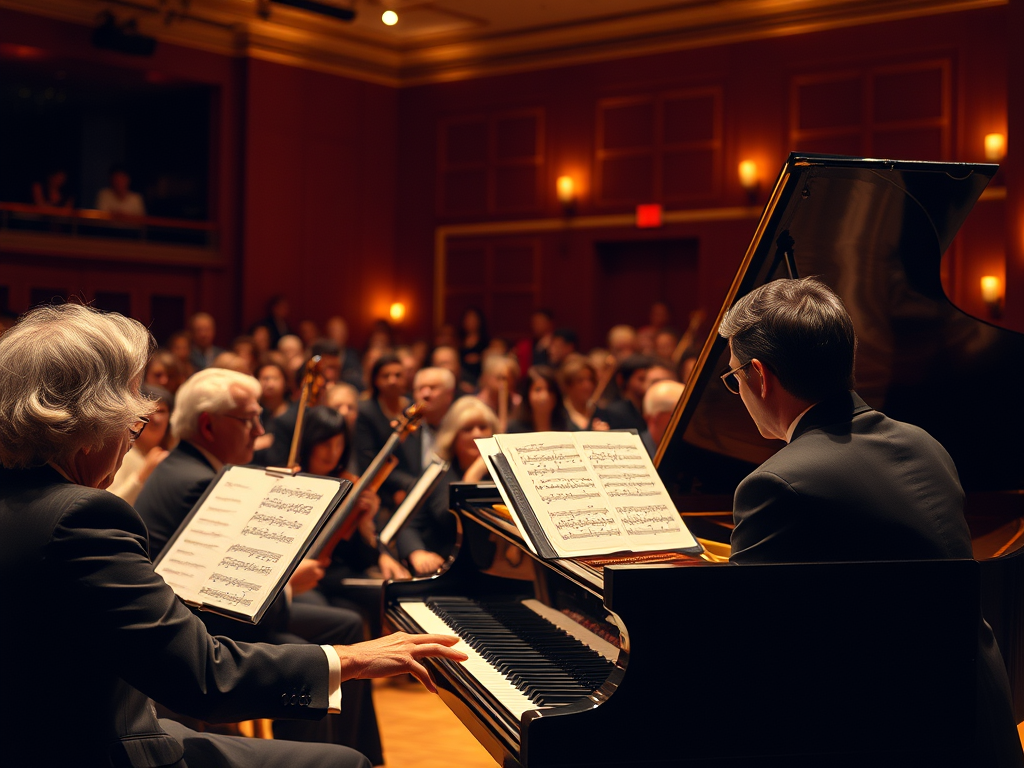
The Turkish March (Rondo Alla Turca) is the third movement of Mozart’s Piano Sonata No. 11 in A Major, K. 331. Known for its lively and memorable melody, it is one of the most beloved pieces in classical music. The work incorporates Turkish-inspired rhythms and styles, creating a distinctive charm that captivates listeners of all ages. Its accessibility makes it a favorite even among those new to classical music.

2. Mozart’s Life and Musical Journey
The Prodigy’s Early Years
Wolfgang Amadeus Mozart (1756–1791) was born in Salzburg, Austria, and displayed exceptional musical talent from an early age. By the age of five, he had composed his first piece, and by six, he was performing across Europe. Mozart’s genius lay not only in his technical skills but also in his ability to infuse emotion and creativity into his compositions.
The Versatile Genius of Mozart
Mozart composed masterpieces in nearly every musical genre, including symphonies, concertos, operas, and chamber music. His works epitomize the elegance and balance of the Classical era while showcasing innovative techniques that influenced generations of composers.
3. The Origin and Historical Context of the Turkish March
The Turkish March was composed during the late 18th century when Turkish music, particularly that of the Ottoman Janissary bands, greatly influenced European culture. Known for their dynamic rhythms and exotic sounds, these bands inspired many European composers to incorporate Turkish elements into their works.
Mozart’s Rondo Alla Turca reflects this trend, blending the vibrant Turkish style with his classical sensibilities. The piece serves as the finale to Piano Sonata No. 11, combining playfulness and sophistication in a way only Mozart could achieve.
4. Musical Features of the Turkish March
Lively Rhythms and Unique Melodies
The Turkish March is characterized by its energetic and bouncy rhythm, which captures the essence of a lively parade. The repetitive and catchy melody makes it instantly recognizable and enjoyable for listeners.
The Fusion of Turkish Style and European Classical Music
The piece incorporates rhythmic patterns and percussive effects inspired by Turkish Janissary bands. These elements are seamlessly blended with Mozart’s classical style, showcasing his ability to create music that is both innovative and universally appealing.
5. Why Is the Turkish March So Popular?
Perfect for Classical Music Beginners
The Turkish March is simple yet captivating, making it an ideal introduction to classical music. Its cheerful and approachable melody ensures that even those unfamiliar with the genre can appreciate it.
Its Use in Various Genres and Cultures
This piece extends beyond the concert hall. It has appeared in movies, advertisements, and even animated shows, solidifying its place in popular culture. Its versatility allows it to resonate with a broad audience.

6. The Turkish March’s Influence Today
Appearances in Pop Culture and Media
The Turkish March is frequently featured in films, commercials, and other media due to its upbeat and playful nature. Its ability to complement diverse contexts ensures its continued relevance in modern times.
A Must-Learn Piece for Beginner Pianists
The Turkish March is often included in the repertoire for piano students. While it may seem simple, its quick tempo and intricate fingerwork provide an excellent challenge for developing technical skills.
7. Comparing the Turkish March with Mozart’s Other Masterpieces
While the Turkish March is lighthearted and fun, other Mozart works, such as the Jupiter Symphony or Requiem Mass, demonstrate his ability to convey grandeur and depth. Each piece reflects a different facet of his genius, from the playful to the profound.
8. How to Appreciate the Turkish March: Tips for Beginners
- Understand the Context: Knowing that the piece draws inspiration from Turkish military music can deepen your appreciation.
- Explore Various Interpretations: Listen to traditional piano performances and modern orchestral arrangements to discover different perspectives.
- Hum Along: The memorable melody makes it easy to engage with the music and feel connected to it.
9. Inspiration from Mozart and His Timeless Music
Mozart’s music is a testament to the power of creativity and passion. The Turkish March exemplifies his talent for blending innovation with universal appeal. This piece not only entertains but also inspires listeners and performers to explore the beauty of classical music.
Conclusion
Mozart’s Turkish March is more than just a delightful classical piece; it is a gateway to the rich world of classical music. Its lively rhythms and unforgettable melodies continue to bring joy to audiences worldwide. For beginners, it offers an accessible entry point into Mozart’s genius, while for seasoned listeners, it reaffirms the timeless appeal of his work.
Whether you’re a newcomer to classical music or a lifelong fan, the Turkish March is a piece that deserves a place in your musical journey.
Stream Your Favorites Faster & Better! 📺
Why wait? Upgrade to Amazon Fire TV and enjoy lightning-fast streaming and thousands of apps at your fingertips. It’s time to level up your TV game! 🚀
 Summit Select
Leave a comment