Introduction: The Secrets to a Long Life
Longevity isn’t just about living a long life—it’s about living well, staying healthy, and being happy along the way. But what does it take to achieve this balance? The secret lies in the everyday habits we adopt.
Consider this: the people of Okinawa, Japan, have one of the longest average lifespans in the world. Their success is credited to a plant-based diet, regular exercise, and a strong sense of community. Similarly, in Skogsnäs, Sweden, residents practice daily meditation to reduce stress. These examples show that small but meaningful lifestyle changes can significantly impact health and longevity.
In this article, we’ll explore scientifically proven habits for longevity and provide practical tips to incorporate them into your life. Let’s get started on your journey to a healthier, longer life!
The Importance of a Balanced Diet
Key Characteristics of a Longevity Diet
A balanced diet is a cornerstone of a long and healthy life. Here’s what makes a longevity diet effective:
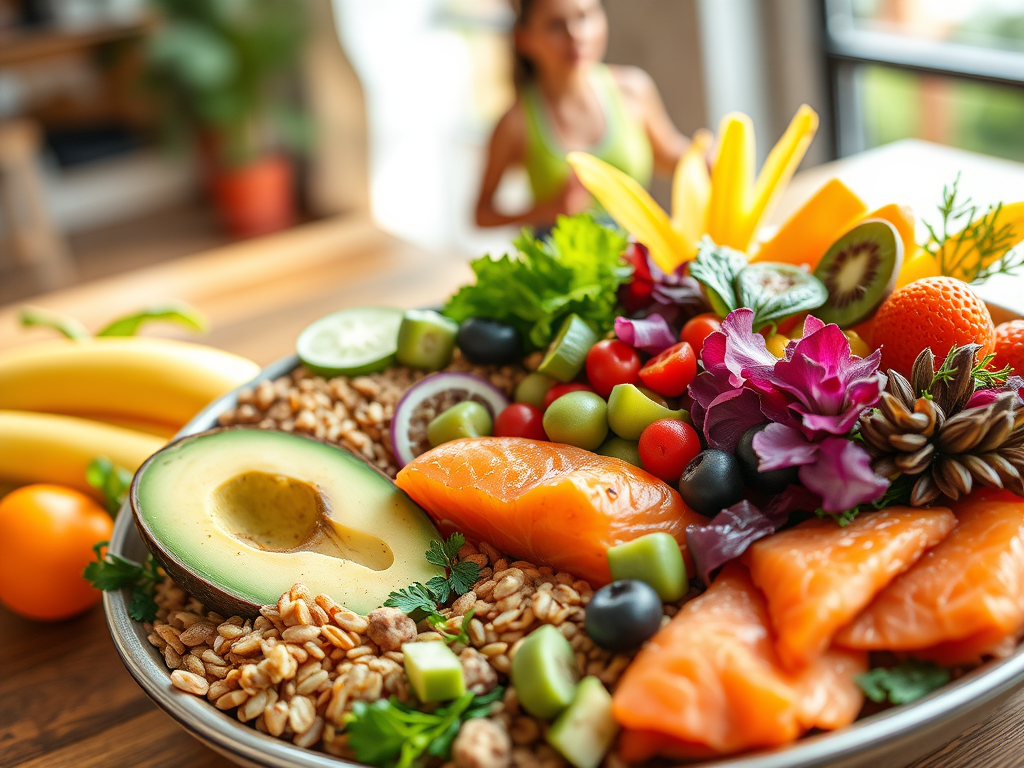
- Fruits and Vegetables: Aim for five different colors daily. For instance, broccoli provides essential vitamins like C and K, while blueberries are rich in antioxidants that combat inflammation.
- Whole Grains: Swap white rice for whole grains like quinoa or brown rice to stabilize blood sugar levels.
- Healthy Fats: Foods like avocado, salmon, and nuts are rich in omega-3 fatty acids, which are crucial for heart health.
- Fermented Foods: Include yogurt, kimchi, or miso for gut health and better digestion.
Simple Meal Ideas
- Breakfast: Avocado toast topped with a boiled egg and a side of fresh blueberries.
- Lunch: Grilled salmon with quinoa salad and a lemon vinaigrette.
- Dinner: Whole wheat pasta with sautéed broccoli and garlic.
By integrating these simple yet nutritious meal ideas into your routine, you can take the first step toward better health.
Exercise and Physical Activity
Benefits and Practical Tips for Staying Active
Exercise isn’t just about losing weight—it’s about enhancing heart health, boosting immunity, and reducing stress.
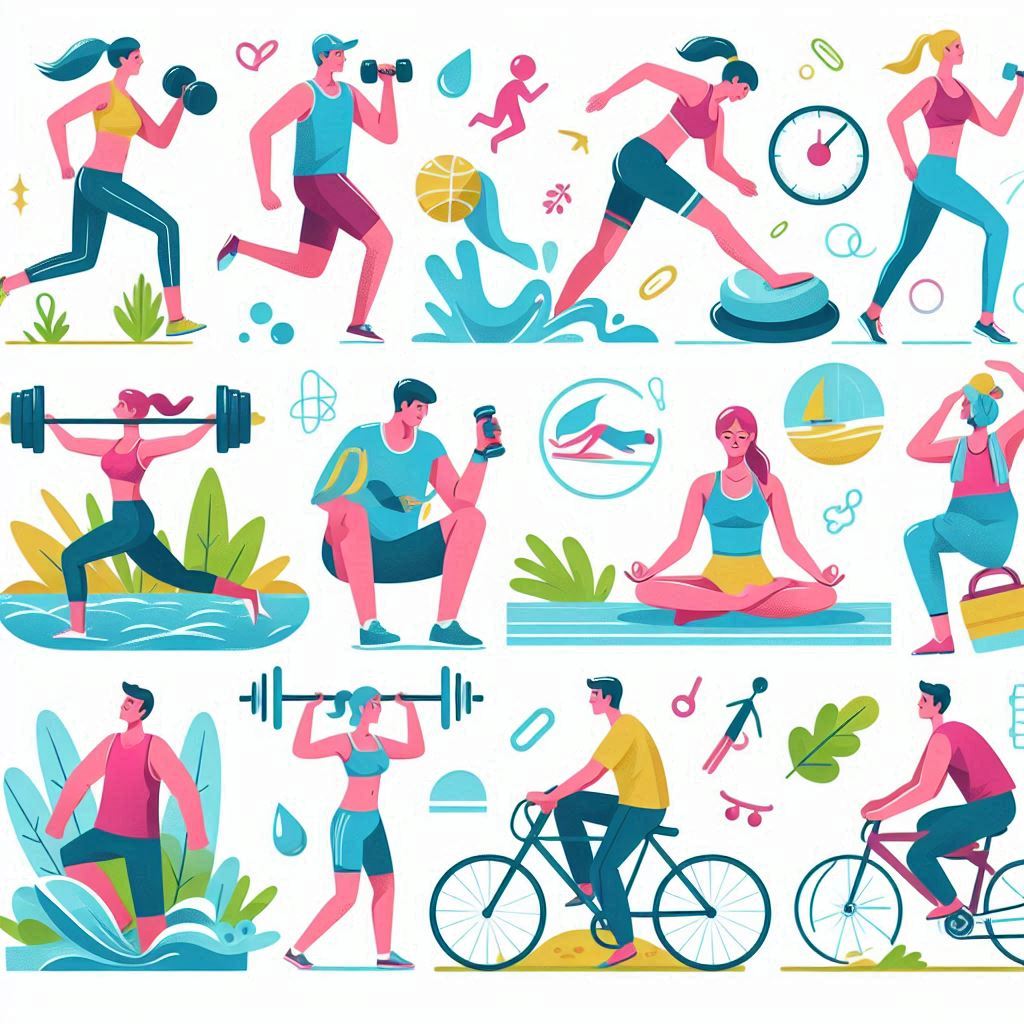
- Aerobic Exercise: Walking, jogging, or swimming improves cardiovascular health and circulation.
- Strength Training: Simple movements like push-ups and squats help maintain muscle mass.
- Flexibility Training: Yoga or Pilates ensures joint health and prevents injuries.
Actionable Exercise Guide
- 20-Minute Walks: Take a brisk walk during your lunch break to improve blood flow.
- 3 Sets of Strength Exercises: Dedicate 10 minutes daily to squats, push-ups, and planks.
- Beginner Yoga: Follow beginner-friendly yoga videos three times a week to reduce stress and improve posture.
Mental Health and Stress Management
Effective Techniques for Managing Stress
Stress is often called the “silent killer” because of its profound impact on physical health. Here are some ways to manage it effectively:
- Meditation and Breathing Exercises: Dedicate 10 minutes each morning to deep breathing. The “4-7-8” breathing technique (inhale for 4 seconds, hold for 7 seconds, exhale for 8 seconds) can quickly calm the mind.
- Nature Walks: Spending time in nature lowers cortisol levels and restores mental clarity.
- Gratitude Journaling: Write down three things you’re grateful for each day to foster a positive outlook.
Recommended Times and Methods
- Morning: Start your day with meditation to set a calm tone.
- Evening: Use gratitude journaling or calming exercises to relax before bed.
The Link Between Quality Sleep and Longevity
Tips for Creating an Ideal Sleep Environment
Good sleep is a vital ingredient for longevity. Follow these tips to ensure better rest:
- Temperature Control: Keep your bedroom cool, around 65–68°F (18–20°C), for optimal sleep.
- Lighting Adjustments: Dim the lights and avoid blue light exposure an hour before bedtime.
- Comfortable Bedding: Invest in a supportive mattress and pillows to improve sleep quality.

Sample Nighttime Routine
- Unwind with Tea: Enjoy a cup of chamomile tea an hour before bed.
- Tech-Free Time: Put away your phone or tablet at least 30 minutes before bedtime.
The Role of Social Connections
Practical Examples and How to Stay Connected
- Family Activities: Plan weekend outings like hiking or biking with your family.
- Community Involvement: Join local clubs or volunteer for causes you care about.
- Weekly Calls: Schedule regular video calls with friends or relatives who live far away.
Strong relationships not only reduce stress but also increase happiness and overall life satisfaction.
The Importance of Regular Health Checkups
Health Screenings and Their Benefits
- Blood Pressure Checks: Prevent heart disease and stroke with regular monitoring.
- Blood Sugar Tests: Early detection of diabetes allows for effective management.
- Cancer Screenings: Early detection of breast, colon, or lung cancer significantly increases treatment success rates.
Regular checkups act as a safety net, ensuring that potential health issues are caught early.
The Necessity of Quitting Smoking and Alcohol Moderation
Statistics and Evidence
- Smoking: According to the WHO, smokers are 10 years more likely to die earlier than non-smokers.
- Alcohol: Excessive drinking doubles the risk of liver cirrhosis and dementia.
Making healthier lifestyle choices can dramatically improve your quality of life.
Small Everyday Habits for Big Health Gains
Easy-to-Follow Stretching Moves
- Neck Stretch: Gently roll your neck side to side for five seconds each way.
- Wrist Circles: Rotate your wrists to relieve tension from typing.
- Back Stretch: Reach your arms overhead and lean backward gently to stretch your spine.
Incorporating simple movements like these can make a big difference over time.
Conclusion: Change Starts with Action
Every tip for a longer, healthier life begins with action. Whether it’s adding one vegetable to your meals or walking for 10 minutes a day, these small steps build into significant changes. Start small, stay consistent, and watch your life transform. Your future self will thank you!
“For effective winter skin care, you need a routine you can stick to. I found that applying [CeraVe Moisturizing Cream] followed by a [COSRX Snail Essence] mask, while watching Korean shows through this [Amazon TV Kit], makes the process so much more enjoyable. I highly recommend trying this relaxing combo!”https://amzn.to/3NP2CSS, https://amzn.to/4t7CuTF, https://amzn.to/4k6m8GQ
 Summit Select
Leave a comment