
1. What Is an Emergency Fund?
An emergency fund is a financial safety net set aside for unexpected expenses or emergencies, such as medical bills, job loss, or urgent home repairs. Often referred to as a “Rainy Day Fund,” it ensures you have the resources to handle unforeseen situations without derailing your financial stability. Unlike regular savings, an emergency fund is specifically meant to be easily accessible and reserved only for urgent needs.

2. Why an Emergency Fund Is Essential
Preparing for Unexpected Situations
Life is unpredictable. Sudden medical expenses, car repairs, or job loss can strain your finances. An emergency fund provides a cushion that prevents you from relying on high-interest credit cards or loans.
Reducing Financial Stress
Knowing you have funds set aside for emergencies gives you peace of mind. The confidence that you’re prepared for the unexpected can significantly reduce financial anxiety.
Securing Long-Term Financial Stability
Emergency funds act as a financial shield, protecting you from falling into debt during crises. This helps preserve your credit score and ensures that your long-term financial goals remain intact.
3. The Risks of Not Having an Emergency Fund
Without an emergency fund, unexpected financial needs can lead to:
- High-Interest Debt: Relying on credit cards or payday loans with steep interest rates.
- Damaged Credit Score: Missing payments or taking on too much debt.
- Reduced Quality of Life: Financial stress can impact mental well-being and overall life satisfaction.
4. How to Build an Emergency Fund the Right Way
Setting a Target Amount
Start by calculating your average monthly expenses. Experts recommend saving 3 to 6 months’ worth of living costs. This target can be adjusted based on your financial situation and lifestyle.
Saving a Fixed Amount Monthly
Consistency is key. Allocate a specific portion of your income to your emergency fund each month. Automating this process through a bank transfer can make saving effortless.
“Intermittent Fasting: A Gentle Reset for Body and Mind”
5. Where to Keep Your Emergency Fund
Choosing a Safe Storage Option
Your emergency fund should not be invested in risky assets or tied up in long-term financial instruments. Safety and stability are priorities.
Using Accessible Accounts
Consider accounts with high liquidity, such as high-yield savings accounts or money market accounts. These allow easy access while earning some interest.
6. Strategies to Quickly Build Your Emergency Fund
Reducing Expenses
Analyze your spending habits and cut back on non-essential expenses. For example, dining out less or canceling unused subscriptions can free up cash for your emergency fund.
Generating Additional Income
Take on freelance projects, a part-time job, or sell items you no longer need to accelerate your savings.
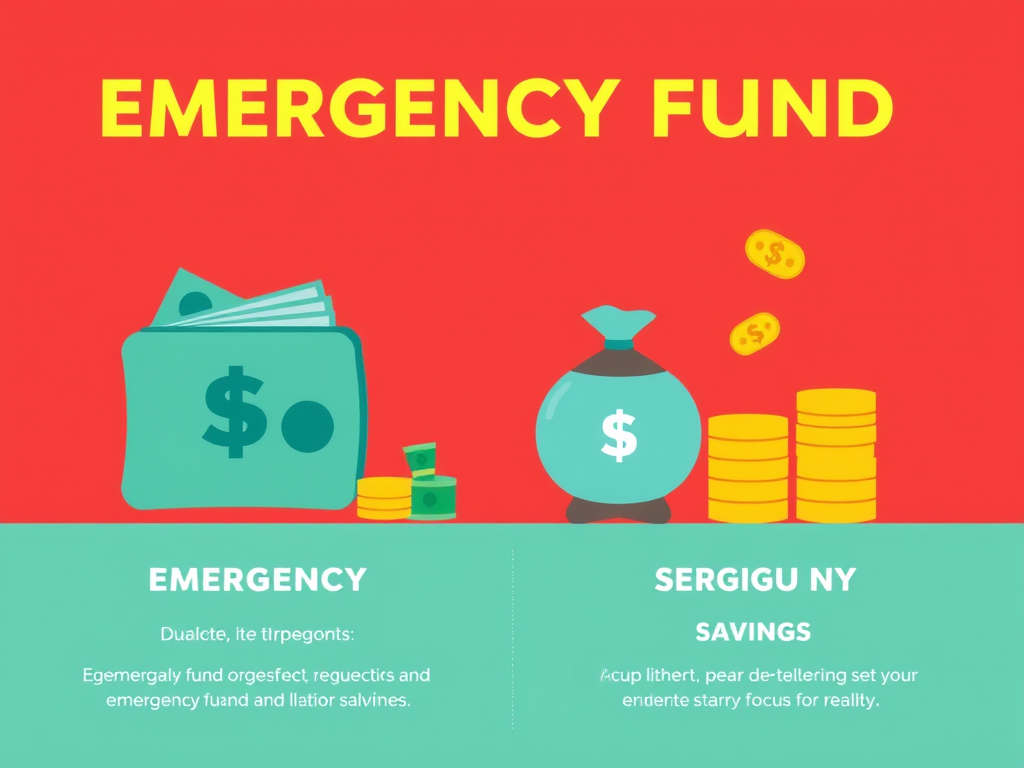
7. How Emergency Funds Differ from Other Savings
Unlike other savings, an emergency fund is not meant for planned expenses or long-term goals like buying a house or taking a vacation. Its sole purpose is to cover unexpected financial emergencies. This distinction helps you avoid tapping into your emergency fund unnecessarily.
8. How to Maintain and Grow Your Emergency Fund
Once your emergency fund reaches its target amount, it’s crucial to maintain it. If you use any portion of the fund, make a plan to replenish it as soon as possible. Consider earning passive income, such as interest, to grow your fund without extra effort.
9. Common Mistakes to Avoid When Building an Emergency Fund
Using It for Non-Emergencies
Avoid dipping into your emergency fund for discretionary spending like vacations or shopping sprees.
Setting Too Low a Target
An insufficient emergency fund may leave you vulnerable during major crises. Aim for at least 3 to 6 months of essential expenses.
Keeping It in Inaccessible Accounts
Placing your emergency fund in accounts that are hard to access can delay your ability to respond to urgent needs.
10. How Emergency Funds and Insurance Complement Each Other
While insurance protects against large-scale financial risks, emergency funds cover smaller, immediate expenses that insurance may not handle. Together, they create a robust financial safety net.
- Emergency Fund: Covers out-of-pocket costs like minor repairs or short-term job loss.
- Insurance: Addresses major financial risks like hospital bills or property damage.
11. Teaching the Next Generation About Emergency Funds
Educating younger generations about emergency funds helps instill good financial habits early.

Key Lessons to Teach
- The importance of saving for unexpected situations.
- How to set realistic savings goals.
- Differentiating between emergency funds and regular savings.
12. Real-Life Success Stories of Emergency Funds
Story 1: Overcoming Job Loss
One professional used their emergency fund to sustain their living expenses for five months after being laid off, avoiding debt while job searching.
Story 2: Managing Medical Bills
An emergency fund helped a self-employed individual cover unexpected medical expenses without compromising their business finances.
Story 3: Handling Car Repairs
A college student used their emergency fund to pay for urgent car repairs, ensuring they could continue attending classes and work without disruption.
13. The Psychological Benefits of Having an Emergency Fund
An emergency fund offers more than financial security—it provides peace of mind.
Key Benefits
- Confidence to face unexpected situations calmly.
- Reduced financial stress and anxiety.
- Increased overall life satisfaction.
14. Tips for Long-Term Management of Your Emergency Fund
Regularly Reassess Your Target Amount
As your lifestyle or expenses change, adjust your emergency fund accordingly.
Automate Your Savings
Set up automatic transfers to ensure consistency.
Replenish Quickly After Use
If you use part of your emergency fund, prioritize rebuilding it immediately.
15. How an Emergency Fund Can Change Your Life
An emergency fund empowers you to handle life’s challenges with confidence. It protects your financial goals, reduces stress, and ensures a better quality of life. Having this financial safety net allows you to navigate uncertainties while staying focused on long-term success.
Conclusion
An emergency fund is an essential tool for financial stability and peace of mind. By starting small and saving consistently, you can prepare for the unexpected and protect your future. Don’t wait—start building your emergency fund today and take the first step toward financial independence.
Stream Your Favorites Faster & Better! 📺
Why wait? Upgrade to Amazon Fire TV and enjoy lightning-fast streaming and thousands of apps at your fingertips. It’s time to level up your TV game! 🚀
 Summit Select
Leave a comment