
What Are Health Care Costs?
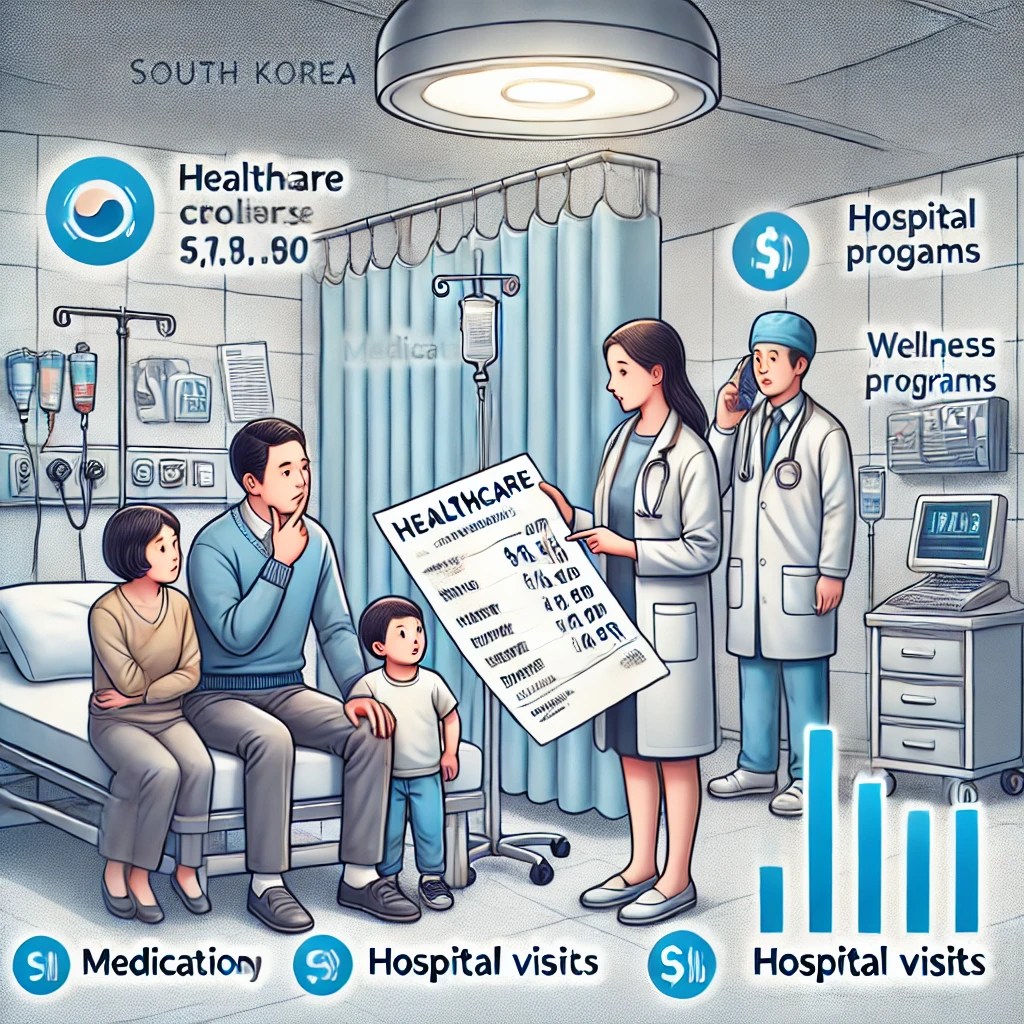
Health care costs encompass all expenses related to disease prevention, diagnosis, treatment, and recovery. This includes not only hospital visits but also medications, health check-ups, and wellness programs.
Real-Life Example:
In 2022, the average annual health care cost per person in South Korea was approximately $1,100, with medication and hospital visits accounting for a significant portion. Health care often represents a major part of household budgets, and inadequate planning can lead to financial stress.
Why Is It Important to Understand Health Care Costs?
The Importance of Health Management
Health is the cornerstone of a good quality of life. Maintaining or improving health requires time and resources. Without understanding the cost structure, individuals risk unnecessary expenses or inadequate medical care.
Smart Spending for a Better Quality of Life
Managing health care costs effectively not only reduces treatment expenses but also alleviates stress and enhances overall well-being. For example, investing in preventive measures can help avoid unexpected medical bills.
Key Components and Statistics of Health Care Costs
Medical Services and Diagnostic Fees
Hospital visits, diagnostic tests, and inpatient care represent major components of health care costs.
Statistics:
- As of 2023, an MRI scan in South Korea typically costs between $230 and $540, depending on the hospital and location.
- Emergency room visits can incur additional costs, especially for non-insured treatments.
The Realities of Medication Costs
The cost difference between brand-name drugs and generics can be significant. Patients need professional advice when choosing medications to avoid unnecessary expenses.
Investment in Preventive and Wellness Care
Although preventive care and wellness programs may require upfront investment, they lead to substantial long-term savings.
- Example: Government-supported cancer screenings in South Korea reduce average treatment costs by over 50%.
Practical Strategies to Save on Health Care Costs
Choosing and Utilizing Health Insurance
Health insurance is a critical tool for managing medical expenses. Selecting the right plan ensures better management of unexpected costs.
- Tip: Compare different insurance options to find the one that best fits your needs. Plans with added benefits are often more advantageous in the long term.
Preventive Measures and Lifestyle Changes
Regular exercise and a healthy diet are foundational to preventing illnesses.
- Practical Tip: Walking briskly for 30 minutes five times a week can reduce cardiovascular disease risk by over 40%.
Smart Choices When Selecting Medical Services
Consider both cost and quality when choosing medical services.
- Example: Treatments at smaller clinics can often be 20%-30% cheaper than at large hospitals while providing comparable care.
How Technology and Trends Are Reducing Health Care Costs
Telemedicine and Digital Health Technologies
Telemedicine allows patients to consult doctors without visiting hospitals, saving transportation costs and time.
AI-Based Diagnostics and Treatment
Artificial intelligence enables fast and accurate diagnoses, resulting in cost savings.
- Example: AI-powered early detection systems for skin cancer allow patients to perform initial checks using smartphones, eliminating the need for hospital visits.
The Practical Benefits of Health Management Apps
Health management apps help track exercise, diet, and sleep habits, providing effective and low-cost solutions for maintaining health.
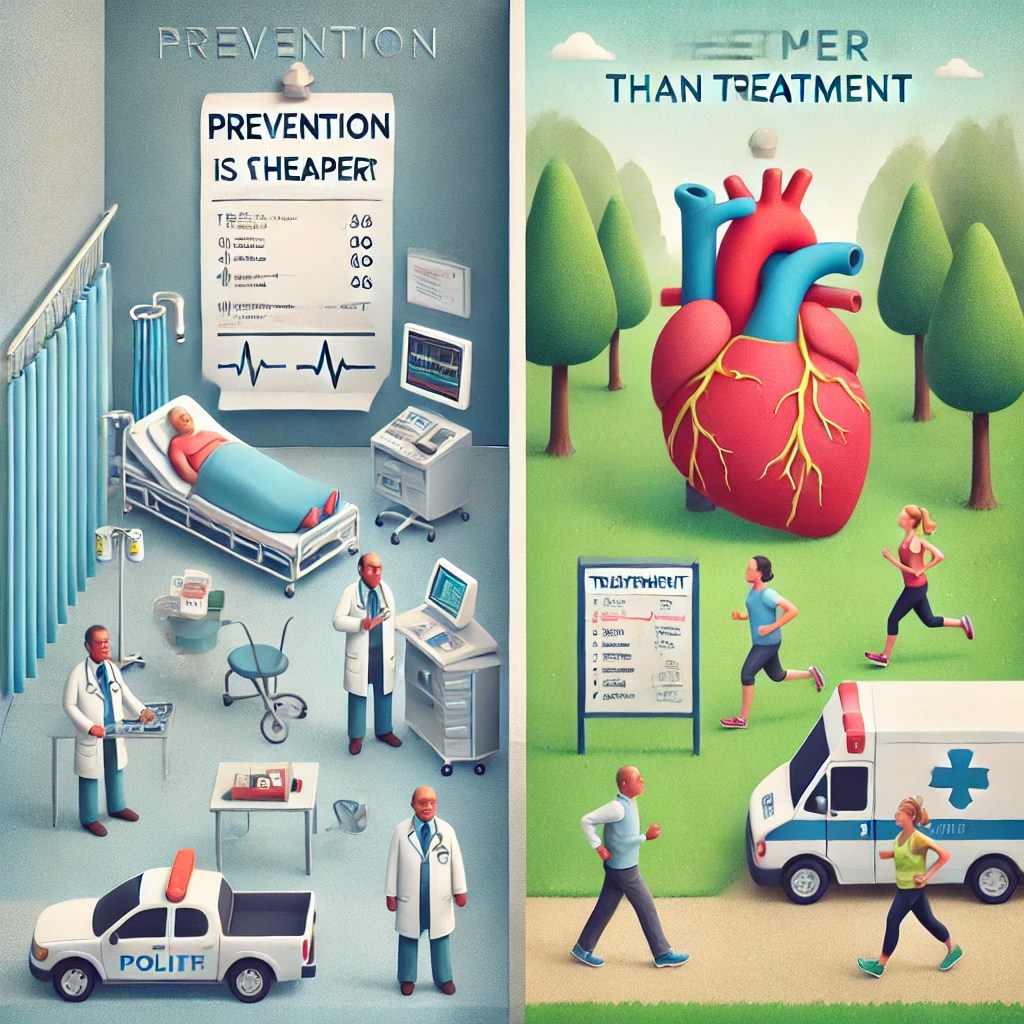
Prevention Is Cheaper Than Cure: Reasons and Examples
Cost Savings Through Cardiovascular Disease Prevention
Treatment for cardiovascular diseases can cost tens of thousands of dollars, but preventive measures are far less expensive.
- Example: Cholesterol management and regular exercise can cut medical expenses by more than 50%.
Social and Policy Efforts in Health Care Management
Global Comparison of Health Care Costs and Support Policies
South Korea has significantly lowered average health care costs through a national insurance system, while countries like the U.S., relying heavily on private insurance, face higher costs.
The Role of Public Awareness Campaigns
Campaigns promoting smoking cessation or obesity prevention showcase the effectiveness of proactive health management.
Long-Term Planning for Health Management
Financial Planning and Medical Savings
Set up a health savings account to prepare for unforeseen expenses.
Sustainable Health Care and Environmental-Friendly Strategies
Community-based health initiatives promote sustainable health management while reducing environmental impacts.
Conclusion: Strategize to Manage Health Care Costs
Managing health care costs isn’t just about saving money; it directly impacts quality of life. Through preventive measures, leveraging the latest technologies, and taking advantage of policy support, everyone can achieve a healthier, more financially secure life.
Stream Your Favorites Faster & Better! 📺
Why wait? Upgrade to Amazon Fire TV and enjoy lightning-fast streaming and thousands of apps at your fingertips. It’s time to level up your TV game! 🚀
 Summit Select
Leave a comment