
Risk and Return: Fundamental Concepts and Importance
What is Risk?
Risk refers to the possibility that an investment’s actual outcomes will differ from expectations. This includes the potential for loss of principal as well as returns falling short of expectations.
Types of Risk
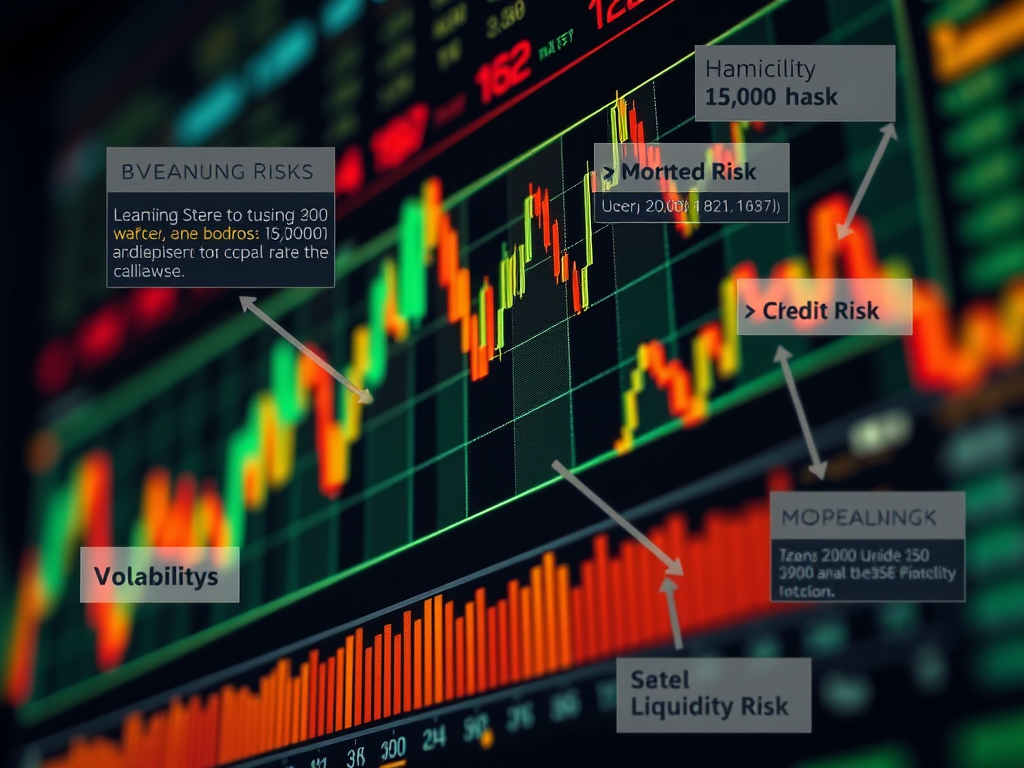
- Market Risk: Volatility in stock or currency markets
- Credit Risk: The likelihood of a bond issuer defaulting
- Liquidity Risk: The inability to quickly convert assets into cash
For instance, investing in stocks carries market risk, where unfavorable business performance or global economic downturns could cause stock prices to fall.
What is Return?
Return measures the profit gained relative to the initial investment. It’s a crucial indicator for setting investment goals and assessing risk.
Return Calculation Formula
Return(%)=(FinalValue−InitialInvestment)InitialInvestment×100Return (\%) = \frac{(Final Value – Initial Investment)}{Initial Investment} \times 100Return(%)=InitialInvestment(FinalValue−InitialInvestment)×100
For example, if you invest $10,000 and it grows to $12,000, the return is 20%.
The Relationship Between Risk and Return: The Principle of Trade-Off
The Cost of Chasing High Returns
The phrase “high risk, high reward” is a fundamental truth in investing. Chasing high returns often entails taking on significant risks. For instance, investing in startups or tech stocks can yield substantial profits but also carries a high probability of failure.
Real-Life Example: Tesla Stock
Tesla experienced significant volatility during its early stages but eventually delivered enormous gains for its investors. However, many missed out due to an inability to tolerate the initial risks.
The Dilemma of Low Risk and Low Returns
Conversely, investors who favor low-risk options often enjoy stability but at the expense of higher returns. For example, bank fixed deposits guarantee principal protection but may fail to outpace inflation in today’s low-interest-rate environment.

Three-Step Strategy for Balancing Risk and Return
Step 1: Define Your Goals—What is Your Risk Tolerance?
Start by clarifying your financial goals and risk tolerance:
- Aggressive Investors: Willing to take on high risks for high returns
- Conservative Investors: Prioritize stability and steady returns
- Neutral Investors: Seek a balance between risk and return
Step 2: Build Your Portfolio—How to Diversify Assets
Diversification is one of the most effective ways to reduce risk.
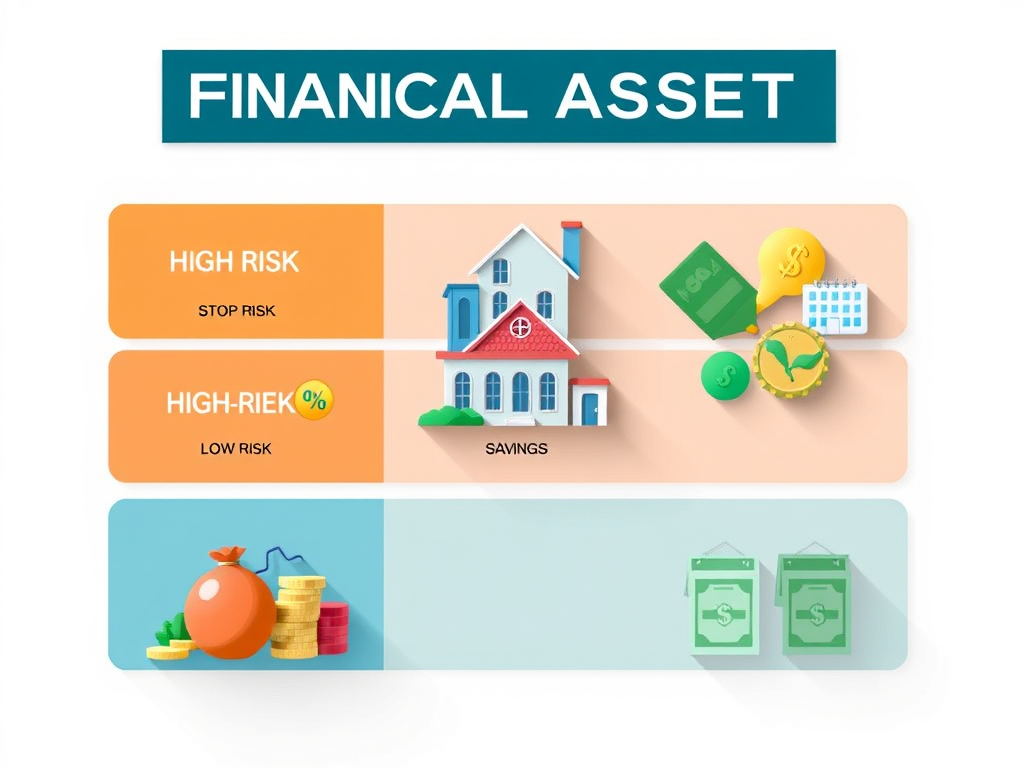
- High-Risk Assets: Stocks, emerging markets
- Medium-Risk Assets: Real estate, high-yield bonds
- Low-Risk Assets: Government bonds, savings accounts
Sample Portfolio Allocation
| Asset Class | Allocation |
|---|---|
| Stocks | 50% |
| Bonds | 30% |
| Real Estate | 15% |
| Cash Equivalents | 5% |
Step 3: Monitor and Adjust—Managing Market Volatility
Since market conditions constantly evolve, regularly reviewing and adjusting your portfolio is crucial.
Risk and Return in Different Investment Types
Stocks: High Risk, High Returns
Stocks are highly volatile but often provide substantial long-term returns. For example, the S&P 500 Index has delivered an average annual return of approximately 10% over the past 30 years.
Bonds: A Stable Income Option
Bonds prioritize principal protection and offer consistent interest income, making them ideal for conservative investors, especially government bonds.
Real Estate: The Stability and Growth Potential Combo
Real estate offers relatively low risk and stable cash flow, along with potential value appreciation.

Cryptocurrency: The Most Volatile Investment
Cryptocurrency is known for extreme volatility. Bitcoin, for instance, has surged by thousands of percent in short periods but also experienced sharp declines.
Conclusion: What Makes Sustainable Investing?
Balancing risk and return is not merely a choice but a necessity for achieving sustainable investing. Setting clear financial goals, building a diversified portfolio, and regularly reviewing and optimizing strategies are essential steps for successful investing.
Whether you are a beginner or a seasoned investor, pursuing returns with scientifically managed risks ensures resilience in the face of market volatility.
 Summit Select
Leave a comment