
Managing your finances after retirement is essential not just for cutting costs but for designing a stable and enjoyable post-retirement life. This article explores practical financial management strategies backed by real-life examples to help you make informed decisions. We’ll also compare the pros and cons of various approaches and provide links to valuable tools and resources for effective implementation.
1. Why Post-Retirement Financial Management is Crucial
Key Takeaway:
Retirement comes with financial challenges that require a clear plan to ensure a stable and fulfilling life.

Financial Challenges in Retirement
The lack of regular income after retirement can lead to difficulties in managing rising living costs, healthcare expenses, and unforeseen emergencies. Variables like inflation and health issues can add further pressure to your finances.
The Importance of a Clear Financial Plan
A long-term financial plan helps mitigate these uncertainties and ensures your assets last throughout your retirement years. Budgeting, minimizing essential expenses, and setting aside emergency funds are key to maintaining financial stability.
2. Preparing to Reduce Expenses: First Steps
Key Takeaway:
Before cutting costs, understand your financial situation, identify inefficiencies, and create a personalized plan.
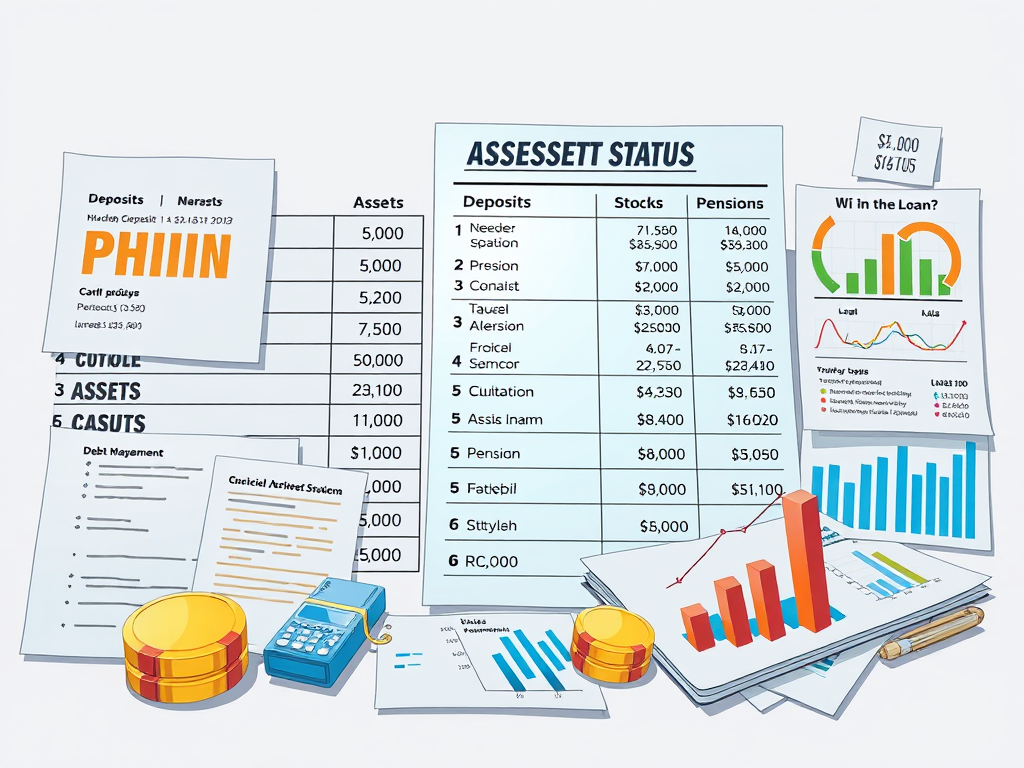
Assessing Your Current Financial Status
- Inventory Your Assets: List savings, investments, and pensions.
- Debt Management: Analyze outstanding loans and interest rates to create a repayment plan.
Analyzing Spending Patterns and Identifying Areas for Savings
- Review bank statements and credit card bills to pinpoint unnecessary expenses.
- Focus on recurring costs such as subscription services and dining out.
Setting Personalized Priorities
- Separate essential expenses (housing, healthcare) from discretionary ones (entertainment, shopping).
- Allocate resources to high-priority categories and limit spending on others.
3. 10 Practical Ways to Cut Costs After Retirement
Key Takeaway:
Reducing costs isn’t just about cutting back—it’s about using resources efficiently.
Housing Cost Reduction Strategies
- Downsizing: Move to a smaller home to reduce maintenance and utility costs.
- Relocating to Affordable Areas: Live in regions with lower living expenses while maintaining your quality of life.
Saving on Living and Utility Expenses
- Opt for generic or alternative products over branded ones.
- Use energy-efficient appliances and minimize utility consumption.
Lowering Healthcare Costs
- Schedule regular checkups to prevent costly medical issues.
- Take full advantage of government healthcare benefits and insurance.

Saving on Leisure Activities
- Participate in free community events.
- Use free facilities like local libraries and parks for recreation.
4. Useful Financial Management Tools and Resources
Key Takeaway:
Leverage technology and expert advice to maximize efficiency in managing your finances.
Apps and Websites for Structured Financial Management
- Mint: Track your expenses and create personalized budgets.
- YNAB (You Need A Budget): Helps set and achieve long-term financial goals.

Free Consultation Services and How to Use Them
- Senior Citizen Centers: Offer free financial counseling and education programs.
- Financial Regulatory Bodies: Provide resources and personalized financial planning services.
5. Ideas for Generating Additional Income Post-Retirement
Key Takeaway:
Diversify your income streams to maintain financial stability.
Remote Work and Freelancing
- Explore flexible roles like writing, translation, or consulting.
- Use online platforms like Upwork to find freelance projects.

Turning Hobbies into Income Streams
- Sell handmade crafts on marketplaces like Etsy.
- Host small workshops or classes to share your skills (e.g., cooking, art).
6. Success Stories: Practical Strategies and Results
Key Takeaway:
Successful financial management stems from clear goals and actionable plans.
Case Study 1: Lowering Housing Costs for Travel Opportunities
A retired couple moved from a large city to a smaller rural home, saving $500 monthly in housing costs. They used the savings to travel annually, enjoying a fulfilling post-retirement life.
Case Study 2: Turning a Hobby Into a Business
One retiree began painting as a hobby and started selling their artwork, earning an additional $1,000 monthly and eventually opening their own gallery.

7. Comparison of Strategies: Pros and Cons
| Strategy | Pros | Cons |
|---|---|---|
| Downsizing | Reduces costs, lowers maintenance | Relocation costs, emotional adjustment |
| Utility Savings | Easy to implement, immediate effects | Limited savings potential |
| Additional Income | Diversifies income, increases stability | Time or initial investment required |
8. Conclusion: Building a Stable Post-Retirement Life Through Smart Financial Management
Post-retirement financial management is essential for designing a stable and fulfilling life. With systematic planning and effective execution, you can reduce unnecessary expenses, create additional income streams, and maintain your quality of life.
Start small and stay consistent—these strategies will help you build a financially secure and rewarding retirement.
 Summit Select
Leave a comment