Introduction to Healthy Eating
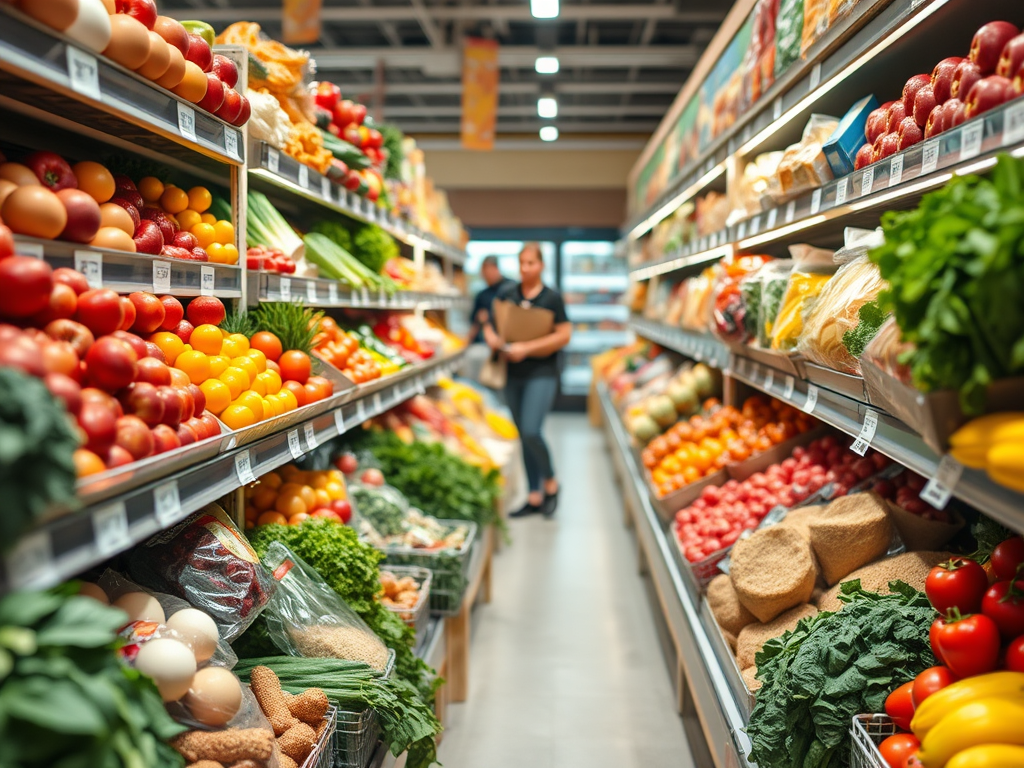
Imagine this: you’re standing in a grocery store aisle, surrounded by endless food choices. A small voice inside asks, “Am I making the right choices for my health?” This is a dilemma many of us face daily. In fact, according to the World Health Organization, unhealthy diets contribute to 11 million deaths globally each year.
Healthy eating isn’t about deprivation; it’s about empowerment. With the right tools and mindset, anyone can make choices that fuel their body, protect against chronic illnesses, and enhance their quality of life. Ready to take control of your diet? Let’s dive in.

Understanding the Basics of Nutrition
To eat healthily, you must first understand what your body needs—think of it as learning the language of your body. Nutrition is broken down into macronutrients, micronutrients, and hydration. Here’s a closer look:
Macronutrients
- Proteins: These are the building blocks of life, helping repair and build tissues. Examples include eggs, chicken, fish, lentils, and tofu.
- Carbohydrates: Your body’s primary energy source. Opt for complex carbs like brown rice, oats, and whole-grain bread for sustained energy.
- Fats: Essential for brain health and energy. Focus on healthy fats from sources like avocados, nuts, seeds, and olive oil.
Micronutrients
Vitamins and minerals act as the body’s spark plugs. For instance, Vitamin C (found in citrus fruits) boosts immunity, while calcium (from dairy or fortified plant-based milk) supports strong bones.
Hydration
Staying hydrated is as critical as eating well. Your body depends on water to transport nutrients, regulate temperature, and perform countless other functions. Aim for 8-10 glasses of water daily, and consider herbal teas or fruit-infused water for variety.
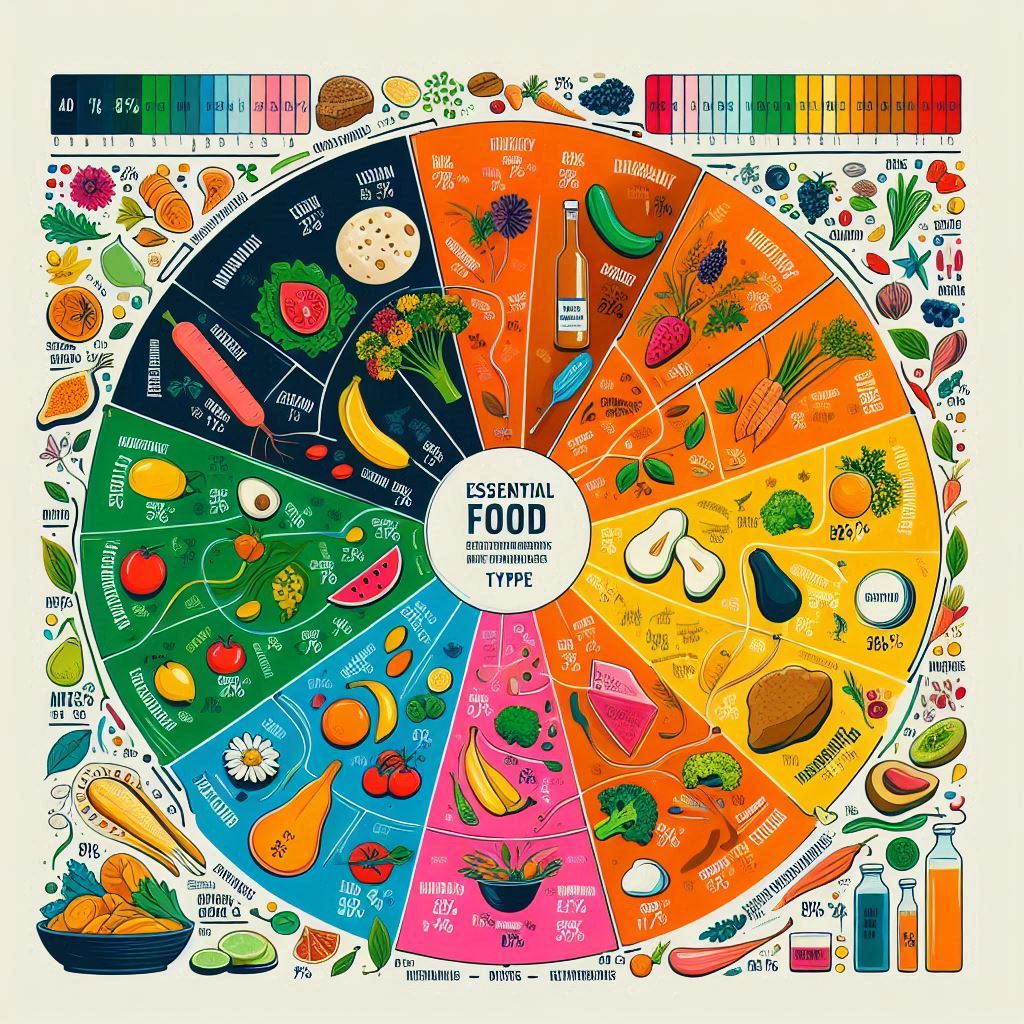
To visualize this, imagine a pie chart where proteins, carbs, and fats are proportionately divided based on your unique needs. Tools like apps or printed charts can help ensure you’re meeting your daily nutrient requirements.
Setting Realistic Goals for Your Diet
Jumping into a new diet with unrealistic expectations can set you up for failure. Instead, take a gradual, step-by-step approach.
- Start with small swaps: Replace sugary sodas with sparkling water or chips with air-popped popcorn.
- Know your calorie needs: Use a calorie calculator to determine your daily intake based on your age, weight, and activity level.
- Personalize your plan: Are you a busy professional or a stay-at-home parent? Tailor your diet to fit your lifestyle and energy demands.
Progress over perfection is the mantra here. Celebrate small wins, like adding an extra serving of vegetables to your dinner or cutting down on processed snacks.
Key Components of a Healthy Diet
Whole Grains
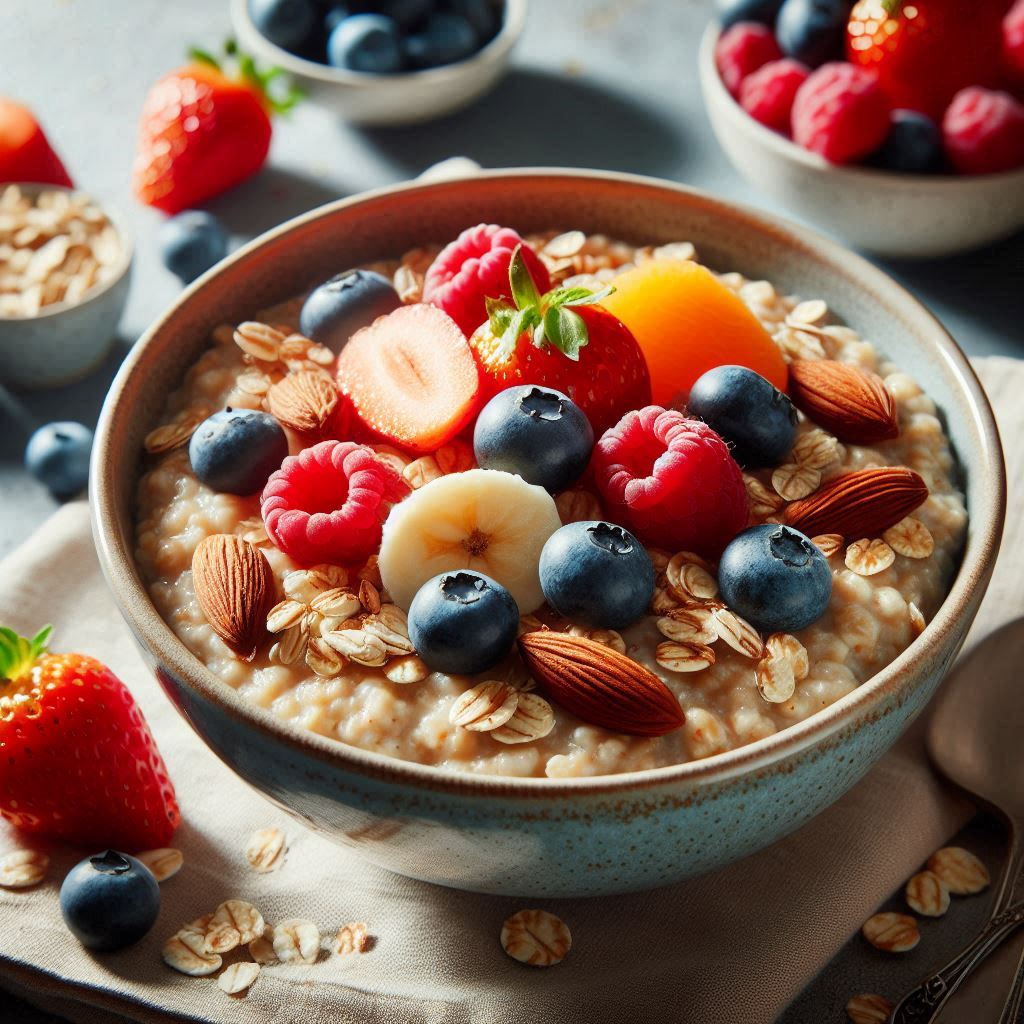
Whole grains like quinoa, barley, and oats are nutrient powerhouses. They’re packed with fiber, vitamins, and minerals, making them essential for sustained energy and digestive health. Try starting your day with a warm bowl of oatmeal topped with fresh fruit.
Fruits and Vegetables
Aim for a colorful plate. Each color represents different nutrients—green spinach for iron, orange carrots for beta-carotene, and purple berries for antioxidants.
Healthy Proteins
Protein doesn’t just come from meat. Plant-based options like chickpeas, tempeh, and edamame are excellent alternatives. For a simple meal, try a quinoa salad with grilled chicken and roasted veggies.
Planning Balanced Meals
A balanced meal is like a well-composed song—each element plays a role in harmony. The plate method simplifies this:
- 50%: Non-starchy vegetables (spinach, broccoli, bell peppers)
- 25%: Lean protein (grilled fish, beans, tofu)
- 25%: Whole grains or starchy vegetables (brown rice, sweet potatoes)
Timing Matters
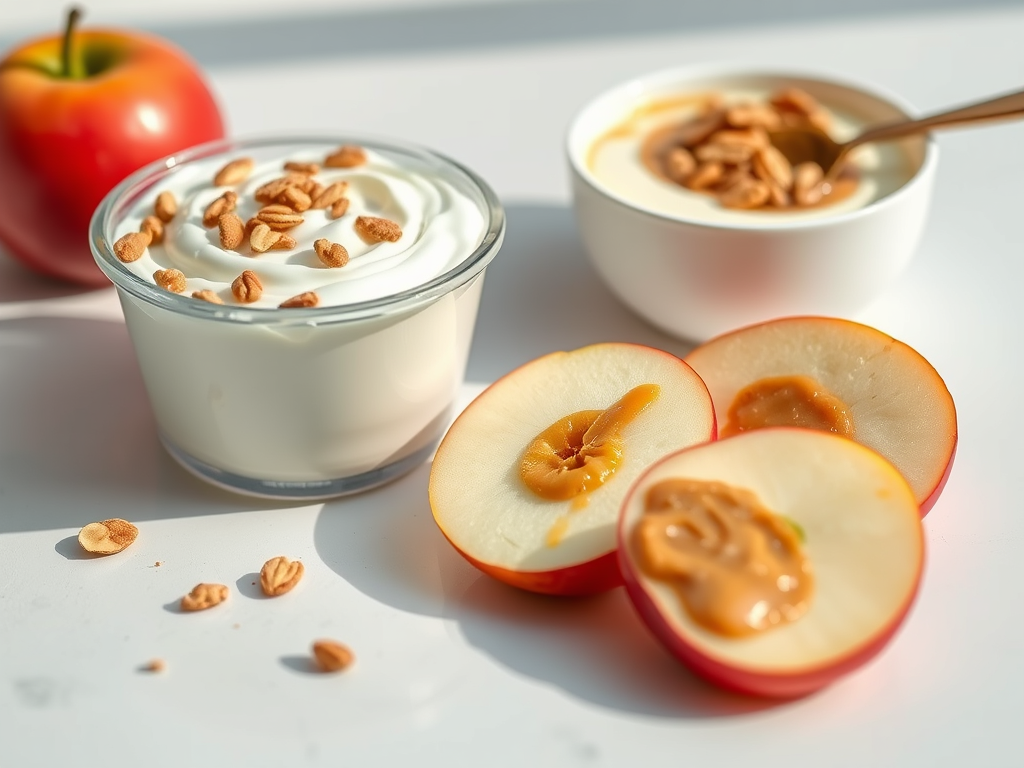
Eating regularly, every 3-4 hours, helps stabilize blood sugar and prevents overeating. For snacks, think small but mighty—Greek yogurt with nuts or apple slices with almond butter.
Customizing Your Diet for Specific Needs
Healthy Diet Tips for Weight Loss
For weight loss, volume is your friend. Choose foods with high water or fiber content, such as soups, leafy greens, and cucumbers. Try a simple meal like a veggie stir-fry with tofu and a side of brown rice.
Building a Diet for Muscle Gain
If you’re aiming to build muscle, prioritize meals rich in lean protein and complex carbs. A post-workout option might be grilled chicken with quinoa and roasted vegetables.
Diet Tips for Managing Chronic Conditions
Managing diabetes? A balanced meal could be baked salmon, quinoa, and steamed asparagus. For hypertension, try a lentil salad with plenty of herbs and a squeeze of lemon instead of salt.
Incorporating Healthy Habits
Meal Prepping for Success
Investing time in meal prep is a game changer. Set aside one day a week to prepare meals like roasted veggies, grilled proteins, and cooked grains. Store them in portioned containers for grab-and-go convenience.
Mindful Eating
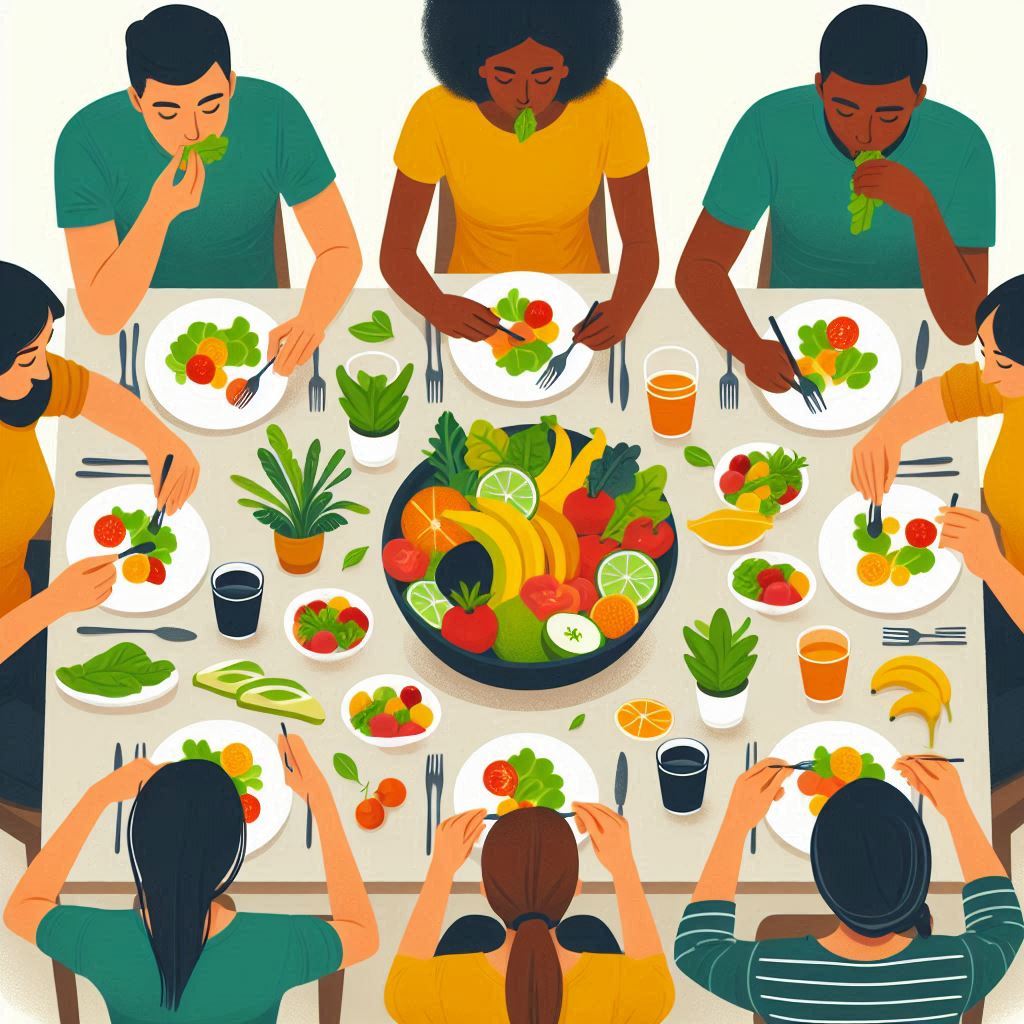
Eating isn’t just about the food; it’s about the experience. Turn off distractions, chew slowly, and savor the flavors. This practice not only enhances digestion but also helps you recognize when you’re full.
Overcoming Common Challenges
Eating Healthy on a Budget
Budget-friendly doesn’t mean sacrificing quality. Opt for frozen vegetables, which are just as nutritious as fresh ones, and bulk-buy pantry staples like beans and oats.
Dealing with Cravings and Cheat Days
Cravings are inevitable, but they don’t have to derail your progress. Craving something sweet? Try frozen banana bites dipped in dark chocolate. Need a salty fix? Air-popped popcorn with a sprinkle of nutritional yeast can do the trick.
Enhancing Long-Term Success
Tracking Progress and Staying Motivated
Apps like MyFitnessPal or Cronometer can help you track your meals and ensure you’re meeting your goals. Celebrate milestones, such as sticking to your diet for a month, with non-food rewards like a new workout outfit.
Creating a Sustainable Lifestyle
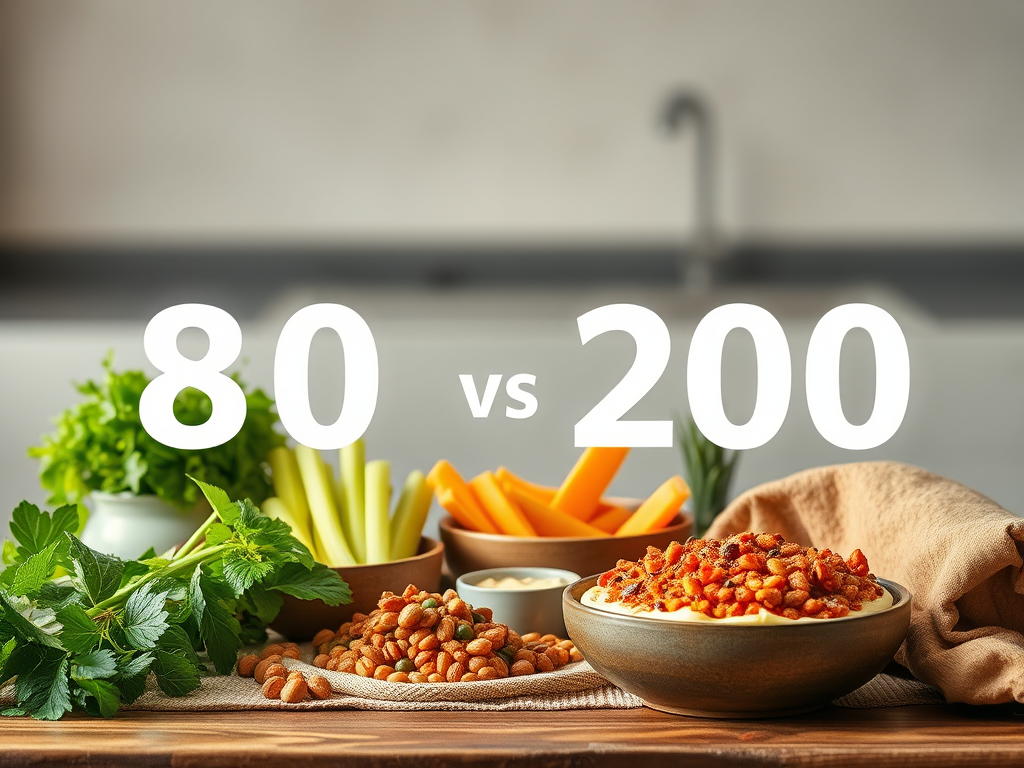
Diets shouldn’t feel like punishment. The 80/20 rule (80% whole foods, 20% indulgences) ensures balance. Remember, it’s not about perfection—it’s about consistency.
Conclusion
Healthy eating is a journey, not a destination. With small, sustainable changes and a focus on balance, you can build a diet that nourishes both your body and mind. Ready to take the first step? Start by adding one more serving of veggies to your plate today—you’ve got this!
 Summit Select
Leave a comment