
Why Should You Quit Smoking and Reduce Alcohol?
Smoking and excessive drinking are major causes of numerous diseases and are detrimental to the quality of life. According to the World Health Organization (WHO), smoking causes approximately 8 million deaths annually, while excessive alcohol consumption leads to 3 million deaths globally. These are not just numbers—they represent real impacts on you, your family, and society. In this article, we will explore why quitting smoking and reducing alcohol are critical and how you can start making these changes today.

The Truth About Smoking: Why It Threatens Your Health
Smoking’s Link to Major Diseases
Smoking is the leading cause of lung cancer, cardiovascular diseases, and chronic obstructive pulmonary disease (COPD). The American Cancer Society warns that approximately 30% of all cancer deaths are caused by smoking.
Example:
Kim, a 45-year-old who smoked for 20 years, experienced significant improvements in breathing and regained physical fitness within a year of quitting. Her story illustrates the rapid health benefits of quitting smoking.
Economic Burdens of Smoking
In addition to the direct cost of purchasing cigarettes, smoking leads to increased healthcare expenses and decreased productivity. For instance, research by the Korean Health and Social Research Institute estimates that smoking-related economic losses amount to approximately $12 billion annually.
The Dangers of Alcohol: From Enjoyment to Risk
How Alcohol Affects Liver Health
Excessive alcohol consumption is a primary cause of liver diseases such as cirrhosis, fatty liver, and liver cancer. The risk of liver damage increases proportionally with the quantity and frequency of alcohol intake.
Case Study:
Mr. Lee, a 37-year-old heavy drinker, managed to return his liver function to normal levels within six months of reducing his alcohol intake. This example highlights the significant health benefits of moderation.
Social and Family Consequences of Alcohol Abuse
Excessive drinking often leads to violence, traffic accidents, and family discord. According to statistics from law enforcement agencies, tens of thousands of incidents related to alcohol occur annually. This emphasizes that alcohol abuse is not just a personal problem but a widespread social issue.
A Practical Guide to Successfully Quitting Smoking
Things to Know Before You Begin
Before quitting smoking, analyze your smoking habits and set clear goals. Write down your motivations for quitting—such as health benefits, reducing financial burdens, or fulfilling promises to loved ones—and keep them visible as reminders.
Effective Tools for Smoking Cessation
- Nicotine Replacement Therapy (NRT): Products like nicotine patches, gum, and sprays can help manage withdrawal symptoms.
- Quit Smoking Apps: Various apps provide motivation and track your progress.
- Professional Counseling: Working with a counselor significantly increases the likelihood of success.
Recommended Resources:
- Visit a smoking cessation clinic.
- Join communities like “Quit365” for support.
Realistic Strategies to Reduce Alcohol Consumption
Simple Tips for Moderating Alcohol Intake
- Drink a glass of water before consuming alcohol to curb your drinking.
- Use smaller glasses for alcoholic beverages.
- Opt for non-alcoholic social activities with friends, such as coffee meetups or exercise.
Adopting Healthy Habits to Manage Stress
Incorporate healthy stress-relieving activities such as meditation, exercise, and reading. These alternatives can naturally decrease your desire to drink.
Case Study:
Ms. Park, a 32-year-old, replaced her drinking habit with daily meditation, significantly reducing stress while improving her overall well-being.

Real-Life Stories of Quitting Smoking and Cutting Back on Alcohol
Real-life success stories provide powerful motivation for others.
- Story 1: A woman regained full lung function five years after quitting smoking.
- Story 2: A middle-aged man repaired relationships with his family after cutting back on alcohol.
These examples show that quitting smoking and reducing alcohol are achievable goals that bring life-changing benefits.
Benefits of Quitting Smoking and Reducing Alcohol for You and Society
Quitting smoking and cutting back on alcohol consumption improve your health, save money, and foster better relationships. On a broader level, these changes reduce societal healthcare costs and create safer communities.
5 Actionable Steps You Can Take Right Now
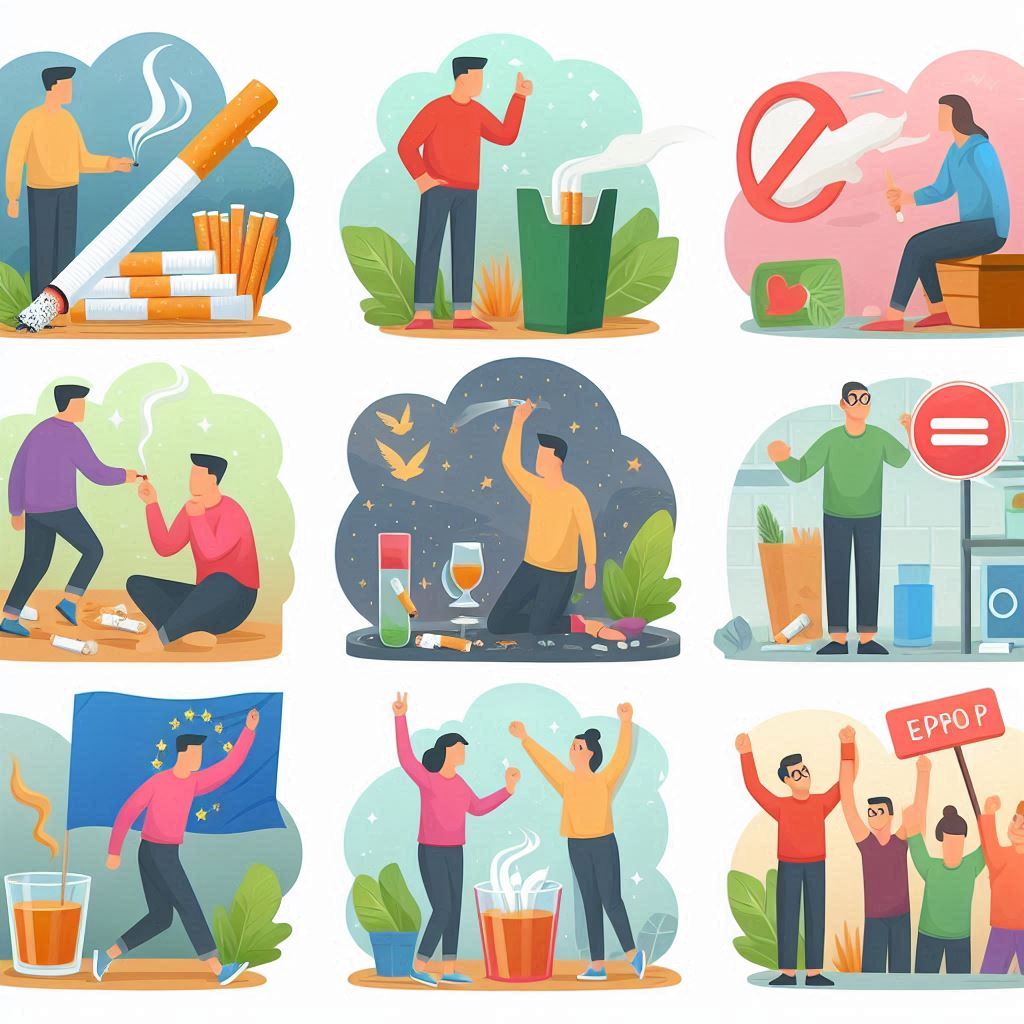
- Write down your quitting or reduction goals and place them in a visible spot.
- Download a smoking cessation app or schedule a visit to a clinic.
- Find a hobby to replace your drinking or smoking habit.
- Share your goals with family and friends for accountability.
- Celebrate small milestones to maintain motivation.
Conclusion: Moving Toward a Better Life
Quitting smoking and reducing alcohol consumption are not just about improving health—they’re about enhancing the overall quality of life. There’s no perfect moment to start; the best time is now.
Begin with small steps, stay consistent, and watch how your life transforms. Quitting smoking and cutting back on alcohol is one of the greatest gifts you can give yourself.
 Summit Select
Leave a comment