
Diabetes has become a global health challenge, affecting millions worldwide. Fortunately, advancements in technology are revolutionizing the way diabetes is managed and treated. In this article, we’ll explore how cutting-edge technologies are transforming diabetes care, supported by the latest research and data to provide valuable insights.
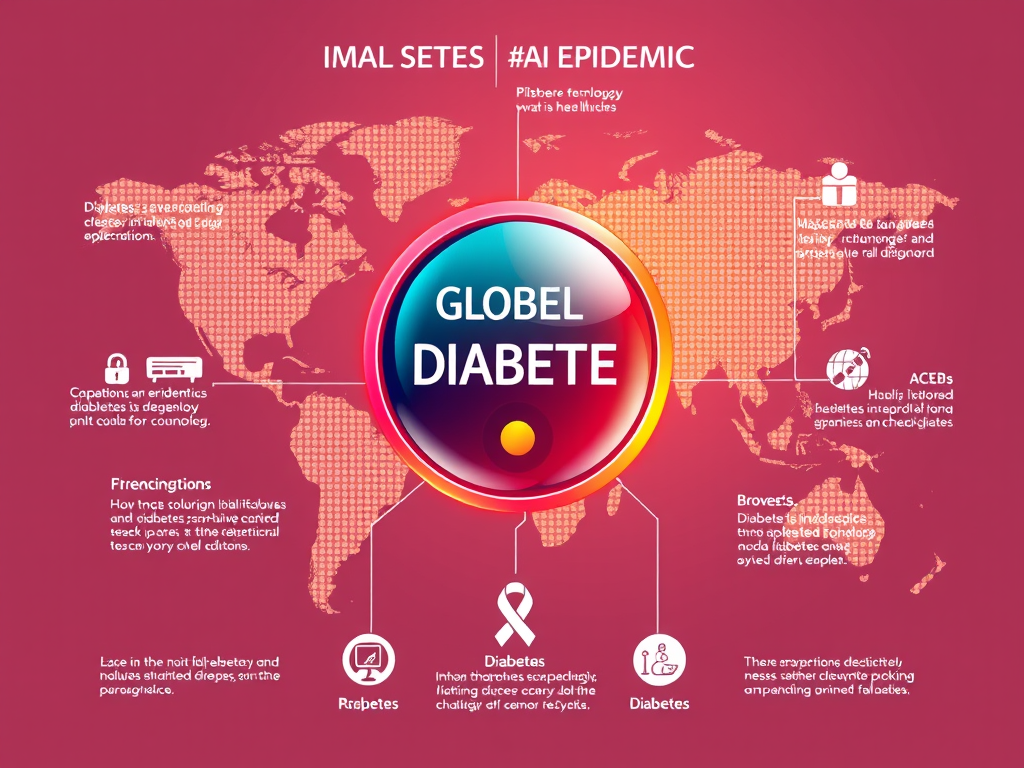
1. The Current State of Diabetes: A Global Concern
Global Statistics
- According to the World Health Organization (WHO), over 500 million people globally are living with diabetes as of 2023.
- Type 2 diabetes, strongly linked to lifestyle and obesity, accounts for approximately 90% of all cases.
Key Takeaway: Diabetes is not just an individual health issue; it’s a global epidemic. However, advancements in technology are proving to be powerful tools to combat this challenge.
2. Technology’s Role in Diabetes Care: A New Era of Innovation
2.1. Smart Glucose Monitoring and Real-Time Data
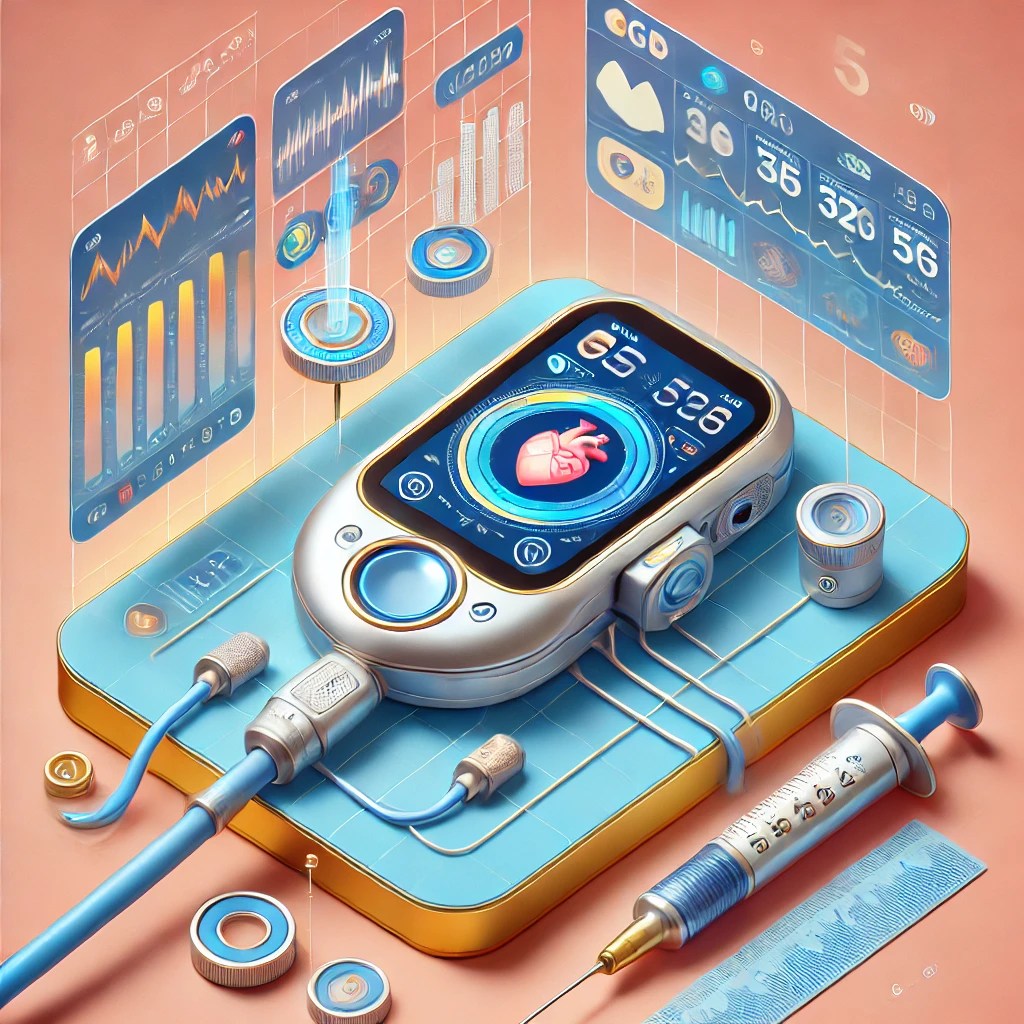
Smart glucose monitoring devices are a game-changer in diabetes care, making blood sugar management easier and more effective.
- Advanced Technology: Continuous Glucose Monitoring (CGM) systems use a sensor placed under the skin to monitor glucose levels 24/7.
- Efficiency: These devices provide alerts for glucose fluctuations and offer real-time data insights via smartphone apps.
- Data-Driven Evidence: Studies show that CGM users experience a 30% reduction in glucose variability and a significantly lower risk of complications.
Key Takeaway: Smart glucose monitors simplify diabetes management and improve the quality of life for patients.
2.2. AI and Machine Learning: Personalized Care
Artificial Intelligence (AI) is revolutionizing personalized diabetes management.
- How It Works: AI-driven apps analyze data from users’ diet, exercise, and glucose levels to offer tailored health strategies.
- Case Study: A 2023 study reported that 78% of patients using AI-powered health apps showed improved glucose metrics and better overall management.
Key Takeaway: AI enables highly personalized care, making diabetes management more effective and convenient.
2.3. Insulin Pumps and Artificial Pancreas
Insulin pumps and artificial pancreas systems are reshaping how insulin is delivered and blood sugar is controlled.
- Functionality: These devices analyze glucose levels and automatically administer insulin when needed.
- Clinical Benefits: Studies reveal that patients using artificial pancreas systems are 70% more likely to achieve target glucose levels compared to traditional methods.
Key Takeaway: Automated systems like insulin pumps enhance convenience and improve glucose control.
3. The Future of Diabetes Treatment: Hope for a Cure
3.1. Gene Therapy
- Overview: Techniques like CRISPR are being explored to repair damaged pancreatic cells or reduce insulin resistance.
- Promising Results: Early trials have shown positive outcomes in restoring pancreatic function.
3.2. Nanotechnology
- Overview: Nanorobots are being developed to regulate blood glucose directly or prevent complications by targeting specific cells in the bloodstream.
Key Takeaway: Gene therapy and nanotechnology hold immense potential to pave the way for a diabetes cure.
4. Practical Tips for Diabetes Management
While technology is advancing rapidly, patient involvement in self-care remains crucial.
- Healthy Diet: Focus on foods with a low glycemic index.
- Regular Exercise: Engage in light aerobic activities to stabilize blood sugar levels.
- Routine Check-Ups: Even with advanced technology, regular consultations with healthcare providers are essential.
Key Takeaway: A balanced approach combining technology and healthy habits ensures the best outcomes.
5. Take Action: Your Path to Better Health
Diabetes is a manageable condition, and with cutting-edge technology, patients can achieve a better quality of life.
Here’s how you can start:
- Explore wearable devices or AI-powered health apps today.
- Consult with healthcare professionals to find the best technology for your needs.
Keywords: diabetes treatment, advanced technology, smart glucose monitors, insulin pumps, AI in healthcare, gene therapy, nanotechnology
Conclusion: Leverage the power of advanced technology to transform diabetes management and take proactive steps toward a healthier life!
 Summit Select
Leave a comment