
1. Introduction: Why Are Low-Carb Diets So Popular?
Low-carb diets have been a buzzword in the health and fitness world for years, and for good reason. Modern diets are often overloaded with carbohydrates, leading to weight gain and increasing the risk of chronic illnesses. The low-carb diet offers a solution by not only promoting weight loss but also improving overall health.
In this article, we’ll explore the science behind low-carb diets, their benefits and challenges, how to create a low-carb meal plan, and practical tips to ensure success.
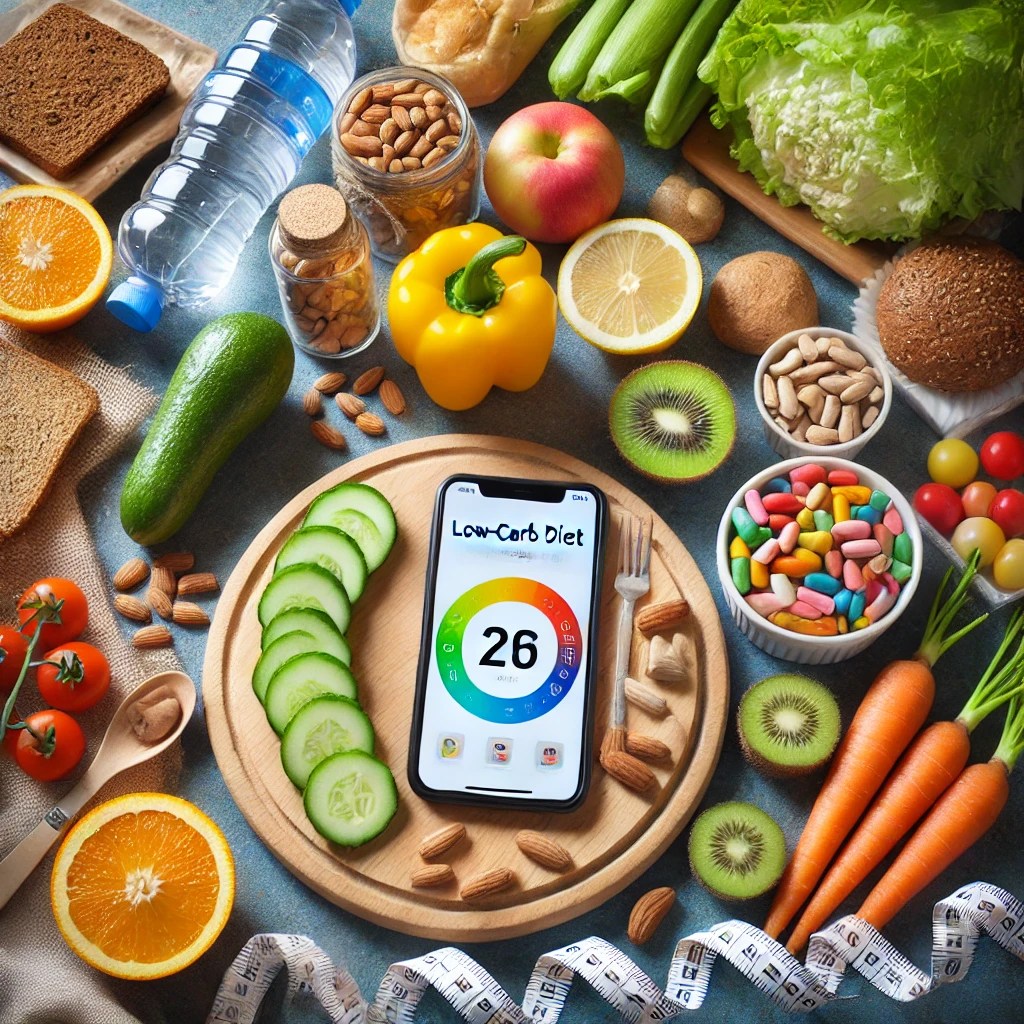
2. What Is a Low-Carb Diet?
1) The Basics
A low-carb diet involves reducing carbohydrate intake and increasing the proportion of proteins and fats in your meals. The goal is to stabilize insulin levels and promote fat burning.
2) The Science: Entering Ketosis
When carbohydrates are restricted, the body can no longer rely on glucose as its primary energy source. Instead, it begins to burn fat for energy, producing ketones in a process known as ketosis. This metabolic state maximizes fat loss.

3. Benefits of a Low-Carb Diet
1) Effective Weight Loss
- Quick Results: By reducing carbohydrates, the body initially loses water weight, followed by fat loss.
- Research Evidence: A 2023 study found that participants on a low-carb diet lost an average of 6.7 kg more than those on a low-fat diet over six months.

2) Blood Sugar Control
- Limiting carbohydrate intake prevents blood sugar spikes and improves insulin sensitivity.
- Who Benefits Most? People with diabetes or insulin resistance see significant improvements.
3) Increased Satiety
- Protein and fat digest slowly, keeping you fuller for longer.
- Outcome: Reduced overeating and natural calorie control.
4. How to Build a Low-Carb Meal Plan
1) Recommended Foods
- Proteins: Chicken breast, pork, beef, eggs, salmon.
- Healthy Fats: Avocados, olive oil, nuts, coconut oil.
- Low-Carb Vegetables: Broccoli, cauliflower, asparagus, spinach.
- Low-Carb Fruits: Strawberries, raspberries, blueberries.
- Others: Cheese, cream, butter.
2) Foods to Avoid
- High-Carb Staples: Rice, pasta, bread, wheat-based products.
- Sugary Foods: Cakes, cookies, sodas.
- Processed Foods: Chips, ready-to-eat meals.
3) Sample Daily Meal Plan
| Meal | Menu Example |
|---|---|
| Breakfast | Boiled eggs, avocado slices, black coffee |
| Lunch | Grilled chicken salad (dressing: olive oil + lemon juice), asparagus |
| Dinner | Grilled salmon steak, cauliflower rice, steamed broccoli |
| Snacks | A handful of almonds or cheese cubes |
5. Tips for Success
1) Set Realistic Goals
- Start by gradually reducing carb intake rather than cutting it out entirely.
- Example: Begin with 100g of carbs per day in the first week, then decrease to 50g.
2) Stay Hydrated and Replace Electrolytes
- Initial water weight loss can lead to dehydration, so drink plenty of water.
- Tip: Add lemon water or coconut water to replenish electrolytes.
3) Keep a Food Journal
- Track your calorie, carb, protein, and fat intake using apps like MyFitnessPal or Cronometer.

4) Adapt to Eating Out
- Choose low-carb options like steak or salads when dining out.
6. Potential Challenges and Precautions
1) Initial Side Effects: Keto Flu
- Symptoms: Fatigue, headaches, and difficulty concentrating.
- Solution: Stay hydrated and ensure adequate intake of electrolytes like sodium and potassium.
2) Sustainability
- Strict low-carb diets can be challenging to maintain long-term.
- Alternative: Incorporate occasional “carb refeed” days for flexibility.
3) Consult a Professional
- People with kidney issues or chronic conditions should seek medical advice before starting.
7. Latest Research and Statistics
- 2023 Study: Low-carb diets were linked to improved cardiovascular health, with participants seeing an average 12% reduction in blood pressure and lower triglyceride levels.
- Long-Term Success: Over 78% of participants who followed a low-carb diet for one year achieved their weight loss goals.

8. Conclusion: Taking the First Step Toward a Healthier You
A low-carb diet isn’t just about losing weight—it’s a lifestyle change that can improve overall well-being. With a well-planned approach and realistic goals, you can achieve sustainable weight loss and better health.
Question:
Have you tried a low-carb diet? Share your success stories or challenges in the comments below!
 Summit Select
Leave a comment