1. Introduction: Music as a Storyteller
Music is more than a collection of sounds; it is a vessel for stories, emotions, and lives lived. One such piece that beautifully captures this essence is Frédéric Chopin’s Nocturne in B-flat Major (Op. 9 No. 2).
This iconic nocturne transcends being merely a piano piece. Composed during Chopin’s time in exile, it embodies his profound solitude and yearning for his homeland. Today, we will delve into Chopin’s life, his musical genius, and the emotional depth of this masterpiece, illustrating how music and storytelling intertwine.

2. Chopin: A Romantic Era Virtuoso
1) Chopin’s Life and Musical Legacy
Born in 1810 in Poland, Chopin was a musical prodigy who left an indelible mark on classical music.
- Early Years: By age seven, Chopin had already composed his first piece, earning recognition among Polish nobility.
- Exile: In 1830, the Polish Revolution forced Chopin to flee to France, leaving his homeland behind. His years in exile were marked by profound loneliness and longing.
- Influence: Chopin’s impact extended beyond his era, inspiring composers like Debussy and Liszt. His ability to evoke deep emotion through piano remains unparalleled.
2) The Poet of the Piano
Chopin devoted his career entirely to the piano, crafting pieces that could “sing.”
- Musical Style: His works are characterized by lyrical melodies, emotional depth, and an intimate exploration of the human spirit.
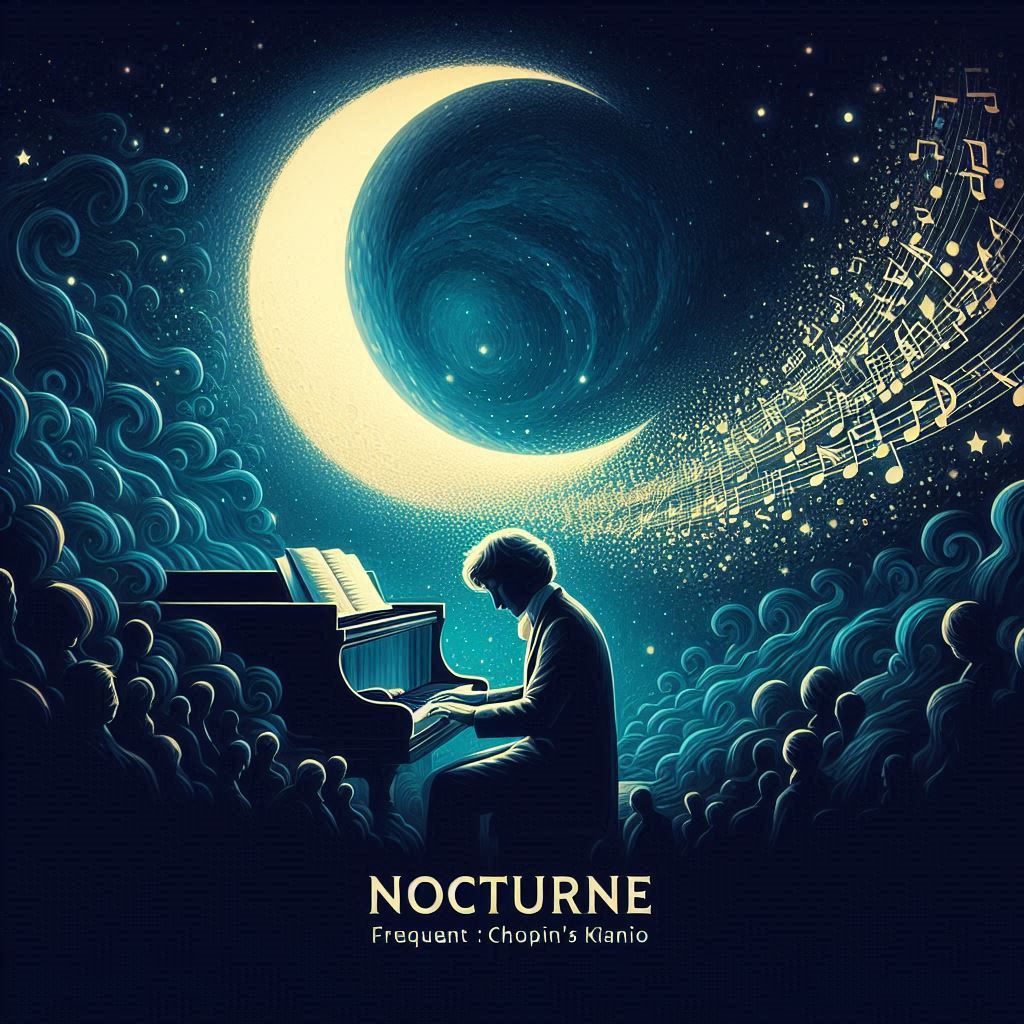
- What Is a Nocturne? A nocturne, often described as a “song of the night,” is a lyrical piano composition that captures the tranquil beauty of evening hours.
3. The Story Behind the Nocturne in B-Flat Major
1) The Background of the Piece
The Nocturne in B-flat Major, composed during Chopin’s exile, reflects his deep longing for Poland and the emotional toll of separation.
- Inspiration: The melody evokes the sound of falling rain, symbolizing Chopin’s memories of rainy nights in his homeland.
- Themes of Longing: The piece alternates between solitude and hope, illustrating Chopin’s complex emotions during this time.

2) Musical Structure and Emotion
- Repetitive Melody: The recurring theme offers comfort while subtle variations keep the listener engaged.
- Emotional Climax: The piece crescendos midway, conveying a mix of anguish and hope, showcasing Chopin’s emotional resilience.
4. Solitude and Music: Chopin’s Connection
1) The Loneliness of Exile
Living far from Poland, Chopin felt an unshakable sense of isolation. His letters often mentioned his longing for the landscapes and people he had left behind.
- Quote: “Every night, I dream of the rain-soaked fields and forests of Poland,” Chopin wrote in a letter to a friend.
2) Turning Solitude into Art
For Chopin, loneliness wasn’t merely an emotion to endure—it became a wellspring of creativity. His music offers a glimpse into how pain and longing can transform into beauty.
5. What Chopin Teaches Us Today
1) Healing Through Music
The Nocturne in B-flat Major is not just a piece to listen to—it’s a therapeutic experience.
- Modern Insights: Studies show that listening to classical music like Chopin’s can reduce stress and enhance emotional well-being.

2) The Positive Side of Solitude
Chopin’s music reminds us that solitude can be a source of reflection and renewal, offering opportunities for self-discovery and creative expression.
6. Tips for Enjoying the Nocturne in B-Flat Major
1) Create the Right Atmosphere
- Environment: Listen in a quiet space with dim lighting for a serene experience.
- Ambiance: Pair the music with soft rain sounds or light a lavender-scented candle to amplify the mood.

2) Explore Different Interpretations
- Recommended Pianists: Performances by Arthur Rubinstein and Vladimir Horowitz are particularly evocative.
- Modern Renditions: Contemporary interpretations can offer fresh perspectives on this timeless piece.
7. Lessons from the Nocturne
1) Honest Emotional Expression
Chopin’s ability to channel his innermost emotions into his music inspires us to embrace and articulate our feelings more openly.
2) Transforming Pain into Beauty
Chopin’s nocturne demonstrates that even the deepest pain can give rise to profound beauty and meaning.
8. Conclusion: Chopin’s Music and Our Lives
The Nocturne in B-flat Major is more than a beautiful melody—it is a testament to resilience, hope, and the transformative power of art. Listening to this piece invites us to reflect on our own emotions and find solace in its timeless beauty.
Question:
How does this piece make you feel? What inspirations do you draw from Chopin’s story? Share your thoughts in the comments below!
 Summit Select
Leave a comment