
Subtitle: Unlocking the Potential of AI in Medicine: Benefits, Challenges, and Future Prospects
1. Introduction: The Dawn of AI in Medicine
What if your next doctor’s visit included an AI-powered assistant that could diagnose your condition with pinpoint accuracy in seconds? Artificial Intelligence (AI) is transforming healthcare, offering faster diagnoses, personalized treatments, and groundbreaking advancements in drug discovery.
The integration of AI into healthcare is not just a technological leap—it’s a paradigm shift. From diagnosing complex diseases to streamlining hospital operations, AI is making healthcare more efficient and accessible. This article dives into the fascinating world of AI in medicine, exploring its applications, real-world examples, benefits, challenges, and the future it promises.
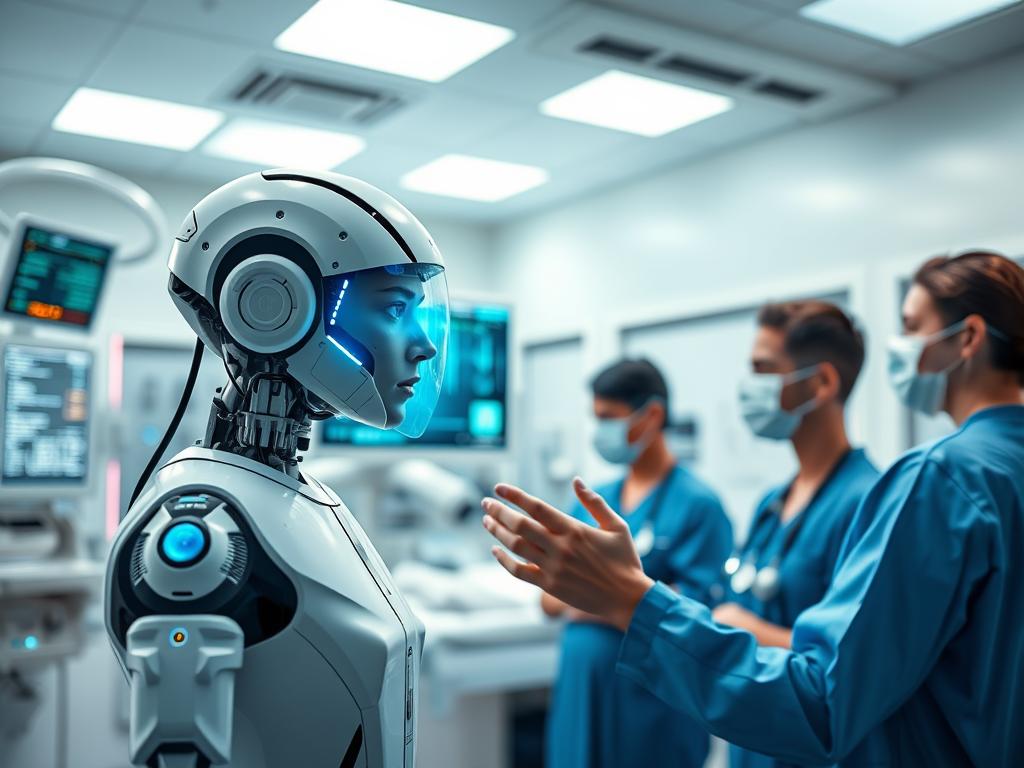
2. AI in Diagnosis: A New Era of Precision Medicine
1) Real-Time and Accurate Diagnoses
AI-powered diagnostic tools analyze medical data faster and more accurately than ever before.
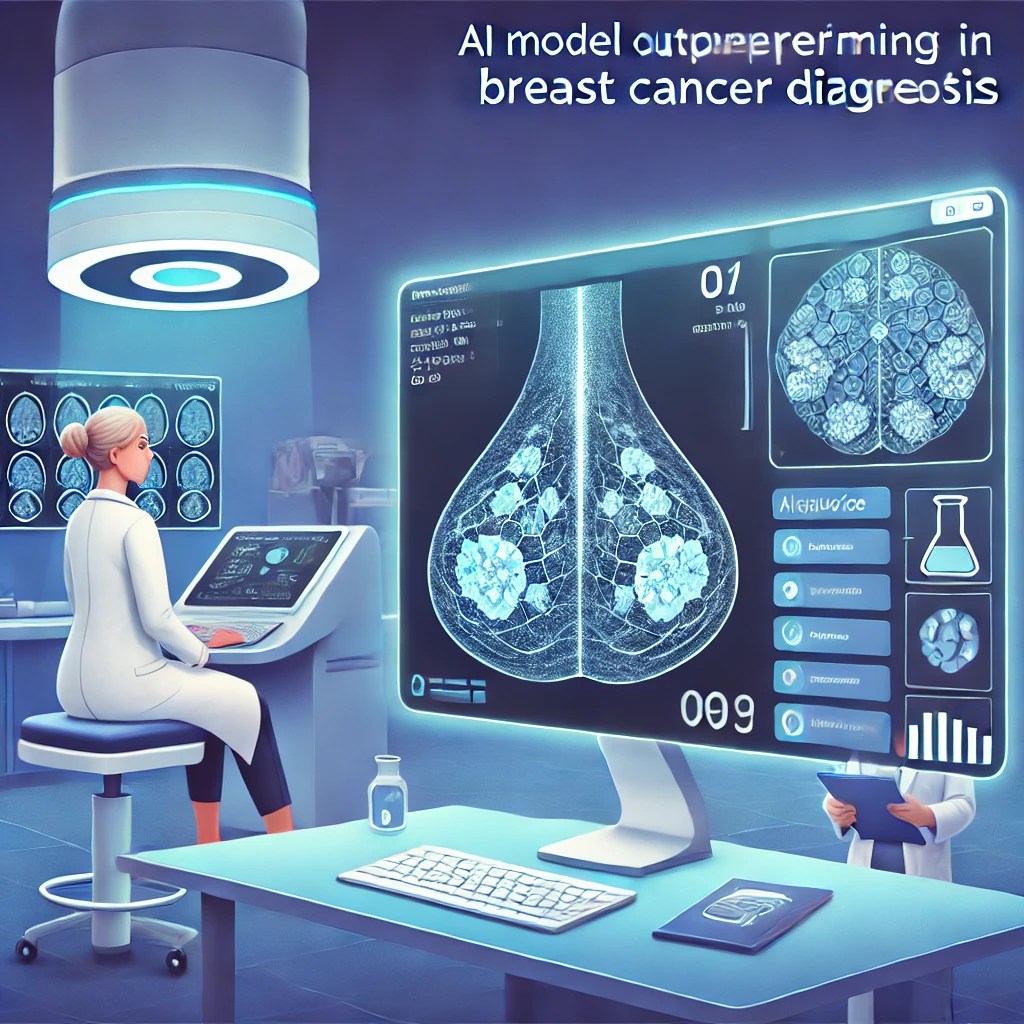
- Imaging Excellence: Google’s DeepMind has developed AI systems capable of detecting eye diseases and breast cancer from imaging scans, often outperforming human radiologists.
- Example: A 2020 study published in Nature showed that an AI model reduced false negatives in breast cancer detection by 9.4% compared to radiologists.
- Early Detection: AI identifies subtle patterns in data that signal early stages of diseases like Alzheimer’s, diabetes, or heart disease.
2) Combating Diagnostic Errors
- Significance: Diagnostic errors account for nearly 10% of patient deaths annually, according to a Johns Hopkins study. AI reduces these errors by cross-referencing millions of medical cases.
- Real-World Application: IBM Watson successfully diagnosed a rare form of leukemia in a patient by analyzing genetic data alongside millions of medical journals.
3. AI in Treatment Planning: Precision and Personalization
1) Personalized Medicine for Better Outcomes
AI customizes treatment plans based on a patient’s genetics, lifestyle, and medical history.
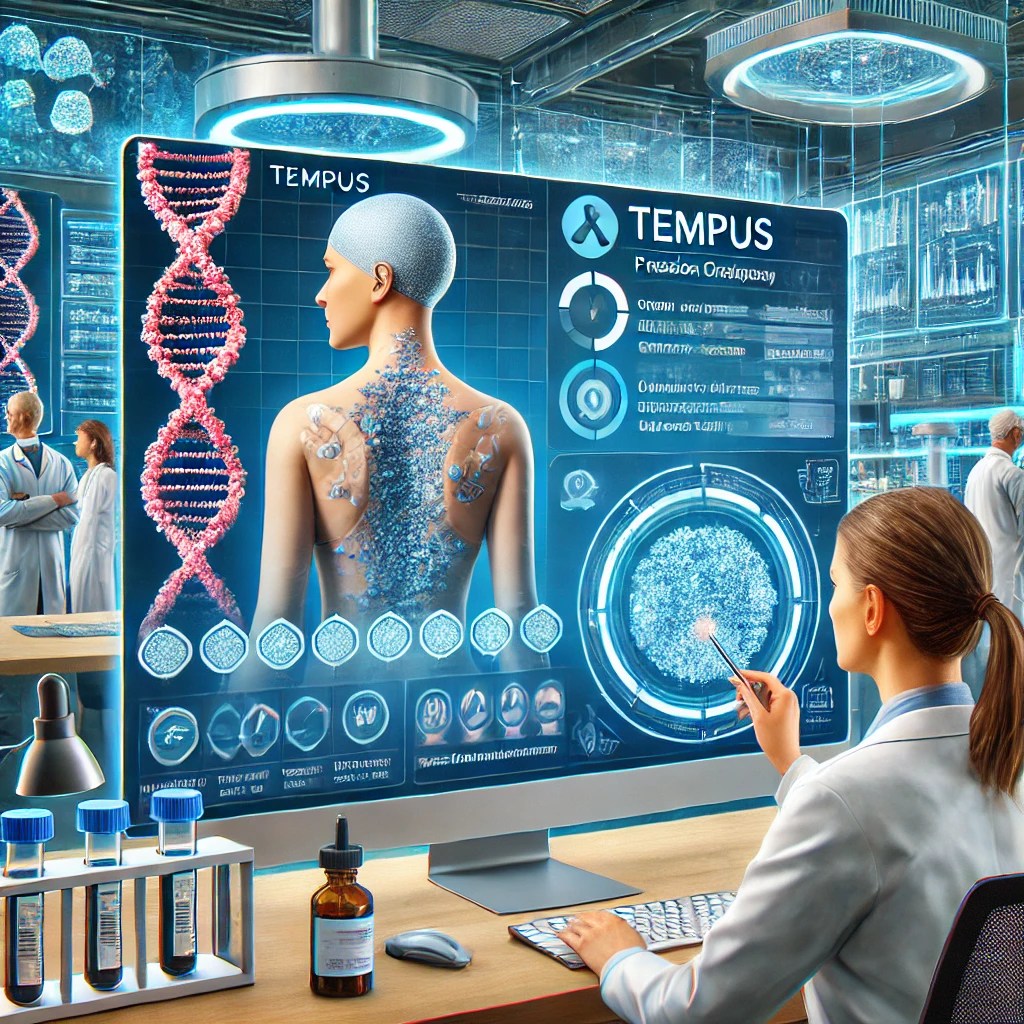
- Precision Oncology: AI tools like Tempus analyze cancer patient data to recommend therapies tailored to specific genetic mutations.
- Example: A patient with metastatic breast cancer benefited from an AI-recommended immunotherapy, achieving remarkable recovery rates.
2) Predicting Treatment Responses
AI predicts how patients will respond to treatments, reducing trial and error in care.
- Case Study: Mayo Clinic’s AI algorithm predicts post-surgical recovery rates, helping surgeons adjust care plans preemptively.
3) Assisting in Complex Surgeries
AI-powered surgical robots enhance precision and safety.
- Highlight: The da Vinci Surgical System allows for minimally invasive procedures, reducing recovery time and post-surgical complications.
4. Patient Monitoring and Support: From Wearables to Virtual Care
1) Continuous Patient Monitoring
Wearable devices equipped with AI provide real-time insights into patient health.
- Examples: Apple Watch and Fitbit detect irregular heart rhythms, potentially preventing strokes.
- Statistic: According to Harvard Medical School, wearable devices reduced emergency hospital visits by 20% in chronic disease patients.
2) Virtual Health Assistants
AI-powered chatbots and assistants provide 24/7 patient support.
- Capabilities: Answering medical queries, scheduling appointments, and reminding patients to take medications.
- Real-World Use: Florence, an AI nurse assistant, helps chronic disease patients manage their symptoms effectively.

3) Remote Patient Monitoring During Pandemics
AI proved invaluable during the COVID-19 pandemic by enabling remote symptom tracking and care.
- Example: Current Health’s AI-driven platform monitored patients at home, reducing the burden on overwhelmed healthcare facilities.
5. AI in Drug Discovery: Speeding Innovation
1) Accelerating Drug Development
AI reduces the average time for drug discovery, traditionally 10–15 years, to just months.
- Example: Insilico Medicine used AI to identify a drug candidate for fibrosis in 46 days, a process that typically takes years.

2) Drug Repurposing
AI identifies new applications for existing drugs, saving time and resources.
- Highlight: AI models accelerated the search for COVID-19 treatments by analyzing existing antiviral medications.
3) Enhancing Clinical Trials
AI predicts drug efficacy and selects suitable candidates for clinical trials.
- Example: Atomwise uses AI to simulate drug-protein interactions, increasing the success rate of trials.
6. Benefits of AI in Healthcare
1) Enhanced Accuracy and Speed
AI analyzes complex medical data quickly, reducing the chances of human error.
2) Improved Accessibility
AI-powered telemedicine bridges healthcare gaps in underserved and remote areas.
3) Cost Efficiency
AI optimizes healthcare processes, lowering costs associated with prolonged hospital stays and diagnostic errors.

- Statistic: A McKinsey report estimates that AI could save the healthcare industry $360 billion annually.
7. Challenges Facing AI in Healthcare
1) Data Privacy and Security
With AI heavily reliant on patient data, ensuring compliance with privacy laws like HIPAA is paramount.
2) Algorithmic Bias
AI models can inherit biases from training data, leading to disparities in care.
- Example: A widely criticized AI system used in U.S. hospitals favored white patients over Black patients for high-risk care due to biased datasets.
3) Integration into Existing Systems
Legacy healthcare systems often struggle to accommodate AI technologies due to infrastructure limitations.
8. The Future of AI in Healthcare: Opportunities and Innovations
AI’s potential to transform healthcare is limitless, from early disease prevention to global health accessibility. Future advancements may include:
- AI-Powered Preventive Medicine: Identifying diseases before symptoms even occur.
- Global Health Equity: Expanding access to AI-driven diagnostics and treatments in low-income regions.
Ethical considerations and international collaboration will play vital roles in shaping this future.
9. Conclusion: Embracing AI for a Healthier Tomorrow
AI is revolutionizing healthcare by making it more accurate, accessible, and cost-efficient. From diagnosis to treatment and drug development, its applications are vast and impactful.
As we continue to innovate, we must address challenges like privacy concerns and algorithmic biases to ensure AI benefits all. Let’s embrace this transformative technology and work toward a healthier future.
Call to Action:
What excites you most about AI in healthcare? Have you experienced AI-driven medical care? Share your thoughts and stories in the comments below or join the conversation on social media!
 Summit Select
Leave a comment