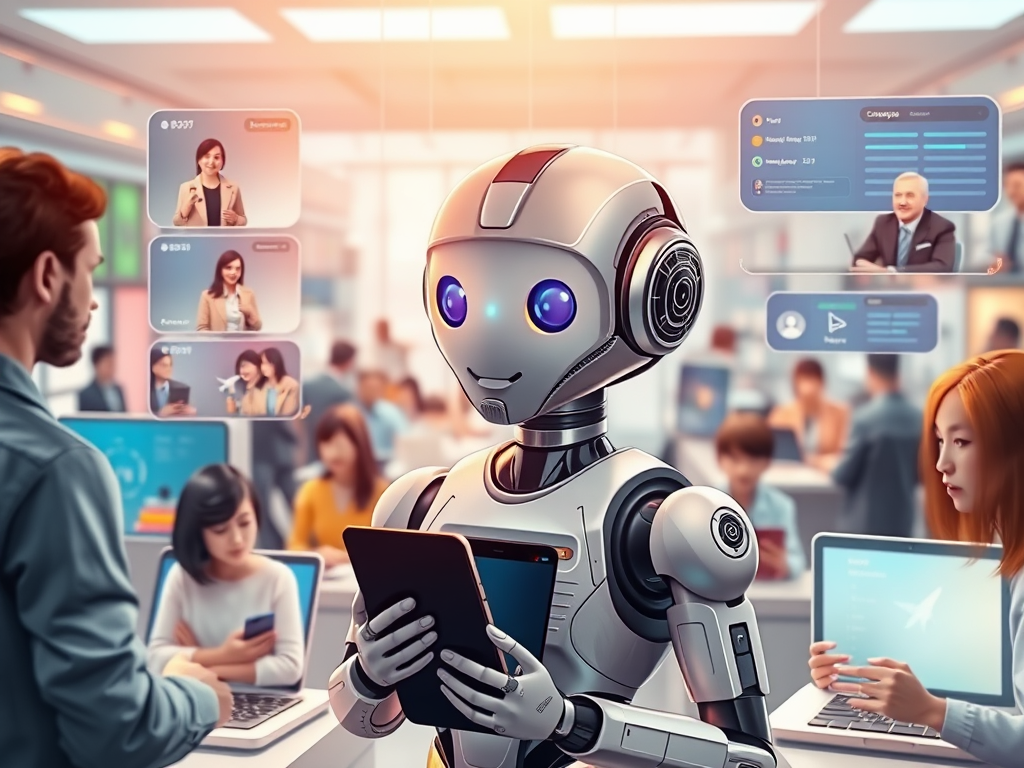
1. Introduction: The Revolutionary Potential of Chatbots
When was the last time you contacted customer support and had your issue resolved without waiting on hold?
Or found exactly what you needed on a shopping site within seconds?
Behind this convenience lies the innovation of chatbots. From e-commerce and healthcare to education, chatbots are becoming essential tools in various industries.
For instance, a major airline introduced AI-driven chatbots to handle customer requests like flight changes, reducing customer wait times by 50%. Chatbots are no longer just tools for saving time—they’re transforming how we live and work.
In this article, we’ll explore what chatbots are, how they work, their use cases, technical challenges, and their promising future.
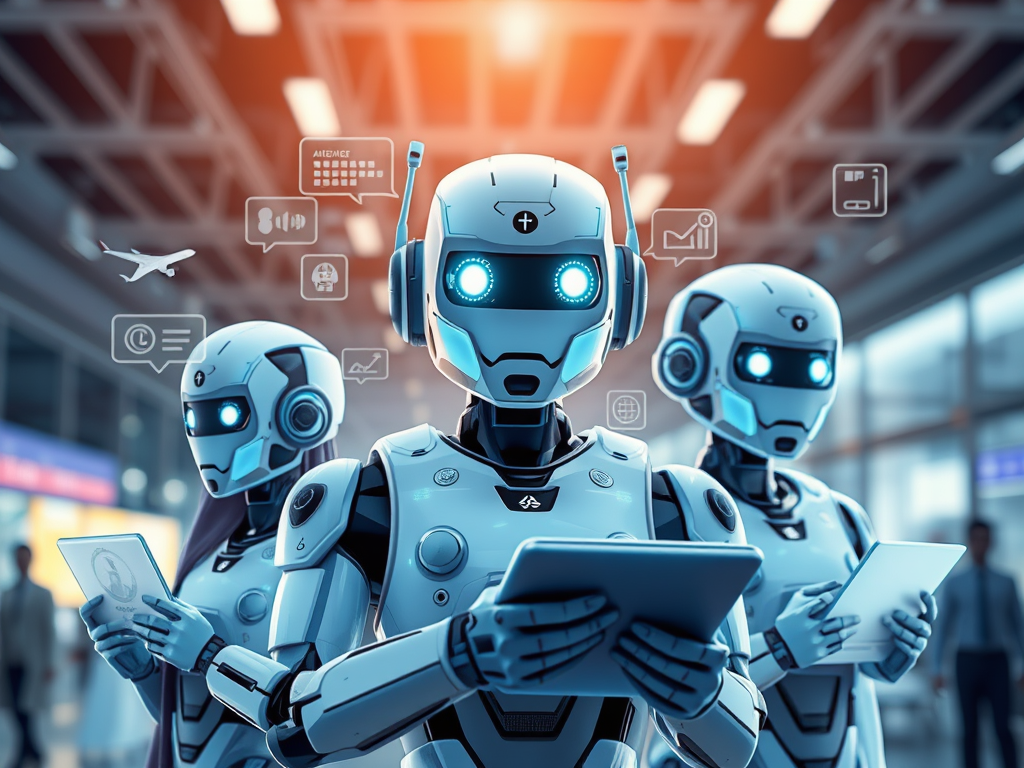
2. What Are Chatbots?
1) Definition and Role of Chatbots
Chatbots are software programs powered by AI and Natural Language Processing (NLP) technologies that can automatically respond to user queries or perform specific tasks.
- Rule-Based Chatbots: Operate using predefined commands and respond to simple queries like FAQs.
- Intelligent Chatbots: Use machine learning to understand conversation context and provide personalized responses.
2) How Chatbots Work
Chatbots combine several technologies to function seamlessly:
- Natural Language Processing (NLP): Analyzes user input to identify intent.
- Machine Learning: Learns from interactions to improve responses over time.
- API Integration: Connects to databases or external systems to provide real-time information.
3. Chatbot Use Cases: Technology We Encounter Daily
1) Customer Service
- 24/7 Support: Chatbots are available round-the-clock to resolve customer issues in real time.
- Example: Starbucks uses chatbots to let customers place orders and complete payments effortlessly.
- Effectiveness: Customer satisfaction increased by 30%, and order errors decreased.
- Efficient Problem Resolution: Handles repetitive inquiries (e.g., tracking orders), reducing workload for human agents.
- Statistic: According to Gartner, chatbots will handle 85% of customer service requests by 2025.

2) E-commerce and Shopping Assistance
- Personalized Recommendations: Chatbots analyze user preferences and purchase history to recommend products.
- Example: H&M’s chatbot provides personalized clothing suggestions based on customer style preferences.
- Seamless Transactions: Chatbots provide detailed information about products and support in completing payments.
3) Education and Learning
- Personalized Learning: Chatbots adapt to students’ learning speeds and styles to suggest appropriate content.
- Example: Duolingo’s chatbot offers language quizzes tailored to the learner’s skill level.
- Online Learning Support: Answers questions instantly, enhancing the efficiency of online education.
4) Healthcare
- Basic Health Consultation: Chatbots analyze symptoms and provide initial medical advice.
- Example: Babylon Health uses chatbots to assess symptoms and recommend nearby healthcare providers.
- Mental Health Support: Engages users in conversations to alleviate stress and suggests therapy options if needed.
4. Key Benefits of Chatbots
1) Faster and Efficient Responses
Chatbots eliminate wait times and can handle multiple requests simultaneously, improving customer satisfaction.
2) Cost Reduction
Automating repetitive tasks with chatbots allows staff to focus on complex problems.

- Example: Banks save millions annually by using chatbots to handle account inquiries and loan eligibility questions.
3) Improved Accessibility
Supports multiple languages and provides access for individuals with visual or hearing impairments.
5. Challenges and Solutions for Chatbots
1) Limitations in Natural Conversations
Some chatbots struggle to understand complex or nuanced questions.
- Solution: Advancements in machine learning and NLP are making chatbots increasingly capable of human-like conversations.
2) Data Security Concerns
Improperly managed data can lead to privacy violations.
- Solution: Implement encryption and adhere to data protection regulations like GDPR.

3) High Initial Development Costs
Developing and maintaining chatbots can be expensive.
- Solution: Utilize open-source platforms or cloud-based chatbot solutions to reduce costs.
6. The Future of Chatbots: At the Center of Innovation
1) Emotionally Aware AI
Future chatbots will recognize and respond to user emotions, creating more empathetic interactions.
2) Integration with Multi-Function Platforms
Chatbots will integrate with IoT (Internet of Things) to control smart home devices and support in-car navigation.
3) Expanding to Global Markets
With multilingual support and cultural adaptability, chatbots will play a vital role in global customer engagement.
7. Conclusion: Shaping the Future with Chatbots
Chatbots are more than just a tool—they are transforming how we communicate, shop, learn, and receive healthcare. Their potential is immense, and as technology advances, the possibilities will only grow.
Question:
What chatbot functionality do you think is most needed today? How would you like to see chatbots solve your daily challenges? Share your thoughts in the comments below!
 Summit Select
Leave a comment