
1. Introduction: “Bohemian Rhapsody,” A Legend Beyond Music
“Bohemian Rhapsody” is more than just a song—it is a masterpiece that redefined creativity and emotion in music. By blending classical, opera, and rock genres into a seamless composition, the track broke boundaries and cemented itself as a testament to the genius of Freddie Mercury, the lead vocalist and songwriter of Queen.
When it was released in 1975, its experimental style defied conventional rock music norms, garnering both praise and criticism. However, over time, “Bohemian Rhapsody” has become an iconic representation of rock music and one of the most beloved songs in modern music history. This article delves into Freddie Mercury’s creative vision, the process of crafting this masterpiece, and the lasting legacy it has left on the music world.

2. The Birth of “Bohemian Rhapsody”: Personal Struggles and Creativity Unleashed
1) Background: Freddie Mercury’s Personal Struggles
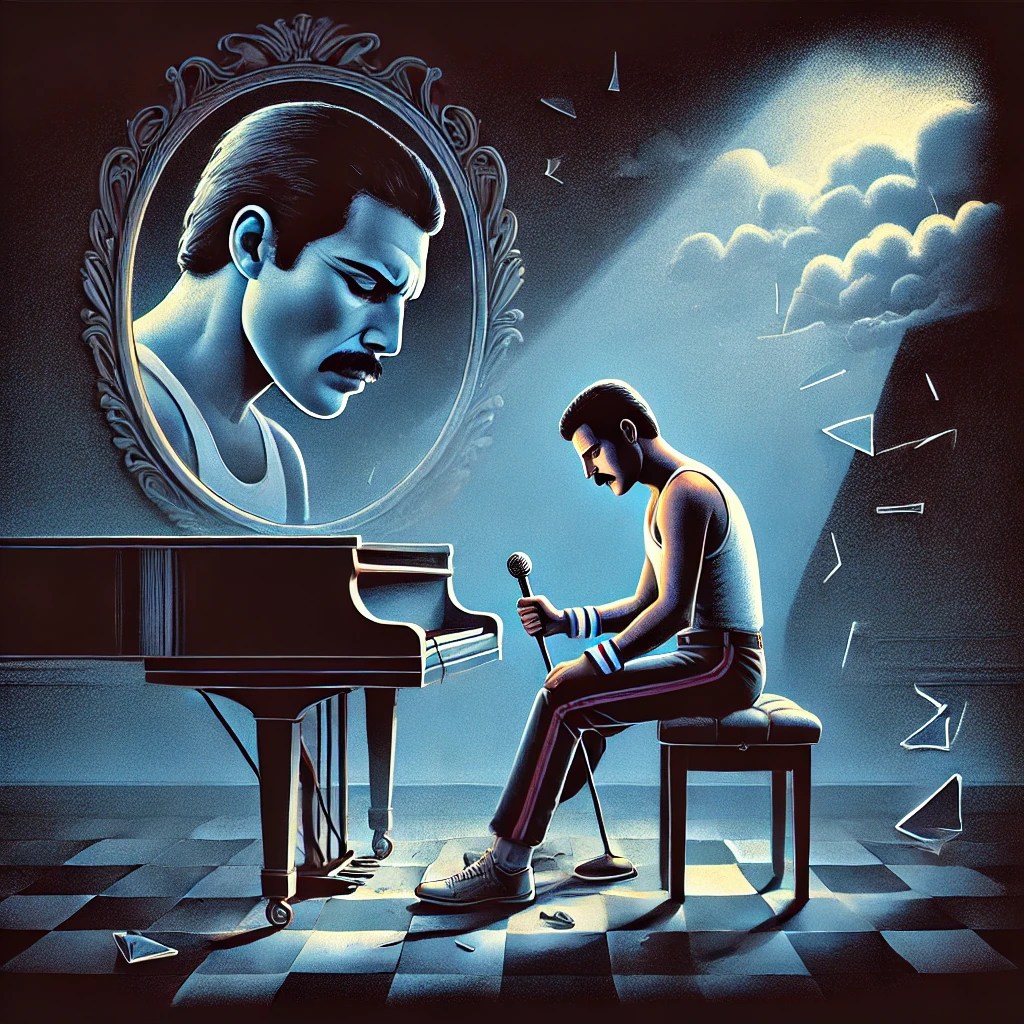
“Bohemian Rhapsody” is often interpreted as a reflection of Mercury’s internal conflicts and personal struggles.
- Identity Crisis: At the time, Freddie was grappling with questions about his sexuality and societal norms, leading to deep introspection.
- A Personal Confession: Lines like “Mama, I just killed a man” have been interpreted as metaphors for his inner turmoil and transformation, symbolizing the shedding of his past self.
2) The Creative Process: Passion and Genius in Action
Mercury conceptualized the song’s structure using piano and guitar, envisioning every section of the song in his mind before presenting it to the band. He guided his bandmates with precision, ensuring every detail aligned with his artistic vision.
Anecdote: Queen’s guitarist, Brian May, recalled, “Freddie came to us with the song already fully planned in his mind. His passion and determination convinced us to trust the project completely.”
3. The Unique Structure of “Bohemian Rhapsody”
1) Six Musical Sections: A Fusion of Genres
Unlike traditional song formats, “Bohemian Rhapsody” consists of six distinct sections:
- A cappella Intro: Opens with the haunting question, “Is this the real life? Is this just fantasy?”, exploring themes of reality and illusion.
- Ballad Section: Mercury’s emotional piano melodies and heartfelt vocals set the tone.
- Guitar Solo: Brian May’s electrifying solo marks a dramatic shift in the song’s energy.
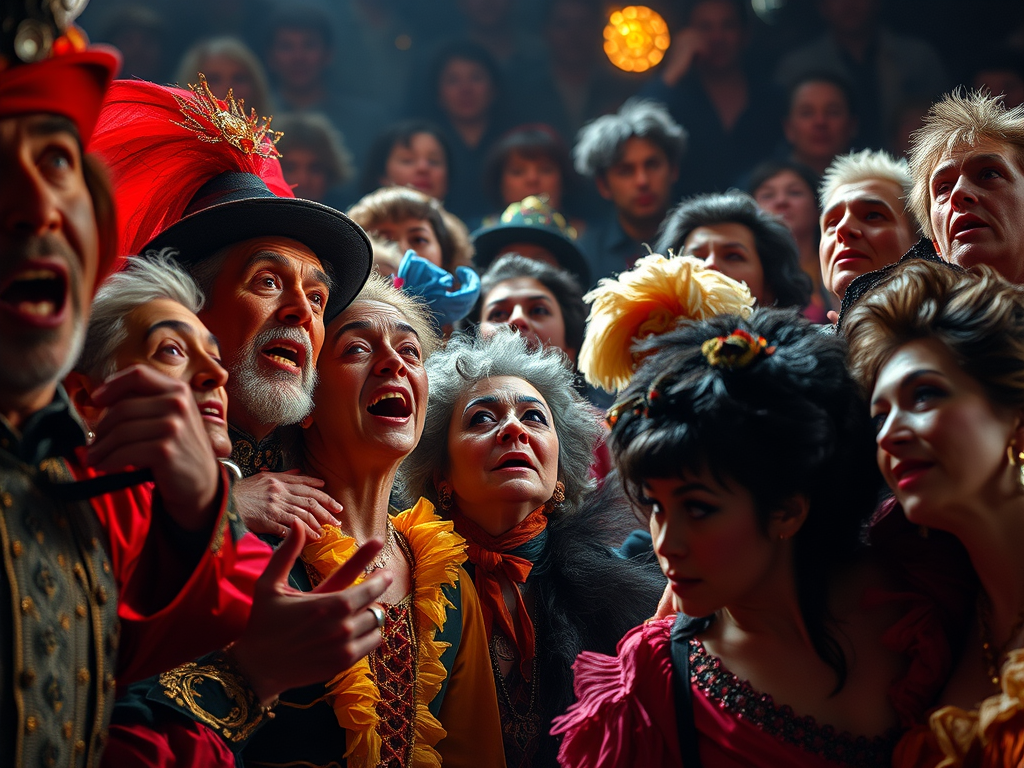
- Opera Section: A theatrical, layered chorus with lines like “Galileo!” creates an eccentric and dramatic atmosphere.
- Hard Rock Section: A powerful explosion of drums and guitar riffs forms the song’s climactic peak.
- Outro: The song concludes softly, leaving listeners with a sense of introspection and awe.
2) Symbolism in the Lyrics
The lyrics remain open to interpretation, adding to the song’s mystique.
- Some see it as Mercury’s confessional narrative, while
- Others believe it’s a fictional tale of redemption and guilt.
Mercury’s Philosophy: When asked about the meaning, Freddie stated, “I want people to interpret it in their own way,” emphasizing the freedom of personal interpretation.
4. Reception and Public Response
1) Initial Criticism
Upon its release in 1975, “Bohemian Rhapsody” received mixed reviews from critics.
- Too Experimental: Some labeled it “over-the-top” and “self-indulgent.”
- Length Controversy: At over six minutes long, the track defied radio-friendly norms of the time.
2) Fans’ Overwhelming Support
Despite criticism, Queen’s fans embraced the song wholeheartedly.
- The Role of the Music Video: The accompanying video was groundbreaking, using innovative visual techniques to complement the music. It also paved the way for the modern music video era.
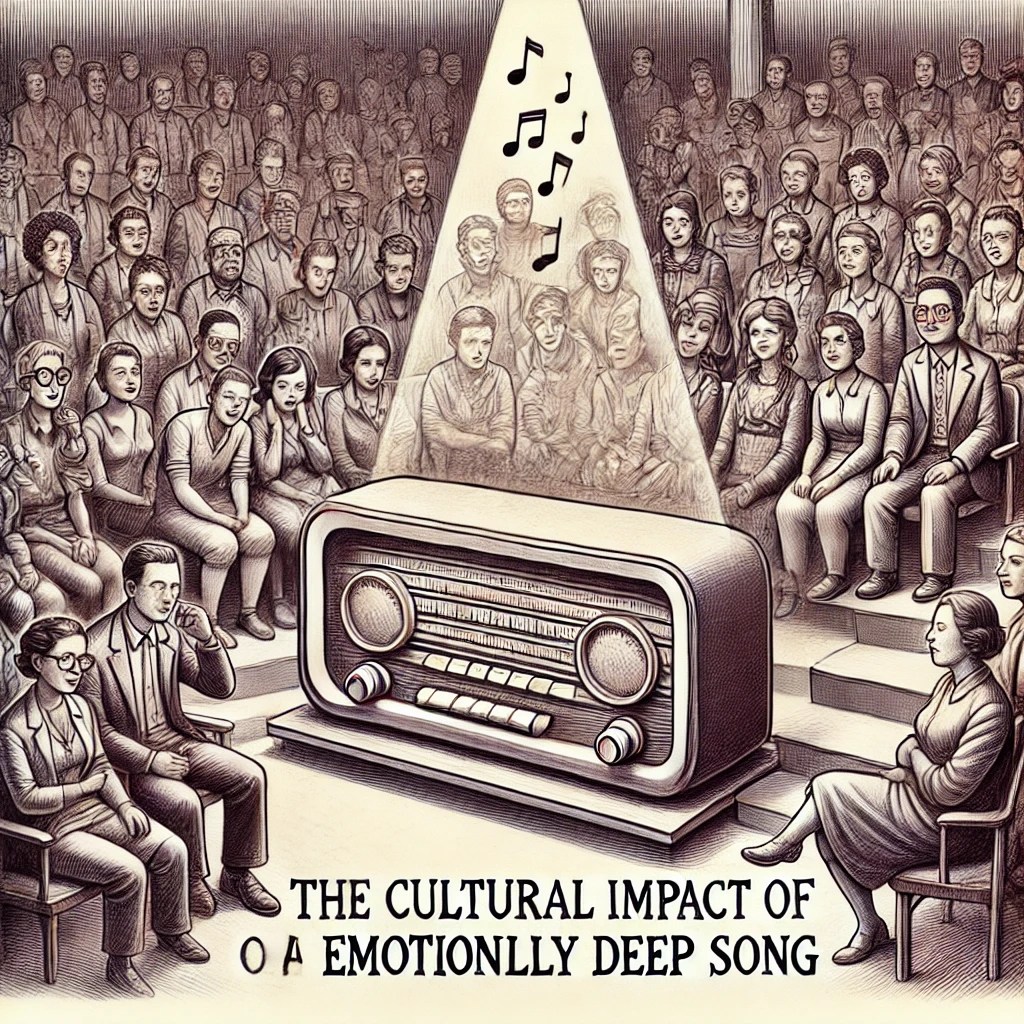
- A Cultural Phenomenon: The song’s unique structure and emotional depth resonated deeply, allowing it to grow in popularity over time.
5. The Legacy of “Bohemian Rhapsody”: A Symbol of Rock Music
1) Influence on Modern Music
- Genre Fusion: The seamless blending of rock, opera, and classical styles inspired artists like Lady Gaga and Muse to experiment with genre boundaries.
- Revolutionizing Music Videos: The song’s visual representation redefined how music could be marketed, influencing generations of artists.
2) The Success of the Film “Bohemian Rhapsody”
The 2018 biopic of the same name brought renewed attention to Mercury’s life and Queen’s music, becoming a global sensation.

6. Lessons from “Bohemian Rhapsody”
1) Embrace Creativity
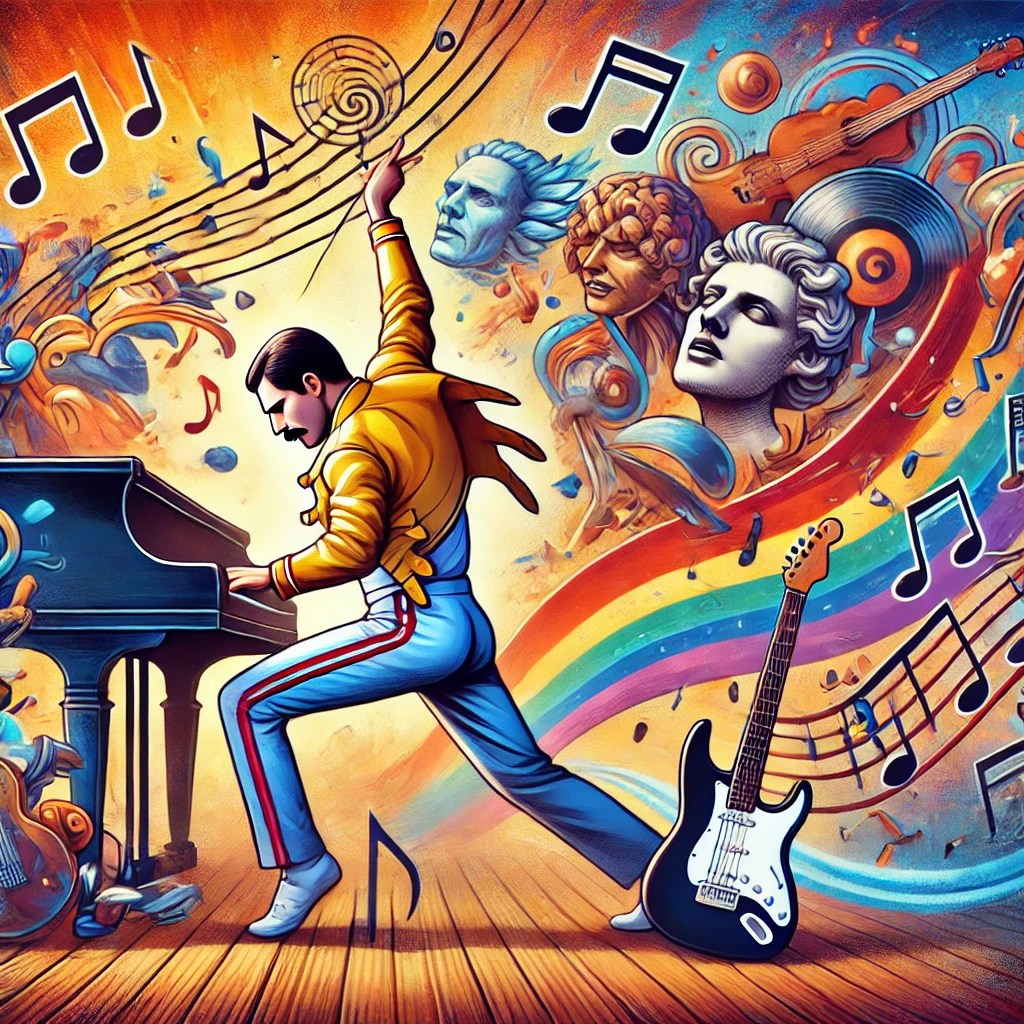
Freddie Mercury showed that breaking away from traditional norms can lead to groundbreaking success. His bold choices remind us to embrace innovation fearlessly.
2) Find Your Voice
The song reflects Mercury’s journey to self-acceptance and self-expression, teaching us the value of authenticity.
3) Stand Firm Amid Criticism
Despite initial backlash, Mercury remained steadfast in his vision. This determination underscores the importance of confidence in one’s ideas.
Conclusion: Freddie Mercury’s Timeless Influence
“Bohemian Rhapsody” transcends generations, delivering a message of creativity, courage, and resilience. Freddie Mercury’s genius and authenticity shine through every note, inspiring millions around the globe.
Decades after its release, the song remains a cultural and musical icon, proving that true art knows no boundaries.
Question:
What does “Bohemian Rhapsody” mean to you? Share your thoughts and personal interpretations in the comments below!
 Summit Select
Leave a comment