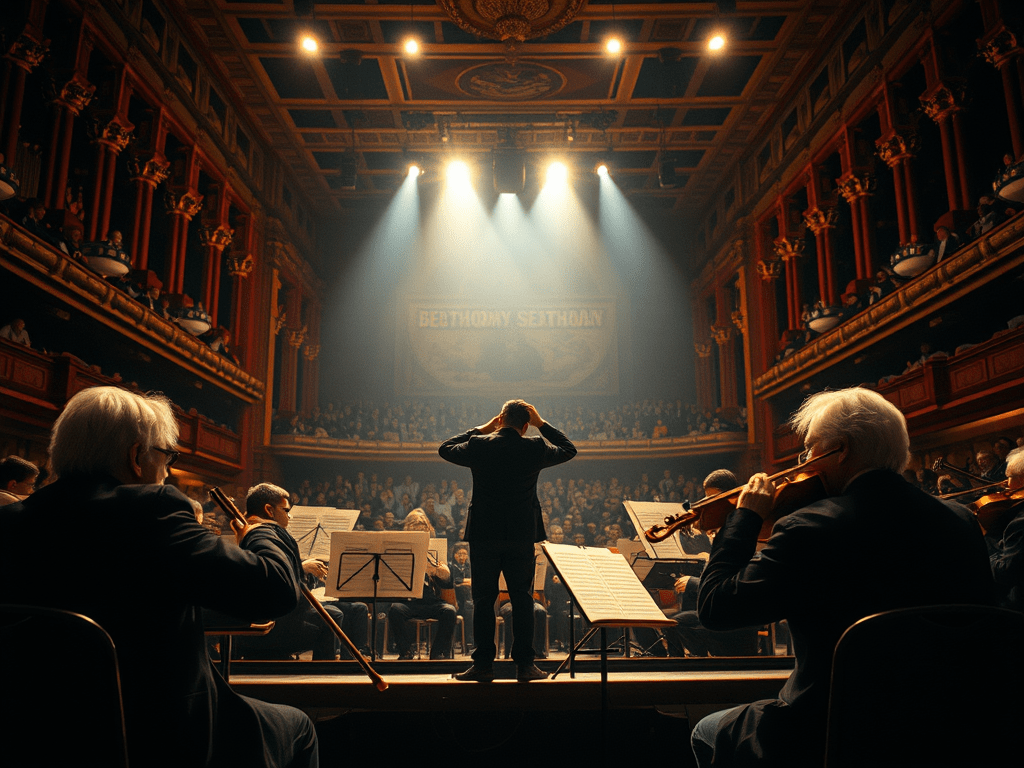
Introduction: Beethoven’s Legacy and the Power of Music
What does it mean to confront fate head-on? To turn adversity into triumph and create something timeless in the process? For Ludwig van Beethoven, these were not hypothetical questions—they defined his life and his work.
Among his many masterpieces, “Symphony No. 5 in C Minor”, also known as the “Fate Symphony,” remains one of the most iconic compositions in music history. Its thunderous opening motif has captivated audiences for over two centuries, symbolizing struggle, resilience, and ultimate victory.
But what makes this symphony so powerful? What can it teach us about facing life’s challenges? Let’s journey through Beethoven’s world, exploring his life, the creation of this masterpiece, and why it continues to resonate deeply with listeners today.
1. Beethoven’s Struggles: Creating Music in the Shadow of Silence
A Genius Under Siege
When Beethoven began working on Symphony No. 5 in 1804, his life was fraught with turmoil. By his mid-thirties, he had started to lose his hearing—a devastating blow for a musician.
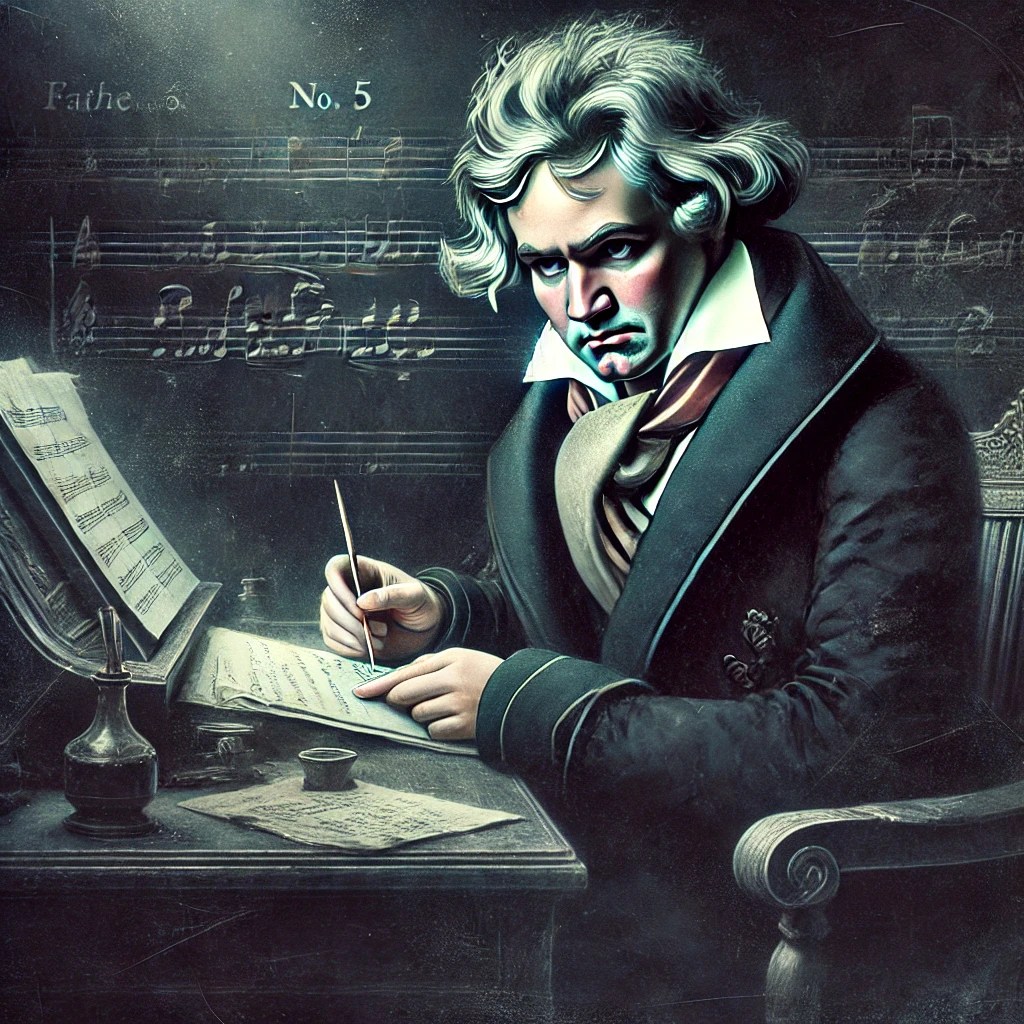
- The Personal Toll: Beethoven’s letters reveal his anguish. In the famous “Heiligenstadt Testament,” he admitted to contemplating ending his life due to his growing isolation.
- Loneliness and Despair: His deafness severed his connection to the world, but it also pushed him inward, deepening his creative process.
Turning Pain into Art
Instead of succumbing to despair, Beethoven resolved to fight back. Symphony No. 5 became a declaration of his defiance against the forces that sought to silence him. He transformed his struggles into a work that speaks universally to the resilience of the human spirit.
2. The Structure of Symphony No. 5: A Journey from Darkness to Light
The Iconic Opening Motif
The symphony begins with four explosive notes: “da-da-da-dum.”

- “Fate Knocking at the Door”: This famous interpretation captures the motif’s dramatic intensity, likening it to the inescapable call of destiny.
- The Symbolism: These notes establish the symphony’s central theme—a struggle between despair and triumph.
The Four Movements: A Story in Sound
Each movement contributes to the symphony’s narrative arc:
- First Movement (Allegro con brio): Bold and intense, it introduces the theme of struggle.
- Second Movement (Andante con moto): Reflective and lyrical, offering moments of solace and hope.
- Third Movement (Scherzo): Playful yet shadowed by tension, hinting at eventual triumph.
- Fourth Movement (Allegro): A radiant conclusion, celebrating victory with unbridled energy and optimism.
This progression from darkness to light mirrors Beethoven’s personal journey, as well as the universal human experience of overcoming adversity.
3. The Cultural and Emotional Impact of Symphony No. 5
A Universal Anthem of Resilience
While deeply personal to Beethoven, Symphony No. 5 speaks to struggles we all face. Its themes of defiance and hope are timeless, making it one of the most relatable works in the classical canon.
A Historical and Cultural Icon
- World War II: The opening motif became a symbol of Allied victory, as its rhythm matched the Morse code for the letter “V” (•••−).
- Pop Culture: From films to commercials, the symphony’s motifs are embedded in global consciousness, demonstrating its lasting relevance.
Quote: “Music is the mediator between the spiritual and the sensual life.” – Ludwig van Beethoven
4. Comparisons and Modern Relevance
Relating Beethoven’s Struggles to Modern Challenges
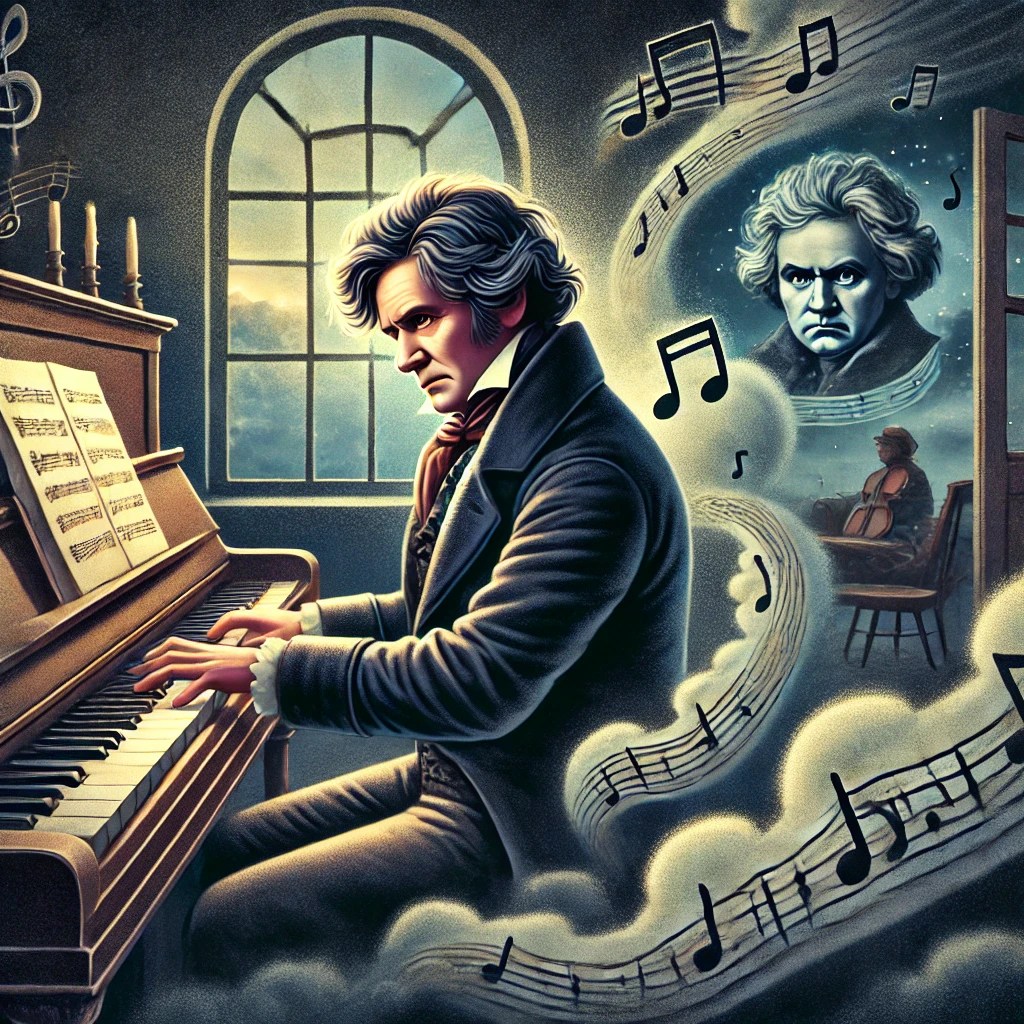
Beethoven’s perseverance in the face of his deafness mirrors the struggles of countless individuals today. Whether it’s battling illness, navigating personal loss, or facing societal challenges, his story inspires us to push forward.
- Artists Who Resonate: Compare Beethoven to figures like Frida Kahlo, who turned physical pain into visual masterpieces, or Stephen Hawking, who achieved groundbreaking scientific work despite a debilitating condition.
- A Modern Lens: Beethoven’s story reminds us that creative expression can be a powerful tool for resilience and self-discovery.
5. The Legacy of Symphony No. 5
Why It Endures
Symphony No. 5 is more than just a musical composition—it’s a declaration of the human spirit. Its blend of emotional intensity and structural brilliance continues to captivate listeners and inspire musicians.
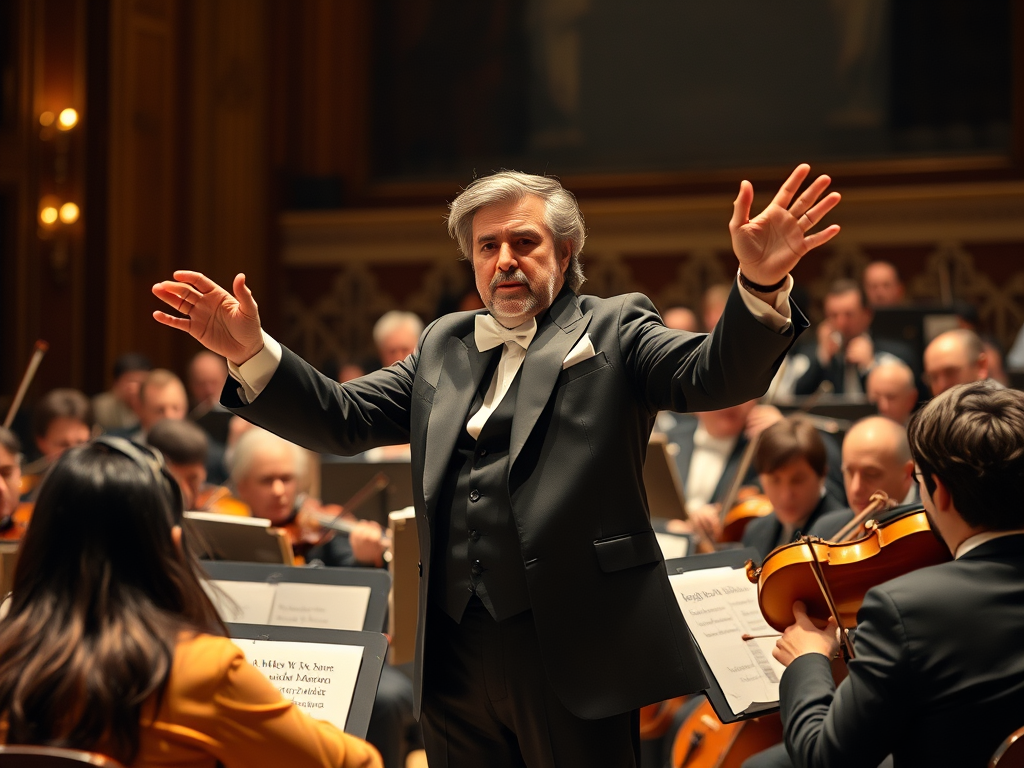
- Concert Halls Worldwide: Symphony No. 5 remains one of the most performed works in history, a staple in orchestral repertoires.
- For New Generations: Modern audiences find fresh meaning in its timeless themes, proving its enduring appeal.
A Testament to Creativity
Beethoven’s ability to channel his pain into art challenges us to view adversity as an opportunity for growth. Symphony No. 5 stands as a beacon of hope, showing that even in the darkest times, creativity can illuminate the path forward.
6. How Beethoven’s Symphony No. 5 Inspires Us Today
Lessons We Can Learn
- Embrace Adversity: Beethoven turned his greatest challenge into his greatest triumph, reminding us that struggles can lead to profound achievements.
- Express Yourself: His symphony encourages us to find our unique voice, whether through art, words, or actions.
- Celebrate Victory: The symphony’s final movement is a triumphant reminder that perseverance often leads to success.

Engaging with the Music
Listening to Symphony No. 5 today offers more than just a musical experience—it’s a journey through resilience, hope, and the power of human creativity.
Conclusion: Beethoven’s Legacy Lives On
Beethoven’s Symphony No. 5 is a masterpiece that transcends time and culture. It is both a deeply personal expression of his battles and a universal anthem of triumph.
For over 200 years, its opening notes have reminded us of the resilience of the human spirit. Whether you’re a classical music aficionado or a newcomer, Beethoven’s “Fate Symphony” invites you to reflect on your own journey and find strength in its message.
What’s Your Connection to Symphony No. 5?
Has Beethoven’s music inspired you? What does Symphony No. 5 mean to you? Share your thoughts in the comments—we’d love to hear your story.
 Summit Select
Leave a comment