1. Introduction: The Significance of Autonomous Vehicles
Imagine a world where traffic accidents are virtually eliminated, congestion is a thing of the past, and mobility is accessible to everyone. This vision is becoming a reality thanks to the rise of autonomous vehicles (AVs) powered by advanced AI technologies.
Globally, the autonomous vehicle market is expected to reach $1.6 trillion by 2035, transforming how we move and live. In South Korea, a leader in smart city innovation, AVs are at the forefront of transportation strategies, promising safer roads, reduced emissions, and greater efficiency.
In this article, we’ll delve into how autonomous vehicles work, explore their benefits and challenges, and examine South Korea’s role in driving this technological revolution.
2. What Are Autonomous Vehicles?
Defining Autonomous Vehicles
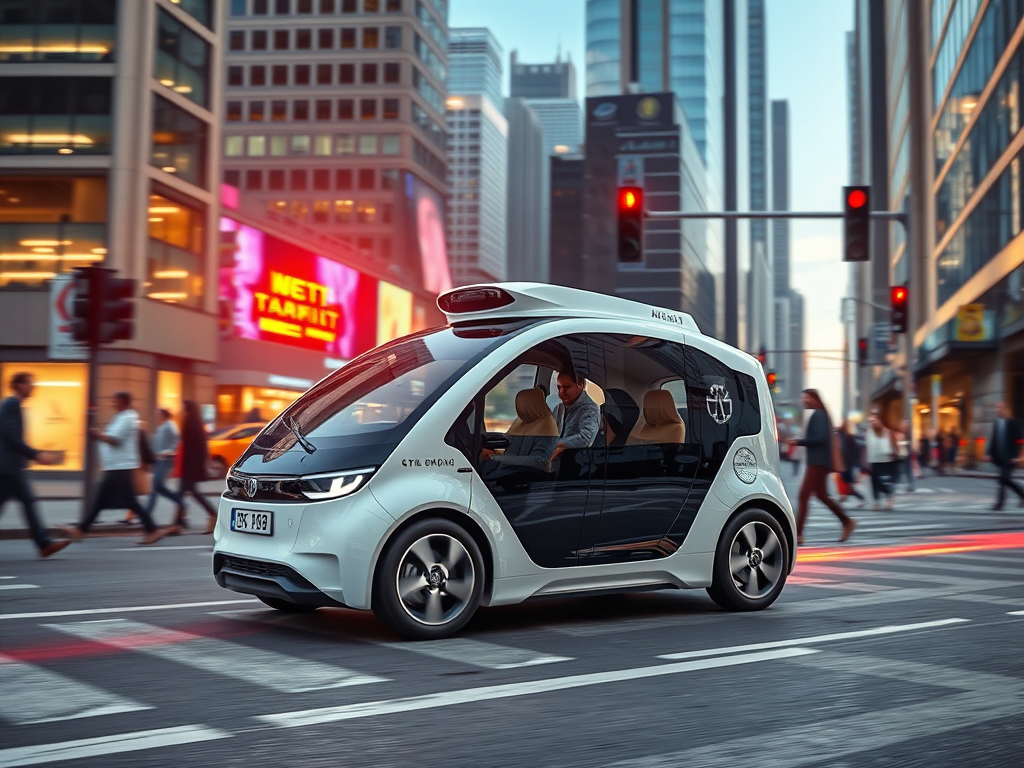
Autonomous vehicles are cars that use AI, sensors, and cameras to navigate and operate without human intervention. These vehicles analyze their surroundings, make decisions, and safely transport passengers to their destinations.
The Levels of Autonomy
Autonomous driving is categorized into five levels, each representing a progression in self-driving capability:

- Level 1: Driver assistance, such as cruise control.
- Level 2: Partial autonomy, where the car handles some tasks, but the driver remains engaged.
- Level 3: Conditional autonomy, with the car taking full control in specific conditions.
- Level 4: High autonomy, where human intervention is minimal.
- Level 5: Full autonomy, with no need for a human driver.
Most vehicles today operate at Level 2 or Level 3, but rapid advancements are bringing us closer to full autonomy.
3. How Do Autonomous Vehicles Work?
Key Technologies Behind AVs
Autonomous vehicles rely on a combination of advanced technologies:
- Sensors and LiDAR: Measure distance and detect objects like other vehicles and pedestrians.
- Cameras: Recognize traffic signals, road signs, and lane markings.
- GPS and HD Maps: Provide precise location data and optimal navigation routes.
- AI Software: Analyzes data in real time, enabling decision-making and path planning.
AI’s Role in Decision-Making
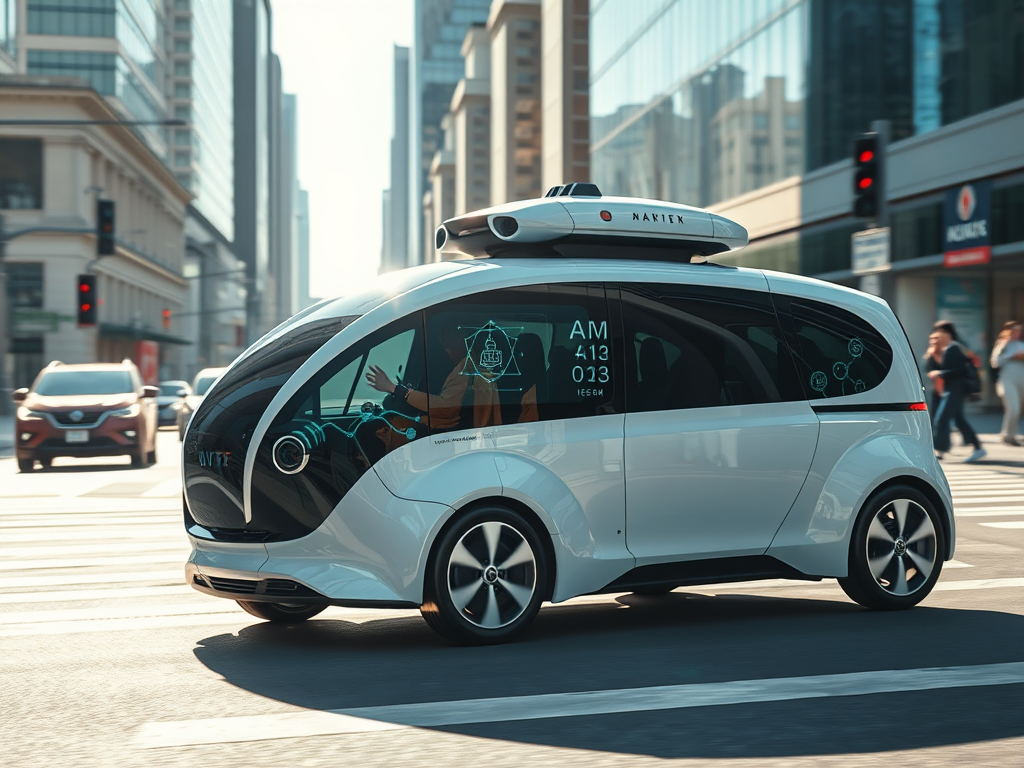
AI is the brain behind autonomous vehicles. Using machine learning, AVs analyze traffic patterns, predict pedestrian movements, and react to complex situations with incredible speed and precision.
Example: Tesla’s Autopilot system uses neural networks trained on millions of miles of driving data to improve safety and performance.
4. Advantages of Autonomous Vehicles
1) Reducing Traffic Accidents
Globally, over 1.3 million people die in road accidents annually, with most caused by human error. Autonomous vehicles aim to minimize these errors through precise decision-making and 24/7 alertness.
2) Alleviating Traffic Congestion
AI-powered vehicles can communicate with each other and traffic systems, optimizing traffic flow and reducing congestion. In Seoul, smart traffic management has shown promising results in easing rush hour jams.

3) Environmental Benefits
Autonomous vehicles are often paired with electric motors, maximizing fuel efficiency and significantly reducing greenhouse gas emissions.
4) Enhanced Accessibility
For the elderly, disabled, or those without licenses, AVs can provide newfound independence by offering safe, reliable transportation.
Real-World Impact:
A study by McKinsey & Company estimates that widespread adoption of autonomous vehicles could reduce global CO2 emissions by up to 300 million tons annually.
5. South Korea’s Progress in Autonomous Driving
1) Leading in Smart City Development
South Korea is at the forefront of integrating AVs into urban planning.
- Sejong Smart City: South Korea’s “city of the future” is testing autonomous shuttles and delivery vehicles.
- Busan Eco-Delta City: A hub for AV trials, aiming to become fully autonomous by 2030.

2) Hyundai’s Breakthroughs
Hyundai Motors, a global leader in autonomous technology, introduced Level 4 AVs for pilot testing in 2023. Its advanced driver-assistance systems (ADAS) are setting new industry standards.
3) Autonomous Taxis in Seoul
In 2022, Seoul launched pilot programs for autonomous taxis, offering residents a glimpse of future urban mobility.
4) Collaborative Startups
South Korea’s startups, like 42dot and StradVision, are contributing to the global AV ecosystem with cutting-edge software and AI solutions.
6. Challenges and Solutions in Autonomous Driving
1) Legal and Ethical Issues
- Who is liable in an accident?
Determining accountability—whether it’s the manufacturer, software developer, or vehicle owner—remains a complex challenge.
2) Data Security Risks
Autonomous vehicles rely on constant data exchange, making them vulnerable to cyberattacks. Solution: Enhanced encryption and secure cloud-based systems are being developed to mitigate these risks.
3) Technological Limitations
Adverse weather conditions, construction zones, and unpredictable human behaviors remain difficult for AI to navigate. Continuous training on diverse datasets is essential to overcome these hurdles.

4) Public Trust and Adoption
Despite advancements, public skepticism persists. Governments and companies must prioritize transparency and safety to build consumer confidence.
7. The Future of Autonomous Vehicles
1) Timeline for Full Autonomy
Experts predict that Level 5 AVs will become commercially viable by the mid-2030s. This milestone could reshape industries like logistics, public transportation, and car ownership models.
2) Integration with Smart Infrastructure
AVs will seamlessly integrate with smart cities, communicating with traffic systems, and reducing inefficiencies.
3) Global Collaboration
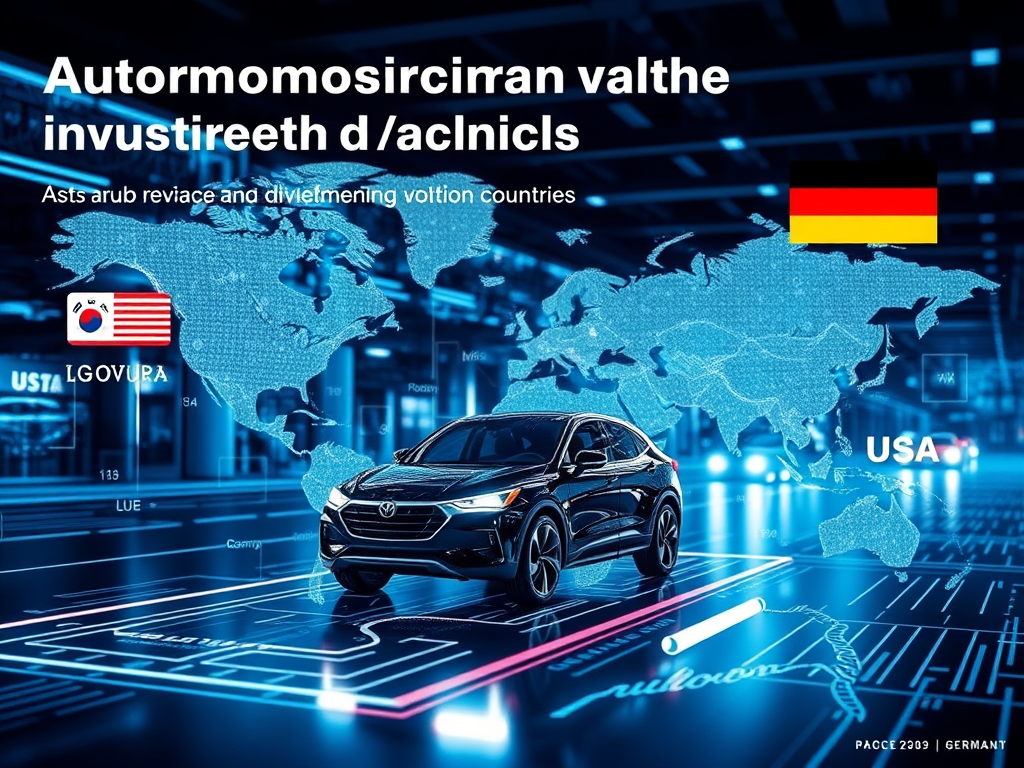
Countries like South Korea, the U.S., and Germany are investing heavily in research and development, signaling a unified push toward widespread AV adoption.
Conclusion: Paving the Way for an Autonomous Future
Autonomous vehicles represent more than just a technological advancement—they symbolize a shift toward safer, greener, and more efficient transportation. In South Korea, the government’s commitment to smart city initiatives and the private sector’s innovations highlight the nation’s role in shaping this future.
However, achieving widespread adoption requires addressing legal, ethical, and technical challenges while fostering public trust. With continued collaboration and innovation, autonomous vehicles are poised to transform the way we live and move within the next decade.
Question:
What are your thoughts on autonomous vehicles? Would you trust an AI-driven car to navigate your daily commute? Share your perspective in the comments!
 Summit Select
Leave a comment