
ntroduction: The Soulful Instrument with a Unique Story
Picture this: the smooth, sultry notes of a saxophone weaving through a smoky jazz club, carrying a melody that lingers in your mind long after the last note fades. The saxophone is not just an instrument; it’s a cultural icon, a bridge between classical music’s discipline and jazz’s freedom.
But how did this remarkable instrument come to life? The story of the saxophone is one of innovation, ambition, and a visionary named Adolphe Sax, whose determination changed the course of music history. Let’s dive into the captivating journey of the saxophone—from its invention to its enduring legacy in the modern musical landscape.
1. The Visionary Behind the Saxophone: Who Was Adolphe Sax?
A Lifelong Passion for Music
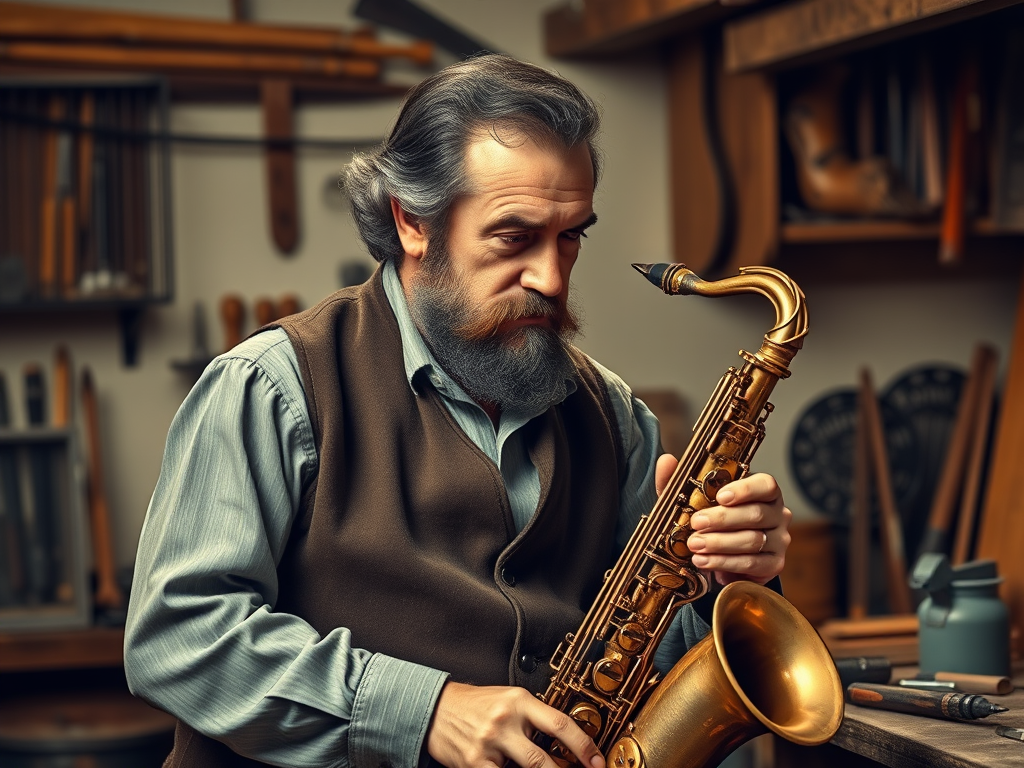
Adolphe Sax was born in 1814 in Dinant, Belgium, into a family of instrument makers. From an early age, he displayed an extraordinary talent for crafting and improving musical instruments, often tinkering with designs to create better sound quality.
Sax’s Big Dream
Sax envisioned an instrument that combined the emotional range of woodwinds with the power of brass. He wanted something versatile enough to fill the gaps in orchestras and military bands while offering a rich, expressive tone for solo performances.
Anecdote: Adolphe Sax was so obsessed with perfecting his craft that he narrowly survived multiple accidents, including inhaling toxic fumes from his workshop and even falling into a river as a child. These incidents earned him the nickname The Man Who Lived to Create the Saxophone.
2. The Birth of the Saxophone: How It Was Made
In the early 1840s, Sax began working on a revolutionary idea. His goal was to merge the best qualities of woodwind and brass instruments into a new hybrid.
The Anatomy of the Saxophone
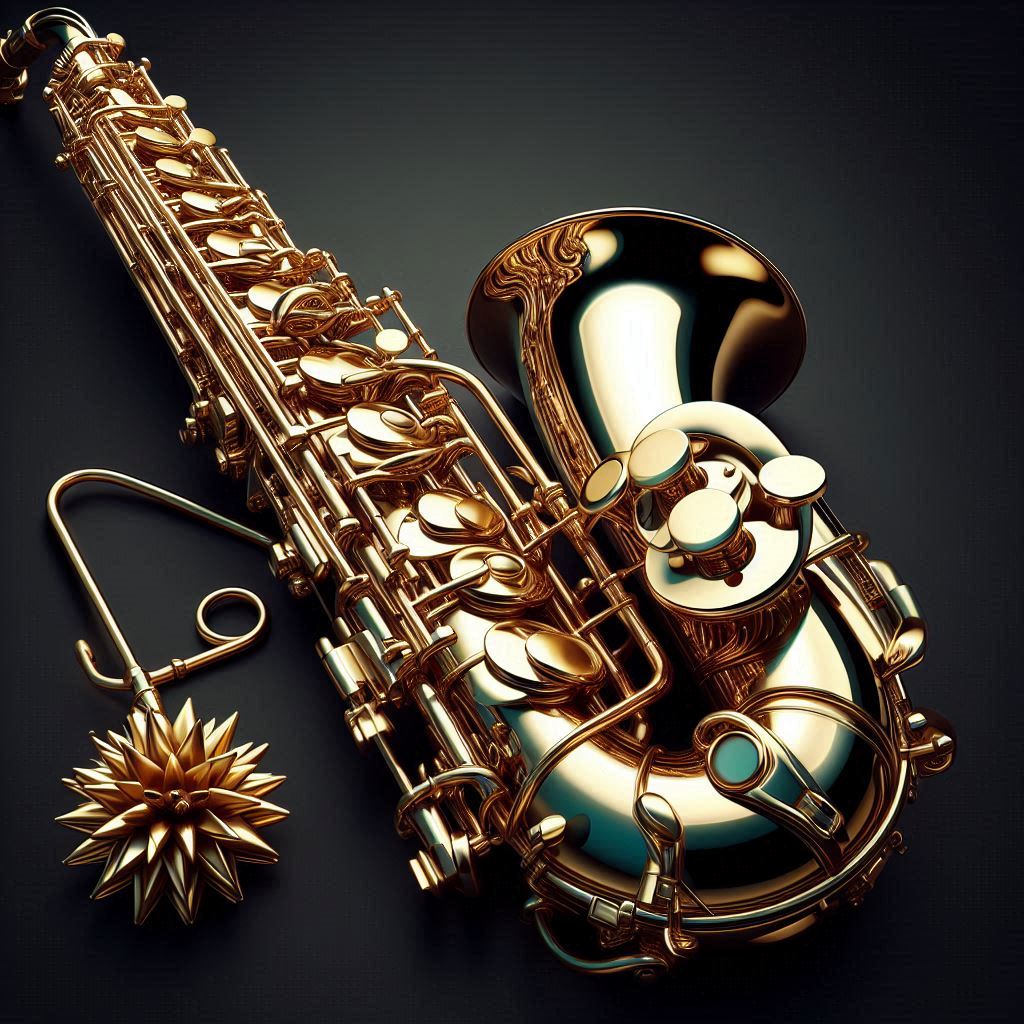
- Material: The body was made from brass, a material known for its durability and resonance.
- Mouthpiece: Sax incorporated a single-reed mouthpiece, similar to the clarinet, for ease of play and tonal flexibility.
- Unique Shape: The saxophone’s curved design not only amplifies its sound but also gives it its iconic look.
The First Saxophone
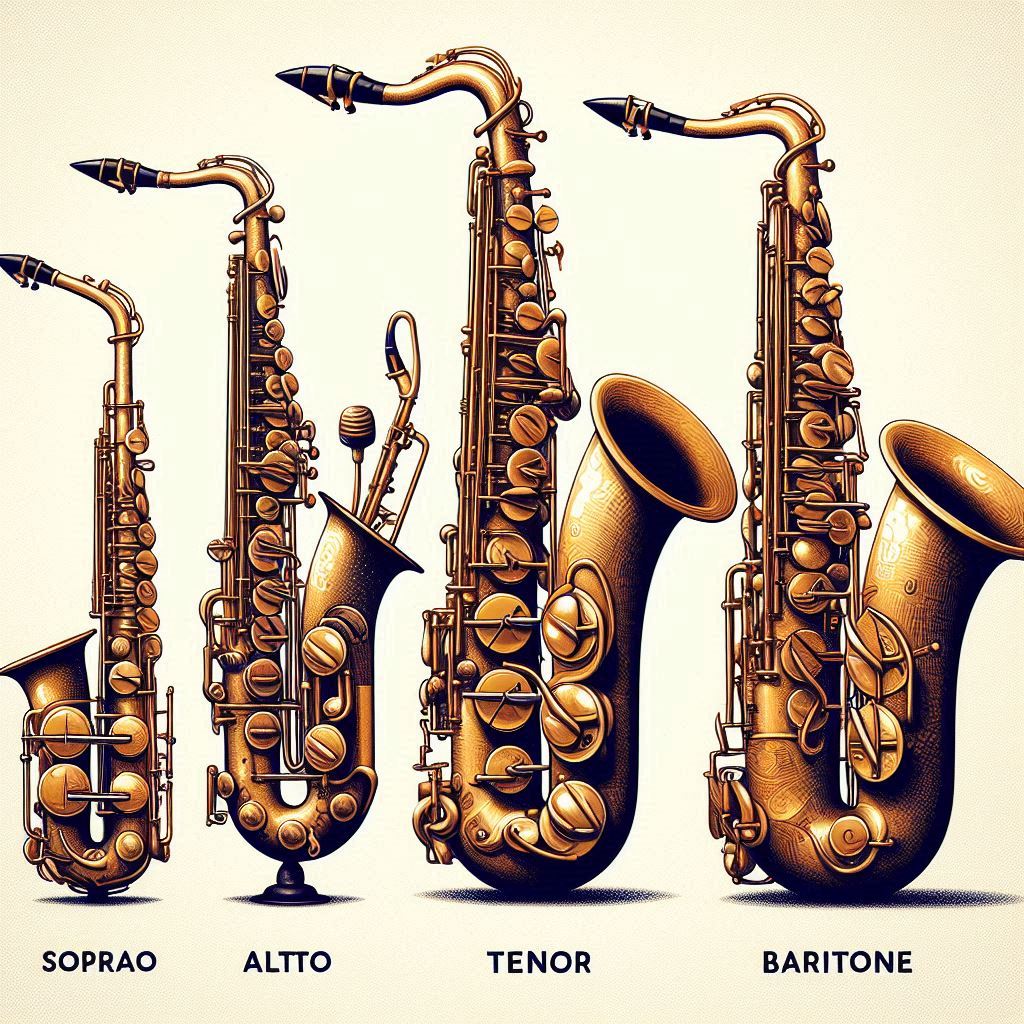
In 1846, Sax patented his invention, unveiling a family of saxophones ranging from the small, high-pitched sopranino to the deep, resonant contrabass. This innovation provided a complete range of tones, making it suitable for various musical genres.
Fun Fact: The saxophone’s name pays homage to its creator, combining “Sax” with the Greek word “phone,” meaning sound.
3. Challenges and Rivalries: A Rocky Start
Criticism from the Music World
The saxophone’s unconventional sound and design were met with skepticism. Many musicians and instrument makers accused Sax of disrupting tradition, and some even launched smear campaigns against him.
Legal and Financial Struggles
Sax faced numerous lawsuits from rival manufacturers who tried to challenge his patent. Despite his brilliance, these legal battles, combined with financial difficulties, pushed him to the brink of bankruptcy.
Sax’s Resilience
Despite these obstacles, Sax’s determination never wavered. He continued to refine his instrument and promote its potential, gradually winning over influential composers and musicians.
Quote: Composer Hector Berlioz once wrote, “The saxophone is an instrument of the future—its voice is as if it were speaking directly to the soul.”
4. The Saxophone’s Rise to Prominence
Adoption by Military Bands
One of Sax’s most strategic moves was introducing the saxophone to military bands. Its powerful sound and versatility made it ideal for outdoor performances, and it soon became a staple in military music across Europe.
Classical Music and Orchestras
Composers like Bizet and Ravel began incorporating the saxophone into their works, helping it gain credibility in the classical music world.
The Jazz Revolution
The 20th century saw the saxophone rise to unparalleled fame with the advent of jazz. Musicians like Charlie Parker, John Coltrane, and Lester Young showcased its versatility, using it to express the improvisational spirit of jazz.
Anecdote: Charlie Parker once said, “The saxophone is the extension of my voice. It lets me speak in ways words never could.”
5. Modern Saxophone: Evolution and Legacy
Cultural Impact
The saxophone’s influence extends beyond jazz. It’s been featured in blues, pop, rock, and even electronic music, making it one of the most versatile instruments in history.
Technological Advancements
Today’s saxophones are made with advanced materials and precision engineering, allowing musicians to fine-tune their sound. Custom finishes and ergonomic designs cater to players of all levels, from beginners to professionals.
Famous Performances
- Jazz: John Coltrane’s A Love Supreme is a masterpiece of saxophone artistry.
- Pop: George Michael’s Careless Whisper features one of the most iconic sax solos in music history.
- Film Scores: The saxophone often sets the mood in romantic and noir films, adding depth and emotion.
6. Why the Saxophone Remains Timeless
The saxophone’s unique ability to adapt to any genre or style has cemented its place as a timeless instrument. Its sound can be tender or powerful, playful or melancholy, making it a favorite for musicians and audiences alike.
The Future of the Saxophone
As technology advances, we may see even more innovative uses for the saxophone, including integration with digital music and experimental genres. Its legacy is far from over.

7. Fun Facts About the Saxophone
- Saxophone Family: There are four main types—soprano, alto, tenor, and baritone—but the original patent included 14 variations.
- World Records: The largest saxophone ever made is over 7 feet tall and weighs nearly 45 pounds.
- Global Reach: The saxophone is played in nearly every culture, from classical orchestras in Europe to jazz clubs in New Orleans.
Conclusion: The Saxophone’s Enduring Magic
From its humble beginnings in Adolphe Sax’s workshop to its status as a global musical icon, the saxophone’s story is one of innovation, resilience, and artistic expression. Its ability to transcend genres and eras makes it a true marvel of musical invention.
What’s Your Saxophone Story?
Do you play the saxophone, or do you have a favorite saxophone performance? Share your thoughts and experiences in the comments below—we’d love to hear your perspective!
 Summit Select
Leave a comment