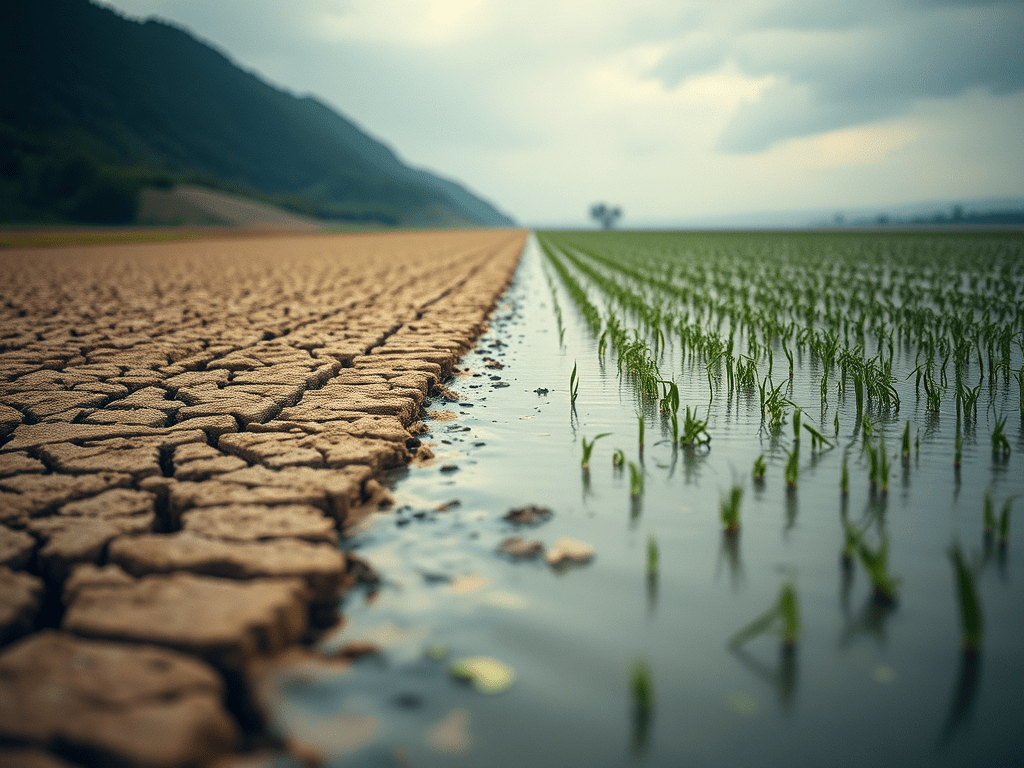
1. Introduction: How Climate Change Is Affecting Our Food and Wallets
Have you noticed your grocery bills creeping higher every week? Fresh produce, grains, and even coffee seem to be getting more expensive, and it’s not just inflation at play. Welcome to the era of Climateflation, where erratic weather patterns caused by climate change are disrupting agriculture, reducing crop yields, and driving up food prices worldwide.
Climateflation isn’t just an economic issue—it’s a wake-up call. It highlights the interconnectedness of our environment, food systems, and economies. In this post, we’ll dive deep into what climateflation is, how it’s affecting our food supply, and, most importantly, what we can do to adapt and respond.
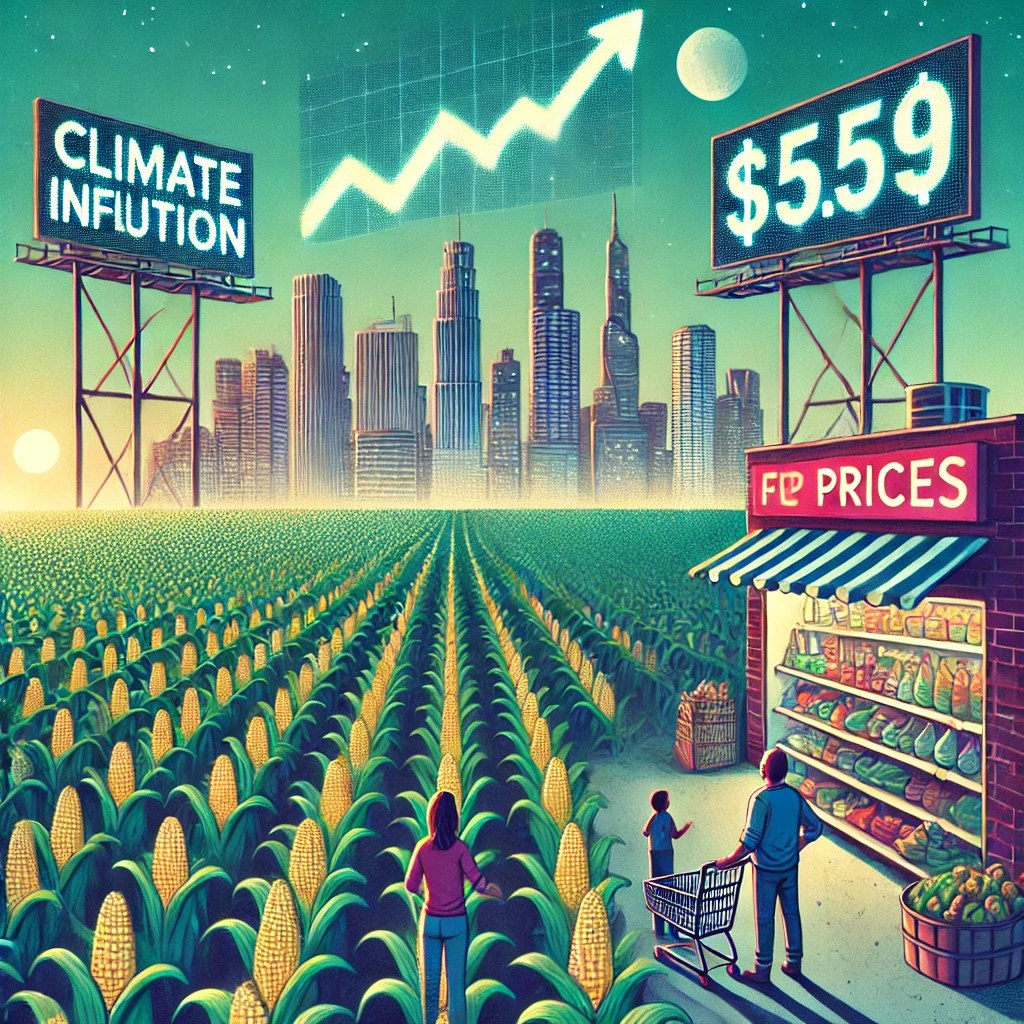
2. What Is Climateflation? The Link Between Weather and Rising Prices
Climateflation combines “climate change” and “inflation,” describing the rising cost of goods—particularly food—due to the impacts of extreme weather. Agriculture, being heavily dependent on stable weather conditions, is highly vulnerable to the disruptions caused by global warming.
From droughts to floods, climate change is altering the very foundation of our food systems, reducing crop yields, and creating shortages that lead to price spikes. These effects ripple through global supply chains, increasing costs for producers and consumers alike.
Transition:
“To understand the full scope of climateflation, let’s examine how changing weather patterns are affecting agriculture worldwide.”
3. How Climate Change Disrupts Agriculture
1) Heatwaves and Droughts
Higher global temperatures are making droughts and heatwaves more frequent and severe.
- Example: In 2022, Europe experienced record-breaking heat, slashing wheat yields by over 20%.
- Impact: Reduced water availability further strains crops like corn, soybeans, and rice, leading to lower harvests.
2) Floods and Torrential Rain
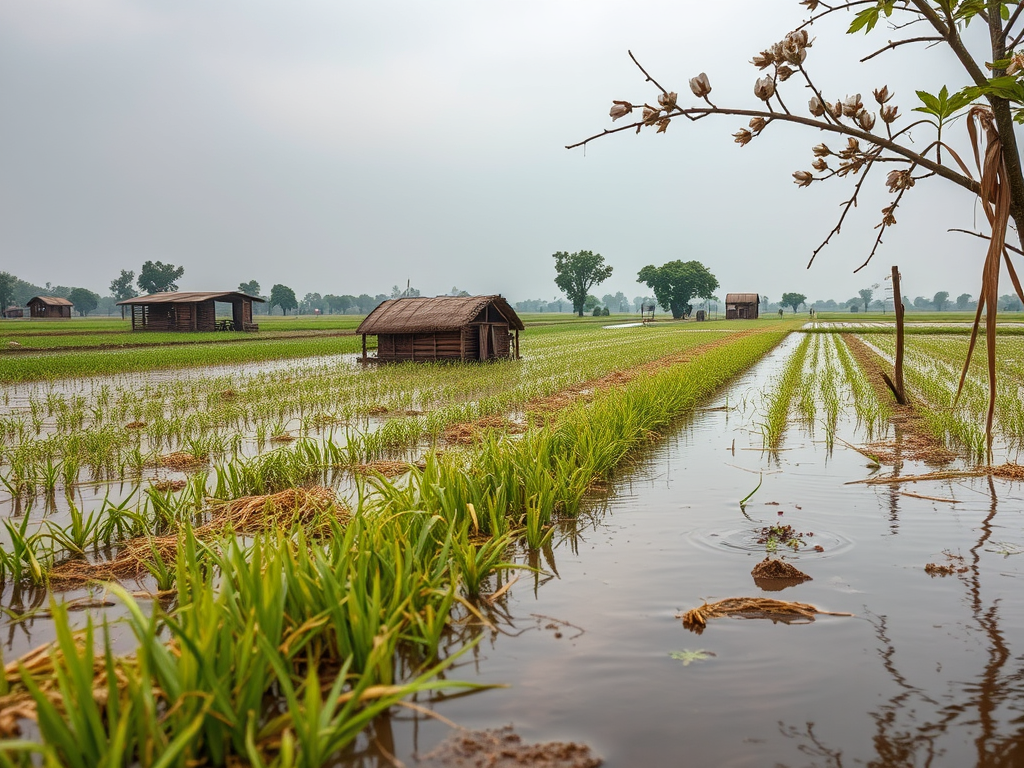
Excessive rainfall and flooding devastate fields, wash away fertile soil, and leave crops submerged.
- Example: In Pakistan, unprecedented floods in 2022 destroyed vast areas of rice and cotton fields.
- Impact: Floods not only ruin harvests but also damage infrastructure, delaying recovery and increasing costs.
3) Shifting Seasons and Unpredictable Weather
Traditional farming relies on predictable weather cycles. As seasons shift unpredictably, planting and harvesting schedules are thrown off.
- Example: Late frosts or sudden heatwaves can damage crops like fruit and nuts during critical growing periods.
Transition:
“These agricultural challenges have a direct impact on food prices, as supply shortages meet rising demand.”
4. Examples of Climateflation’s Impact on Food Prices
1) Wheat and Grain Prices
- Case Study: The Ukraine war and extreme heat in 2022 caused global wheat prices to surge by over 50%. Bread, pasta, and cereals all became more expensive.
2) Coffee Price Hikes
- Case Study: Brazil, the world’s largest coffee producer, faced a devastating combination of drought and frost in 2021, reducing Arabica coffee yields significantly. Coffee prices hit a 10-year high.
3) Fresh Produce Costs
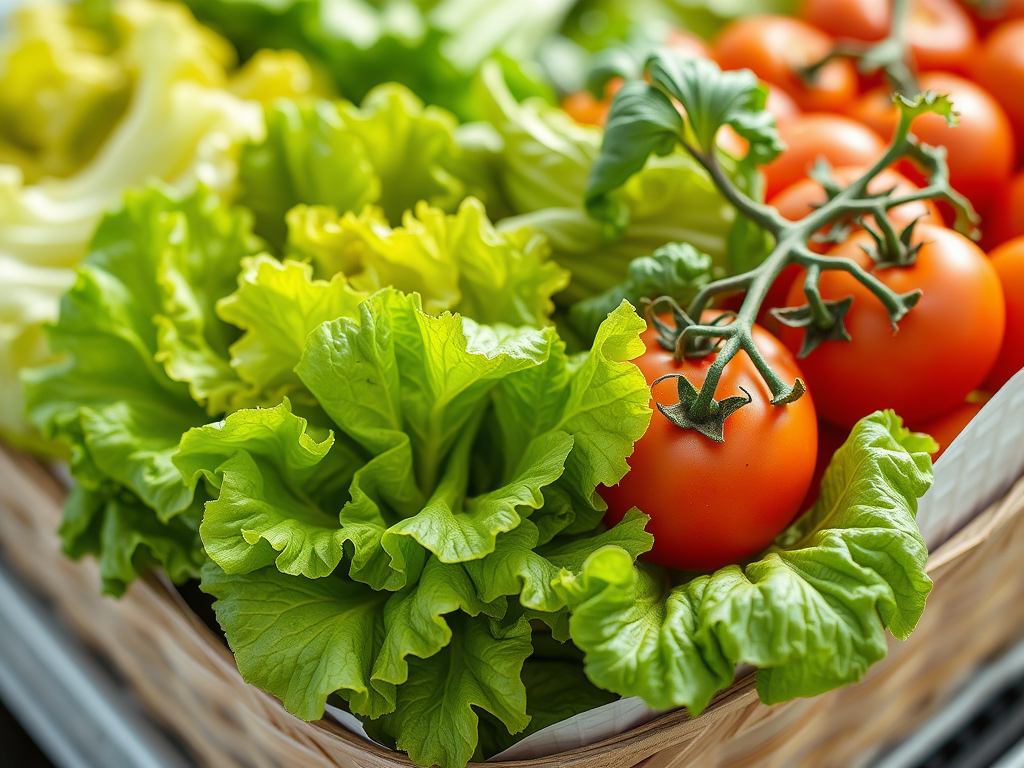
- Case Study: In the United States, erratic weather patterns caused lettuce and tomato prices to double in certain regions during 2023, impacting restaurants and households alike.
Transition:
“While these price increases are felt globally, their consequences go beyond economics, touching on issues of equity and sustainability.”
5. The Broader Social Impacts of Climateflation
Climateflation has far-reaching implications beyond grocery bills.
1) Food Insecurity
Declining crop yields and higher prices disproportionately affect low-income communities, exacerbating food insecurity worldwide.
2) Economic Inequality
Staple foods like bread, rice, and vegetables consume a larger share of lower-income households’ budgets, deepening economic divides.
3) Global Conflict Risks
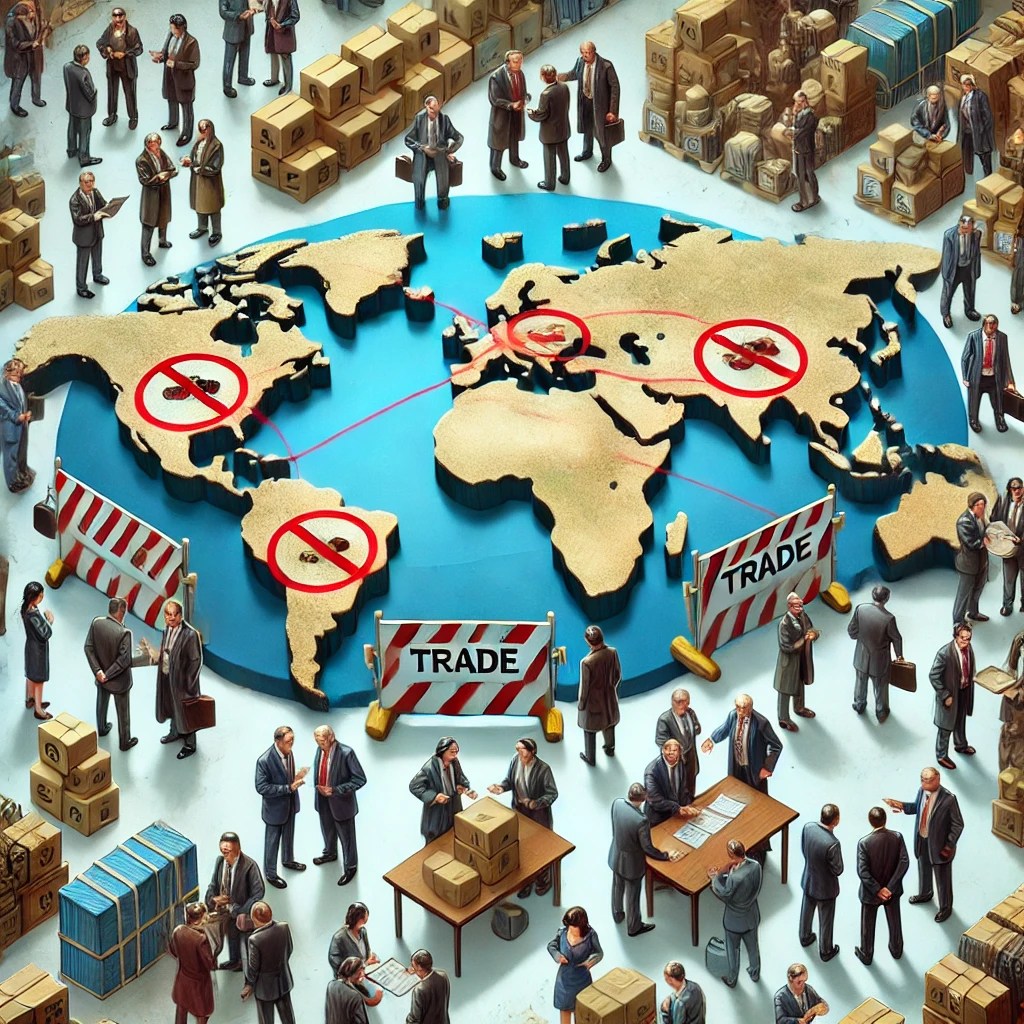
As nations compete for dwindling resources, tensions rise, potentially leading to geopolitical conflicts over food and water supplies.
Transition:
“So, how can individuals and societies address the growing challenge of climateflation?”
6. Solutions: How We Can Respond to Climateflation
1) Support Sustainable Farming Practices
- Technology and Innovation: Encourage the adoption of smart agriculture using AI, drones, and data analytics to optimize water and soil use.
- Climate-Resilient Crops: Invest in crops engineered to withstand droughts, heat, and floods.
2) Reduce Food Waste
- Globally, about 30% of food is wasted annually. By planning meals and consuming leftovers, we can reduce demand pressure.
- Donate surplus food to organizations fighting hunger.
3) Embrace Local and Seasonal Foods
- Supporting local farmers reduces reliance on long-distance supply chains, cutting emissions and stabilizing food systems.
4) Advocate for Climate Action
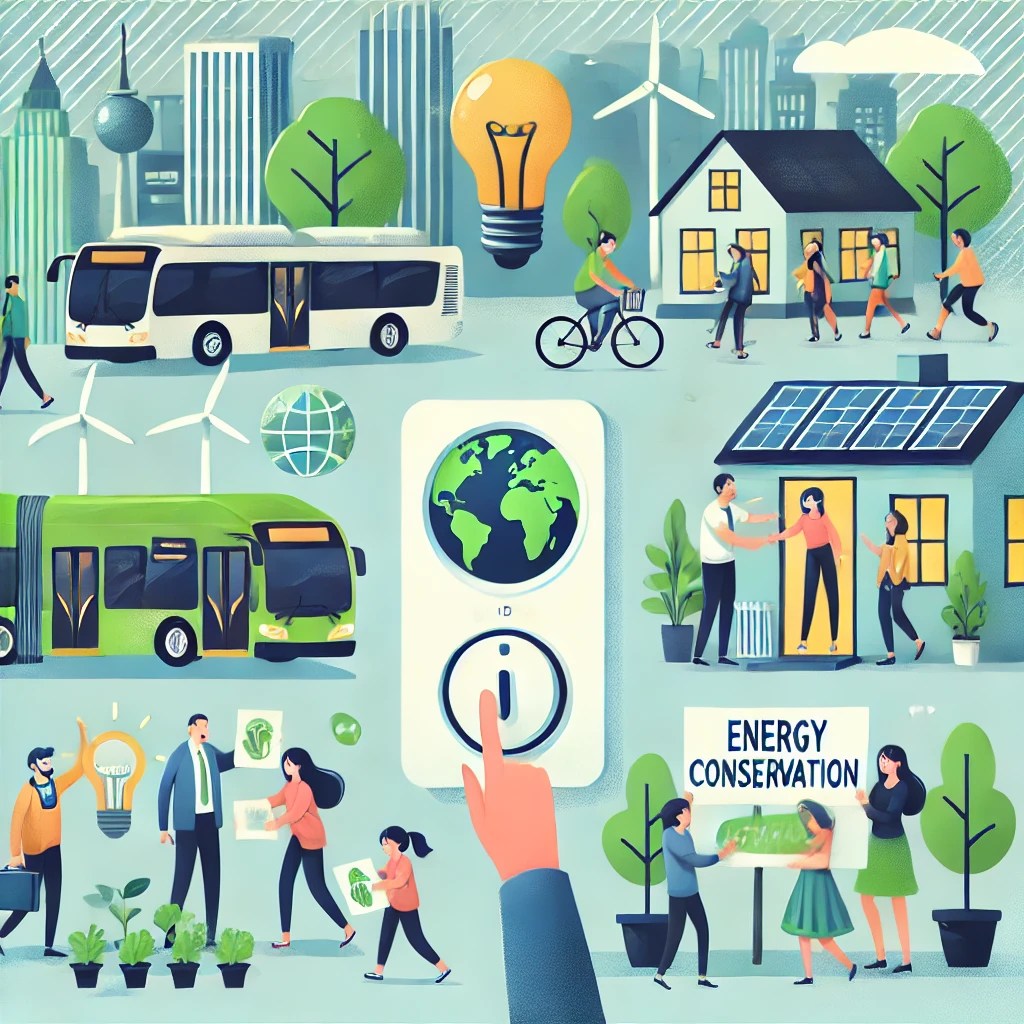
- Personal Steps: Reduce your carbon footprint through energy conservation, using public transport, or switching to renewable energy sources.
- Policy Change: Push governments to adopt climate-focused agricultural policies and invest in renewable energy.
7. Moving Forward Together
Climateflation is not just an economic problem; it’s a challenge that underscores the urgent need for climate action. While rising food prices are an immediate concern, they also serve as a stark reminder of the interconnectedness of our environment, economy, and daily lives.
By making conscious choices—whether by reducing waste, supporting sustainable farming, or advocating for climate policies—we can mitigate the effects of climate change on our food systems.
Call to Action:
“What steps are you taking to address climate change in your daily life? Share your thoughts and experiences in the comments. Let’s work together to create a sustainable future for everyone.”
 Summit Select
Leave a comment