Introduction: Finding Joy in Music
When I first picked up a guitar, I was hesitant. Would I sound awful? Would I give up too soon? I still remember the first time I strummed a simple chord—it wasn’t perfect, but it sparked something within me. Music became my sanctuary, a space where I could unwind, create, and connect with myself.
If you’ve ever wanted to explore music as a hobby but felt intimidated, you’re not alone. Many people dream of learning an instrument, singing, or even just understanding music better but worry it’s too difficult or time-consuming. The truth is, music is for everyone. It’s not about perfection; it’s about enjoying the process.
In this guide, I’ll show you how to start your musical journey, share tips to make it fun and accessible, and explain why music is one of the most rewarding hobbies you can pursue.
Why Music Is a Great Hobby
Music offers countless benefits, making it an ideal pastime for people of all ages and skill levels:
- Emotional Outlet: Music allows you to express your feelings, whether through playing, singing, or simply listening.
- Stress Relief: Playing an instrument or singing releases endorphins, reducing stress and lifting your mood.
- Accessibility: With affordable instruments, free tutorials, and countless genres to explore, music is easier to access than ever.
- Universal Appeal: Music connects us across cultures and languages, offering a shared experience of joy.
- Personal Growth: Learning an instrument improves focus, patience, and problem-solving skills, while building confidence.
Step 1: Choose Your Musical Path
To start enjoying music as a hobby, decide how you want to engage with it. Here are some ideas to spark your interest:
1. Learn an Instrument
Learning an instrument is one of the most rewarding ways to dive into music. Here are some beginner-friendly options:
- Ukulele: Easy to learn, affordable, and perfect for strumming along to popular songs.
- Keyboard/Piano: Great for visual learners and understanding music theory.
- Acoustic Guitar: A versatile choice for strumming chords or fingerpicking melodies.
- Cajón or Hand Drums: Perfect for rhythm lovers and great for group settings.
- Harmonica: Small, portable, and surprisingly versatile for blues, folk, or pop.

2. Start Singing
Your voice is the most accessible instrument you have! Singing requires no equipment and can be practiced anywhere. Apps like Smule or Sing! by Smule can help you improve pitch and confidence.
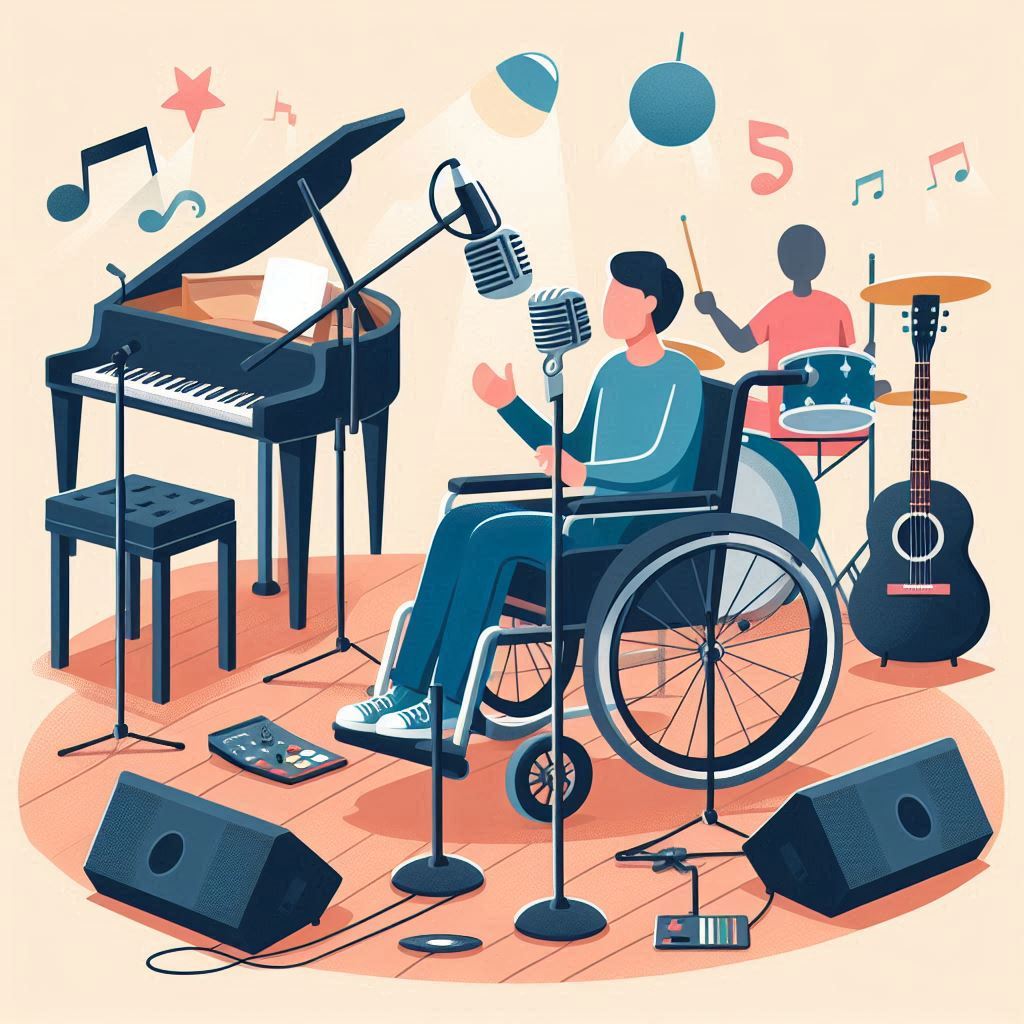
3. Explore Digital Music Production
If you enjoy technology, digital audio workstations (DAWs) like GarageBand or FL Studio let you compose, remix, and create music from scratch.
4. Active Listening
Not ready to play or sing? Start by diving into new genres or attending live performances. Create playlists that match your mood or challenge yourself to understand the layers in a song’s production.
Step 2: Make Music Accessible and Fun
Set Small, Achievable Goals
Breaking your journey into manageable steps ensures steady progress. For example:
- Learn one simple song in two weeks.
- Dedicate 10–15 minutes daily to practice.
- Master three basic chords on a guitar within a month.
Use Beginner-Friendly Resources
- YouTube Channels: JustinGuitar, Pianote, and Drumeo are excellent for step-by-step tutorials.
- Apps: Try Yousician or Simply Piano for interactive learning experiences.
- Books and Guides: Invest in beginner songbooks or sheet music.

Create a Comfortable Practice Space
Set up a dedicated area with your instrument, a music stand, and perhaps some ambient lighting. Having a comfortable, distraction-free zone makes practice more enjoyable.
Step 3: Overcoming Challenges
“I don’t have time.”
You don’t need hours—just 10–15 minutes daily can make a big difference. Think of it as a relaxing break, not an obligation.
“I’m not talented.”
Music isn’t about innate talent; it’s about consistency and enjoyment. Many accomplished musicians started with no experience.
“It’s too expensive.”
Start with budget-friendly options. For instance, ukuleles often cost under $50, and many free online resources are available for learning.
Step 4: Stay Inspired and Engaged
Join a Community
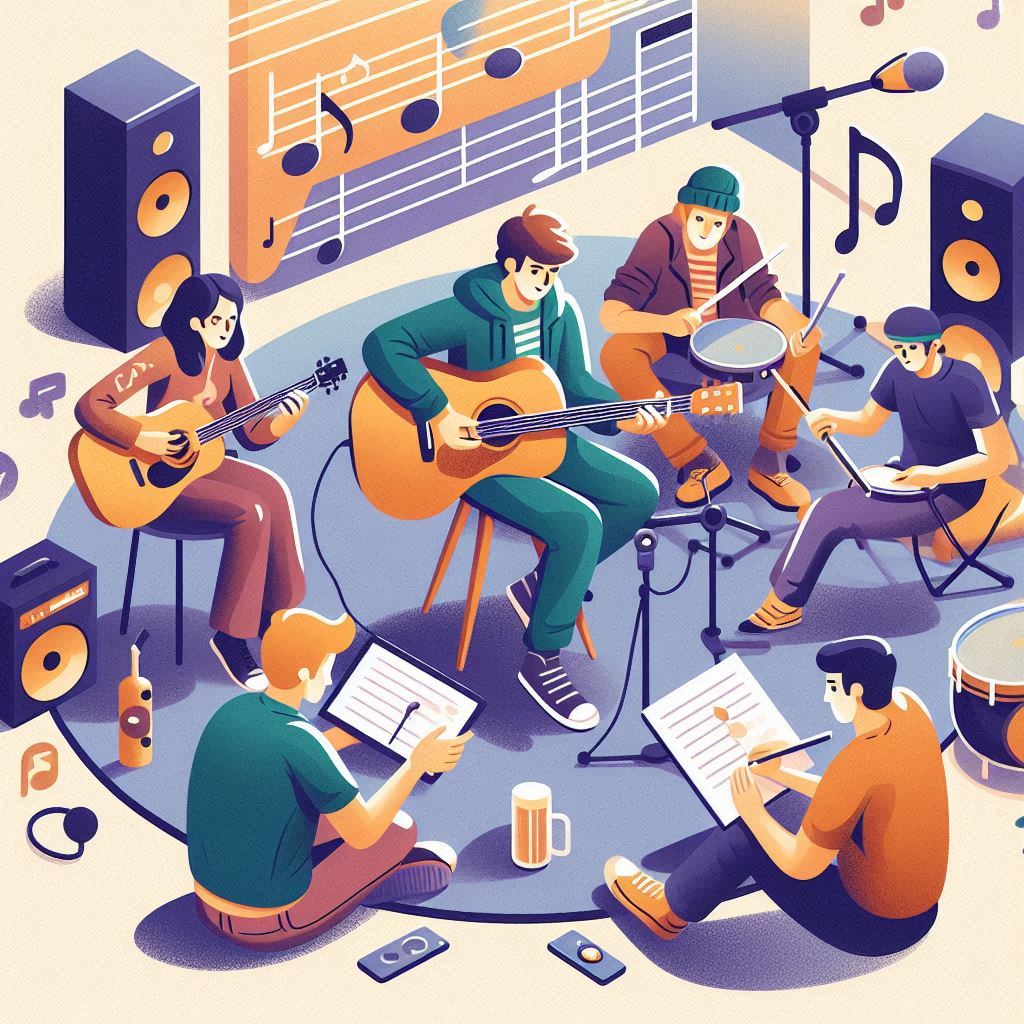
Being part of a musical group can provide motivation and camaraderie. Look for local music clubs, attend open mic nights, or join online forums like Reddit’s r/Music or r/Guitar.
Celebrate Progress
Keep track of your achievements, no matter how small. Recording yourself can help you notice improvements over time.
Experiment with Genres
Don’t limit yourself! Explore genres like jazz, classical, or world music to discover new inspirations.
Music Suggestions for Beginners
Here are some songs and genres to get you started:
- Pop: “Let It Be” by The Beatles (great for piano or guitar).
- Folk: “Hallelujah” by Leonard Cohen (a beautiful ukulele or guitar choice).
- Blues: Learn a simple 12-bar blues progression on a keyboard or harmonica.
- Classical: Start with easy piano pieces like Beethoven’s “Ode to Joy.”
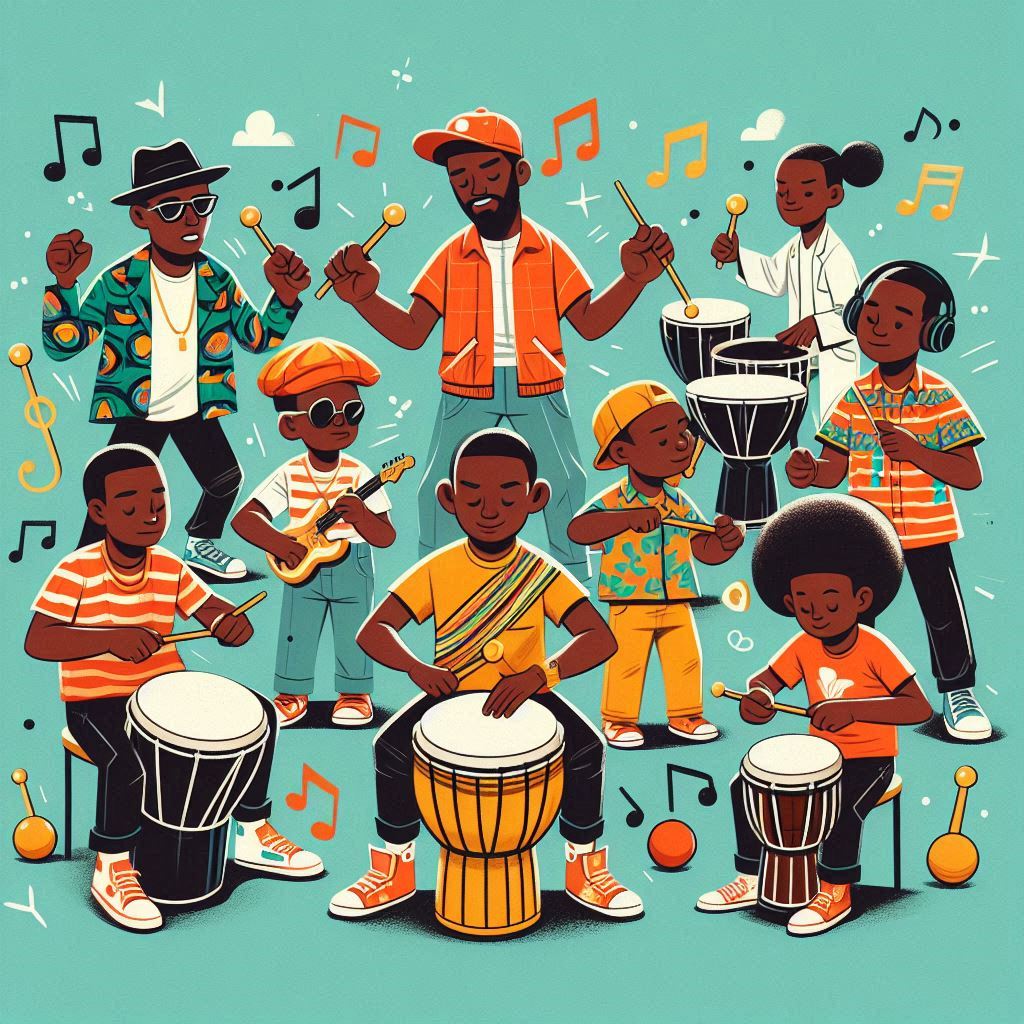
- Rhythmic Fun: Try percussion patterns from Latin music or African beats.
The Unexpected Perks of Music as a Hobby
Music doesn’t just entertain—it changes you in profound ways:
- Improved Memory: Studies show that playing an instrument sharpens your memory.
- Emotional Well-being: Expressing yourself through music can reduce anxiety and boost happiness.
- Better Social Skills: Jamming with others fosters collaboration and communication.
Make Your Journey Interactive
- Share Your Progress: Post videos or photos of your practice on social media.
- Connect With Others: Encourage friends or family to join you in learning an instrument.
- Engage in Discussion: What music inspires you? Share your story in the comments!
Conclusion: Start Your Musical Adventure Today
Music is one of the most rewarding hobbies you can pursue. Whether you’re strumming chords, learning to sing, or simply listening with new appreciation, it’s an incredible way to enrich your life.
Take the first step today. Pick up an instrument, download a music app, or dive into a genre you’ve never explored. Remember, it’s not about being perfect—it’s about enjoying the journey.
What’s your musical story? Share your experiences, challenges, or favorite songs in the comments below!
 Summit Select
Leave a comment