Introduction
Have you ever imagined yourself playing a musical instrument but felt unsure where to start? Maybe you’ve watched someone strum a guitar at a campfire or heard the soothing sounds of a piano and thought, Could I do that? Picking up an instrument as a beginner is a journey full of discovery, creativity, and personal growth. I remember my own first attempt at music—a squeaky recorder in grade school—but it planted the seed for a lifelong love of music.
Learning an instrument can feel intimidating, but it doesn’t have to be. In this guide, we’ll explore everything you need to know about choosing the right instrument, especially if you’re a total beginner. By the end, you’ll feel confident enough to pick up your first instrument and start playing.

Key Factors to Consider Before Choosing an Instrument
Choosing the right instrument is like picking a travel destination—it’s important to consider your interests, abilities, and resources. Here are the top factors to keep in mind:
- Your Personal Interests and Goals
What kind of music inspires you? If you love folk songs, the guitar or ukulele might be your best match. For classical or pop enthusiasts, the piano could be a great fit. If you’re unsure, think about the sound you’d enjoy making the most—it will keep you motivated. - Age and Physical Compatibility
Young children may find smaller instruments like the ukulele or recorder more manageable, while adults might prefer something like the piano that requires less physical endurance upfront. If you have small hands, a keyboard might be easier to manage than a wide-necked guitar. - Budget and Maintenance Costs
Instruments range in price, from under $50 for a beginner recorder to thousands of dollars for professional guitars or pianos. Also, factor in ongoing costs, such as replacing strings or reeds, and maintenance like piano tuning. - Availability of Teachers and Learning Resources
Some instruments, like the ukulele, have an abundance of free tutorials online, while others, like the violin, might require professional guidance. Ensure your chosen instrument has enough resources to support your learning.
The Best Instruments for Absolute Beginners
When starting out, simplicity and accessibility matter most. Here’s a rundown of beginner-friendly instruments, along with their pros and cons:
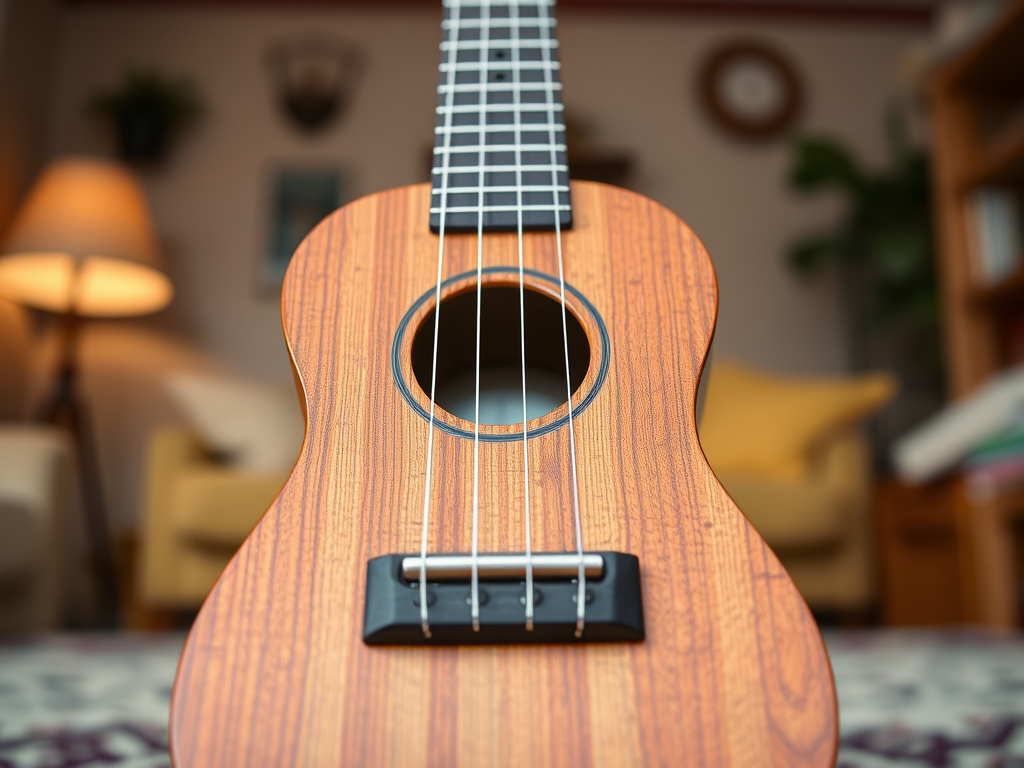
1. Ukulele: A Cheerful Start
- Why It’s Great: The ukulele is small, affordable, and easy to play. Its four nylon strings are gentle on fingers, making it perfect for kids and adults alike. With just a few basic chords, you can start playing your favorite tunes in no time.
- Potential Challenges: Transitioning to more complex strumming patterns or fingerpicking can be tricky, but practice makes perfect.
2. Keyboard: The Gateway to Music Theory
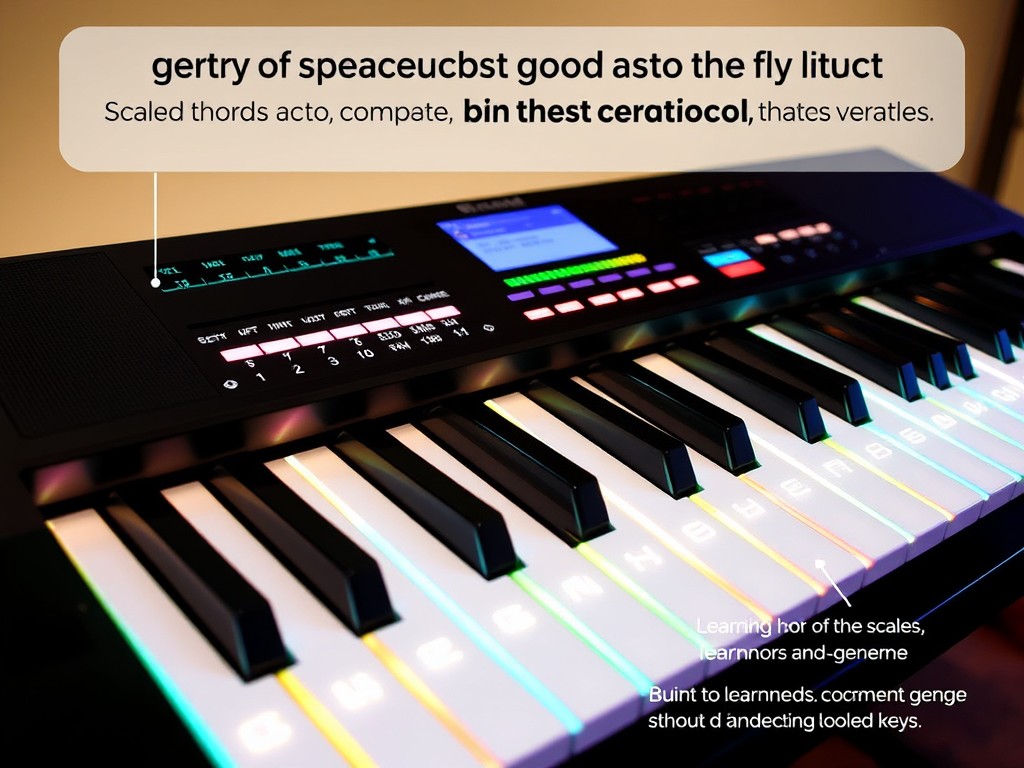
- Why It’s Great: A keyboard offers a clear visual layout, making it easy to understand scales, chords, and melodies. Many digital keyboards come with learning modes and built-in songs for practice. It’s also versatile, allowing you to explore various genres.
- Potential Challenges: Learning to coordinate both hands can be difficult initially, but starting with simple exercises can help.
3. Recorder: The Affordable Introduction
- Why It’s Great: The recorder is one of the simplest wind instruments, ideal for understanding breath control and finger placement. It’s lightweight, inexpensive, and widely used in schools, making it a familiar starting point.
- Potential Challenges: The sound can feel shrill at first, but with practice, you can create pleasant melodies.
4. Cajón or Drum Pad: Feeling the Rhythm
- Why It’s Great: Percussion instruments like the cajón are intuitive and fun. They help you develop a sense of rhythm, which is foundational for all types of music. Cajóns are compact and portable, perfect for jam sessions.
- Potential Challenges: While rhythm may come naturally to some, others might need time to develop this skill.
5. Acoustic Guitar: A Versatile Favorite
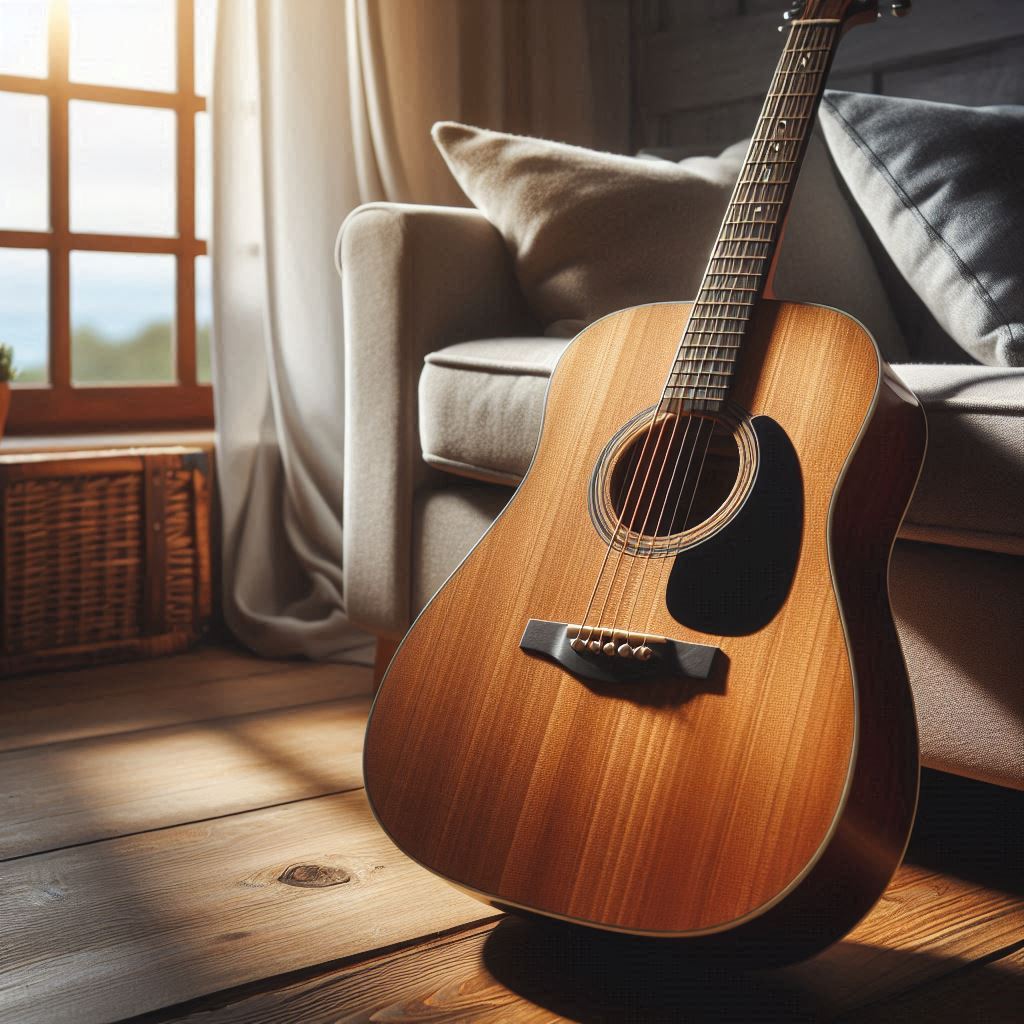
- Why It’s Great: The acoustic guitar is one of the most versatile instruments for beginners. Learn a few chords, and you’ll be playing dozens of songs in no time. Its widespread popularity means abundant resources are available online and offline.
- Potential Challenges: The steel strings can be hard on fingers initially, but this discomfort fades as calluses develop.
Tips for Successfully Starting Your Musical Journey
Starting to learn an instrument is an exciting challenge. Here’s how to make the process smoother:
Set Realistic Goals
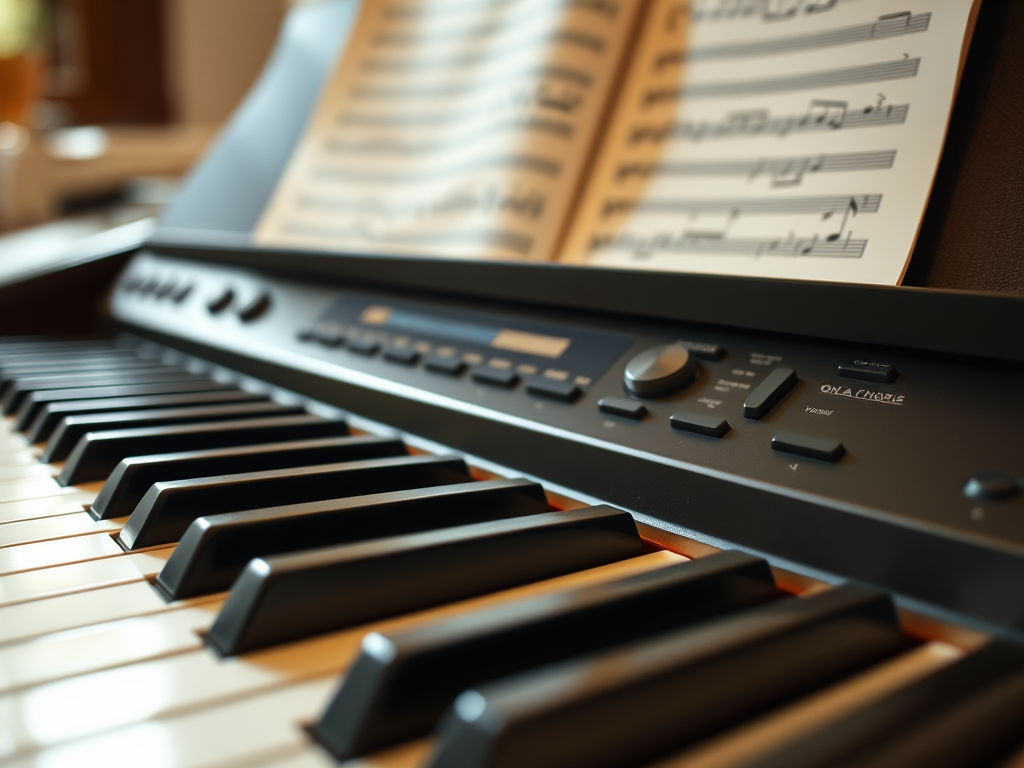
Instead of aiming to master a song immediately, start small. For example, focus on learning one chord progression or mastering a simple melody. I remember when I first learned “Happy Birthday” on the keyboard—it felt like a major achievement!
Find the Right Learning Method
Choose between self-study, online tutorials, or professional lessons. A friend of mine started with YouTube tutorials for the guitar and found success. Explore different options to discover what works best for your learning style.
Practice Effectively
Consistency is key. Practice daily, even if it’s just 10–15 minutes. Break your session into chunks, such as warm-ups, exercises, and song practice. Over time, you’ll notice significant improvement.
Join Musical Communities
Whether it’s a local music club or an online group, joining a community can provide motivation and feedback. Sharing your progress with like-minded people makes learning more enjoyable.
Common Mistakes to Avoid When Picking an Instrument
- Overlooking Comfort: Ensure your chosen instrument feels comfortable to hold and play. Try it out in a music store if possible.
- Following Trends Blindly: Just because an instrument is popular doesn’t mean it’s right for you.
- Underestimating the Commitment: Choose an instrument you can see yourself practicing regularly. For example, pianos require a dedicated space, while guitars are easier to store.
The Benefits of Learning an Instrument as a Beginner
Learning an instrument is a gift that keeps on giving. Studies show it can improve memory, enhance problem-solving skills, and reduce stress. For children, it boosts academic performance, while adults benefit from increased cognitive flexibility. Beyond the science, there’s the simple joy of creating music—an experience like no other.

Final Thoughts
Starting your musical journey is an adventure worth taking. Remember, it’s not just about reaching perfection—it’s about enjoying the process and making music that resonates with you. So, pick up that instrument, play your heart out, and let the music take you on a journey of growth and discovery.
 Summit Select
Leave a comment