
Regular health screenings play a crucial role in maintaining long-term wellness and identifying potential health issues before they become significant. As our lifestyles become busier and sometimes more stressful, it’s easy to overlook preventive healthcare. However, these screenings can be life-saving, providing early detection of issues that might not show symptoms until they are severe. This article explores the importance of regular health screenings, types of screenings to consider at different life stages, and how to prepare for them effectively.
1. Why Are Regular Health Screenings So Important?
Early Detection Saves Lives
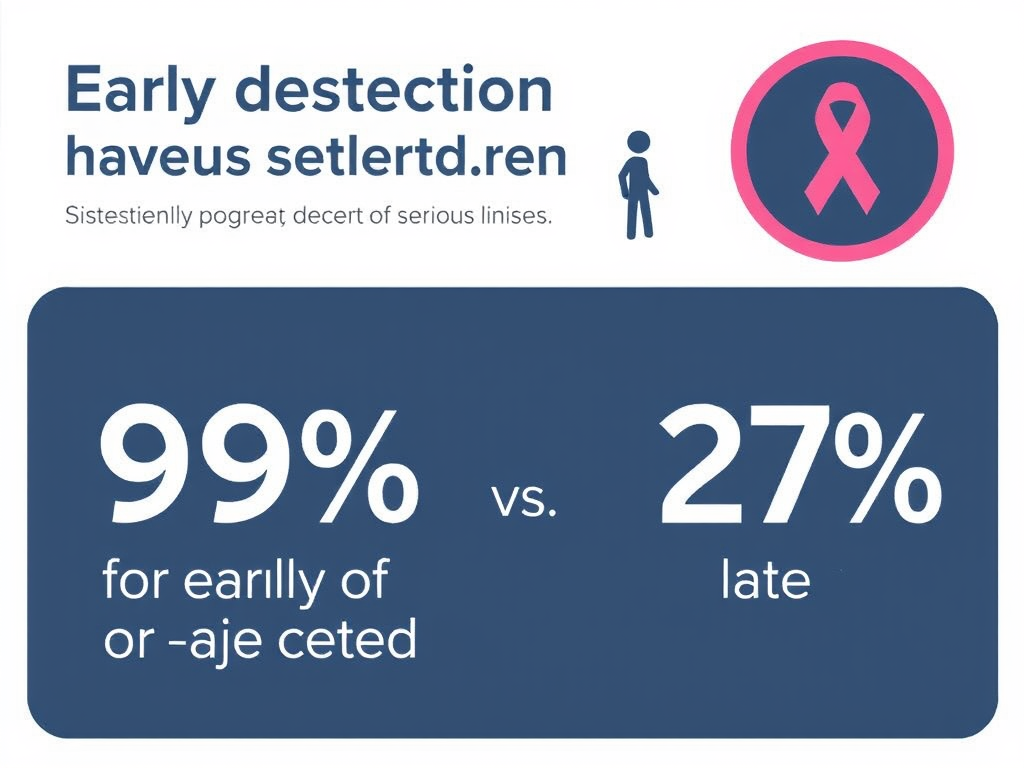
Statistics consistently show that early detection of serious illnesses significantly increases treatment success. For example, the American Cancer Society found that the five-year survival rate for breast cancer detected early (localized) is 99%, compared to just 27% when it spreads. Early detection doesn’t just improve survival rates; it often makes treatments less invasive, with fewer side effects.
Preventive Care Lowers Long-Term Costs
Preventive care can reduce healthcare costs over time. Treating diseases early is generally more affordable than managing advanced stages, which require more intensive (and expensive) interventions. According to a study published in Health Affairs, for every $1 spent on preventive care, there’s a return of approximately $5 in avoided medical costs. Routine health screenings should be seen as an investment in both health and financial security.
Managing Chronic Conditions
For those with chronic conditions, regular screenings help manage and control these issues effectively. Blood sugar, cholesterol, and blood pressure monitoring, for example, help adjust treatments as needed and reduce the risk of complications.
Mental and Emotional Reassurance
Regular screenings bring peace of mind. Knowing that you’re actively taking steps to maintain your health can reduce anxiety and promote a sense of control. Routine check-ups, even when results confirm good health, allow you to feel more secure and focused on living a fulfilling life.
2. Key Types of Health Screenings
General Health Check-Ups
Routine check-ups usually include measurements for blood pressure, weight, BMI, and basic blood tests for cholesterol and blood sugar. These simple tests can detect issues like hypertension, high cholesterol, or prediabetes, which often have no early symptoms.
Cancer Screenings
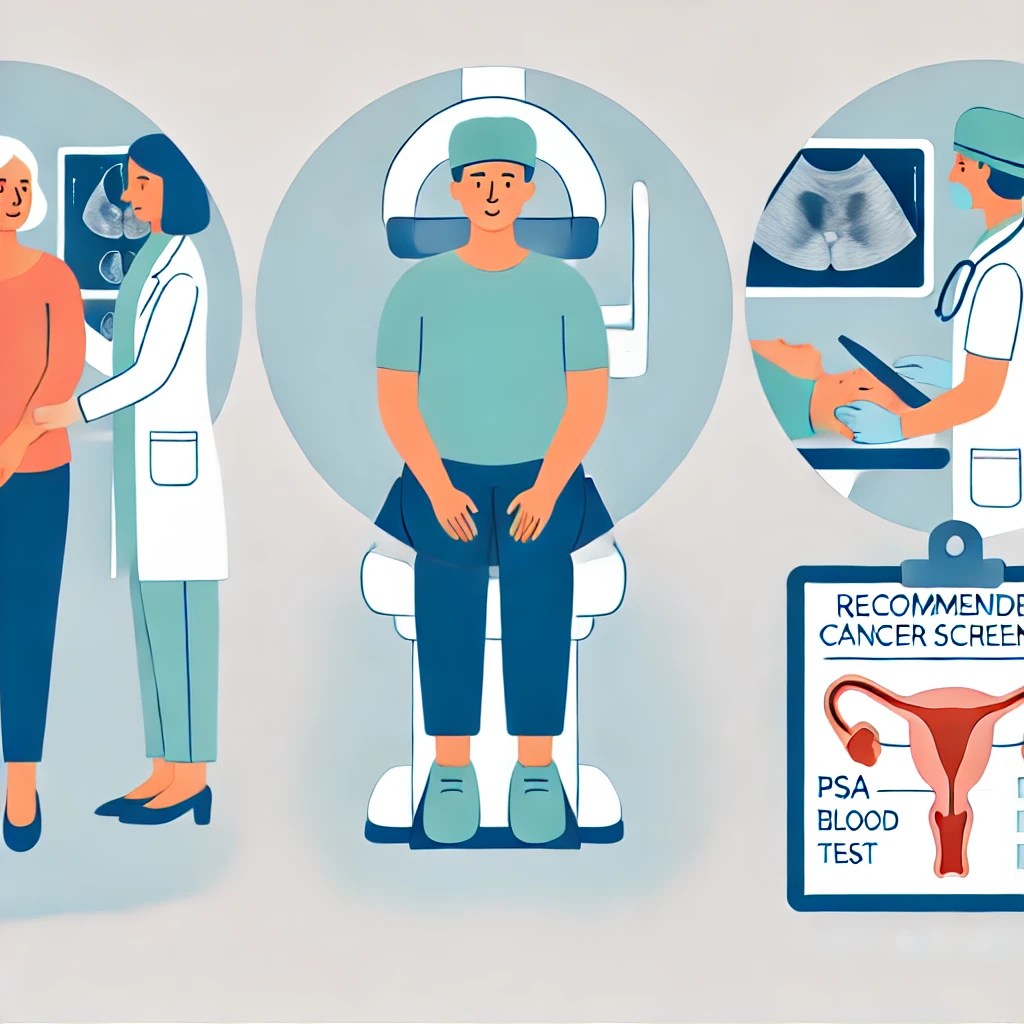
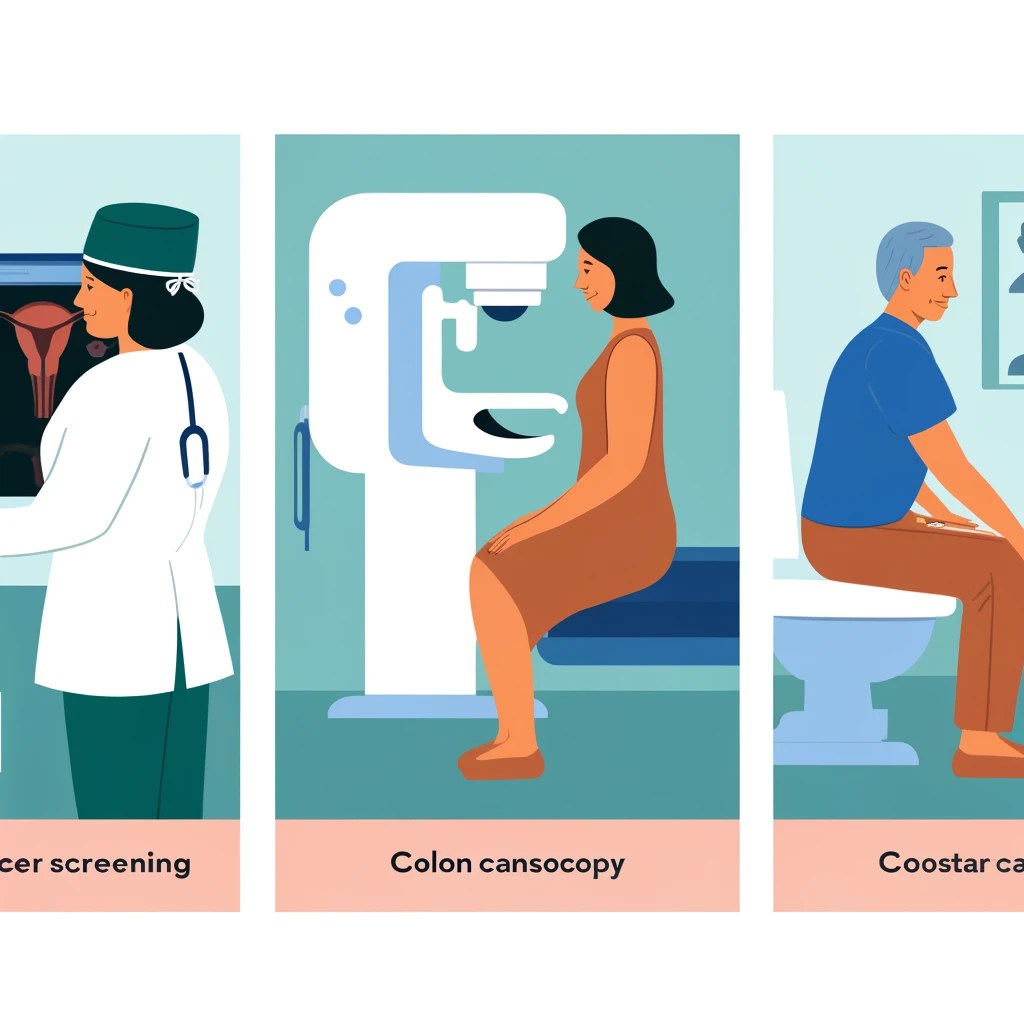
- Breast Cancer: Mammograms, recommended for women over 40, can detect breast cancer early, improving survival rates and reducing treatment intensity.
- Colorectal Cancer: Colonoscopies, usually recommended for individuals over 50, detect colon cancer early when it’s highly treatable.
- Prostate Cancer: Men over 50 are often advised to undergo prostate screenings, including a prostate-specific antigen (PSA) blood test.
Cardiovascular Screenings
Heart disease is a leading cause of death, making cardiovascular screenings vital. Tests include blood pressure, cholesterol levels, and sometimes an electrocardiogram (EKG) to check heart health.
Bone Density Testing
Especially important for older adults, this test detects osteoporosis early. Women over 65 and men over 70 are particularly encouraged to undergo bone density tests to prevent fractures and bone loss.
Diabetes Screening
Diabetes screenings are essential, particularly for those with family history or risk factors like obesity. Early detection of high blood sugar levels enables preventive lifestyle changes and timely medical intervention.
Vision and Hearing Tests
Routine eye and hearing exams become more critical as we age. Early detection of vision issues or hearing loss improves quality of life and can prevent accidents caused by impaired vision or hearing.
Dental Check-Ups
Oral health impacts overall health. Regular dental check-ups prevent issues like tooth decay, gum disease, and may even detect early signs of oral cancer.
3. Who Should Prioritize Regular Health Screenings?
Age-Based Screening Recommendations
Screening needs vary by age. Younger individuals benefit from basic check-ups, while older adults often require more specialized screenings.
Genetic and Family Health History
A family history of illnesses like heart disease, cancer, or diabetes increases the need for regular screenings. Genetic predispositions can heighten the risk, making it vital to monitor related health indicators.
Lifestyle and High-Risk Groups
Lifestyle factors such as smoking, excessive alcohol use, or a sedentary lifestyle also raise health risks, underscoring the importance of regular screenings for these groups.
4. Health Screenings by Age Group
To make this more accessible, here’s a breakdown of essential health screenings by age group:
- In Your 20s and 30s
- Blood Pressure: Every 2 years
- Cholesterol: Every 5 years
- Pap Smear: Every 3 years for women
- Skin Check: Annual self-checks
- In Your 40s and 50s
- Blood Pressure and Cholesterol: Every 2 years or as advised
- Mammogram: Annually for women over 40
- Colonoscopy: Start at age 50, every 10 years
- Diabetes Screening: For those with risk factors
- In Your 60s and Beyond
- Bone Density Test: Women over 65, men over 70
- Annual Eye and Hearing Exams
- Cardiovascular Screening: Regular blood pressure and cholesterol checks
5. Preparing for Health Screenings: Key Tips
Organize Medical History and Questions
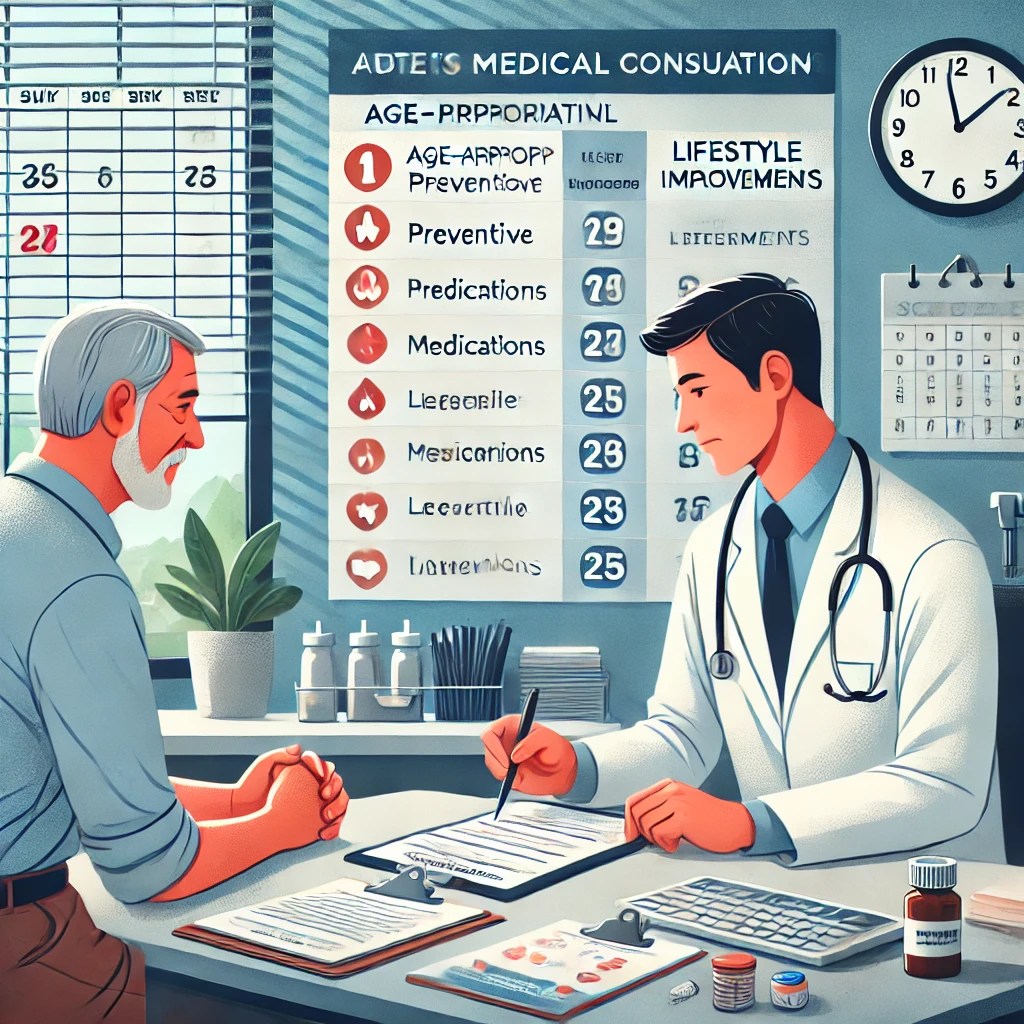
Bring along any relevant medical history, including family medical history, current medications, and symptoms. It’s helpful to prepare questions such as:
- Are there specific lifestyle changes I should make?
- What are the most effective preventive measures for my age and health status?
- How frequently should I schedule follow-up tests based on my results?
Fasting Requirements
Many blood tests, especially those for glucose and cholesterol, require fasting. Confirm with your healthcare provider beforehand, so you’re fully prepared for your appointment.
Bring a Friend or Family Member
Consider bringing someone along, especially for complex screenings or diagnoses. Having someone to provide support or take notes can make the process less stressful.
6. Long-Term Benefits of Regular Health Screenings
Enhanced Quality of Life
Health screenings aren’t just about catching diseases—they help maintain a high quality of life. Identifying potential health issues early enables a proactive approach to health management, which supports long-term vitality.

Financial Savings in the Long Run
Preventive care can save significant medical costs down the line. Many insurance plans cover preventive screenings, making it easier to maintain your health without a heavy financial burden.
Improved Mental Health and Confidence
The knowledge that you’re taking care of your health can reduce anxiety and create a sense of security. This proactive approach allows you to focus on personal goals and enjoy life with fewer health-related worries.
7. Resources for Health Screenings
Finding a reliable healthcare provider or screening center is important for effective screenings. Consider these resources:
- Local Clinics and Hospitals: Many offer affordable or even free health screening events.
- Public Health Websites: Sites like the Centers for Disease Control and Prevention (CDC) provide resources and guidelines for finding local screenings.
- Insurance Provider Resources: Most health insurance plans include a list of preferred providers and facilities for preventive screenings.
8. Conclusion: Prioritize Your Health Today
Regular health screenings are a fundamental part of preventive healthcare. By catching potential issues early, you’re taking a proactive step toward a healthier, happier life. Whether it’s a basic check-up or a comprehensive screening, every small effort counts.
💪 Call to Action: Share Your Experience
Have you benefited from a regular health screening? What advice would you offer to those considering their first screening? Share your experiences or questions below and join our community in promoting proactive health!
 Summit Select
Leave a comment