
In today’s fast-paced society, we constantly face high demands in work, studies, and relationships, which can build up stress that affects both mental and physical health. Left unchecked, stress can lower our quality of life and lead to chronic fatigue and health issues. However, by adopting small habits, you can manage stress effectively and improve your overall well-being. Here are seven stress-relief tips that busy people can easily incorporate into their daily lives.
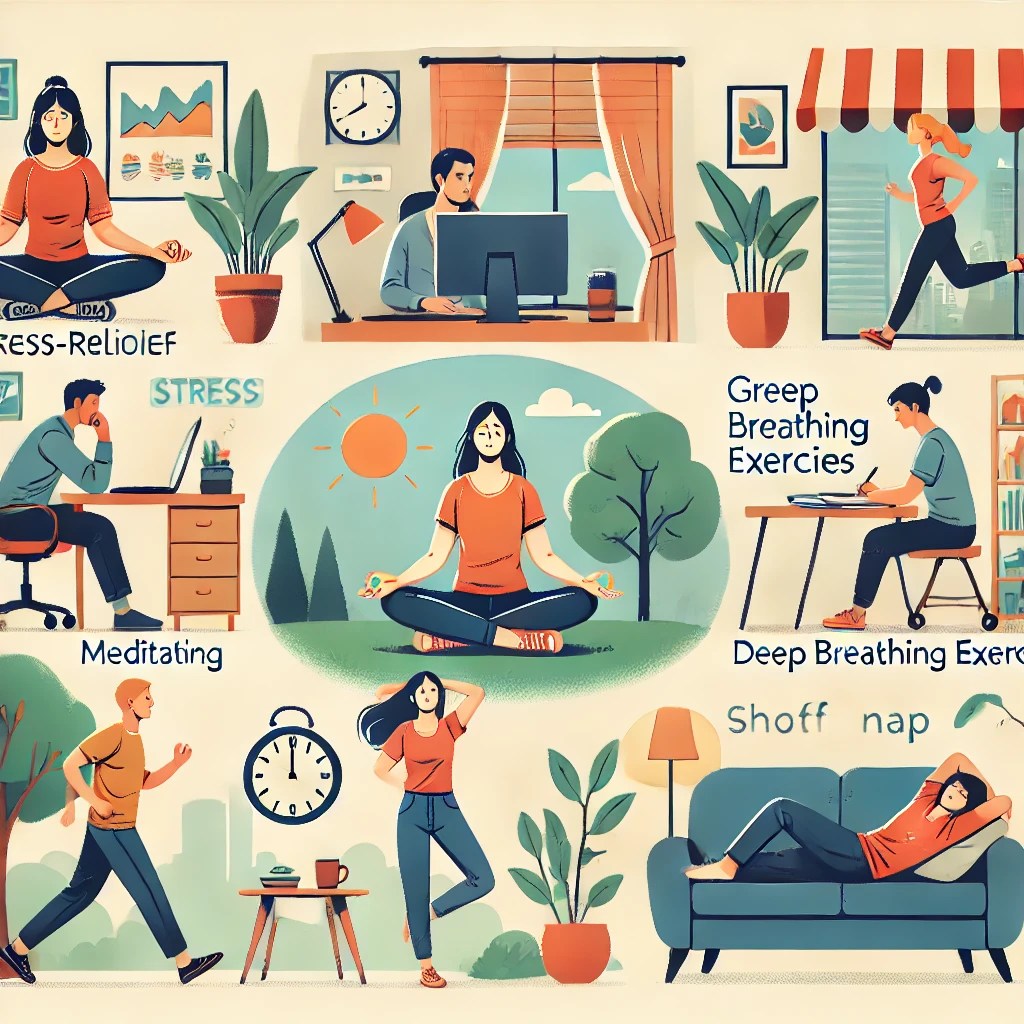
1. Relieve Your Body and Mind with Stretching
The Importance of Stretching
Stretching relaxes tense muscles, promotes blood circulation, and helps relieve physical tension, which is essential for reducing stress. For people who sit for long hours, a few minutes of stretching can refresh both body and mind.
Simple Stretching Routine
- Morning Stretch: Start your day with a light full-body stretch. Roll your neck, shoulders, and stretch your arms and legs. This will help awaken both your body and mind for a fresh start.
- Evening Stretch: Before bed, focus on stretching your back and legs to release the day’s tension, which can also improve your sleep quality.
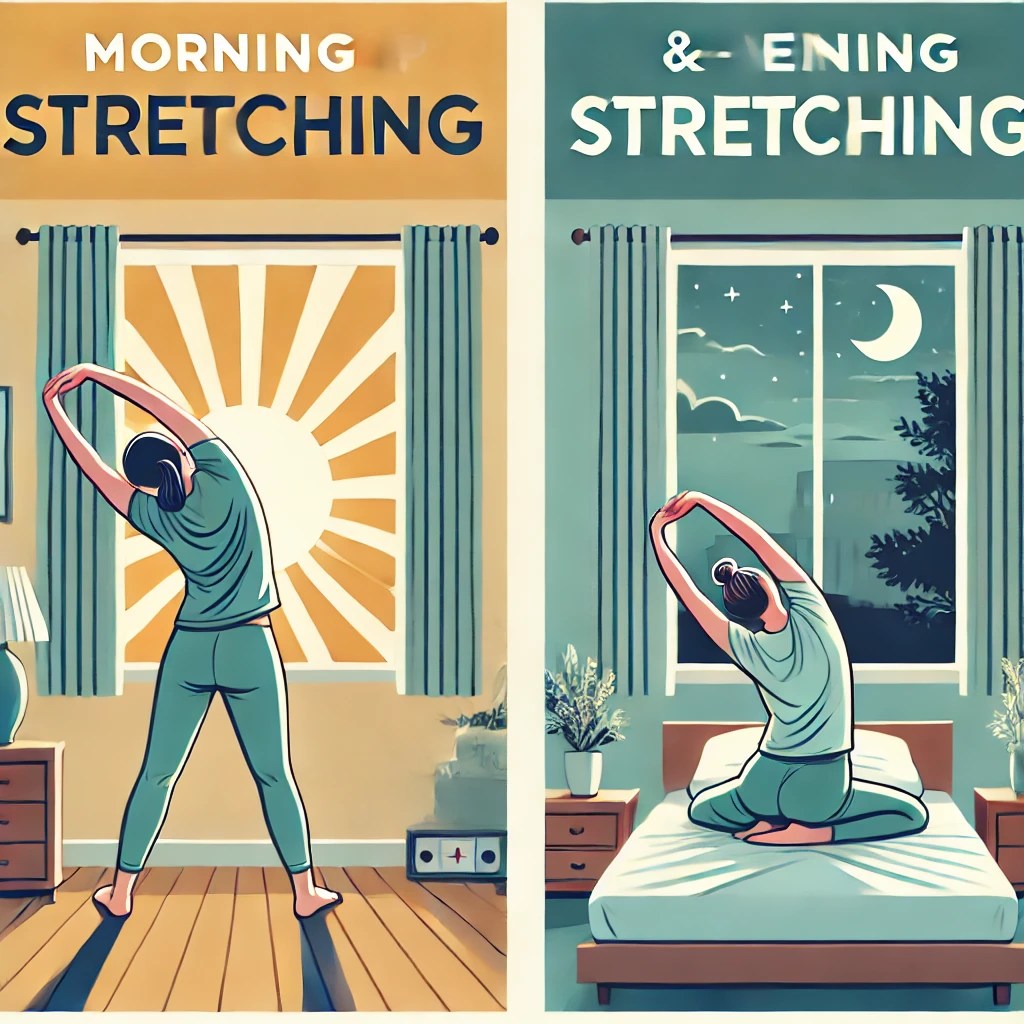
Personal Insight: “After stretching my back every night before sleep, I feel more relaxed, and I wake up with less tension and stress.”
2. Find Calm Through Short Meditation Sessions
The Benefits and Need for Meditation
Meditation can clear the mind, helping you focus on the present moment and release stress. Even a short meditation session can calm your thoughts and ease feelings of anxiety.
How to Start Meditating
- Just 5 Minutes a Day: Find a quiet spot, close your eyes, and focus on your breathing for just five minutes a day. This short session can help you find calm and clarity in a busy day.
- Use Meditation Apps: Apps like ‘Headspace’ and ‘Calm’ offer guided sessions that make meditation easier, especially for beginners.

Personal Example: “Starting my workday with a five-minute meditation session helps me stay calm and reduces stress throughout the day.”
3. Reduce Stress with a Digital Detox
What is a Digital Detox?
A digital detox means taking a break from digital devices like smartphones and computers to allow for a period of mental rest. Disconnecting from digital screens can soothe the mind and significantly improve focus and stress relief.

Tips for Digital Detox
- One Hour a Day: Set aside an hour a day to turn off digital devices. Use this time to take a walk or read a book.
- 30 Minutes Before Bed: Put away digital devices 30 minutes before bed to wind down. Try listening to calming music or reading to help you relax before sleep.
Personal Experience: “Listening to soothing music instead of using my phone before bed has improved my sleep quality and helps me start the next day refreshed.”
4. Calm Your Nerves with Deep Breathing
The Power of Deep Breathing
When feeling stressed, taking deep breaths can help you unwind. Deep, slow breathing stabilizes the nervous system and brings a sense of peace.
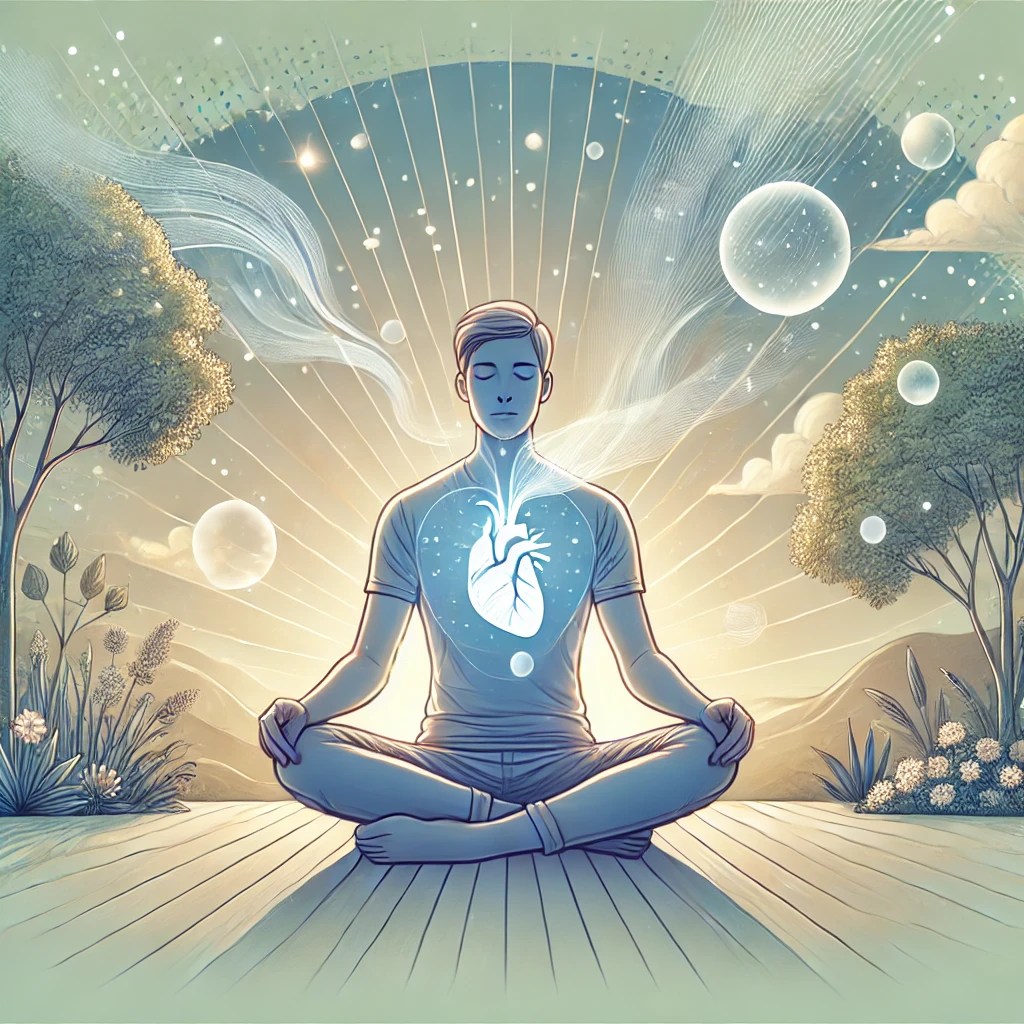
Effective Breathing Techniques
- 4-7-8 Breathing: Inhale for four seconds, hold your breath for seven seconds, and exhale slowly for eight seconds. This technique reduces anxiety and is very effective for calming the mind.
- Abdominal Breathing: Place your hand on your belly and take a deep breath, feeling your stomach expand. This shifts your focus to your breathing, helping you relax and release tension.
Personal Tip: “Whenever I feel nervous, I use the 4-7-8 breathing method, and it quickly helps me calm down.”
5. Recharge with Mini Workouts
Benefits of Short Exercise
Exercise is one of the best ways to relieve stress, even for busy people. Short mini-workouts can boost both physical energy and mental clarity.
Simple Mini-Workout Ideas
- Squats: Do five minutes of squats to activate your lower body and release pent-up energy.
- Stair Climbing: Skip the elevator and take the stairs for a quick, effective exercise.
- Short Walks: A 10-minute walk during lunch can provide a change of scenery and a refreshing mental break.

Personal Insight: “On busy days, just taking the stairs for a quick break clears my mind and relieves stress.”
6. Keep a Gratitude Journal for a Positive Mindset
The Power of a Gratitude Journal
The habit of writing in a gratitude journal can help maintain a positive outlook. By recording moments of gratitude, you can accumulate positive energy and reduce stress.
How to Start a Gratitude Journal
- Write Three Things Daily: Before bed, write down three things you’re thankful for each day, no matter how small.
- Train for a Positive Mindset: Practice finding something to appreciate, even during difficult times, and it will help you develop a more positive outlook on life.
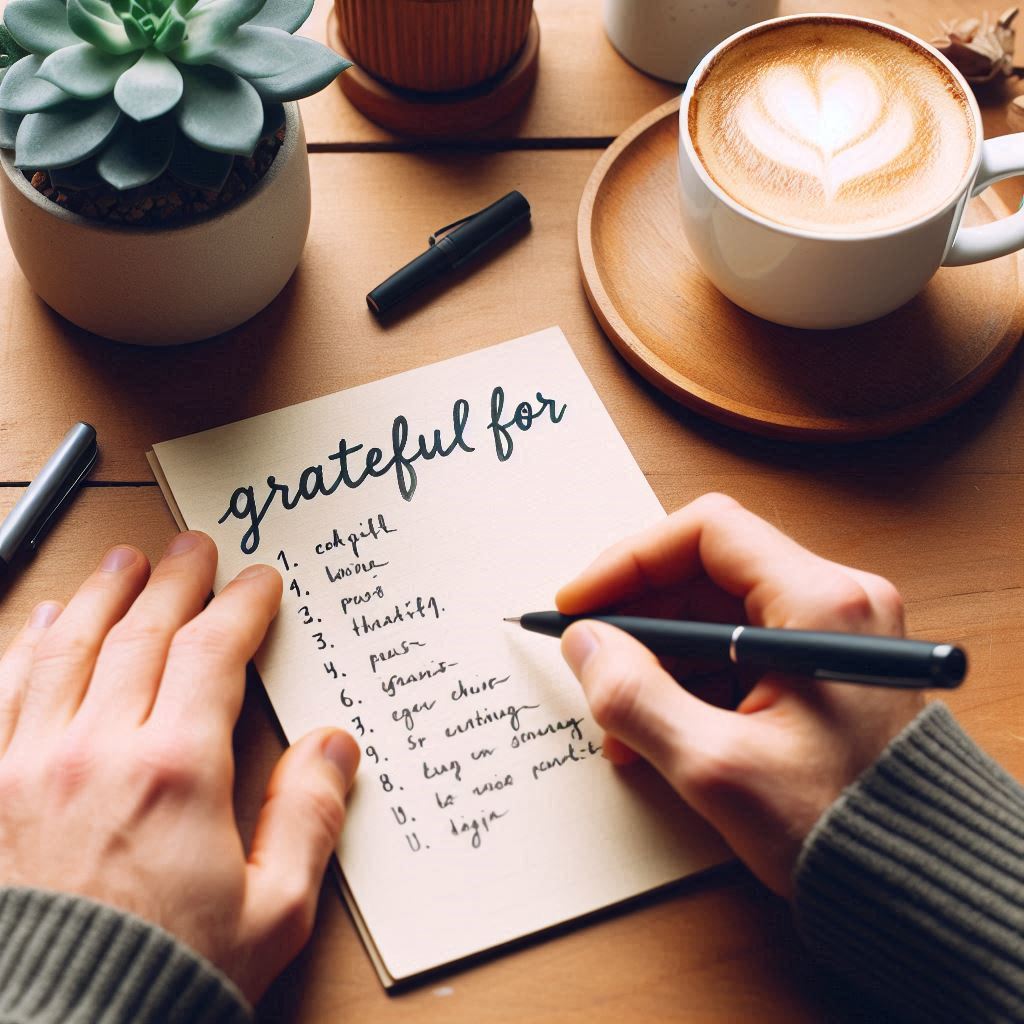
Personal Tip: “Writing down what I’m grateful for each night makes me feel happier and better equipped to handle stress.”
7. Establish a Consistent Sleep Routine
The Importance of Adequate Sleep
Getting enough quality sleep is essential for both mental and physical recovery. For stress management, a consistent sleep routine is crucial.
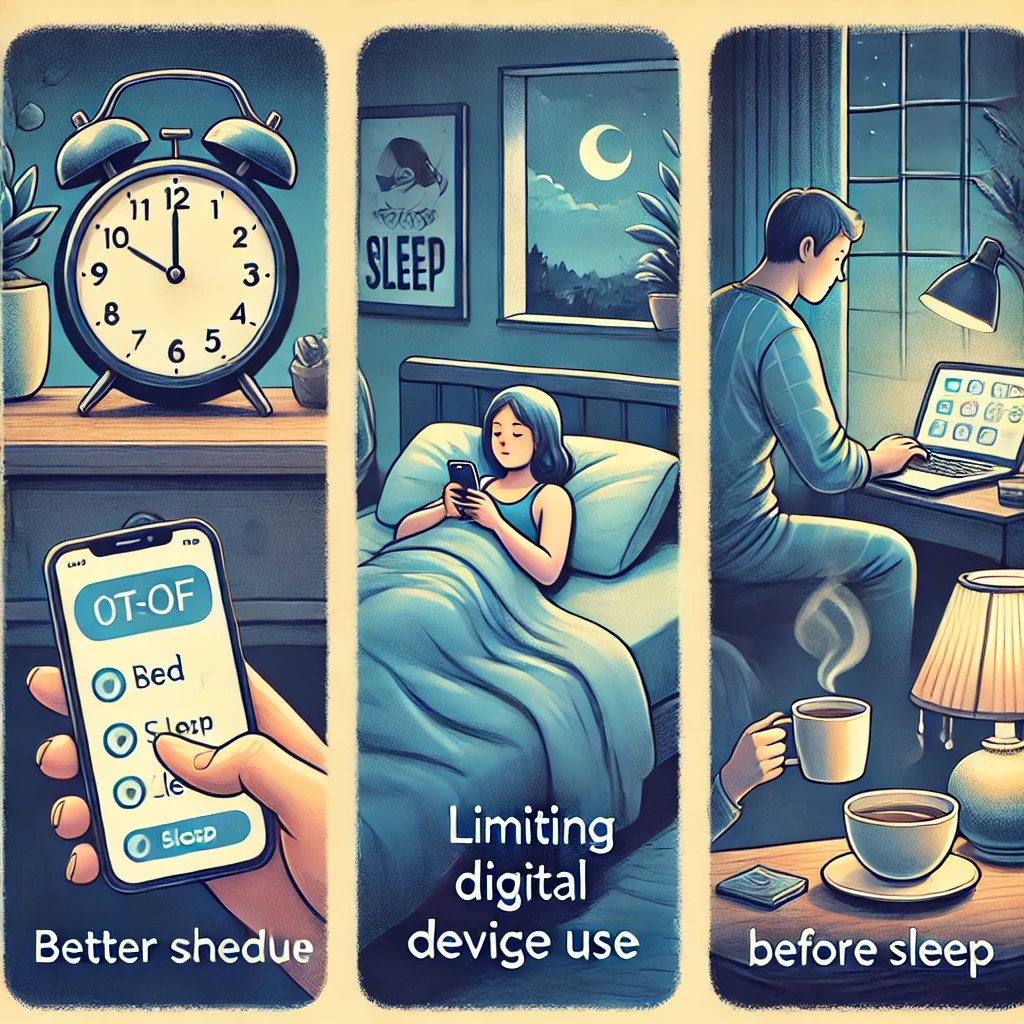
Tips for a Good Sleep Routine
- Set a Regular Sleep Schedule: Try to go to bed and wake up at the same time each day to improve sleep quality.
- Limit Digital Device Use Before Bed: Avoid screens for at least 30 minutes before bed to give your mind time to unwind.
- Drink a Cup of Herbal Tea: A cup of caffeine-free herbal tea can relax both body and mind, helping you sleep better.
Personal Advice: “Sticking to the same bedtime every night has helped me wake up feeling refreshed, and it significantly reduces my stress.”
Conclusion: Small Habits Make a Big Difference
The seven tips shared above are simple yet powerful methods to manage stress effectively, even in a busy lifestyle. Small habits like these can significantly improve your quality of life and help maintain a healthy mind and body. Start with just one of these stress-relief techniques today, and see how it transforms your well-being. What are your favorite ways to relieve stress? Share your experiences in the comments below.
 Summit Select
Leave a comment