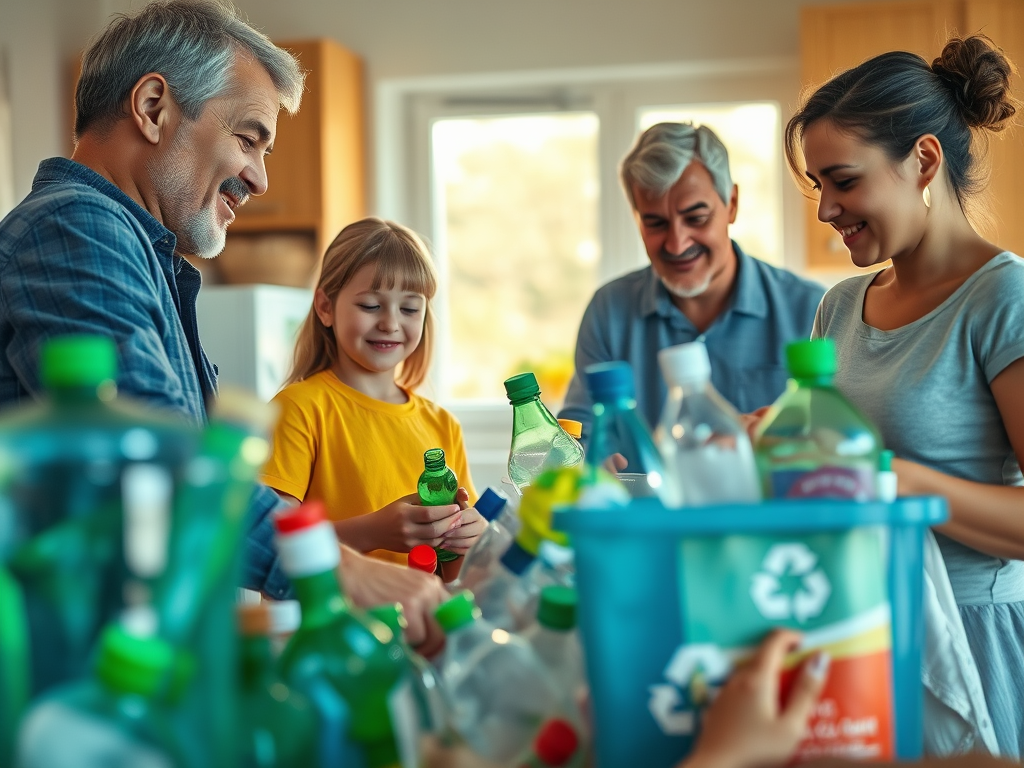
1. Why Small Actions from Individuals Matter
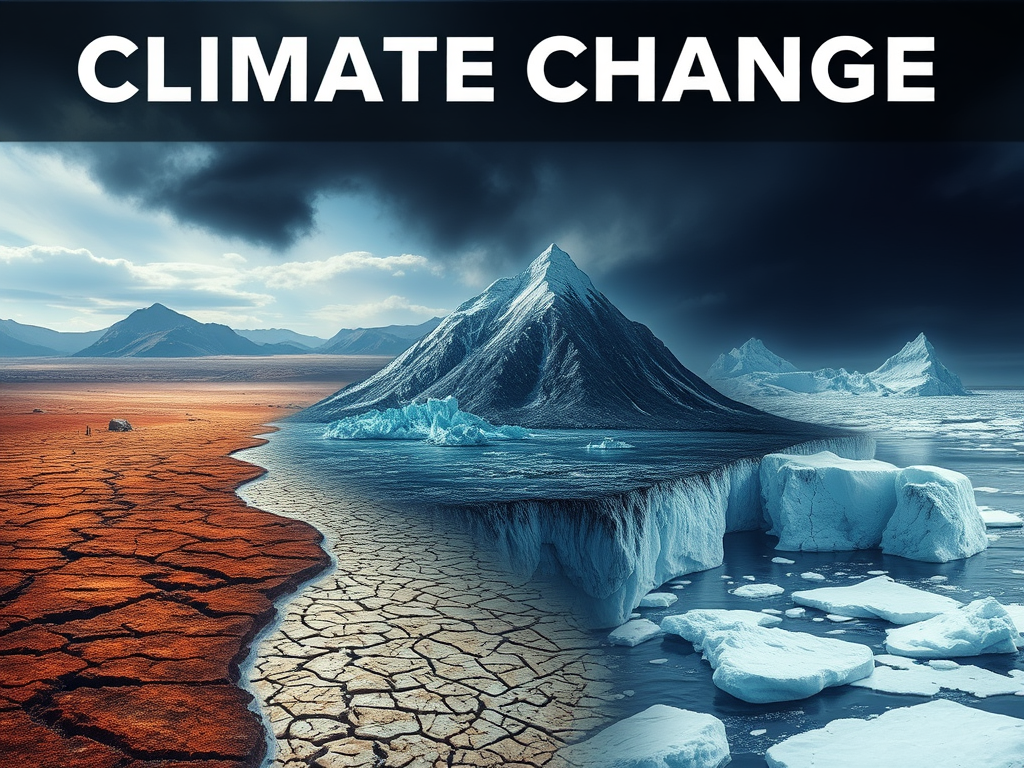
Climate change is a real and urgent issue, leading to extreme weather events such as heatwaves, droughts, rising sea levels, and flooding. While large-scale actions from governments and corporations are essential, small actions by individuals can also significantly impact the fight against climate change. Through simple, everyday practices, we can all contribute to protecting the planet. Remember, when individual efforts come together, they create powerful, collective change.
2. Recycling as a Daily Habit: Tips for Proper Waste Sorting
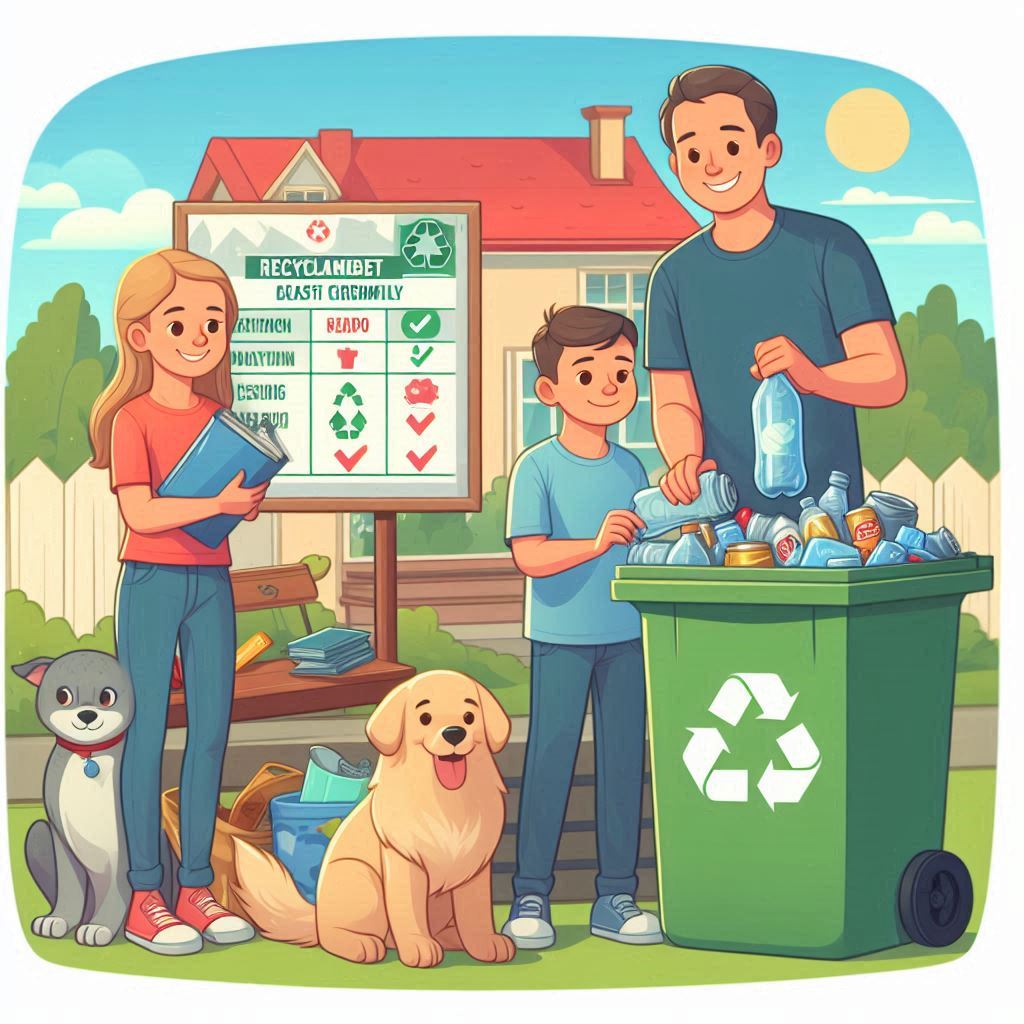
Recycling is one of the most fundamental environmental protection activities. However, if recycling is not done correctly, it can actually burden the environment. Follow these tips for effective recycling:
- Separate Plastics and Cans: Clean plastic containers and cans before recycling to improve the recycling process. Items that are not cleaned properly can hinder recycling.
- Distinguish Paper from General Waste: Contaminated paper cannot be recycled, so dispose of it as general waste and recycle only clean paper.
- Check Local Recycling Guidelines: Each municipality may have different recycling rules, so check the guidelines for your area.
This small habit of proper waste sorting can have a positive impact on the environment.
TIP: Practicing recycling with family members can make it easier to adopt and maintain as a daily habit.
3. Energy Conservation: Simple Ways to Save Energy at Home
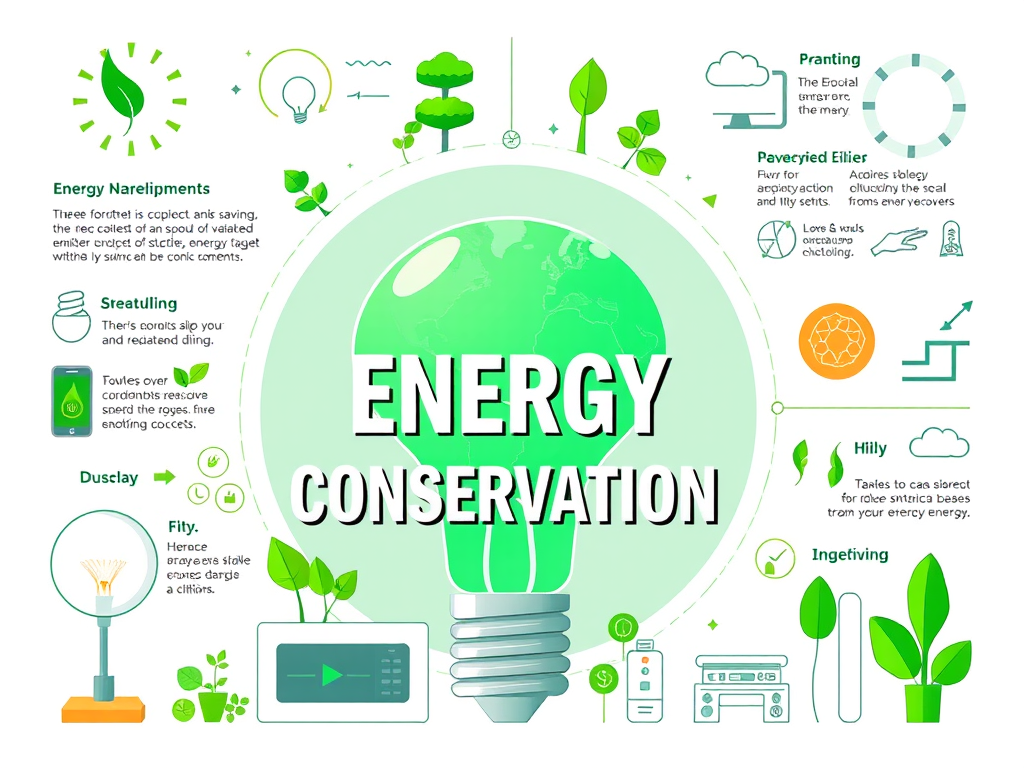
Energy conservation is a crucial action to help mitigate climate change. Reducing energy consumption lowers carbon emissions, which is essential for fighting climate change.
- Switch to LED Lights: LED lights consume far less energy and last longer than traditional bulbs.
- Eliminate Standby Power: Appliances like TVs, microwaves, and computers still consume power when plugged in, even if they’re off. Use power strips to easily turn off multiple devices at once.
- Adjust Heating and Cooling Temperatures: Set your air conditioner to 78°F (26°C) in the summer and your heater to 68°F (20°C) in the winter to save energy.
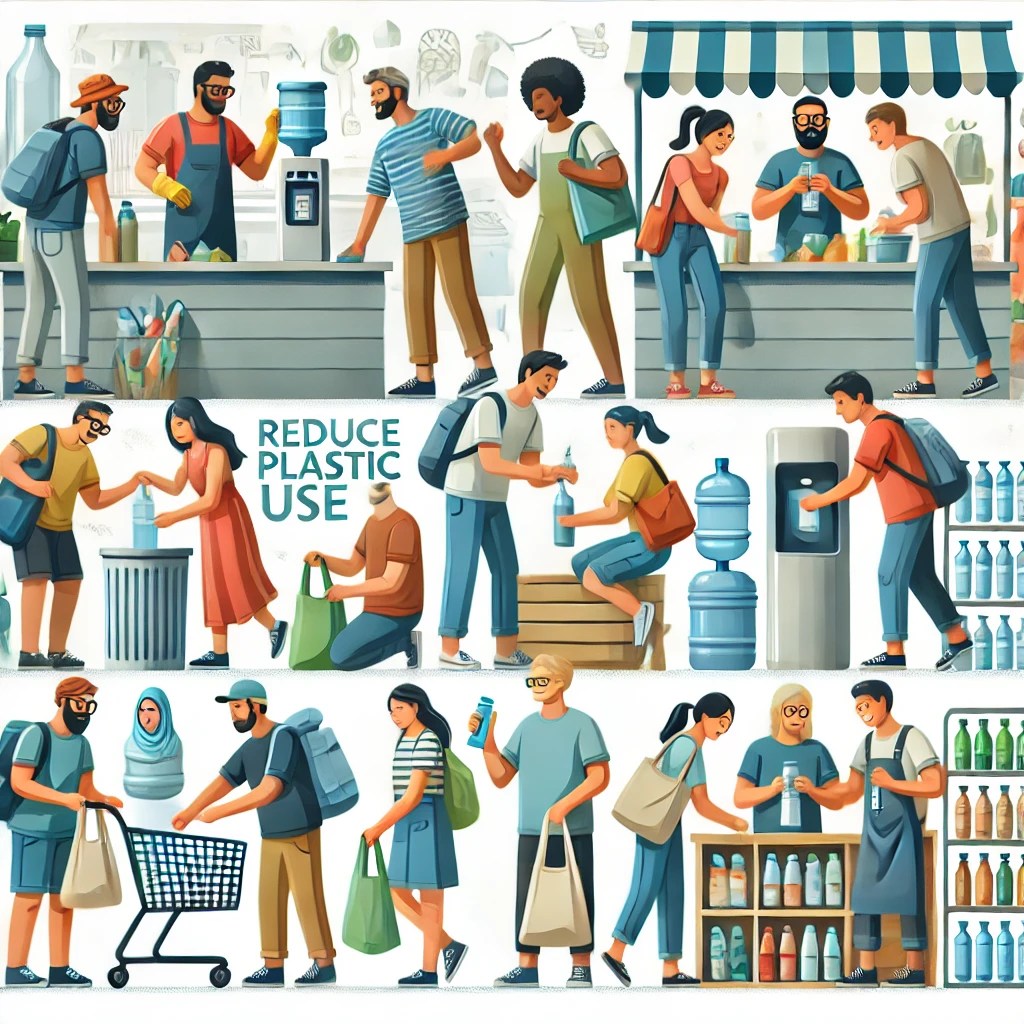
4. Reducing Plastic Use: Zero Waste Practices
Plastic does not break down easily and poses a long-lasting threat to the environment. Reducing plastic use is one of the most impactful steps we can take to combat climate change.
- Use Reusable Items like Tumblers and Tote Bags: Bring your own tumbler to cafes to avoid single-use cups, and use a tote bag when shopping to reduce plastic bag consumption.
- Reduce Packaging Waste: Opt for products with minimal packaging or bring your own cloth bags for buying produce at markets.
- Participate in Plastic-Free Challenges: Try a month-long challenge of minimizing plastic use to help build new habits.
TIP: Join a plastic-free challenge with friends and family to make it more enjoyable and impactful.
5. Sustainable Consumption: Eco-Friendly Shopping Tips
Sustainable consumption can help reduce your carbon footprint. Eco-conscious shopping helps reduce the resources and energy consumed to make and transport products.
- Buy Local Products: Purchasing local products can reduce the need for long-distance transportation, which lowers carbon emissions.
- Choose Eco-Certified Products: Select energy-efficient appliances and eco-labeled products, which are made with environmentally friendly practices.
- Shop Secondhand: Buying secondhand clothing or furniture helps reduce the need for new production, conserving valuable resources.
TIP: Visit thrift stores or online secondhand marketplaces to find quality items that are also eco-friendly.

6. Community Involvement: Participate in Environmental Protection
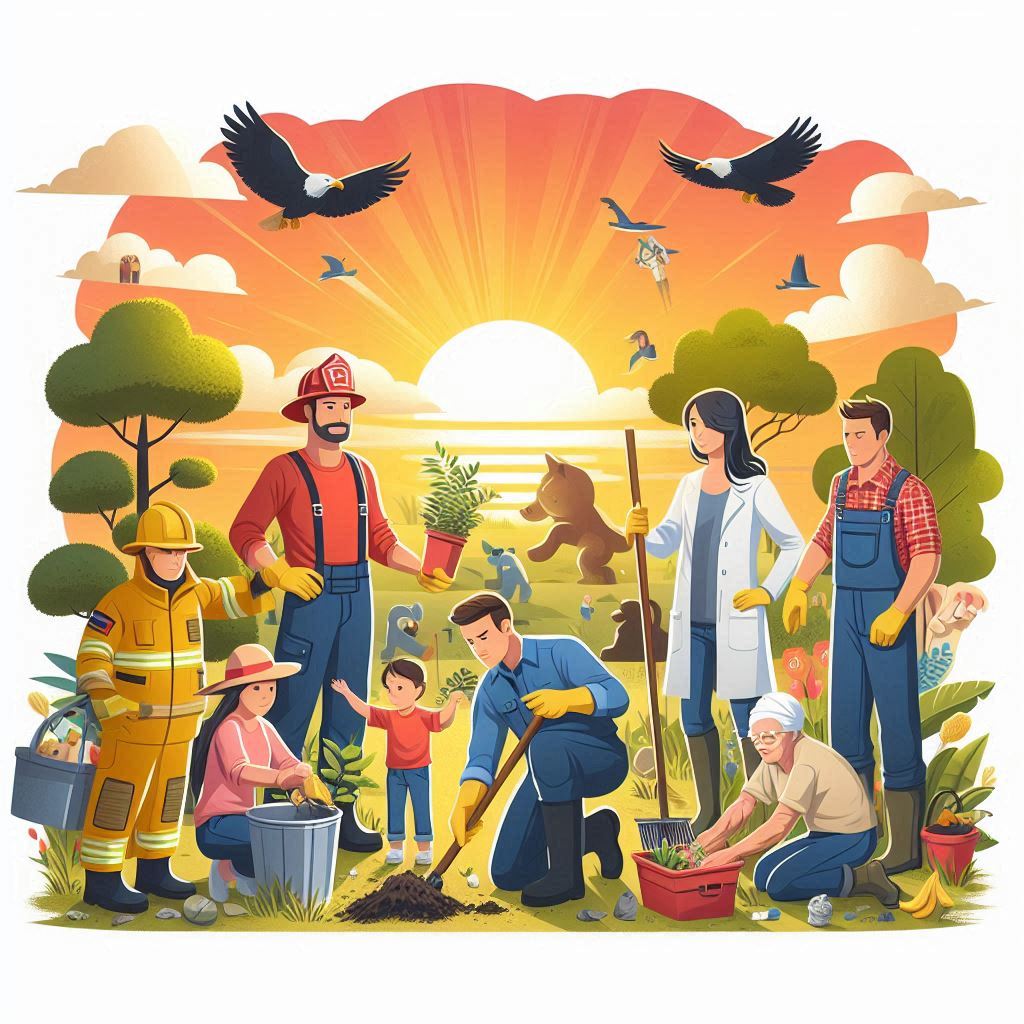
Environmental protection efforts are more powerful when they involve community cooperation. By getting involved in community activities, you can take part in real change for the environment.
- Community Cleanups: Join community cleanups or organize one with friends to keep local areas free from litter.
- Participate in Environmental Campaigns: Support initiatives to reduce plastic use, promote public transportation, or share eco-friendly tips.
- Attend Environmental Education Programs: Learn more about environmental protection through local programs and share the knowledge with others.

7. Public Transportation and Carpooling: Reducing Your Carbon Footprint
Using fewer cars and relying on public transportation or carpooling helps reduce carbon emissions.
- Take Public Transit: Buses and subways emit significantly less carbon per person compared to private cars.
- Carpool: Sharing rides with coworkers can reduce the number of cars on the road, which also reduces road congestion and energy use.
TIP: For short trips, consider walking or biking to improve both your health and the environment.
8. Water Conservation: Protecting Water Resources
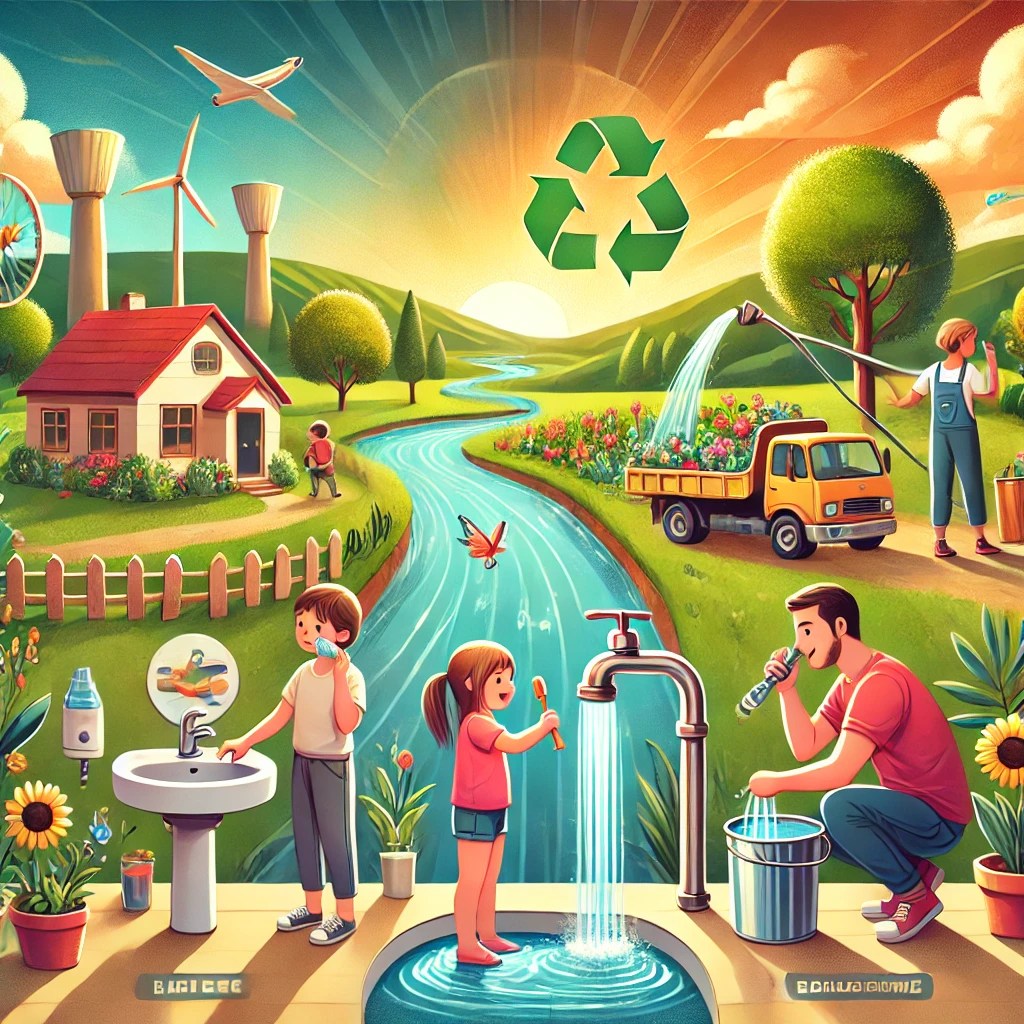
Water is a valuable resource. By conserving water, we can reduce the impact on natural resources and the environment.
- Shorten Showers: Reducing shower time can significantly cut water usage.
- Turn Off the Tap When Brushing: Simply turning off the water while brushing your teeth can save several gallons of water per week.
- Use Appliances Efficiently: Only run dishwashers and washing machines with full loads, and choose eco-friendly settings if available.
9. Practicing Carbon Neutrality: Calculating and Reducing Your Carbon Footprint
Carbon neutrality is achieved when individuals offset their carbon emissions by reducing or compensating for them. Reducing your carbon footprint in daily life has a significant impact on protecting the planet.
- Use a Carbon Footprint Calculator: Online carbon calculators help you understand your carbon emissions and identify areas for reduction.
- Tree Planting: Trees absorb carbon dioxide and release oxygen, helping offset carbon emissions. Participate in tree-planting projects to contribute to carbon neutrality.
TIP: Start growing indoor plants as a hobby. Not only do they help purify the air, but they also create a more nature-friendly atmosphere at home.

10. Commitment to Environmental Protection and Summary
Now you can see that small daily actions can have a large impact on climate change. Through simple actions like recycling, saving energy, reducing plastic use, and practicing sustainable consumption, anyone can play a role in combating climate change. Start today and be part of a positive change. Together, our small efforts can make a big difference for a healthier Earth.
Protecting the environment is an investment in our future. Even though it may seem like a small step today, these small actions add up and lead to significant change for our planet and for future generations.
Final TIP: Share this article with family and friends. Practicing environmental protection together can provide motivation and inspire more people to take an interest in sustainability.
We hope this guide has helped you understand what role you can play in addressing climate change. Start with recycling, saving energy, and reducing plastic use. These small actions can make a big difference and contribute to a healthier planet for all.
 Summit Select
Leave a comment