
1. What is a Chronic Disease?
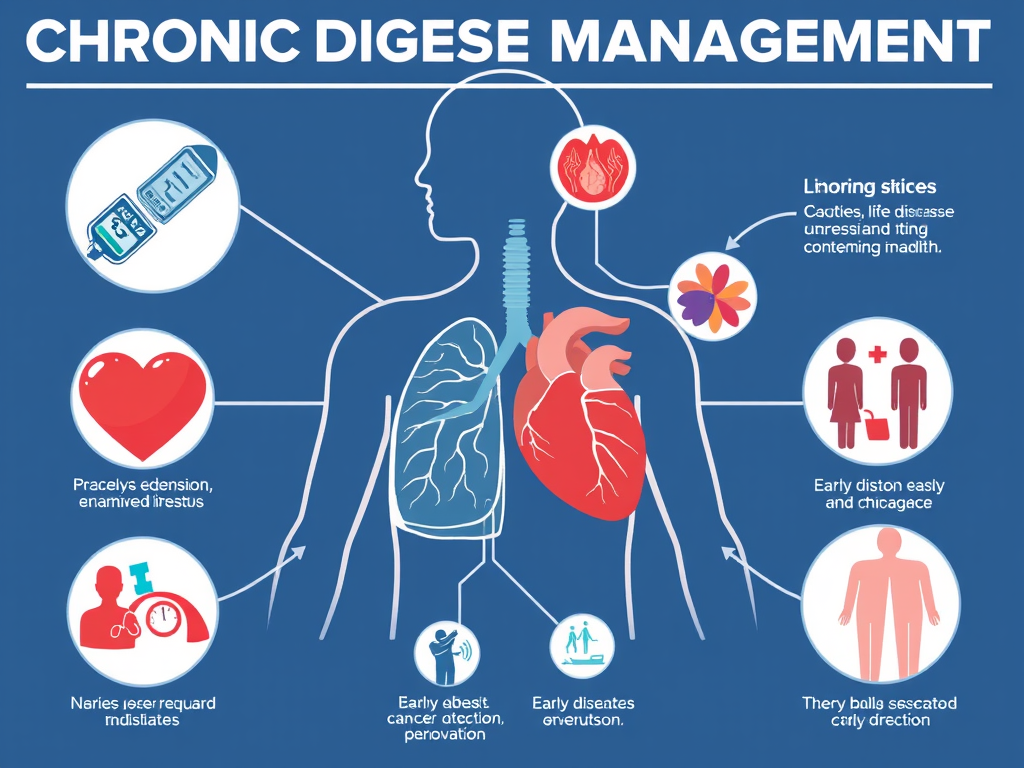
A chronic disease is a long-term health condition that is generally difficult to cure and requires continuous management. Common chronic diseases include diabetes, hypertension, heart disease, cancer, and chronic respiratory conditions, which are closely related to lifestyle habits. Though symptoms may be mild initially, chronic diseases tend to worsen over time, making early detection and prevention essential.
2. Why is Chronic Disease Management Important?
Chronic diseases can significantly impact daily life and, if left untreated, can lead to severe complications. While some risk factors like family history or age are unchangeable, regular health management and lifestyle improvements can greatly reduce the likelihood of these diseases. Managing chronic diseases is not just about treating illness—it’s about maintaining a high quality of life.
3. Key Types of Chronic Diseases and Risk Factors
Diabetes
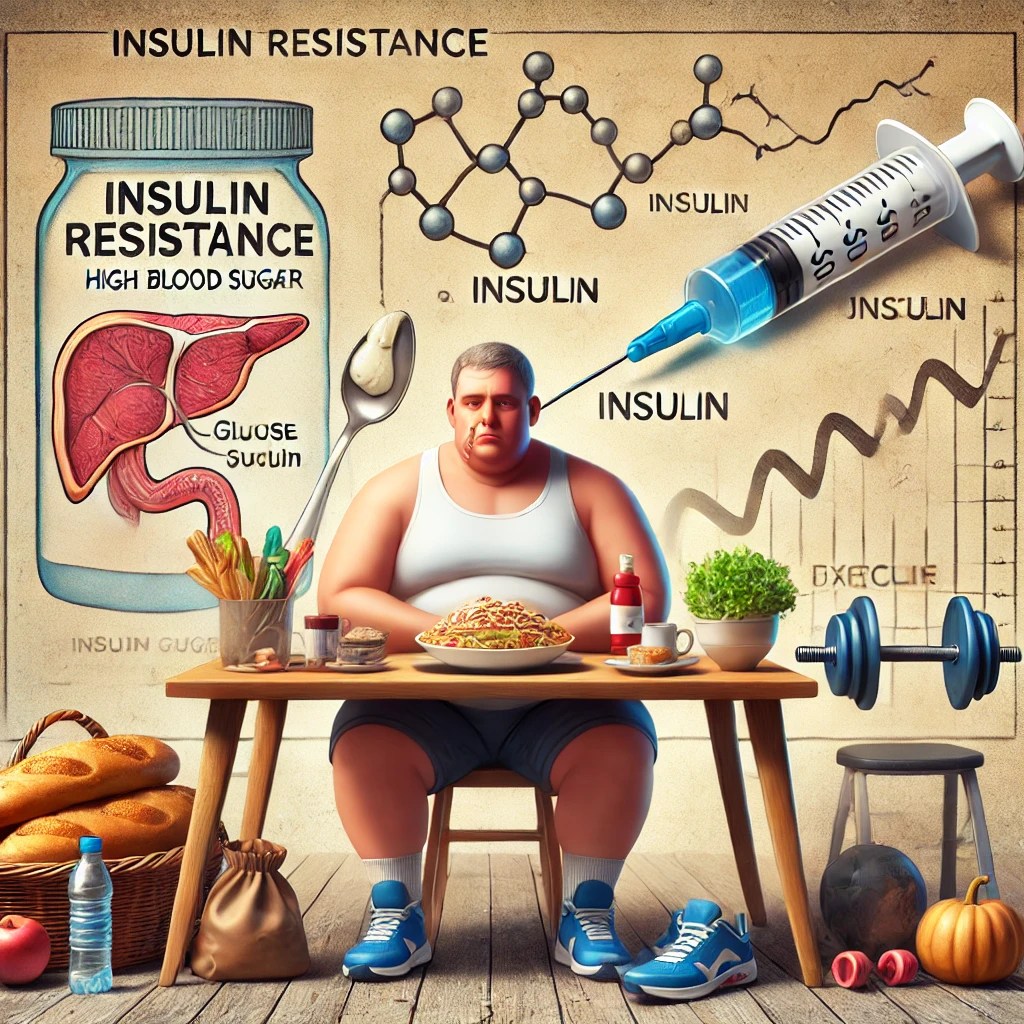
- Description: A condition where blood sugar is abnormally high due to ineffective insulin production or resistance.
- Risk Factors: Obesity, lack of exercise, irregular eating habits, high-carb diet, genetic factors
Hypertension (High Blood Pressure)
- Description: A condition where blood pressure remains elevated, putting strain on the heart and blood vessels, and leading to complications.
- Risk Factors: High salt intake, stress, lack of exercise, smoking, alcohol, genetic factors
Heart Disease
- Description: A condition where blood vessels become narrowed or blocked, affecting oxygen and nutrient delivery to the heart and potentially causing conditions like heart attacks.
- Risk Factors: High-fat, high-cholesterol diet, smoking, obesity, high blood pressure, stress
These risk factors are somewhat controllable through lifestyle changes, meaning improving lifestyle habits can help prevent and manage chronic diseases.
4. Diabetes Management: Blood Sugar Control and Complication Prevention
For those with diabetes, the most important goal is maintaining blood sugar levels within a normal range to prevent complications. Here are some key strategies for blood sugar management:
- Regular Blood Sugar Monitoring: Check fasting blood sugar levels in the morning and post-meal levels regularly to understand blood sugar trends.
- Balanced Diet: Excessive carbohydrate intake can spike blood sugar, so moderating carbs is essential. Incorporate balanced meals with protein and fiber.
- Regular Exercise: Aerobic exercise can improve insulin sensitivity and help stabilize blood sugar levels. Aim for at least 30 minutes of walking, swimming, or similar activities three times a week.
Example: A person with diabetes who maintains a routine of 30 minutes of walking daily may experience more stable blood sugar levels, sometimes reducing medication needs.

5. Hypertension Management: Lifestyle Changes for Blood Pressure Control
Hypertension can lead to serious health issues even without symptoms, so early management is crucial. Here are ways to lower blood pressure through lifestyle changes:
- Reduce Salt Intake: Lowering salt intake reduces sodium levels in the body, which can help manage blood pressure. The WHO recommends limiting daily salt intake to under 5g.
- Weight Management: Excess weight can raise blood pressure. Maintaining a healthy weight through regular exercise and diet is essential.
- Stress Management: Stress can stimulate the sympathetic nervous system and elevate blood pressure. Meditation, yoga, and relaxation techniques can help alleviate stress.
Tip: When cooking, try using herbs or spices instead of salt for added flavor. This helps reduce sodium intake while enhancing the taste of food.

6. Heart Disease Management: How to Maintain Cardiovascular Health
Heart disease can be life-threatening if not managed early, making prevention and care essential.
- Quit Smoking and Limit Alcohol: Smoking damages blood vessels, raises blood pressure, and adds strain to the heart. Excessive alcohol can cause high blood pressure and abnormal heart rhythms, so cutting back or quitting is recommended.
- Heart-Healthy Diet: A diet rich in fruits, vegetables, whole grains, and healthy fats supports vascular health. Reducing trans fats and saturated fats is also important.
- Regular Aerobic Exercise: Activities like brisk walking or cycling improve blood circulation and strengthen heart muscles.
Example: Many individuals experience stabilized blood pressure and heart rates within months of quitting smoking, reducing the risk of heart disease.
7. Lifestyle Habits to Prevent Chronic Diseases
The best way to prevent chronic diseases is by improving lifestyle habits. Here are practical tips on how to implement these changes.
- Healthy Eating: Maintain a balanced diet with fresh fruits, vegetables, protein, and whole grains. Avoid high-calorie, high-fat, and high-sodium foods.
- Regular Exercise: Exercise is highly effective for cardiovascular, blood pressure, and blood sugar management. Establish a routine and stick to it.
- Regular Health Screenings: Regular check-ups can help detect conditions early, allowing for preventive measures to be taken when necessary.

8. Mental Health and Chronic Disease: Managing Your Mind
Because chronic diseases require long-term management, they can also be psychologically challenging. Keeping a positive outlook and managing stress are essential for effective chronic disease management.
- Meditation and Yoga: Both are excellent for reducing stress and maintaining mental clarity and stability.
- Engaging in Hobbies: Spending time on hobbies helps reduce stress and promotes a positive outlook.
Tip: Try setting aside 10 minutes daily for meditation. This can improve your mood, reduce stress, and help you stay focused throughout the day.
9. Practical Health Management Tips You Can Follow
- Limit salt intake to 5g per day
- Engage in aerobic exercise for at least 30 minutes daily
- Regularly monitor blood sugar and blood pressure levels
- Reduce processed foods and use fresh ingredients
- Quit smoking and limit alcohol consumption
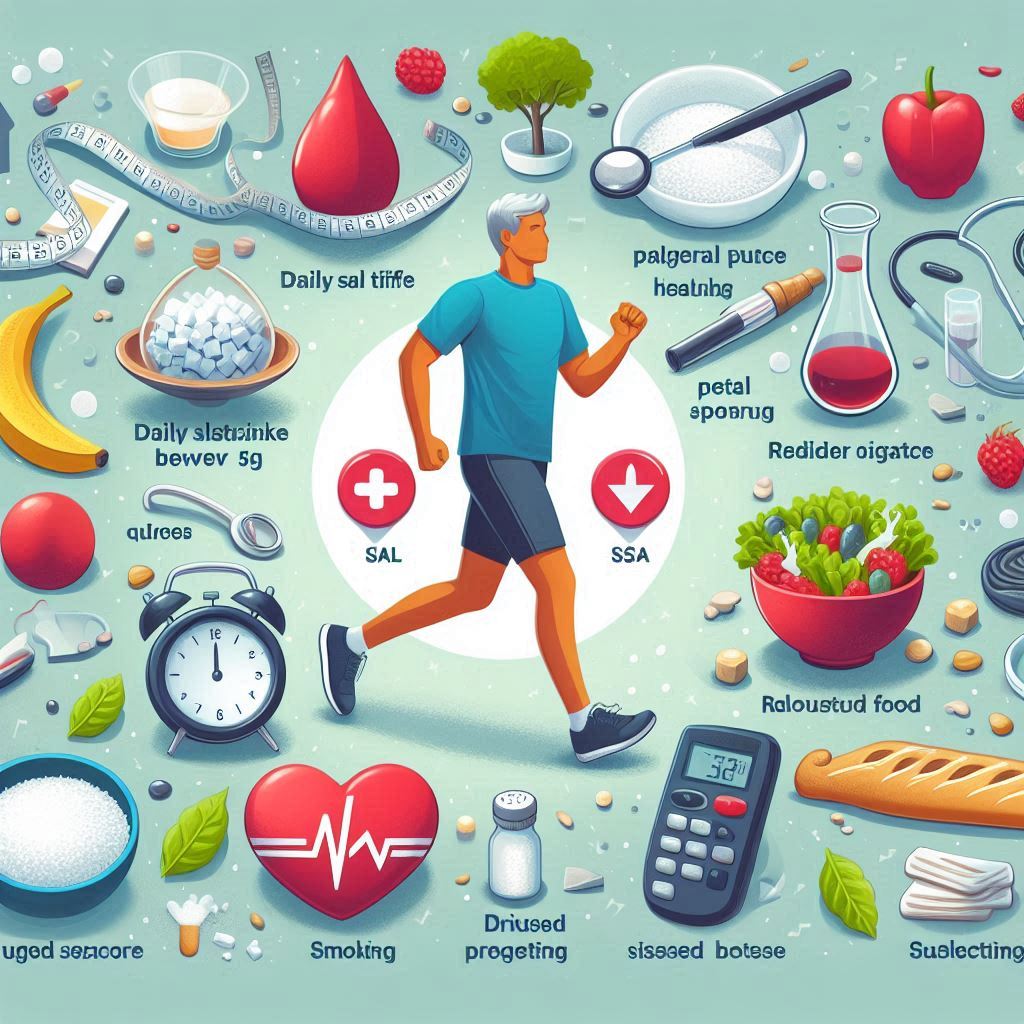
Following these steps consistently can greatly support chronic disease management.
10. Conclusion
Chronic disease management is not just about treating the disease but about enhancing the quality of life. By following the preventive and management methods described here for diabetes, hypertension, and heart disease, you can significantly improve your health and maintain a high quality of life. The key to managing chronic diseases lies in small, consistent changes to your habits.
The journey to better health is long and sometimes challenging, but the results are undoubtedly worth it. Gradual lifestyle changes will eventually create a strong foundation for a healthier life.
 Summit Select
Leave a comment