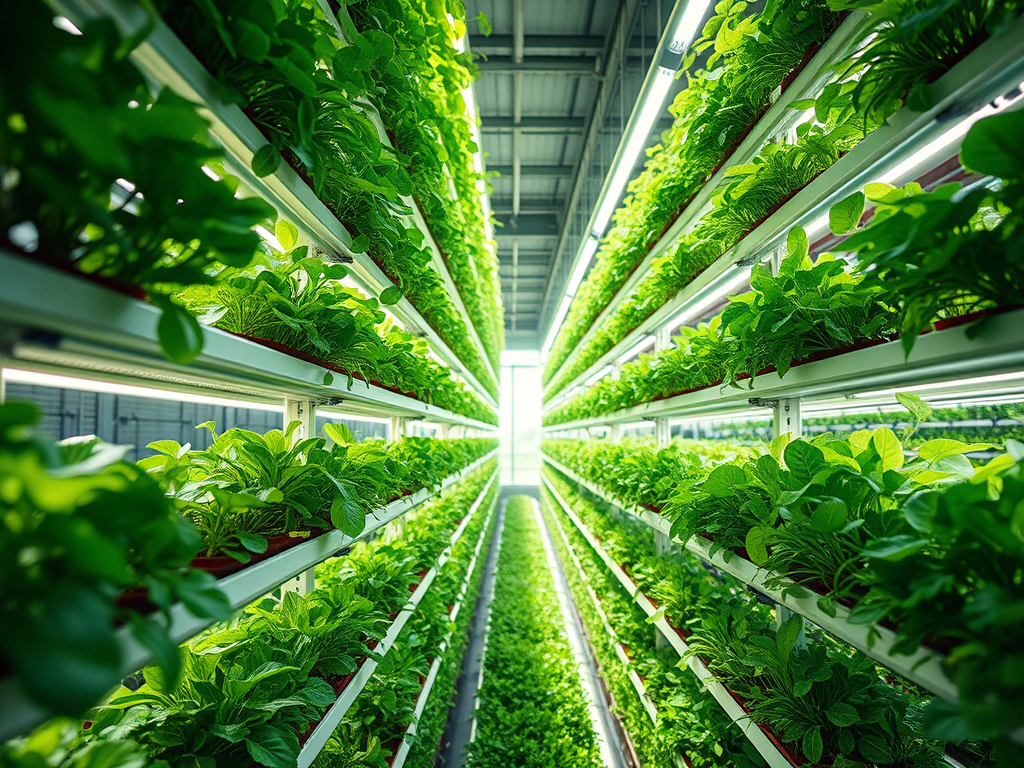
As climate change, resource scarcity, and environmental pollution become more severe, our diet is also undergoing a significant transformation. The world is searching for diverse alternatives to reduce environmental impact, and food technology and sustainable agriculture are at the forefront of this shift. Let’s explore the concept of “future food culture,” which has come to mean much more than just a meal.
1. The Need for Sustainable Agriculture in the Age of Climate Change
Impact of Climate Change on Agriculture
Climate change is heavily affecting agriculture. Extreme weather patterns such as droughts, floods, and unusual temperature spikes are making traditional farming methods increasingly challenging. According to the Food and Agriculture Organization (FAO), about 10% of global agricultural output is reduced each year due to climate change.
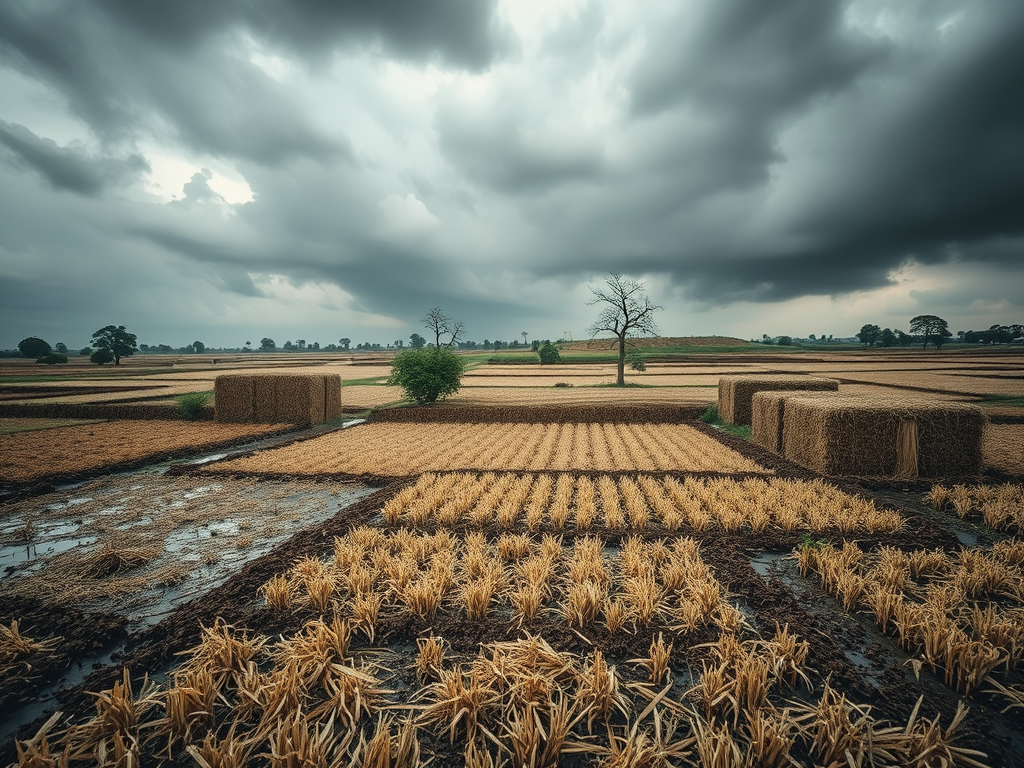
Future Agricultural Technologies: Vertical Farming and Smart Agriculture
To address these issues, innovations like Vertical Farming and Smart Agriculture are gaining traction. Vertical farms allow crops to be grown vertically indoors, reducing water usage by over 90% and making urban agriculture feasible. Smart Agriculture, which leverages IoT technology to control temperature, humidity, and lighting, boasts high efficiency and eco-friendliness. These innovations are pivotal for global food security in the future.
2. Alternative Proteins: Expanding Protein Choices Beyond Traditional Meat
Plant-Based Proteins and Cultured Meat
Traditional meat production is a major source of carbon emissions and environmental degradation. Plant-based proteins and cultured meat present viable alternatives. Companies like Beyond Meat and Impossible Foods offer plant-based meats that mimic the taste and texture of real meat, gaining popularity among consumers.
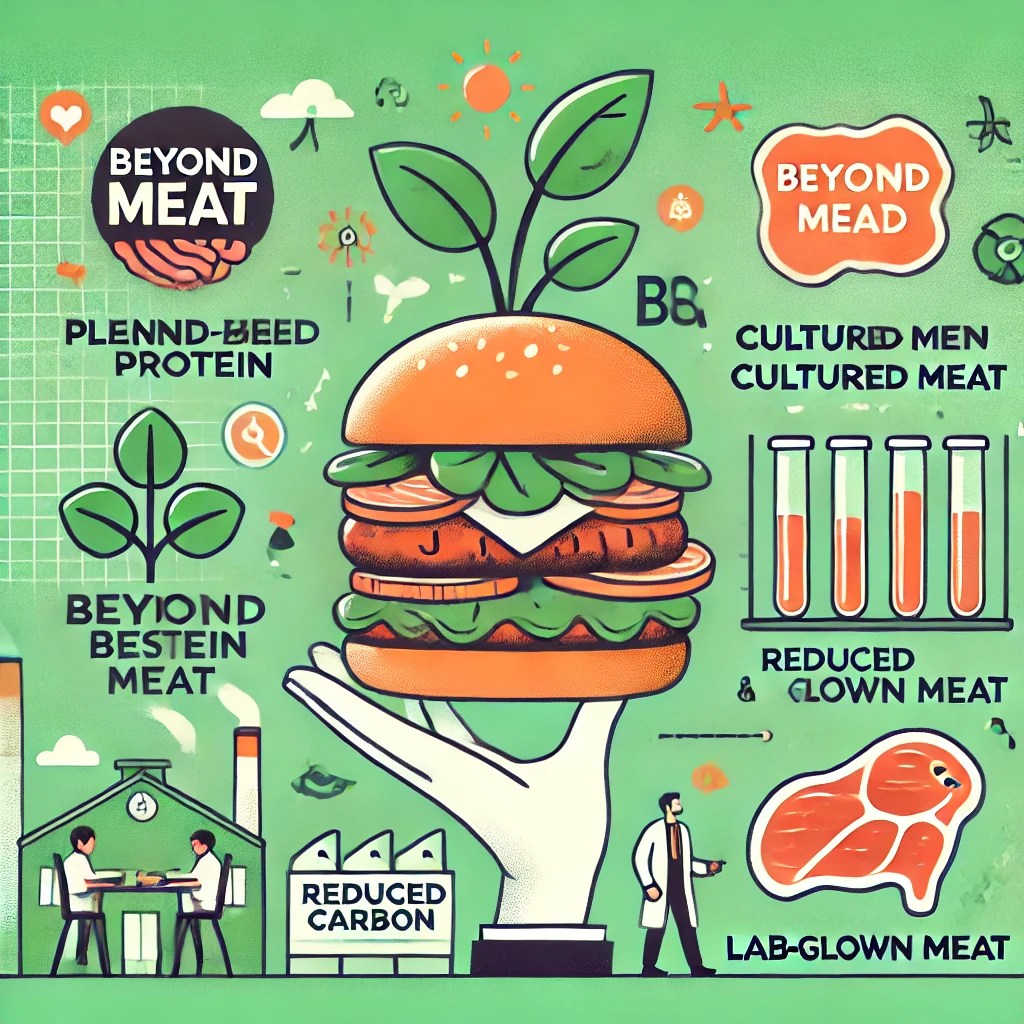
An illustration highlighting plant protein and cultured meat as eco-friendly alternatives. Educational resources on sustainable food options.
Insect Protein and Algae
Insect protein provides high protein in small spaces, making it an emerging protein source. Seaweed, rich in minerals and nutrients, has minimal environmental impact, making it an eco-friendly food option.
Case Study: According to the UN’s Food and Agriculture Organization, insect protein uses over 75% less water and feed than traditional livestock, driving rapid growth in the insect-based food industry.
3. Advances in Food Tech
Cultured Meat Technology
Cultured meat, grown from animal cells, offers meat with nearly the same taste and texture as traditional meat while significantly reducing environmental harm. It’s also a positive step toward animal welfare.
3D-Printed Food
3D-printing technology is invaluable for creating customized meals rich in specific nutrients and textures. It’s particularly beneficial for individuals with special dietary needs, like the elderly or young children.

Statistics: According to market research, the 3D food printing industry is projected to grow over 20% annually, likely to become a solution for personalized diets.
4. Zero Waste and Local Food Culture
Zero-Waste Food Culture
Zero-waste efforts focus on reducing food waste and using recyclable packaging to help protect the environment. Many restaurants now reduce single-use plastics, adopting reusable containers to practice zero-waste principles.
Local and Seasonal Foods
Local foods reduce transport distances, lowering carbon emissions and increasing freshness. Many grocery stores now feature special local food sections, helping consumers make environmentally responsible choices.
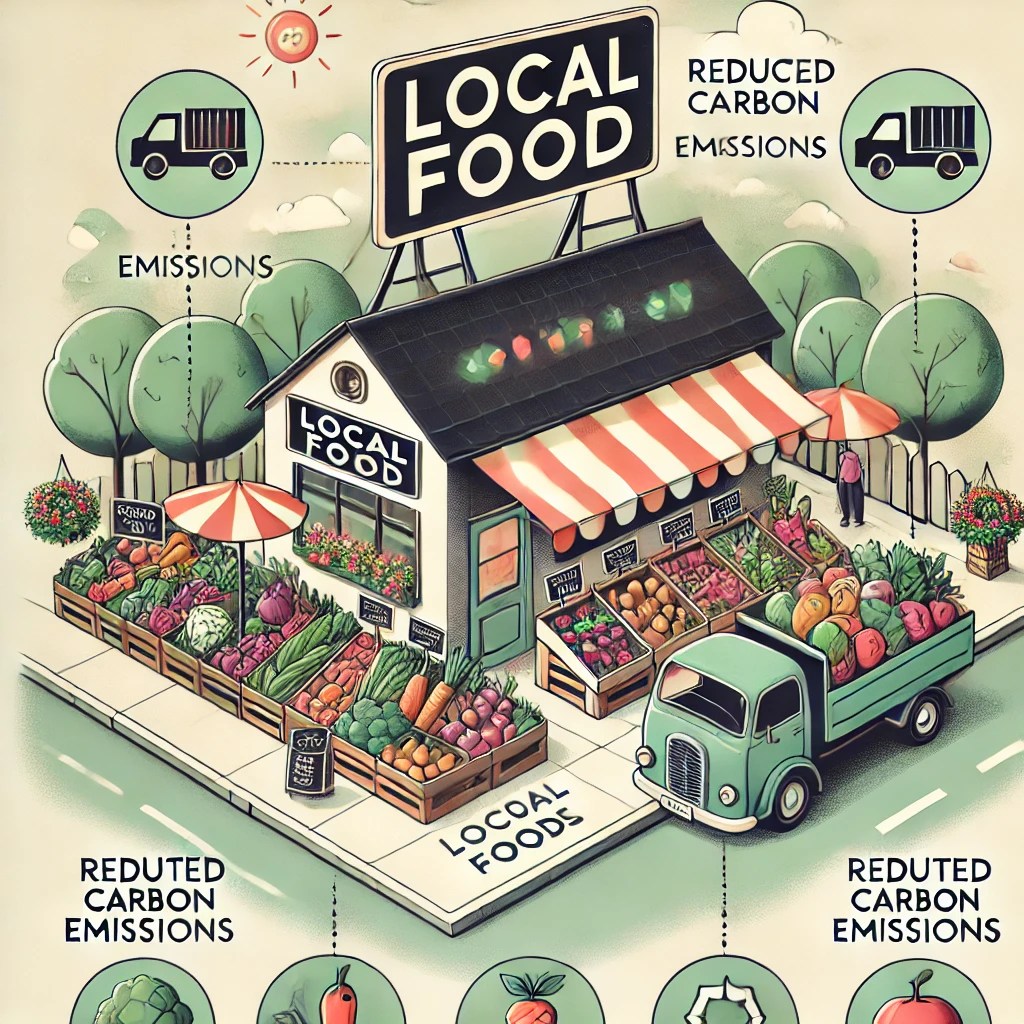
Illustration highlighting the advantages of local food and seasonal food consumption. A visual representation of the positive impact on the environment.
5. Healthier Future Diets: Personalized Nutrition and Microbiome Research
Personalized Nutrition
Wearable devices and smartphone apps now track personal nutrition and activity levels, offering personalized meal recommendations. This technology provides optimal diets tailored to individual health conditions, contributing to disease prevention.

Microbiome-Based Health Management
Microbiome research focuses on gut bacteria, supporting personalized diets based on individual gut health. Probiotics and prebiotic foods have become central to gut health, promoting better overall health management.
Conclusion: Building a Sustainable, Healthier Food Future
Future diets are more than simply satisfying hunger; we must build sustainable dietary habits that consider both environmental and personal health. Alternative proteins, innovative food tech, and sustainable agriculture are setting new standards for our food culture in response to climate change and resource scarcity.
The choices you make today can positively impact the environment and our health. Small changes can have a large impact. What kind of future diet do you envision? Let’s embark on a journey toward sustainable, healthy food choices together!
We’d love to hear from you: What are your thoughts on alternative proteins or sustainable agriculture? Share your thoughts on the future of food culture in the comments below!
 Summit Select
Leave a comment