
In today’s fast-paced world, maintaining a healthy lifestyle is more important than ever. Whether it’s for physical fitness, mental resilience, or emotional balance, establishing wellness practices that last can be the foundation for a happier life. Here’s a complete guide, with practical tips and evidence-based insights, to help you achieve everyday wellness.
1. Prioritize a Balanced Diet: Fuel Your Body with the Right Nutrients
A balanced diet is essential for energy, immunity, and overall well-being. It not only boosts your daily energy levels but also reduces the risk of chronic illnesses. Research from the Harvard T.H. Chan School of Public Health reveals that diets rich in whole foods can reduce the likelihood of heart disease by 31%.

- Focus on Whole Foods: Opt for fruits, vegetables, lean proteins, whole grains, and healthy fats. A colorful plate often indicates a variety of nutrients!
- Limit Processed Foods: Processed foods are high in sugars, unhealthy fats, and additives that can lead to weight gain and fatigue.
- Stay Hydrated: Aim for 8-10 glasses of water daily. Staying hydrated is key for everything from digestion to cognitive function.
Keywords: balanced diet, whole foods, nutrient intake, hydration
Real-Life Tip: Try planning meals ahead or meal prepping once a week to make healthier choices more accessible. Tools like MyFitnessPal or Cronometer can help you track nutrient intake and stay balanced.
2. Make Physical Activity a Daily Habit
Regular physical activity supports cardiovascular health, builds strength, and boosts mood by releasing endorphins. According to the Centers for Disease Control and Prevention (CDC), adults should aim for at least 150 minutes of moderate aerobic activity or 75 minutes of vigorous activity per week.
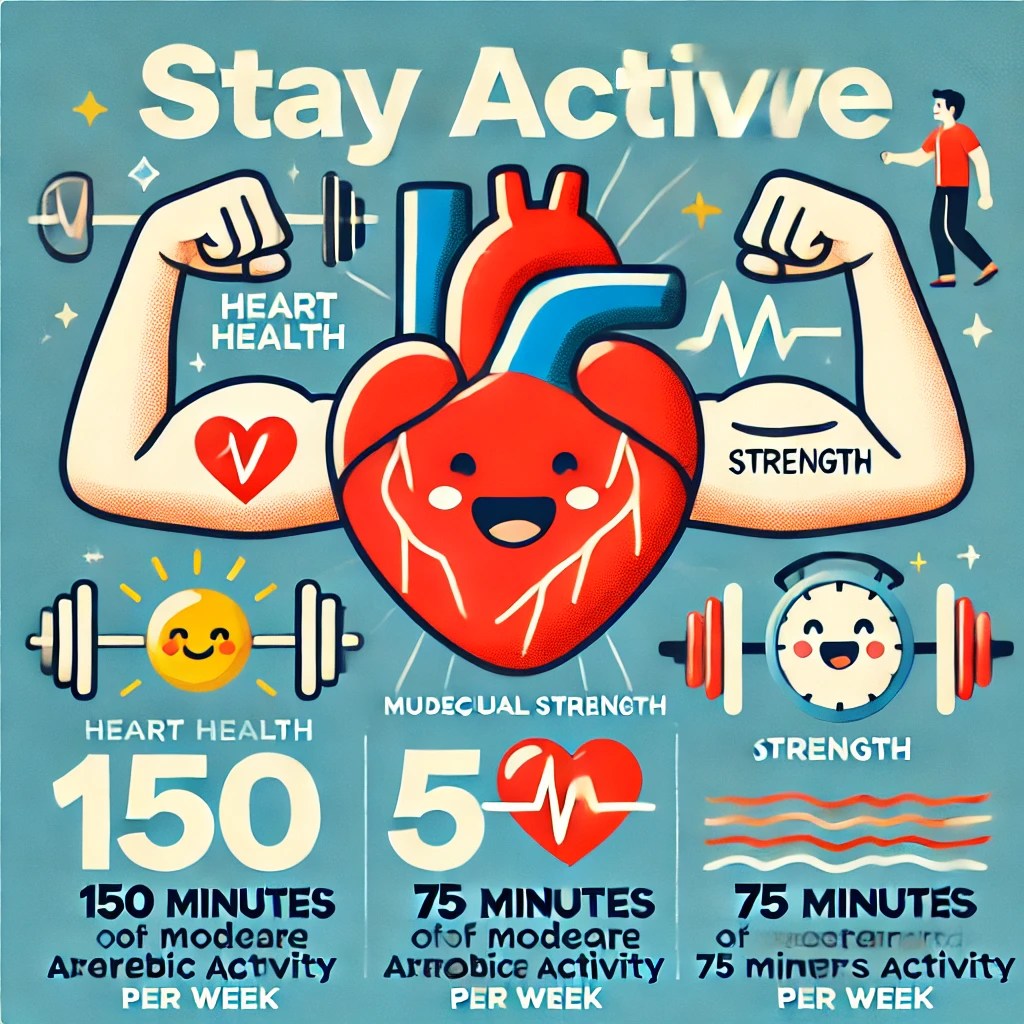
- Set Attainable Goals: Start with 20–30 minutes of brisk walking, cycling, or swimming.
- Incorporate Strength Training: Muscle-strengthening exercises, even twice a week, can improve bone health and metabolism.
- Choose Activities You Enjoy: Consistency is key. Find an activity that excites you, like dancing, hiking, or even an at-home workout.
Keywords: physical activity, exercise routine, aerobic activity
Example: Many people use the Couch to 5K app as a structured plan for beginners looking to incorporate running into their daily routine.
3. Prioritize Sleep: Recharge Your Mind and Body
Sleep impacts every aspect of health, from concentration and memory to immune function. Studies have shown that adults who get 7–9 hours of sleep per night are less likely to develop chronic health conditions.
- Create a Sleep Routine: Try to go to bed and wake up at the same time every day, even on weekends.
- Optimize Your Sleep Environment: Darken your room, maintain a cool temperature, and eliminate noise distractions.
- Limit Blue Light Exposure: Avoid screens an hour before bed to help your body naturally prepare for sleep.

This illustration shows how sleep affects various aspects of health, including concentration, memory, and immune function. It emphasizes that adults who get 7-9 hours of sleep per night are less likely to develop chronic health conditions.
Keywords: quality sleep, sleep routine, sleep hygiene
Personal Insight: Many find reading before bed instead of watching TV creates a sense of relaxation, which can ease them into a restful state.
4. Manage Stress with Mindfulness Techniques
Chronic stress can lead to numerous health issues, including high blood pressure, anxiety, and depression. Engaging in mindfulness activities has been shown to reduce cortisol levels, improve focus, and boost resilience.

- Try Mindfulness Meditation: Practicing just 10 minutes a day can improve emotional well-being and reduce stress.
- Use Guided Apps: Apps like Calm or Headspace provide structured sessions that make meditation accessible.
- Practice Gratitude: Writing down three things you’re grateful for each day can enhance positivity and reduce stress.
Keywords: stress management, mindfulness, meditation, gratitude
Case Study: Many corporate workplaces, like Google and Salesforce, have adopted mindfulness programs, reporting increased employee satisfaction and productivity.
5. Avoid Harmful Substances: Quit Smoking and Moderate Alcohol Intake
Avoiding harmful habits, like smoking and excessive drinking, is vital for long-term health. The World Health Organization (WHO) reports that smoking accounts for over 8 million deaths each year, and excessive alcohol intake is associated with various health risks.
- Quit Smoking: Seek support from health professionals or cessation programs, which can significantly increase success rates.
- Practice Moderation with Alcohol: For women, this typically means one drink per day, and for men, up to two. Excessive intake can lead to liver disease, hypertension, and weakened immunity.
- Seek Support: Many find success through accountability partners, such as friends or support groups like Alcoholics Anonymous.
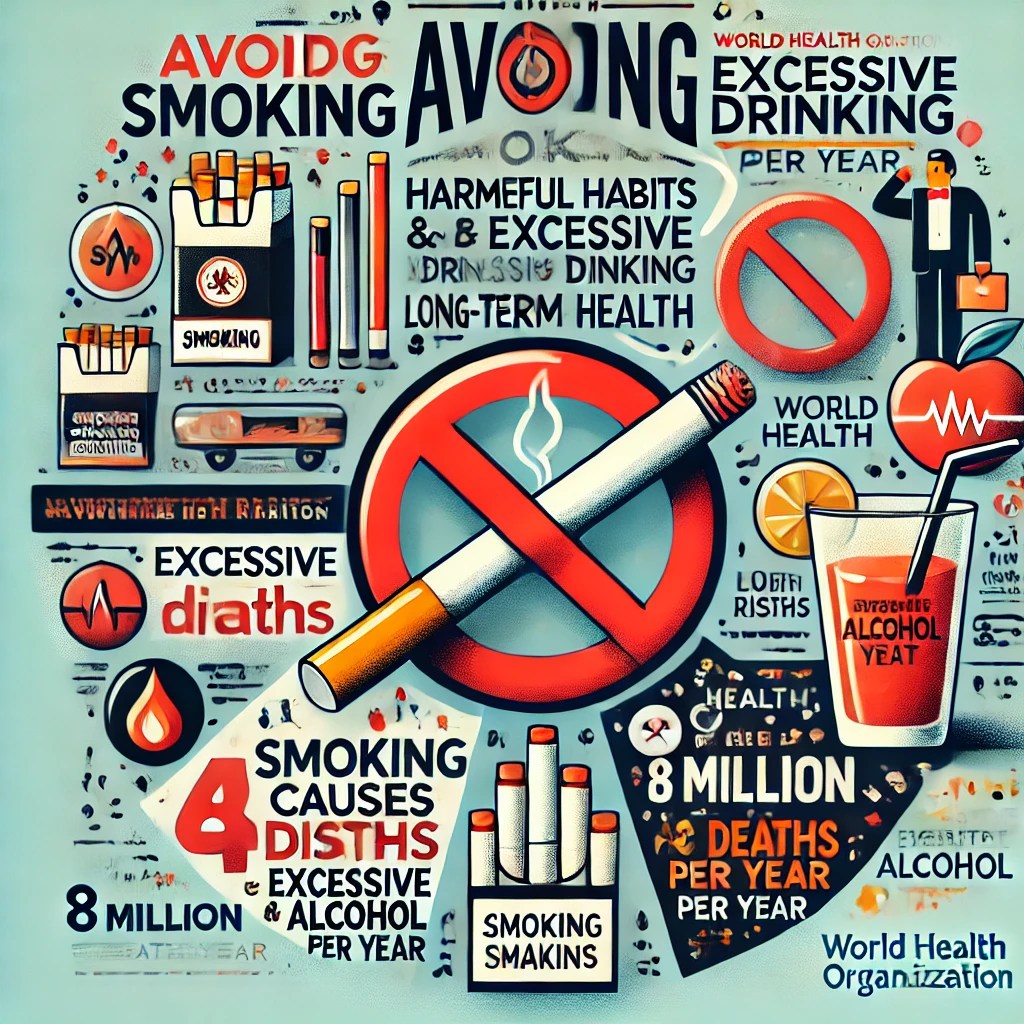
It is an illustration that shows the importance of avoiding smoking and excessive drinking. It encourages a healthy lifestyle.
Keywords: quit smoking, alcohol moderation, health risks
Success Story: Sarah, a 45-year-old former smoker, replaced her smoking habit with walking. With community support, she has improved her lung function and energy levels significantly.
6. Cultivate Social Connections and Supportive Relationships
Humans are social beings, and strong relationships are essential to our well-being. Research shows that individuals with healthy relationships have a 50% increased likelihood of living longer.
- Stay Connected: Make time to connect with friends and family, even if it’s a short call or virtual meet-up.
- Engage in Community: Joining groups with shared interests fosters social connection and mental health support.
- Seek Counseling When Needed: Therapy and counseling can offer valuable tools for coping and personal growth.

This illustration emphasizes that humans are social beings, and is a visual representation of how important healthy relationships are to our well-being. It visually captures the findings that people with healthy relationships are 50 percent more likely to live longer.
Keywords: social connections, mental health, healthy relationships
Encouraging Example: Research from the American Psychological Association shows that positive relationships reduce stress and encourage healthy behaviors, such as regular exercise and balanced eating.
7. Schedule Regular Health Screenings
Preventative care is one of the best ways to ensure long-term health. Annual health checks and age-appropriate screenings can detect issues early and keep you informed about your health.
- Make Annual Appointments: Regular visits to your primary care doctor allow you to address any concerns before they become serious.
- Get Essential Screenings: Routine checks like cholesterol levels, blood pressure, and glucose monitoring are essential, especially after 40.
- Track Your Health History: Maintaining personal health records can help you stay informed and proactive about managing your health.

Keywords: health screenings, preventative care, regular check-ups
Real-World Application: Many insurance providers offer discounted premiums for individuals who complete annual health check-ups, making it beneficial both health-wise and financially.
Conclusion: Building Lasting Health Habits
Creating a healthier lifestyle is about small, consistent steps. By setting realistic goals and incorporating these wellness practices into daily life, you can significantly improve your physical, mental, and emotional well-being. Remember, every positive choice contributes to a healthier, happier you.
How do you prioritize your health? Share your thoughts or experiences below! Or subscribe to our blog for regular tips on creating a balanced, health-focused lifestyle.
 Summit Select
Leave a comment