
A Guide to Healthy Eating: Nutritional Habits, Essential Nutrients, and Superfoods
For today’s busy individual, a healthy diet has become a necessity rather than an option. Adopting nutritious eating habits and balancing essential nutrients not only help keep our bodies in top shape but also improve immunity, boost energy, and support long-term health. In this post, we’ll delve into the core elements of a healthy diet and provide actionable tips for implementation, including a checklist for easy reference and ways to incorporate superfoods into a nutritious eating routine.
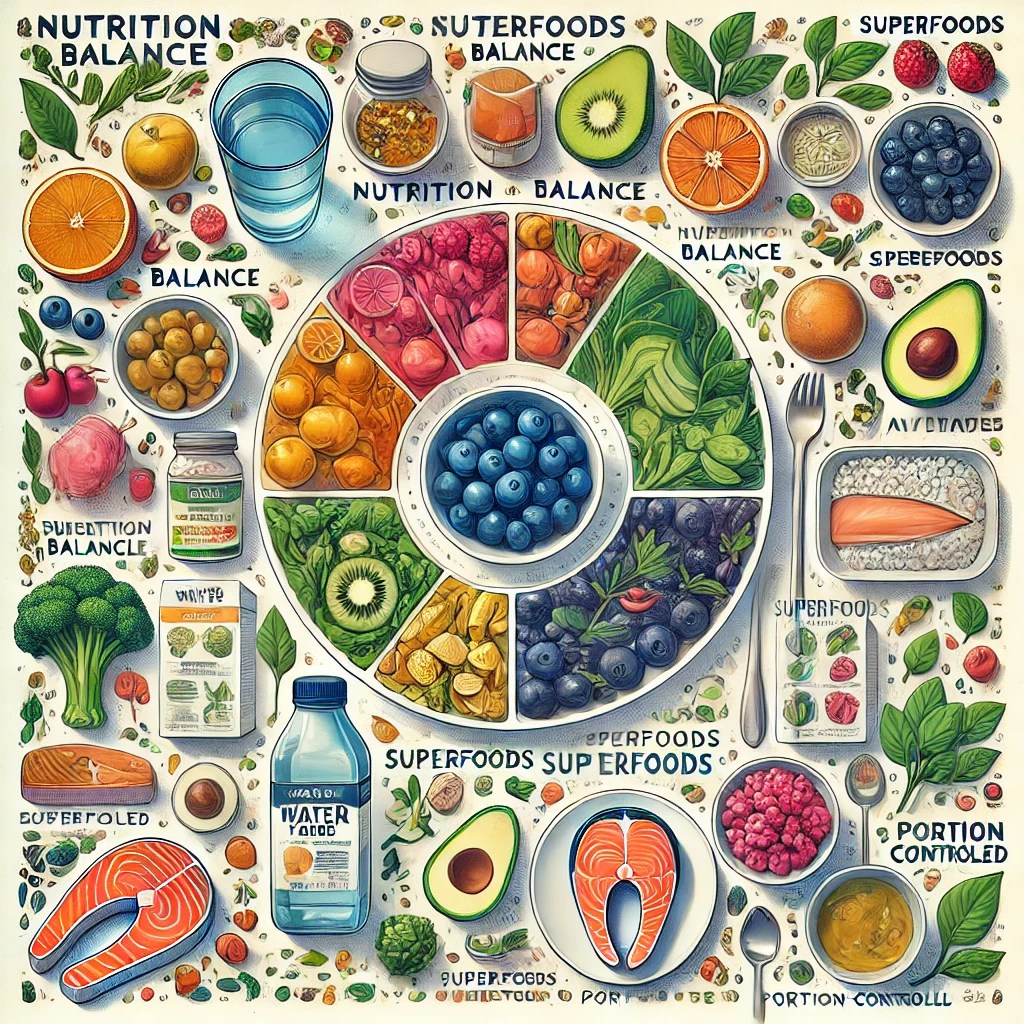
1. What is Healthy Eating? – Understanding the Basics
- Keywords: Healthy eating habits, balanced diet, actionable tips
- Healthy eating habits go beyond just choosing nutritious foods. They involve regular meal times, adequate nutrient intake, and a low-stress environment for eating. Avoiding overeating and irregular meals is just as crucial as eating the right foods at the right times.
Practical Tips:
- Eat three balanced meals a day with nutritious snacks.
- Chew slowly and savor each bite to enhance satiety.
- Create a distraction-free environment during meals.

Checklist:
- Eat three regular meals each day.
- Choose healthy snacks like fruit, nuts, and yogurt.
- Keep devices and distractions away during mealtime.
2. Understanding Balanced Nutrients
- Keywords: Carbohydrates, protein, healthy fats, essential nutrients
- A balanced diet includes a thoughtful mix of carbohydrates, proteins, and fats. Each nutrient supports different bodily functions and contributes to overall health. A deficiency or excess of any of these nutrients can negatively impact well-being.
Key Nutrients and Food Examples:
- Carbohydrates: The main source of energy, with whole grains like oats, sweet potatoes, and quinoa being ideal choices.
- Protein: Vital for muscle and cell repair, found in foods like eggs, chicken breast, and beans.
- Healthy Fats: Support cardiovascular and brain health; olive oil, avocado, and salmon are great options.
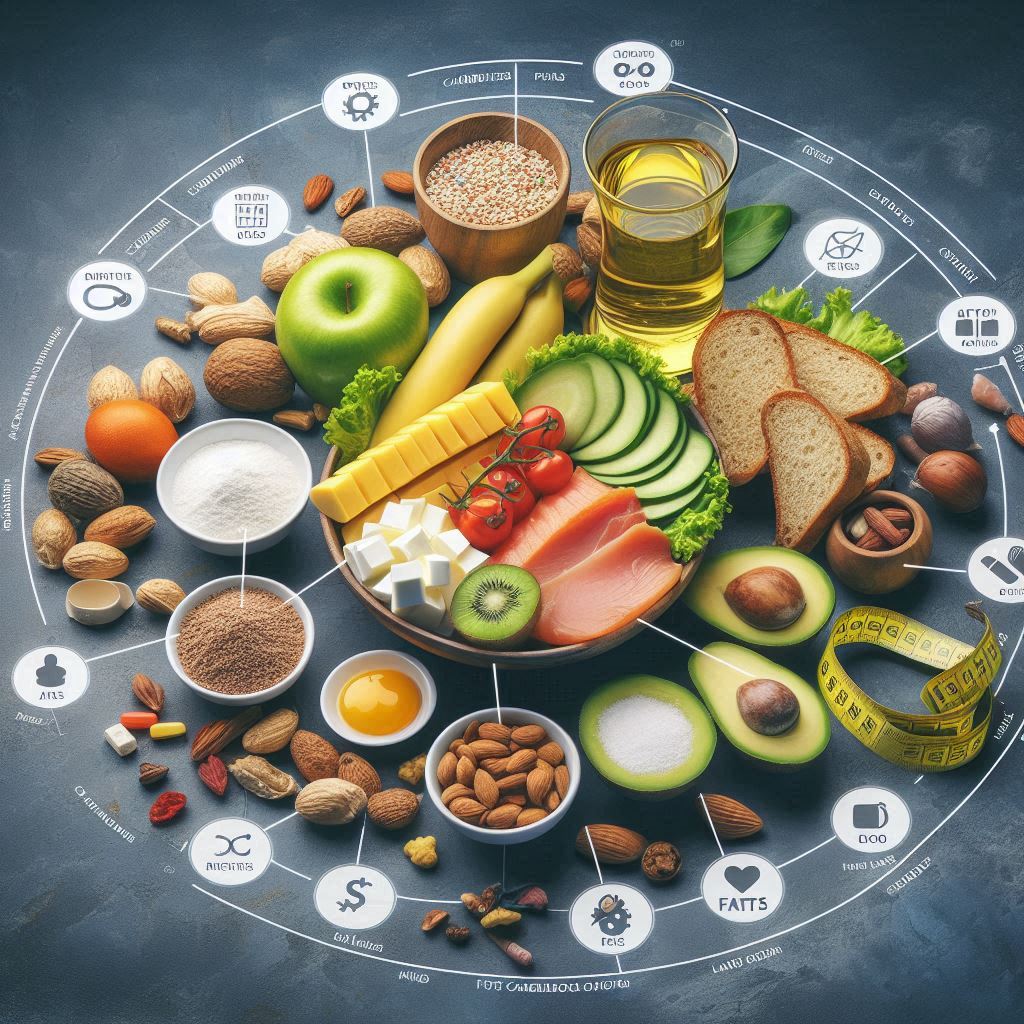
The illustration is a visual representation of various complex carbohydrates, proteins, and healthy fats. It shows essential nutrients for energy, muscle recovery, and cardiovascular health.
Checklist:
- Balance carbs, protein, and fats in each meal.
- Choose complex carbs (replace white rice with quinoa or brown rice).
- Include a source of healthy fat daily (e.g., avocado, nuts).
3. Incorporating Superfoods: Boosting Immunity and Reducing Inflammation
- Keywords: Superfoods, antioxidants, immune support
- Superfoods like blueberries, avocados, kale, and salmon are packed with vitamins, minerals, and antioxidants that reduce inflammation and support immunity. Below are some popular superfoods and their benefits:
Popular Superfoods and Their Benefits:
- Blueberries: Rich in antioxidants, they help fight aging and boost immunity.
- Kale: Contains vitamins K, A, and C, supporting bone health and circulation.
- Salmon: Loaded with omega-3 fatty acids, which aid brain and heart health.
- Avocado: High in healthy fats, offering satiety benefits and supporting heart health.

Checklist:
- Eat berries or similar fruits twice a week.
- Add leafy greens like kale to salads.
- Include salmon in your diet weekly for omega-3 benefits.
4. Maintaining a Healthy Diet in Everyday Life
- Keywords: Practical healthy eating, consistency, meal planning
- Staying consistent with healthy eating requires planning. Preparing meals ahead of time or setting up a weekly meal plan can make it easier to stick to nutritious choices.
Suggested Methods:
- Meal Planning: Plan a week’s worth of meals to save time, stay organized, and avoid unhealthy choices.
- Food Journaling: Keep track of what you eat each day, which can help you monitor nutrient intake and find areas for improvement.
- Recommended Apps: Use apps like ‘MyFitnessPal,’ ‘Yazio,’ and ‘Lose It!’ to track calories and nutrients in each meal.
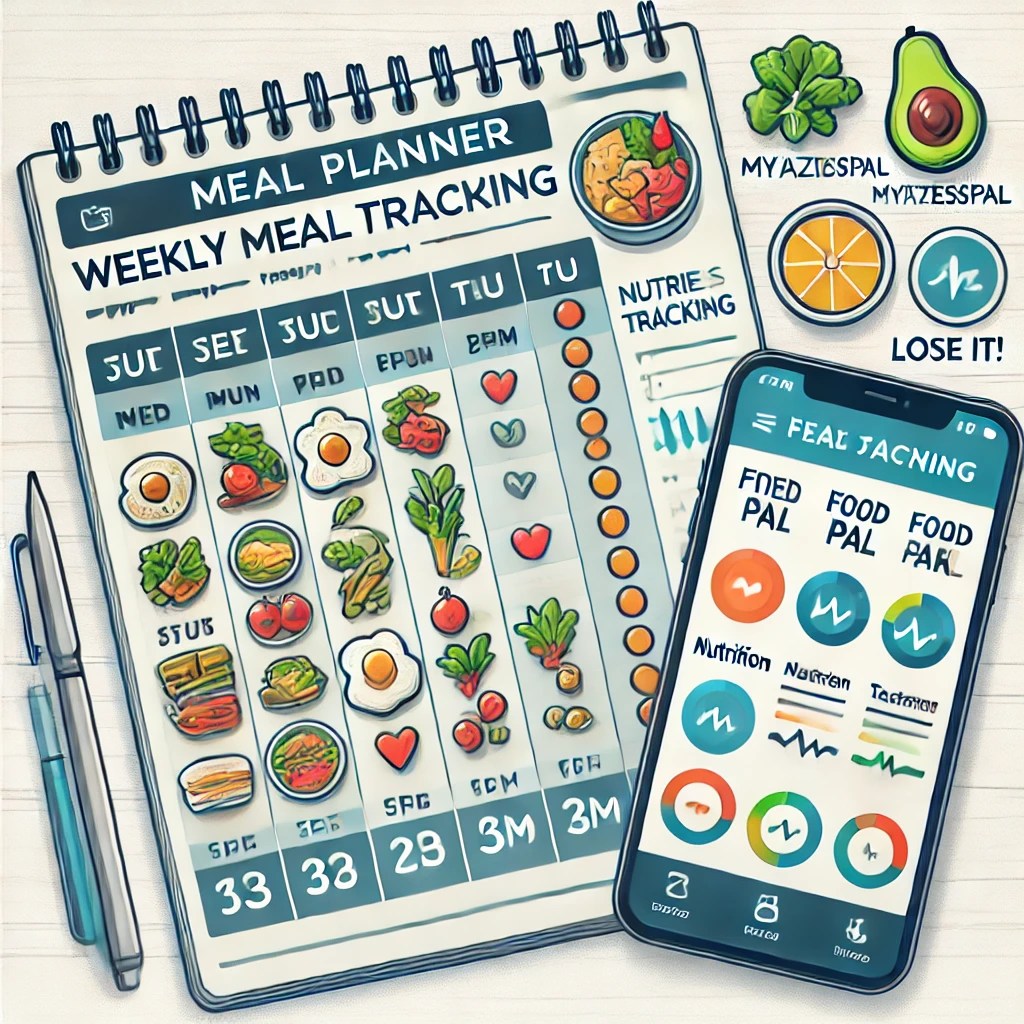
I have completed illustrations related to weekly diet plans, diet records, and recommendation apps. It will be good to use as a visual material to help a healthy life.
Checklist:
- Plan your meals each week.
- Use a food journal to monitor eating habits.
- Track calories and nutrients with a meal tracking app.
5. Benefits of a Healthy Diet and the Importance of Consistency
- Keywords: Weight management, long-term health, consistency
- A healthy diet helps in maintaining a balanced body weight, improving physical fitness, and supporting long-term health. Studies show that regular intake of vegetables and fruits reduces the risk of chronic illnesses and boosts energy levels.
Tips for Building a Sustainable Diet:
- Develop long-term habits instead of focusing on quick fixes. Small, gradual changes will have lasting effects.
- Share your dietary goals with friends or family to create accountability, making it easier to stick with a nutritious eating plan.

Checklist:
- Manage a consistent meal plan for long-term health.
- Ensure that over 50% of each meal consists of vegetables or fruits.
- Cultivate a positive mindset toward healthy eating.
Conclusion: Investing in Future Health with a Nutritious Diet
Following a healthy diet is one of the most effective ways to improve well-being. Consuming the right nutrients and incorporating superfoods regularly, along with sticking to consistent meal times and tracking progress, can make a huge difference. Start small and gradually adopt practices that lead to a vibrant and balanced life.
Now, we’d love to hear from you. If you have healthy eating habits or tips that have worked well for you, please share them in the comments! Your valuable insights might just inspire others on their journey to better health.
Stream Your Favorites Faster & Better! 📺
Why wait? Upgrade to Amazon Fire TV and enjoy lightning-fast streaming and thousands of apps at your fingertips. It’s time to level up your TV game! 🚀
 Summit Select
Leave a comment