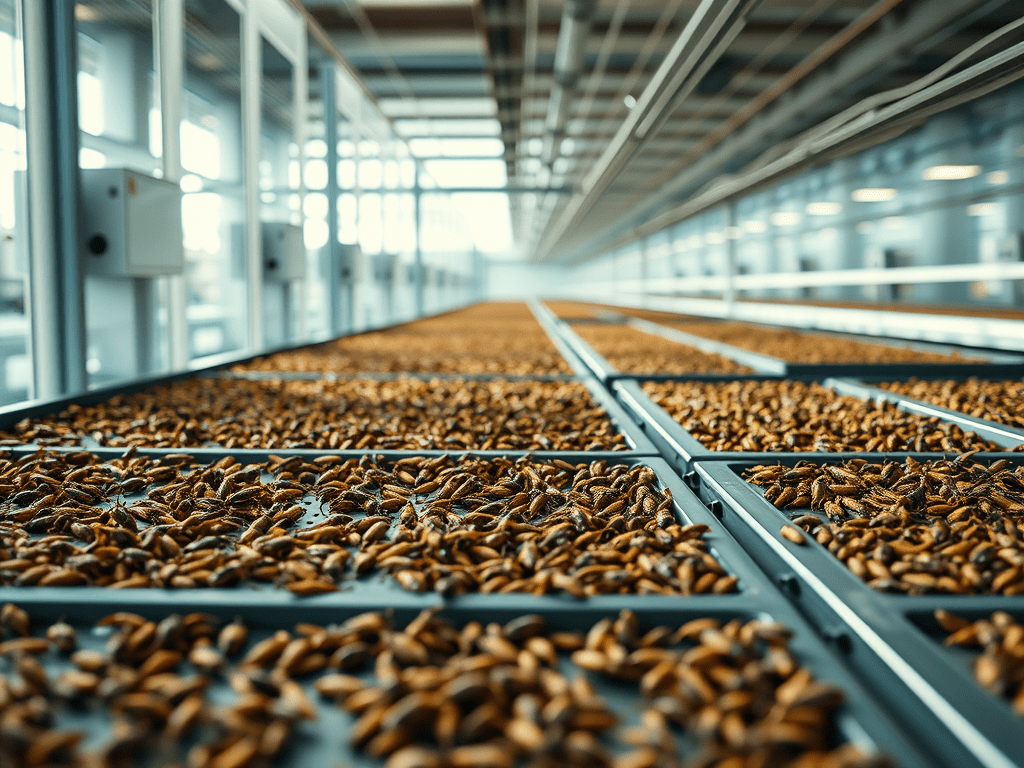
With the world’s population continuously increasing and environmental challenges like climate change worsening, new sustainable food sources are more necessary than ever. As a result, insect farms have emerged as a promising future protein source. Edible insects not only offer abundant protein and nutrients but also place minimal strain on the environment, making them a viable solution to future food shortages. This article explores the potential and efficiency of insect farming and its positive impact on environmental protection.
1. What Are Insect Farms?
Concept and Operation of Insect Farms
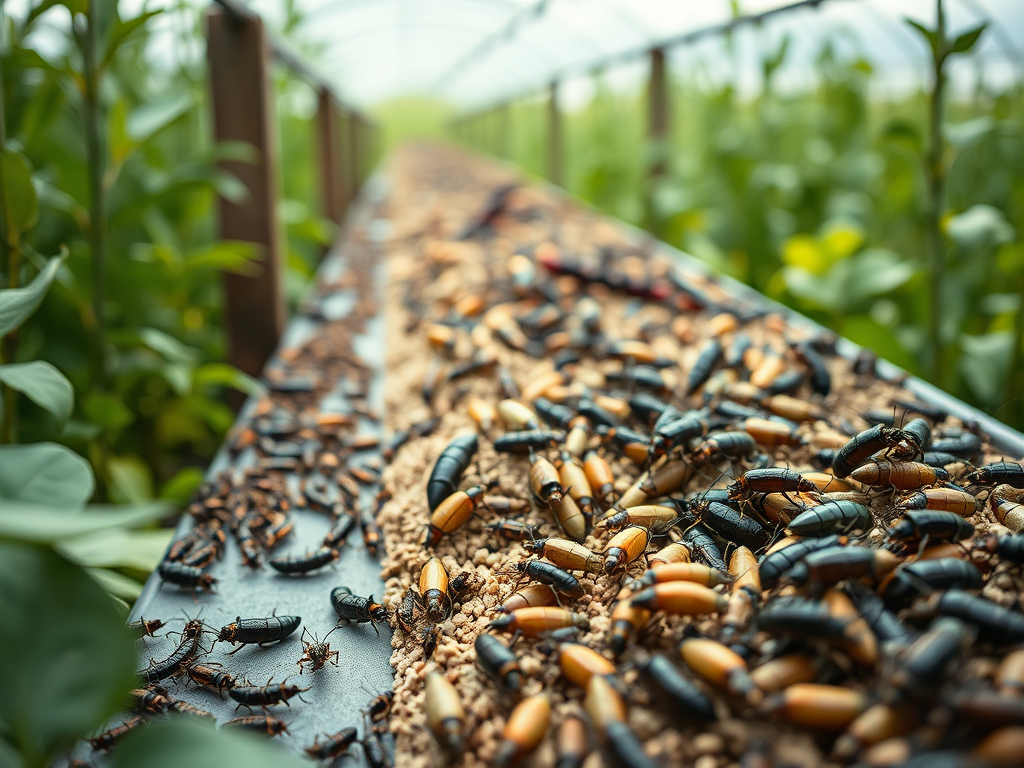
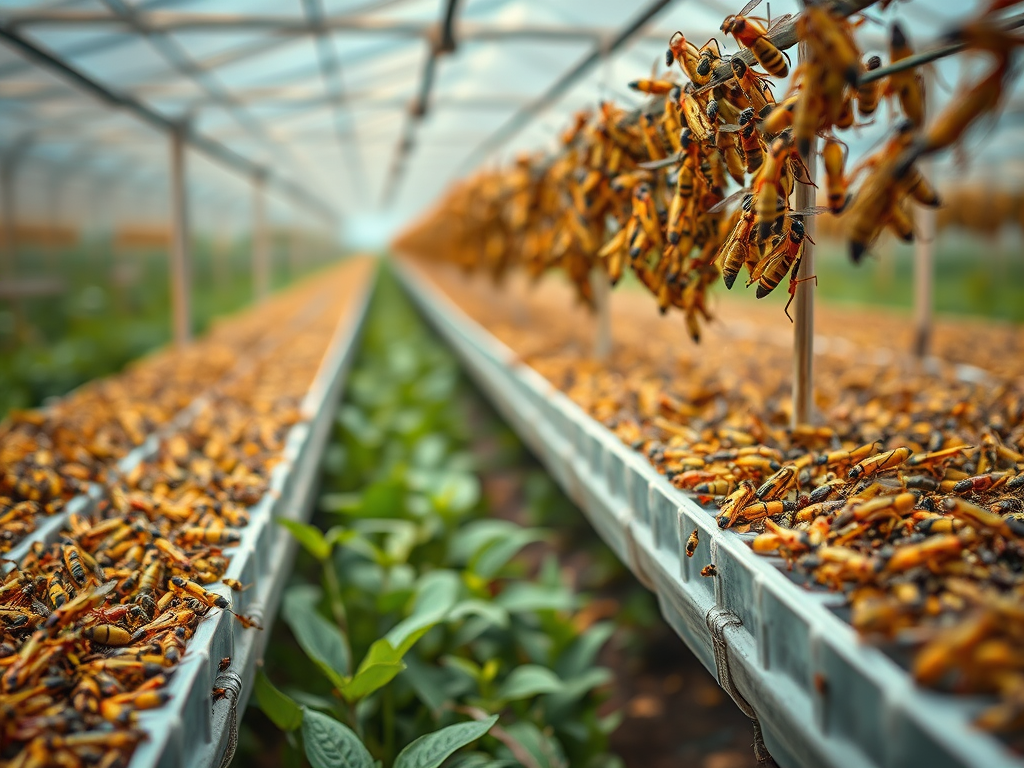
Insect farms are systems that raise insects on a large scale for human consumption or animal feed. The main types of edible insects include crickets, mealworms, and locusts, which grow and reproduce rapidly, making them ideal for mass production. Recently, insect farms have incorporated automated environments and optimized feed systems, greatly improving productivity and accessibility.
Examples: Successful Insect Farms Worldwide
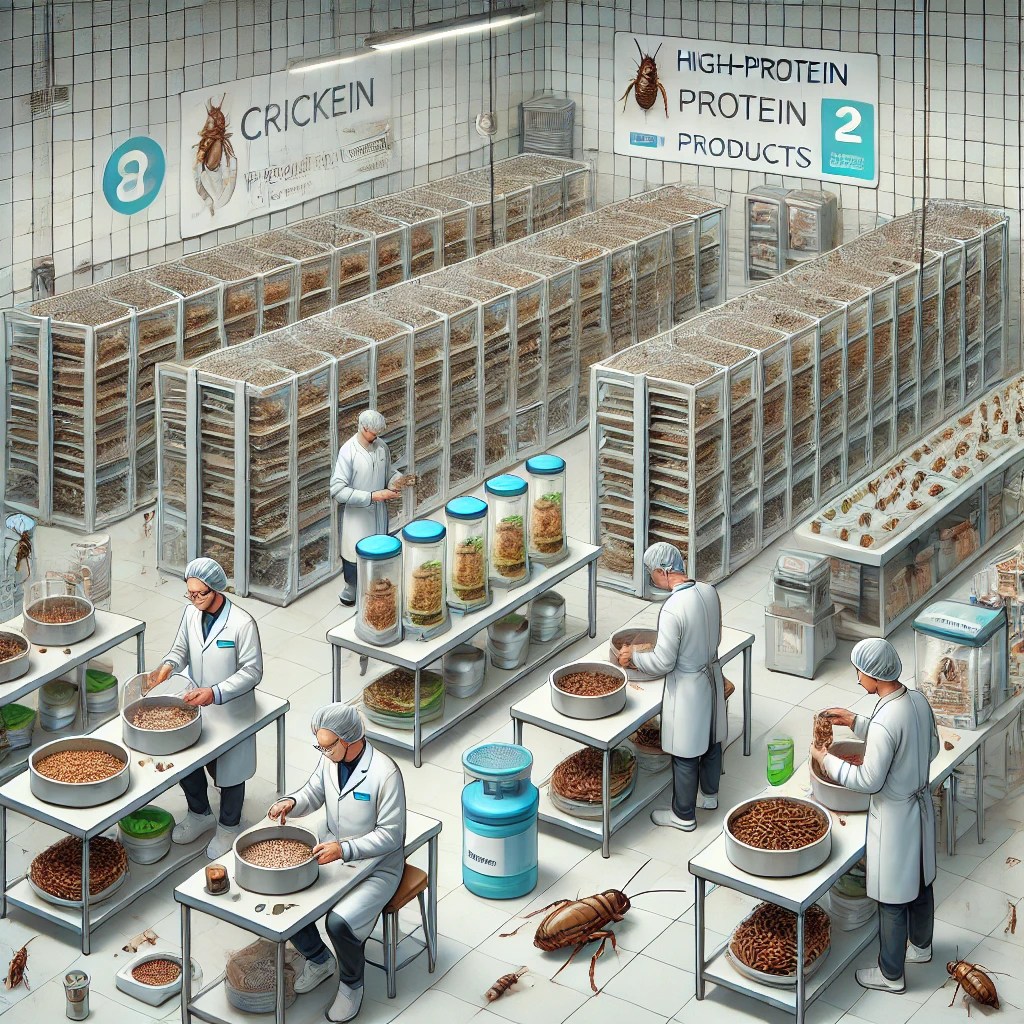
One of the leading insect farms is Protifarm in the Netherlands, which uses crickets and mealworms to produce high-protein food products. Protifarm efficiently produces large quantities of high-quality protein, and they collaborate with the food industry to develop various insect protein bars and snacks. Additionally, in South Korea, several insect farms, supported by the Rural Development Administration, produce cricket powder and other edible insect products that are gaining popularity as healthy food options.
2. Why Insect Farms Are Essential: Addressing Future Food Shortages
Population Growth and Food Scarcity Issues
With the global population expected to reach approximately 9.7 billion by 2050, finding sustainable new food sources is critical. Traditional livestock farming requires significant resources, land, and water, making it challenging to meet growing demand. In contrast, insects are highly efficient in converting feed into protein with minimal water and land use, making them a sustainable food source.
Protein Efficiency of Insects
Compared to traditional livestock, insects provide more protein with fewer resources. For example, cattle require 12 times more feed to produce the same amount of protein as insects. This means that insects could help reduce the depletion of food resources and play a key role in protecting the Earth’s ecosystems.
3. Environmental Benefits of Insect Farming
Minimal Greenhouse Gas Emissions
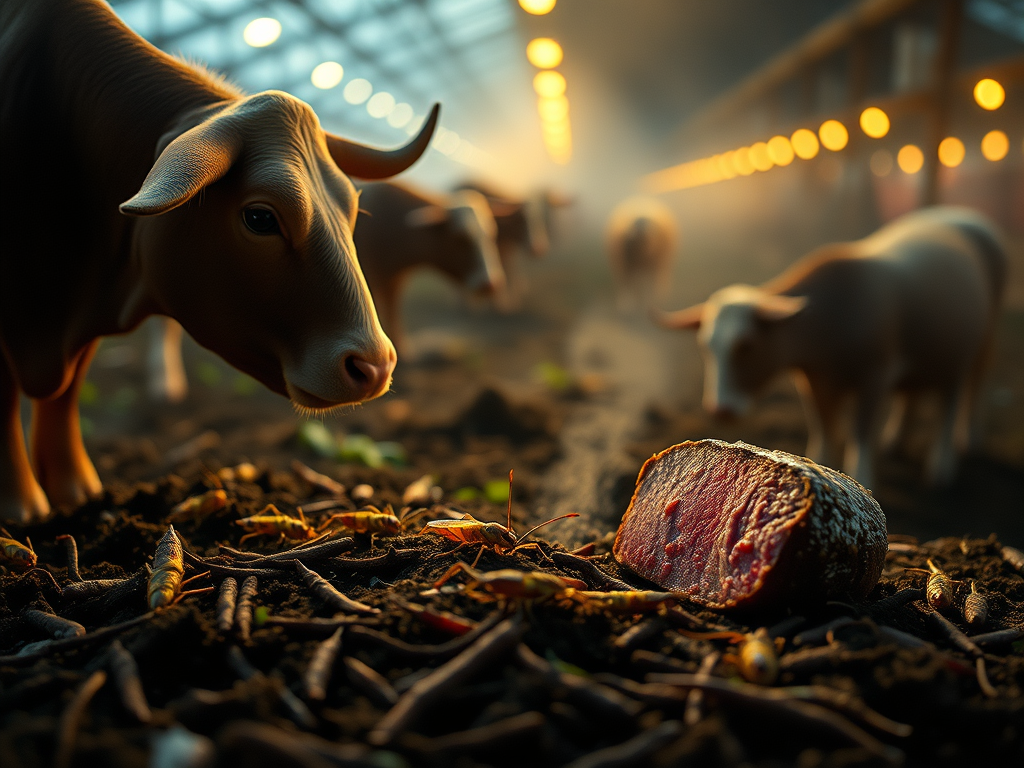
The livestock industry contributes approximately 15% of global greenhouse gas emissions, significantly impacting climate change. In contrast, insects produce almost no greenhouse gases during farming, and their CO₂ emissions are far lower than traditional livestock. For example, producing 1 kg of beef emits 30 times more greenhouse gases than the same amount of cricket protein. This highlights insect farms as an eco-friendly alternative for sustainable food production.
Reduced Land and Water Usage
Insects require much less space to farm in large quantities, and they use minimal water compared to traditional livestock. For instance, producing 1 kg of cricket protein requires only about 1/100th of the water needed to produce the same amount of beef. This makes insect farms viable in regions with limited water resources and helps reduce environmental strain.
4. People Embracing Insect Food: A New Food Culture and Trend
Changing Perceptions of Insect Foods
While eating insects may seem unusual in some cultures, it is a traditional practice in regions of Asia and Africa. Recently, Western countries have also started to embrace insects as eco-friendly superfoods, especially among health- and environment-conscious consumers. Products like insect protein bars and snacks made from cricket powder are gaining popularity, as insect-based foods are now seen as more than an exotic choice—they are recognized as a nutritious, sustainable option.
Insect Food Experiences and Events
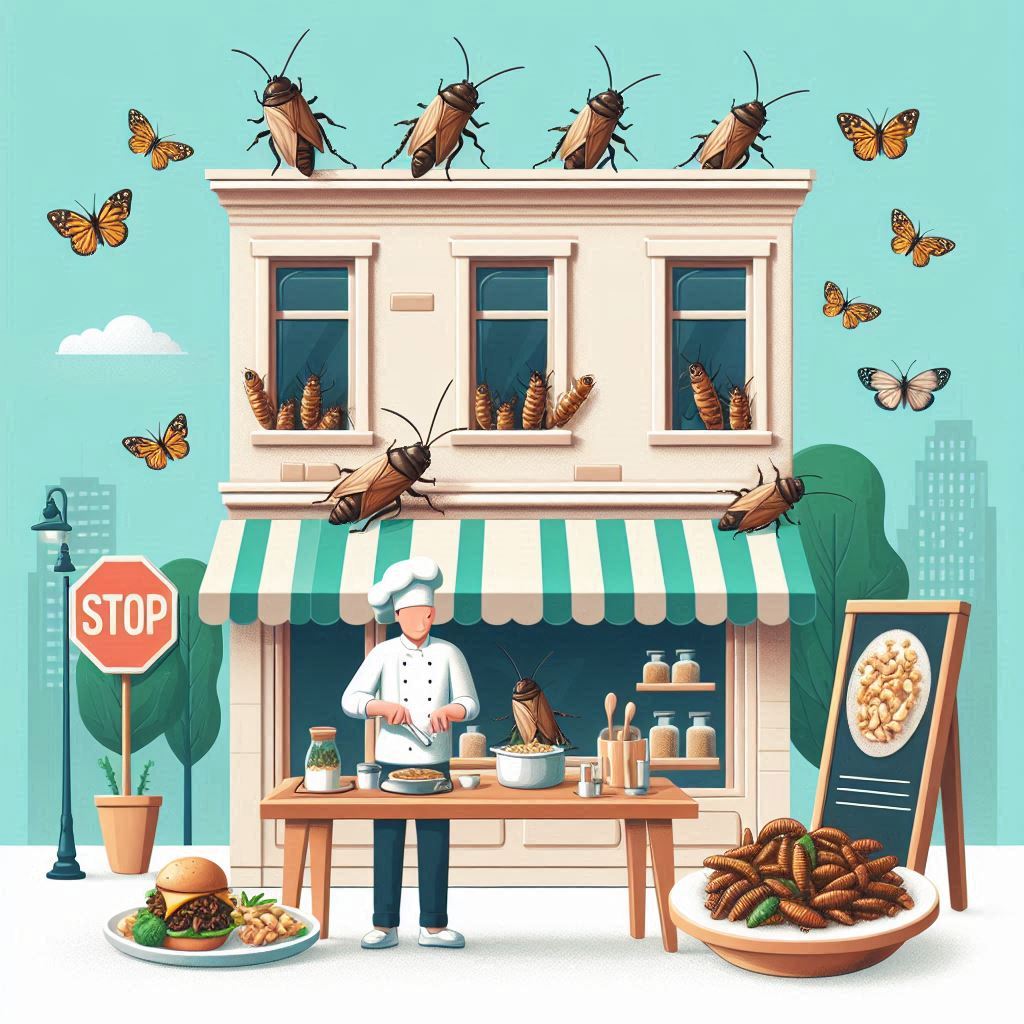
To further popularize insect foods, countries in Europe and the United States regularly host insect food tasting events. For example, in London, restaurants serve insect-based dishes, offering diverse insect cuisine to help reduce people’s aversion to edible insects. Such events provide opportunities for people to learn about insects as a sustainable protein alternative.
5. Health Benefits of Insect Foods
High-Protein, Low-Fat Nutrition
Insects offer high protein levels comparable to beef or chicken, yet they are low in fat, making them suitable for a healthy diet. For example, mealworms are rich in vitamin B12 and zinc, which boost the immune system, while crickets contain essential amino acids that aid muscle recovery and growth.
Lower Risk of Allergies
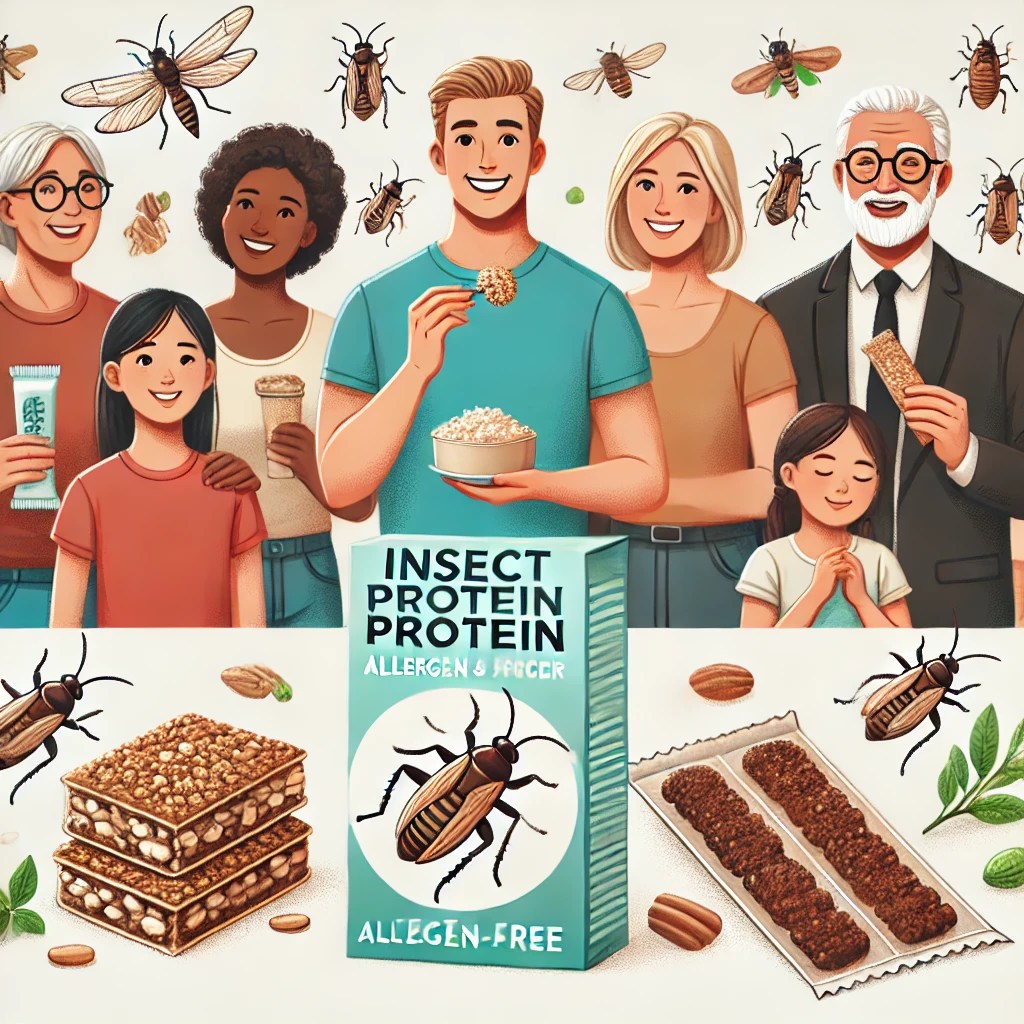
Unlike traditional meat proteins, insect proteins generally have a lower risk of triggering allergies, making them a safe protein source for many people. For individuals with meat allergies or digestive issues, insects are a valuable alternative food option, potentially increasing the acceptance of insect proteins among a broader population.
6. Insect Farms as Future Food Sources
Expansion and Technological Advancements in Insect Farming
Insect farms are continuously enhancing productivity and cost-effectiveness through automated feeding systems and optimized environments. This technological advancement has contributed to the growth of the insect farming industry worldwide, especially in the United States and Europe. The food industry is already introducing products like insect protein powder, which is used in baked goods and snacks.
Global Potential of Insect Farms
Insect farms have significant global potential and could help address climate change and food security issues. Insects can be farmed under various climates and environmental conditions, allowing for a stable supply chain worldwide. Insect farming could therefore play a key role in stabilizing food supply chains globally and enhancing food security in various countries.
Conclusion: A Sustainable Future with Insect Farms
Insect farms are gaining attention as a sustainable alternative to tackle food shortages exacerbated by population growth and environmental challenges. With minimal resources, insect farming can produce abundant protein, reduce greenhouse gas emissions, and lower waste production. Additionally, insect-based foods are rich in nutrients, positioning insects as a vital protein source for the future.
To solve future food issues, it is crucial to explore the potential of insect farming. Are you ready to give insect foods a try? Insect-based foods may soon become an important part of our daily diets and play a leading role in building a sustainable future.
 Summit Select
Leave a comment