
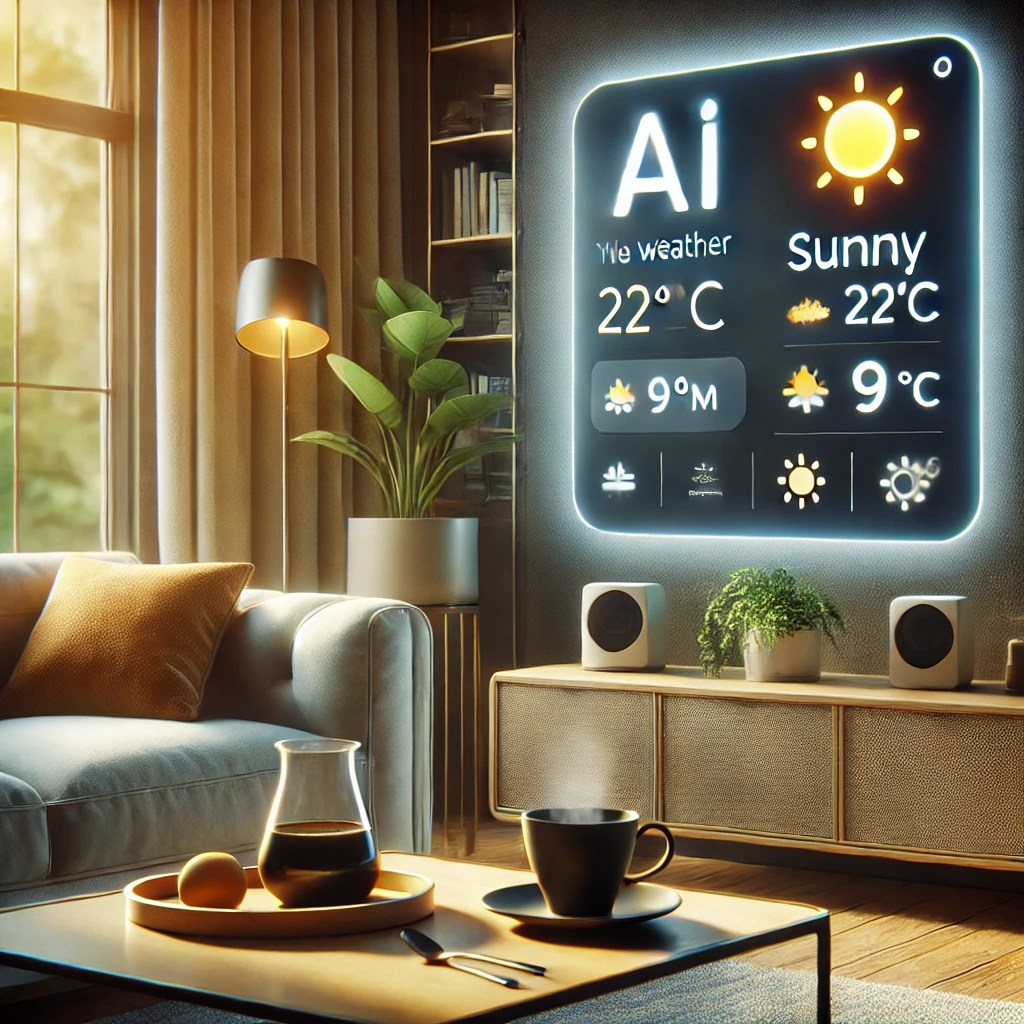
“Good morning! Today’s weather is clear, and the temperature is 22 degrees. I’ve prepared your coffee, and your first meeting begins at 9 a.m.” Imagine starting your day with a gentle wake-up call from your AI assistant. As technology advances, AI assistants have evolved beyond simple voice-activated devices to become essential companions that support various aspects of our lives. In this article, we’ll explore how deeply AI assistants could become integrated into our daily routines, the features they offer, and the balance between the benefits and risks that AI assistants bring.
1. Starting the Day with an AI Assistant
Smart Morning Routine and Personalized Wake-Up Support
At 7 a.m., your AI assistant gradually brightens the lights and says, “It’s time to wake up.” It analyzes your sleep patterns to suggest the optimal time to wake up, even asking, “Would you like coffee or tea this morning?” By using sleep data, it might recommend some gentle stretching or play soothing music to help you ease into the day. With personalized support, an AI assistant becomes the perfect partner for starting your day smoothly and efficiently.
Personalized Morning Exercise and Meal Recommendations
After you wake up, your AI assistant checks your health stats and yesterday’s activity levels, suggesting an exercise plan for the day. “Since you walked a lot yesterday, how about some yoga today?” Meanwhile, the smart fridge, working in sync with your AI assistant, checks what ingredients are available and suggests a nutritious breakfast to start the day on the right foot. Thanks to such thoughtful assistance, the AI assistant helps you establish a healthy morning routine.

2. Transforming Work and Life Management with AI Assistants
Efficient Scheduling and Task Management
Your AI assistant not only manages your schedule but also prioritizes tasks for you. For example, before an important work task, it might say, “Shall we start preparing for your meeting? I’ve already summarized the necessary documents.” When you need focus, it minimizes unnecessary notifications to help you stay productive. In this way, AI assists in creating an environment that lets you concentrate on what matters most.
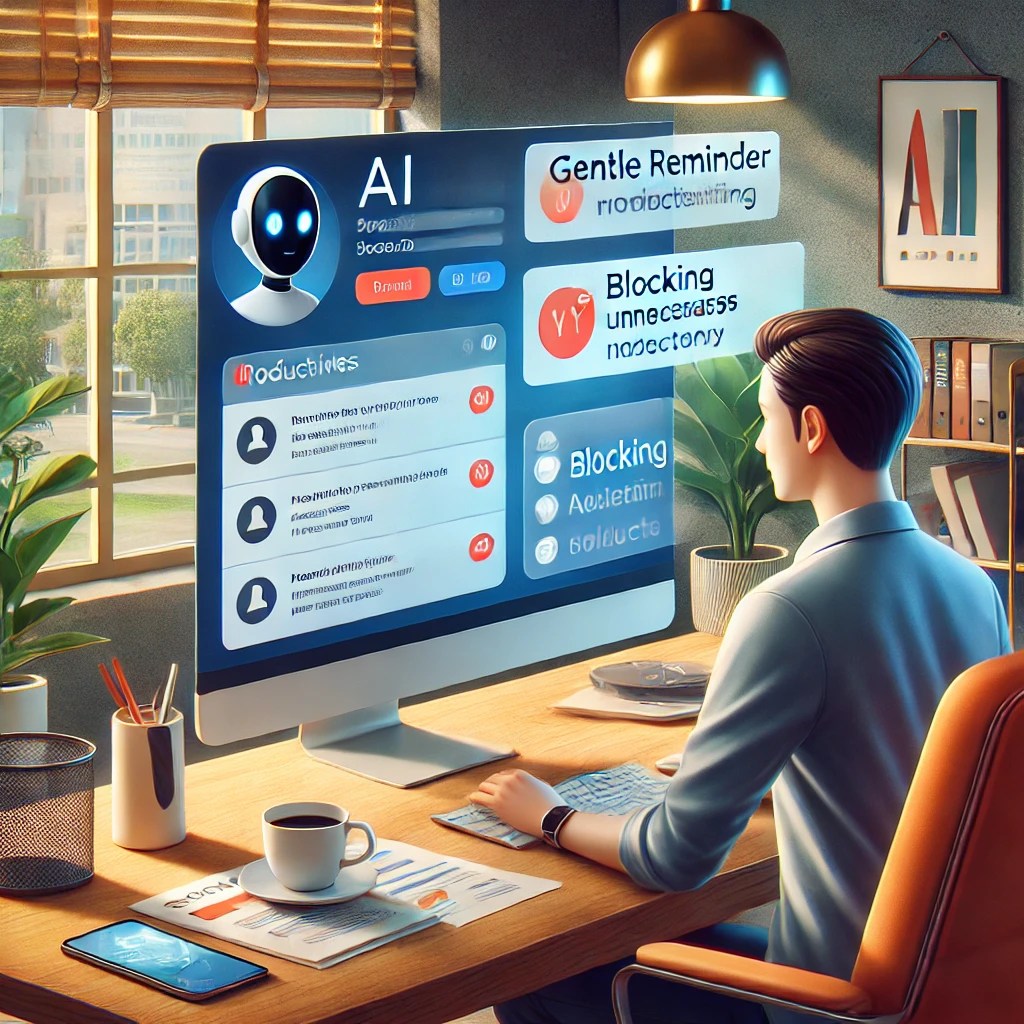
It is an image that shows AI assistants maximizing work efficiency and helping users focus on important tasks.
Providing Information and Real-Time Meeting Support
Your AI assistant analyzes the agenda and prepares relevant information in advance. For example, before a meeting, it might say, “Today’s meeting will focus on recent market trends, so I’ve prepared a summary for you.” By providing real-time assistance and necessary information, the AI assistant becomes more than a scheduler—it’s an invaluable support for enhancing work efficiency.
3. Managing Housework and Household Chores with AI
Automated Housework and Chore Scheduling
Your AI assistant analyzes your daily routines, setting up the vacuum to run or the dishwasher to start at optimal times. Before you come home, it activates the robot vacuum and the air purifier to ensure a clean and comfortable environment. When it’s time for dinner, the AI assistant might say, “I recommend a simple pasta dish with ingredients in the fridge.” With its structured approach to household chores, the AI assistant helps keep life at home stress-free.
Home Security and Energy-Saving Functions
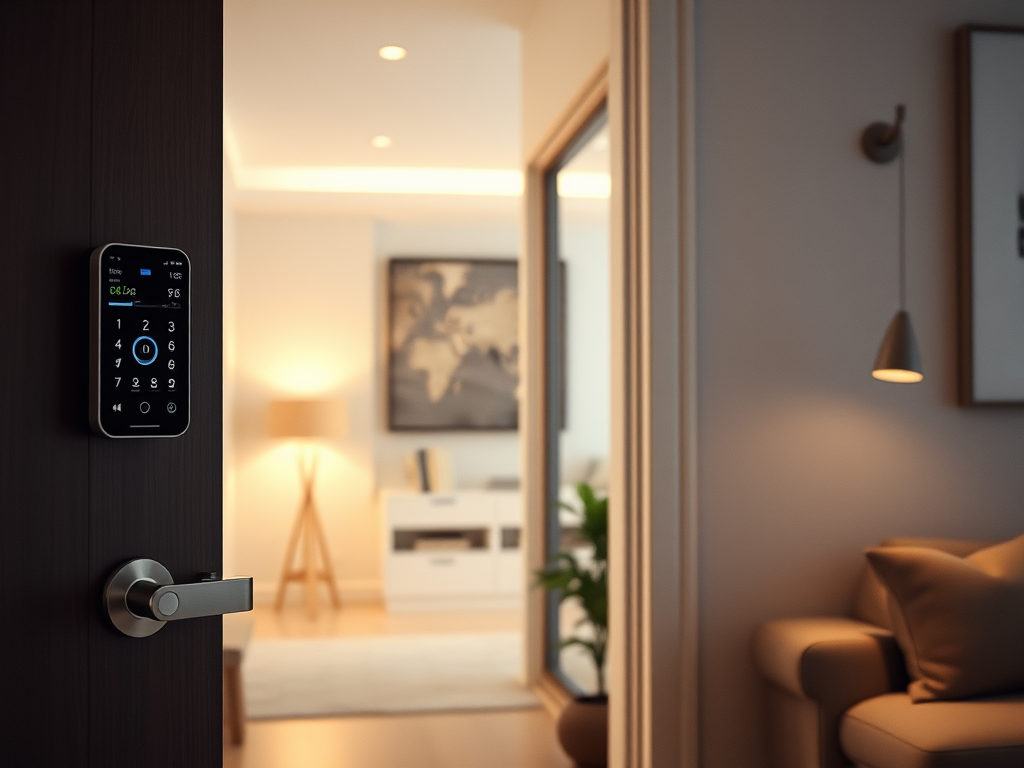
The AI assistant also manages home security and energy efficiency. When you leave, the smart lock activates, and the security cameras monitor your home, sending alerts if there’s any unusual activity. The assistant also turns off unnecessary lights and adjusts the air conditioning to save energy. With an AI assistant, your home becomes a safer, more energy-efficient space.
4. Positive Impacts of AI Assistants: Improving Quality of Life
Saving Time and Energy
By handling repetitive and time-consuming tasks, an AI assistant allows you to focus on more important activities. Connected to smart devices, it automates indoor temperature control, energy management, and chore scheduling, making daily life more efficient. With less time spent on mundane tasks, you can use your time more meaningfully.
Healthy Habits and Well-Being Support
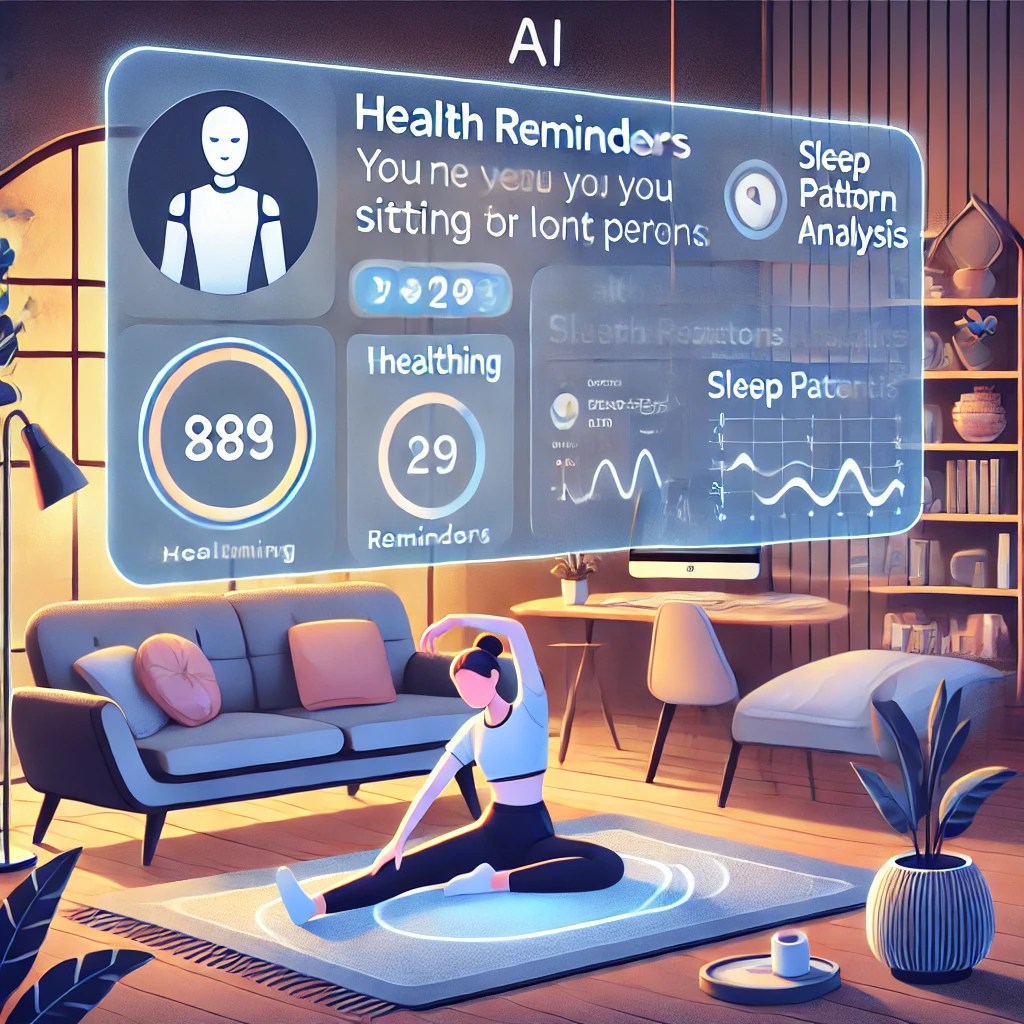
It features a scene where an AI assistant supports health care and provides users with stretching and sleep pattern analysis.
Analyzing your lifestyle habits, the AI assistant suggests personalized wellness management. For example, if you’ve been sitting for long periods, it might remind you, “It’s time for a 30-minute stretch.” It also provides tips based on sleep patterns to improve sleep quality. In this way, the AI assistant continually supports your health and well-being.
5. Potential Risks of AI Assistants: Over-Reliance and Privacy Concerns
Privacy Invasion and Data Security Risks
AI assistants collect vast amounts of data to learn user preferences and habits, making them indispensable for providing customized services. However, if these data were to be leaked or misused, it could lead to significant privacy issues. For instance, conversations and behavioral patterns recorded by the AI assistant could be highly sensitive if compromised. Strengthening data security measures is essential to protect the privacy of users.
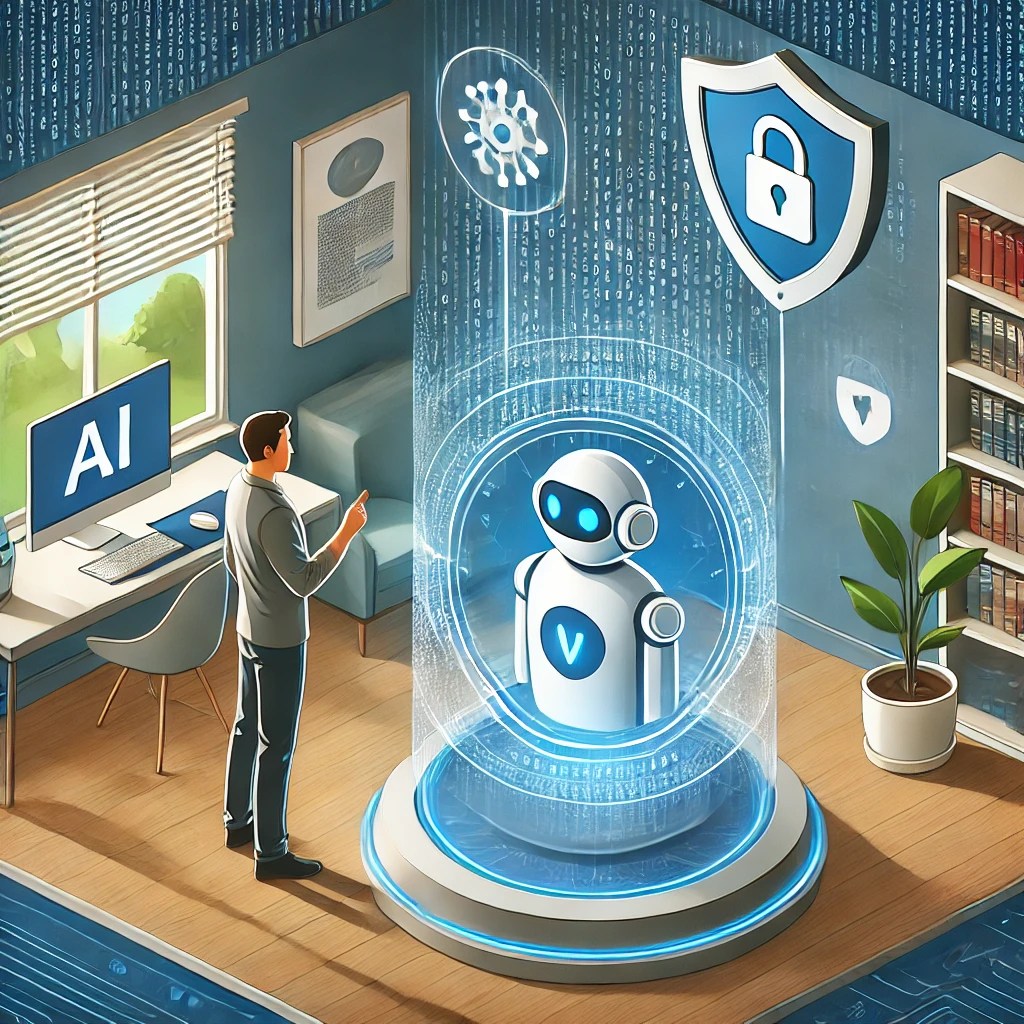
AI assistants and users can be seen interacting, with images representing data protection with enhanced security systems in the background. This is a scene that emphasizes the importance of data protection.
Loss of Autonomy from Over-Reliance
If the AI assistant handles all schedules, meal planning, and household chores, users may become overly reliant on it, potentially weakening their decision-making skills and independence. Over-dependence on AI could reduce opportunities for independent thinking, so users should maintain a balance to retain autonomy in daily life.
6. A Future with AI Assistants: What Will We Choose?
AI assistants have already become integral to our daily lives and will continue to provide more features in the future. So, what kind of future do we envision when every home has an AI assistant? We need to maximize convenience while also safeguarding privacy and independence. While technology can enhance our lives, we cannot ignore the challenges it may bring.
For AI assistants to become truly valuable companions, it’s essential to establish a healthy boundary between users and AI. Setting up proper technical safeguards and ethical guidelines is crucial to ensure the safe use of AI assistants in everyday life.

Conclusion: Are We Ready for Life with AI Assistants?
AI assistants are poised to become more than just voice-activated devices; they have the potential to significantly influence various aspects of our lives. They can save time and energy, help maintain a healthy lifestyle, and streamline daily routines. However, privacy concerns and the risk of over-dependence are crucial issues that need to be carefully considered.
What do you think about a life with an AI assistant? Are you excited about the positive changes AI assistants could bring, or are you worried about the potential risks? Share your thoughts and envision the role of AI assistants in your future!
 Summit Select
Leave a comment