
As digital technology advances at an unprecedented rate, an intriguing possibility emerges: could we one day store human memories in digital form? Imagine a world where cherished personal experiences could be saved, revisited, and even shared with others like photo albums, only more immersive and detailed. This concept, while still futuristic, is not as far-fetched as it may seem. In this article, we’ll explore the potential of digital memory preservation, the benefits and challenges it could bring, and the ethical considerations that must be addressed.
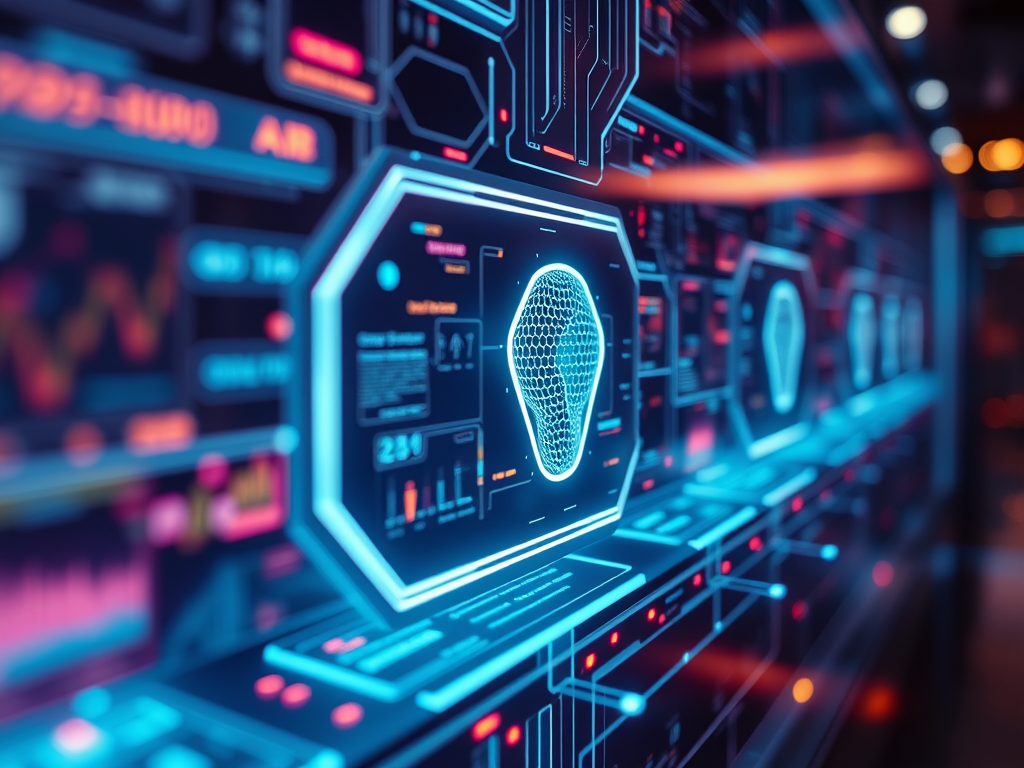
1. Understanding Digital Memory: What Would It Entail?
Defining Digital Memory Storage
Digitizing human memory involves converting complex neural patterns and synaptic connections into data that could be stored and accessed electronically. It’s a concept that draws from neuroscience, artificial intelligence, and data storage technology. If successful, digital memory could allow people to preserve memories and possibly “replay” experiences with sensory detail and emotional context intact.
How It Could Work
For digital memory storage to be possible, scientists would need to decode the brain’s processes for forming and recalling memories. Brain-computer interfaces (BCIs) are already laying groundwork by interpreting basic neural signals. Advanced BCIs, such as those being developed by Neuralink, could potentially create a bridge between brain activity and computer processing, enabling memories to be translated into a digital format.
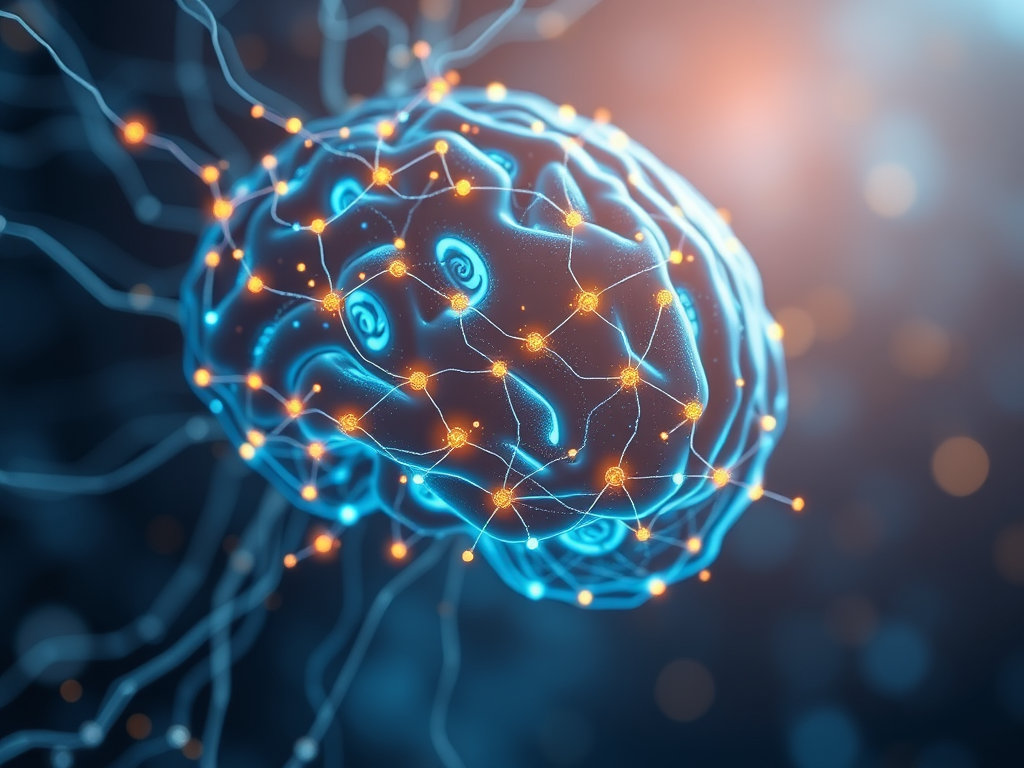
2. Benefits of Digitizing Memories: Why Would We Want This?
Preserving Personal and Family History
Digital memory storage would allow individuals to preserve their most cherished memories in a tangible form, which they could share with family and future generations. Instead of relying on verbal accounts or photos, descendants could “experience” family histories directly. Imagine if you could relive moments from a grandparent’s life or understand a loved one’s perspective in their own “voice.”
Applications in Therapy and Mental Health
For individuals dealing with trauma or memory loss, digital memory technology could be revolutionary. Traumatic memories could be stored, revisited in a controlled manner, or even selectively removed. Meanwhile, those with Alzheimer’s or dementia could use digital memories to remember significant events or maintain personal connections, preserving a record of their life even as recall diminishes.
“Memory Museums” and Shared Experiences
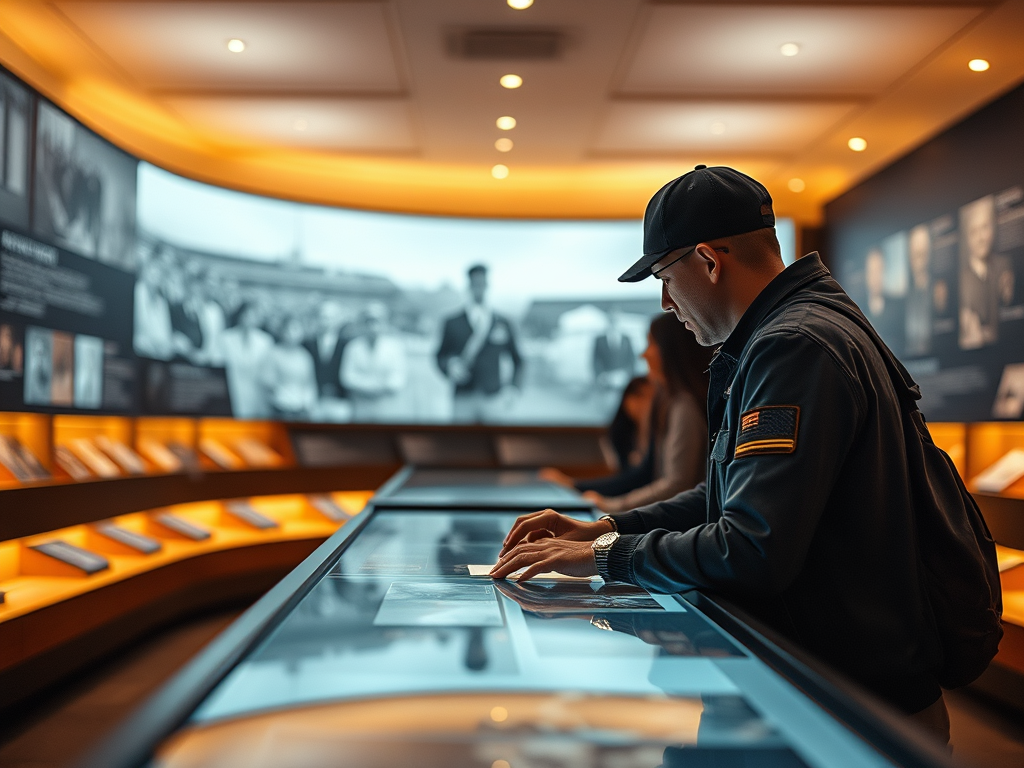
With memories stored digitally, the idea of a “memory museum” becomes possible. Families, communities, and even public institutions could create collections of memories that allow others to experience events from a first-person perspective. Historical societies could preserve memories from veterans, explorers, and influential figures, making history more vivid and accessible.
3. Technological Foundations Making Digital Memory Possible
Advances in Brain-Computer Interfaces
Brain-computer interfaces, or BCIs, are essential to the future of digital memories. BCIs allow data to flow directly between the brain and computers, capturing brain activity and enabling new forms of communication. While current BCIs are limited to basic commands and inputs, research in neural signal decoding could eventually enable them to capture complex cognitive data like memories.
The Role of Quantum Computing and Advanced Data Storage
Storing memories is more complex than traditional data due to the sensory details and emotional nuances involved. Quantum computing and advanced storage systems could handle the vast data requirements for accurately preserving and retrieving memories. Quantum systems, unlike traditional computers, can process immense amounts of data at once, potentially making it possible to replicate the intricate layers of human memory.
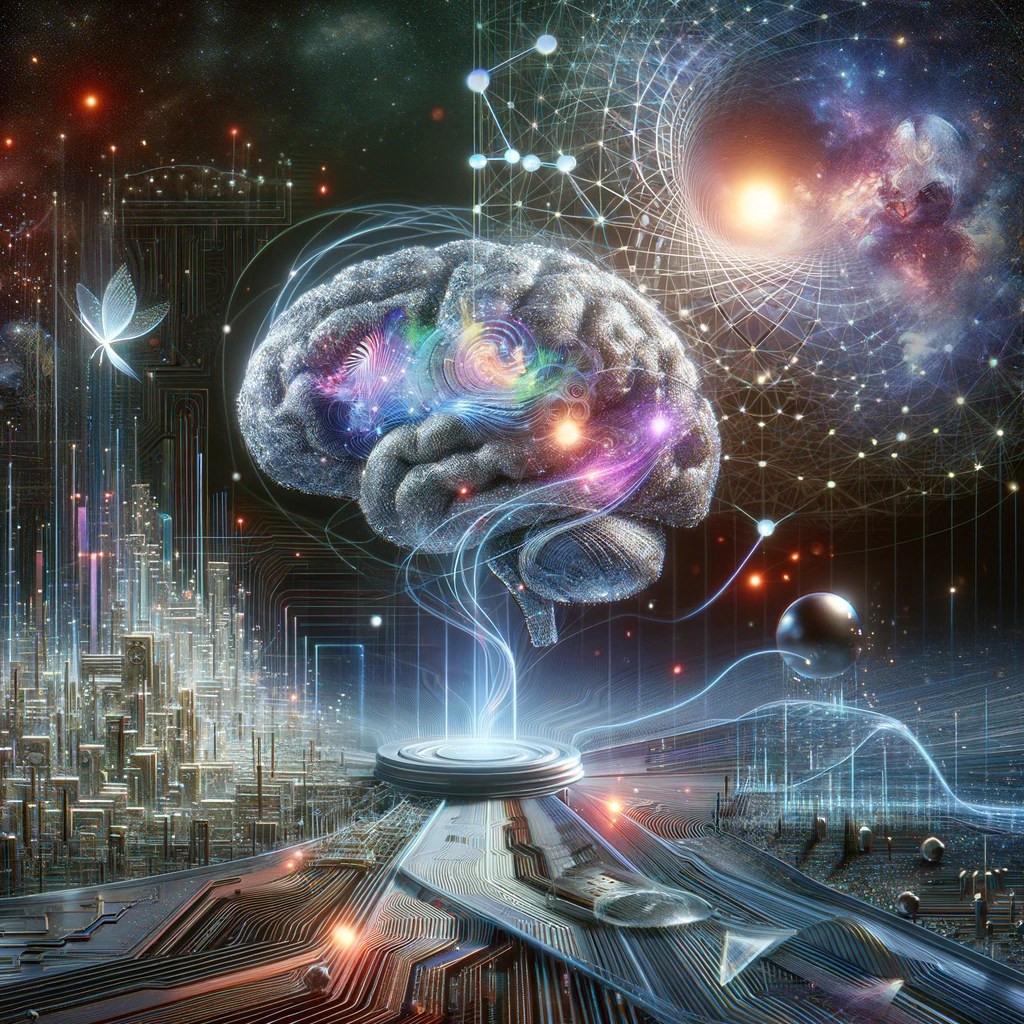
Illustration of the complexity of human memory and the concept of storage through quantum computing
Real-World Example: Experimental Brain Stimulation
Scientists have already taken steps toward manipulating memory. For example, researchers at MIT successfully implanted false memories into the brains of lab mice by stimulating specific neurons. These experiments hint at the possibility of recording and replaying memories, although we are still far from doing this on a human level. Projects like these showcase the potential of technology but also highlight the need for caution as ethical implications arise.
4. Ethical and Psychological Considerations in Digital Memory Storage
Privacy and Consent: Who Owns a Memory?
If memories can be stored externally, there are pressing questions about ownership and access. Would these memories belong solely to the person who created them, or could they be inherited or even purchased? Additionally, once digitized, could memories be hacked or manipulated? Data privacy laws may need to evolve to protect digital memories as personal and sensitive information.
Identity and Self-Concept
Memories shape our identity, and the ability to replay or alter them could lead to psychological challenges. Could constant access to one’s past inhibit personal growth or create over-attachment to the past? Likewise, edited memories might distort one’s perception of themselves and their life, blurring the line between reality and altered experiences.
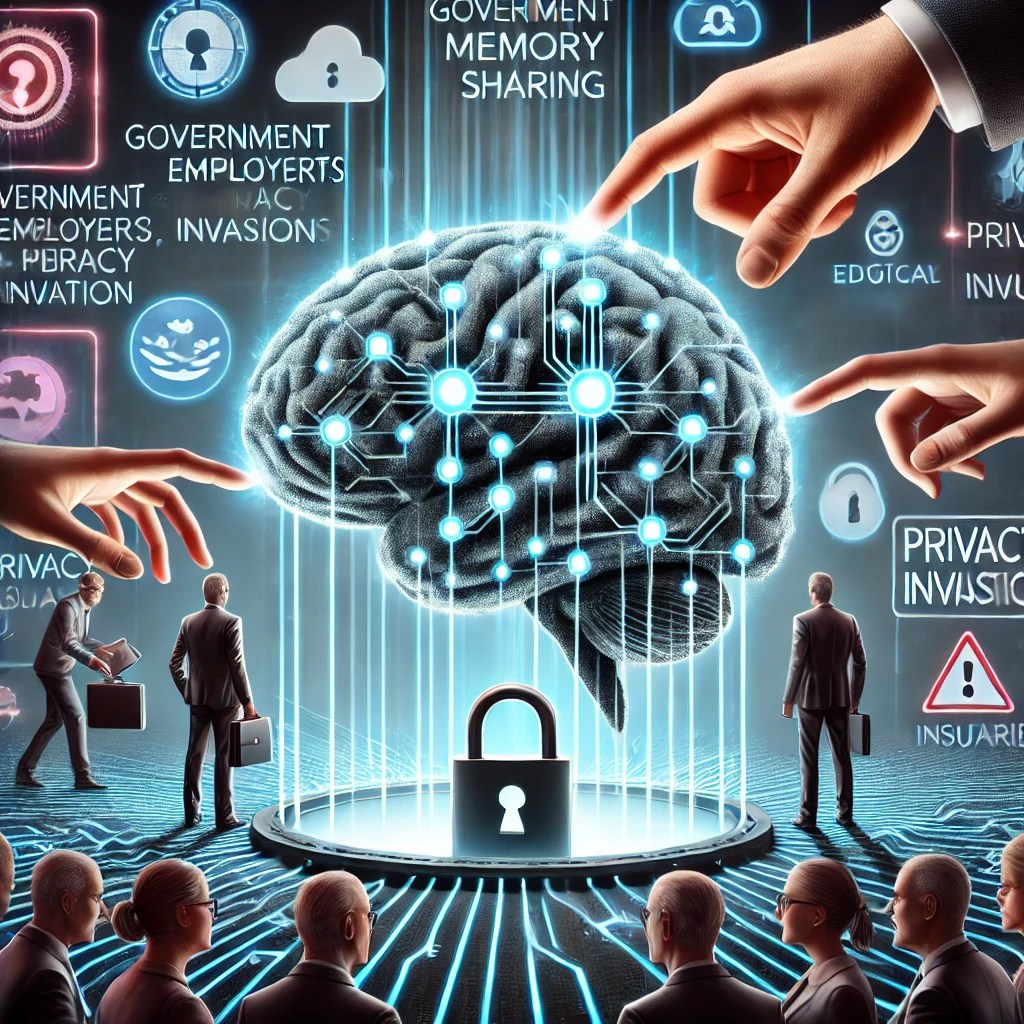
디지털 기억 공유와 개인 정보 침해의 윤리적 문제를 강조한 삽화
A Potential for Abuse
There is a potential for misuse if digital memories can be shared or altered. Imagine a scenario where employers, insurers, or governments demand access to digital memories for background checks or investigations. Without strong ethical guidelines, digital memories could infringe on personal freedom and privacy, making it critical to set strict regulations early.
5. Challenges in the Process of Memory Digitization
Technical Hurdles and Brain Complexity
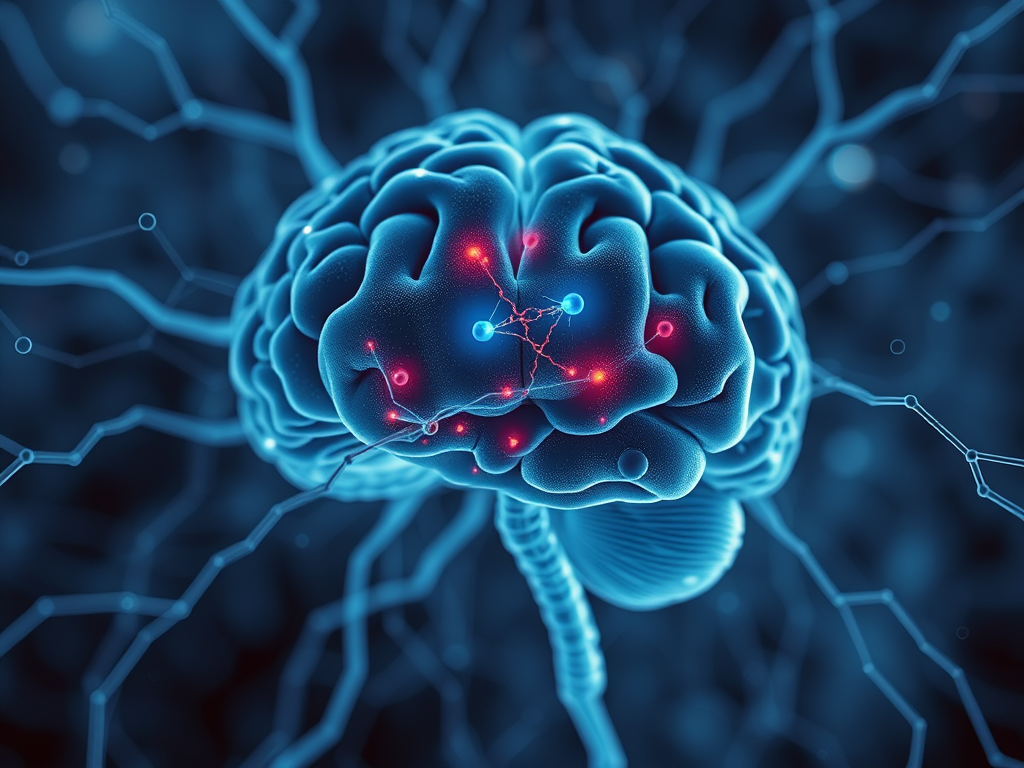
The brain is an intricate organ, containing billions of neurons and trillions of synaptic connections. To digitize memories, scientists must first map and understand this vast neural network. Unlike other forms of data, memories are not simple sequences; they involve multi-sensory data, emotional layers, and subjective interpretation.
Ensuring Emotional and Contextual Accuracy
A memory without its emotional context or sensory details would feel empty and artificial. Technology would need to capture not only visual and auditory elements but also the underlying emotions. Replicating these elements accurately is essential for creating a sense of authenticity in digital memories. Without these factors, a replayed memory might feel superficial or incorrect.
6. The Potential of Digital Memories for Education and Cultural Preservation
Learning from the Experiences of Others
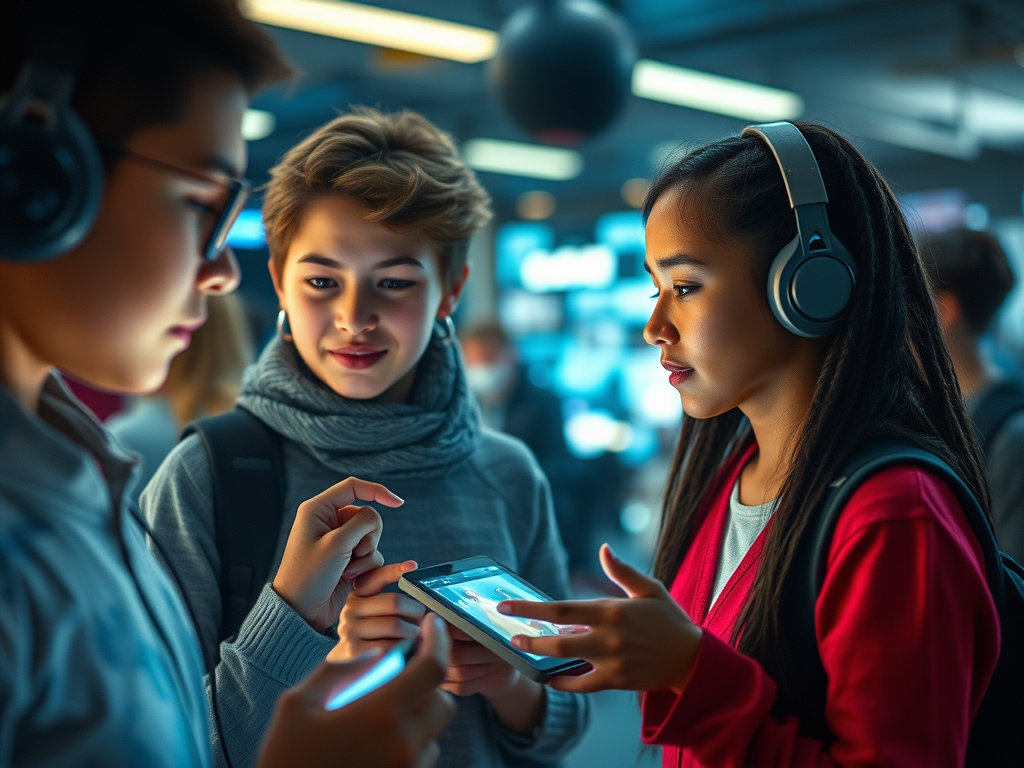
Digitized memories could become a powerful educational tool. Students might study history by “experiencing” the memories of those who lived it, from significant world events to everyday life in a different era. Imagine walking through the memory of an artist while they create, or experiencing a doctor’s challenges in a real surgery. This level of experiential learning could deepen understanding and empathy beyond textbooks and lectures.
Preserving Cultural Heritage and Historical Memories
Communities could use digital memories to preserve cultural practices, traditions, and personal stories. Indigenous communities, for example, could record rituals, folklore, and histories for future generations. By creating accessible digital archives, cultures at risk of fading could find new ways to survive and thrive, allowing future generations to experience and honor their heritage.
7. Practical Uses of Digital Memories in Everyday Life
Memory Enhancement and Recall Aid
For individuals struggling with memory issues, such as those with Alzheimer’s, digital memory storage could offer a practical way to revisit important life events and maintain a connection to their identity. Digital memories could act as a cognitive aid, helping people recall loved ones, life events, and places they cherish.
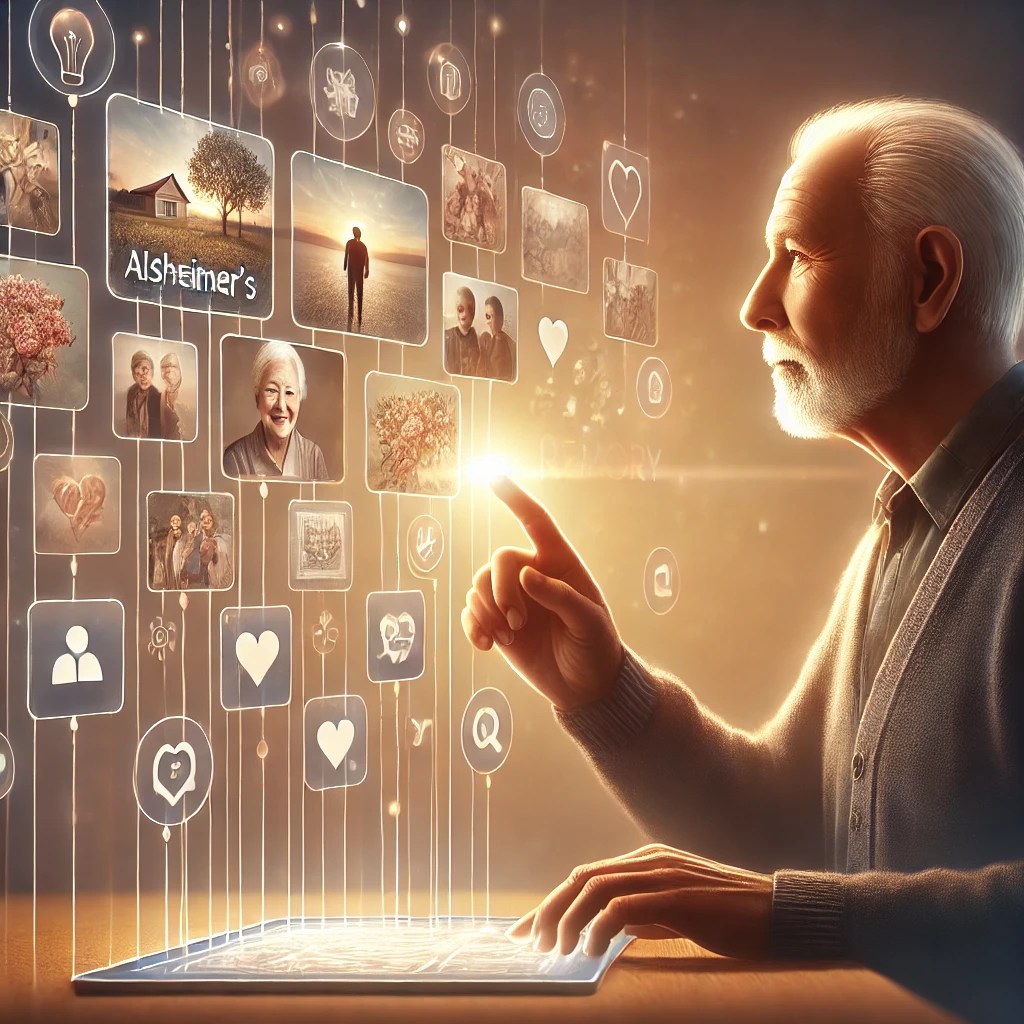
an illustration of the role of digital memory storage for people with memory impairments
Memory as a Tool for Personal Development
Being able to revisit past experiences could serve as a tool for personal growth, allowing people to learn from mistakes or view old challenges with new insights. Self-reflection could take on a new dimension as individuals gain deeper insights from the “replays” of their lives, potentially aiding in mental health treatments like cognitive behavioral therapy (CBT).
8. Conclusion: The Future of Memory Preservation and Our Role
The idea of storing memories digitally is both exciting and complex. While it holds incredible potential for preserving personal and cultural heritage, it also presents profound ethical and psychological challenges. We must carefully weigh the possibilities and risks, developing ethical frameworks to ensure that digital memories are used responsibly.
In the future, memory museums could help individuals understand each other across cultural and generational divides, while memory storage technology could provide relief and connection for those with memory loss. Yet, we must tread cautiously, ensuring that privacy, identity, and emotional well-being are protected as technology advances. As we move forward, a balanced approach is essential, blending innovation with careful reflection on what it means to remember, share, and cherish our experiences.
 Summit Select
Leave a comment