
In our busy modern lives, physical activity is more than just a way to stay fit. Scientifically, it has been proven that exercise has a profound impact on mental well-being, enhancing mood and increasing happiness. This article explores how exercise promotes happiness through scientific research and practical examples while introducing exercises anyone can start easily for a happier, healthier life.
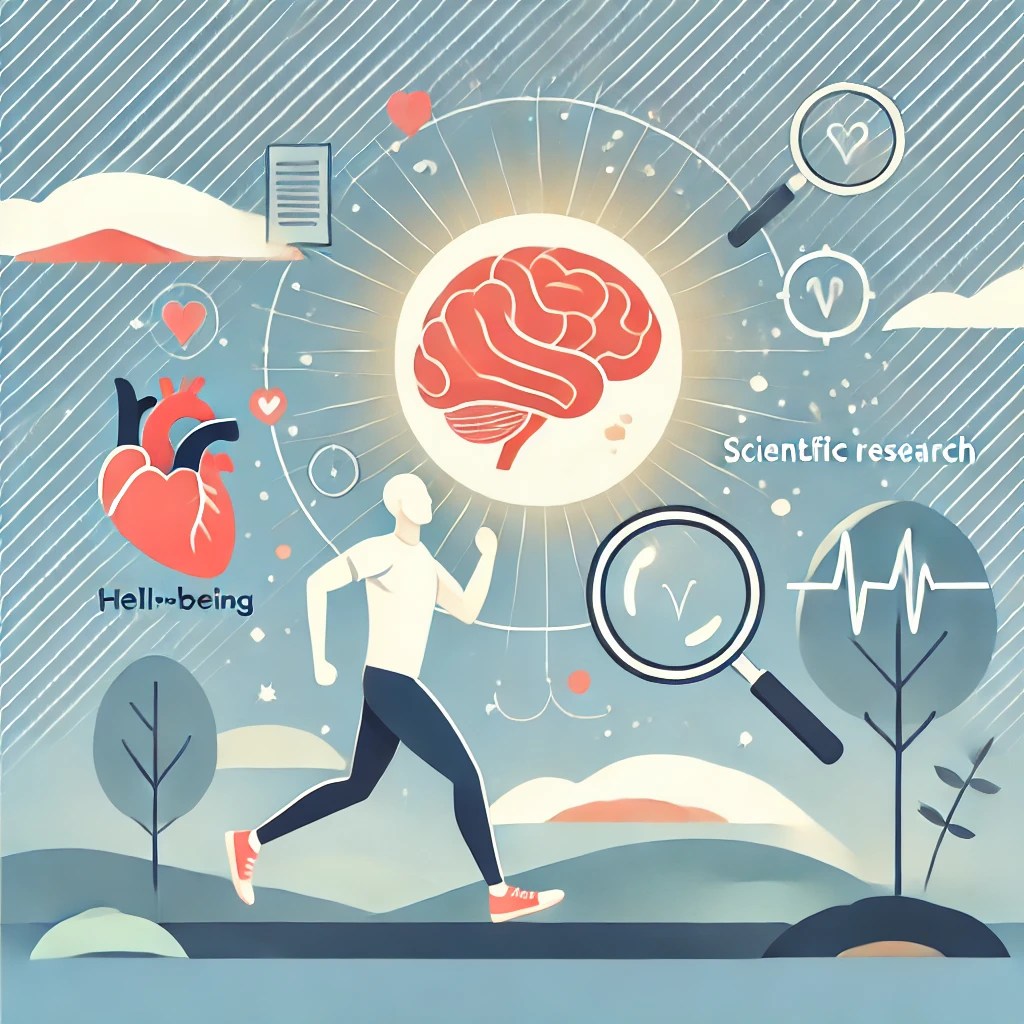
위의 삽화는 현대 생활에서 신체 활동과 행복의 관계를 시각적으로 표현한 그림입니다.
💪 The Science of Exercise and Happiness: The Role of Endorphins and Dopamine
How Exercise Promotes Happiness Hormones
Exercise naturally triggers the release of endorphins in the body, a hormone produced by the brain that helps reduce pain and elevate mood. Often called the “happiness hormone”, endorphins decrease stress and promote relaxation by activating the brain’s reward system, as confirmed by research from the Mayo Clinic. Endorphins also create positive emotions, reducing stress and helping with overall mental well-being.
Example: A study by Harvard Health Blog found that brisk 30-minute walks can reduce symptoms of depression by an average of 30%, illustrating how regular physical activity can significantly boost positive emotions.

The Role of Dopamine in Motivation
Dopamine, known as the “reward hormone,” provides a sense of accomplishment when goals are met, motivating us to continue exercising. Setting small exercise goals and achieving them can stimulate dopamine release, which enhances confidence and reduces stress.
Example: A study at the University of California found that regular exercise participants experienced reduced stress and anxiety levels, along with greater life satisfaction.
🧘 Beginner-Friendly Exercises to Boost Happiness
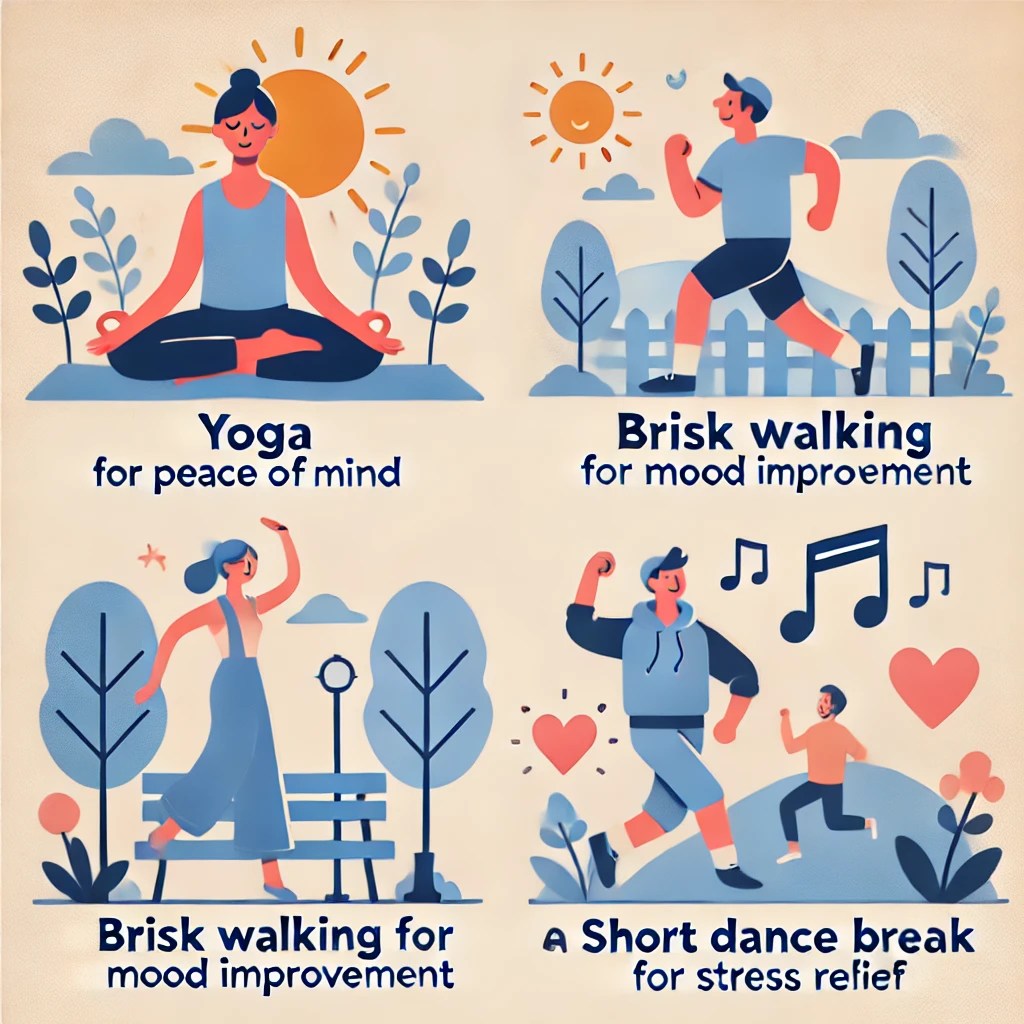
1. Yoga: Finding Peace in Body and Mind
Yoga is more than just a workout; it combines physical activity with mindfulness and breathing techniques, which are excellent for reducing stress and improving focus. Practicing yoga with controlled breathing helps to calm the mind and reduce anxiety.
Beginner Tip: Start your day with a simple 10-minute yoga routine, including “Sun Salutations” to loosen muscles and elevate your mood.
2. Brisk Walking: An Accessible Exercise for All
Brisk walking requires no special equipment and is easy to incorporate into a daily routine. Walking at a fast pace increases heart rate, improves blood circulation, and delivers oxygen to the brain, providing a refreshing mental lift.
Beginner Tip: Try a 30-minute brisk walk each day in a nearby park or around the neighborhood. The fresh air and exercise will help clear your mind and lift your mood.
3. Short Dance Breaks: Fun, Uplifting Physical Activity
Dancing to your favorite music for a few minutes can offer powerful stress relief. Research suggests that dancing can stimulate pleasure centers in the brain, boosting dopamine and serotonin, which reduce anxiety.
Beginner Tip: Spend five minutes each day dancing to upbeat music you enjoy. These short dance breaks will elevate your heart rate and melt away daily stress.
📅 Tips to Build a Consistent Exercise Habit
Consistent physical activity may seem challenging at first, but small changes can make a big difference in creating a lasting habit. Adding specific examples and statistics enhances the reliability of these tips.
1. Incorporate Exercise into Your Schedule
Prioritize exercise by adding it to your daily schedule. For example, set aside 10 minutes in the morning or evening, and soon physical activity will become a natural part of your day.
Stat: The Centers for Disease Control and Prevention (CDC) recommends at least 150 minutes of physical activity per week for optimal physical and mental health benefits.
2. View Exercise as Play
Treat exercise as a fun activity, not a chore. Enjoyable activities like dancing or hiking make it easier to stick to a routine. For instance, plan weekend walks or hikes in different locations to keep things interesting.
3. Set Small, Achievable Goals
Set small, daily goals that you can gradually increase over time. Accomplishing these mini-goals can stimulate dopamine production, enhancing your mood and encouraging consistency.
Example: Gradually increase your daily exercise time from five minutes to ten, then fifteen. Achieving these small goals stimulates dopamine production, which boosts positive emotions and motivation.

😊 Conclusion: The Importance of Simple Exercise Habits for Happiness
Physical activity doesn’t have to be elaborate to make a positive impact on happiness. Simple activities like a brisk walk, a short dance, or yoga can significantly boost mood and reduce stress. As you integrate exercise into your daily life, you’ll activate happiness hormones, reduce stress, and build confidence.
What types of physical activity bring you happiness? Share your experiences in the comments, and consider sharing this guide with friends to help spread happiness through simple daily exercise!
 Summit Select
Leave a comment