
In today’s world, sustainability has become a priority for individuals and businesses alike. As concerns about climate change, resource depletion, and environmental damage grow, more people are adopting sustainable living practices. At the same time, rapid advancements in technology are providing innovative ways to live more sustainably. From eco-friendly habits like reducing waste to embracing smart home technology that minimizes energy consumption, the synergy between sustainable living and technology is paving the way for a cleaner, greener future.
In this article, we’ll explore practical sustainable living practices, showcase how technology can aid in this journey, and provide real-world examples, statistics, and case studies to back it up.
What Is Sustainable Living?
Sustainable living involves adopting practices that reduce one’s environmental impact and help conserve natural resources for future generations. It emphasizes minimizing waste, reducing energy consumption, and using eco-friendly products that are less harmful to the environment. It’s not just about “doing less harm”—it’s about finding ways to live in harmony with nature.
Practical Sustainable Living Practices
1. The Zero-Waste Lifestyle
The zero-waste movement has gained significant traction in recent years, encouraging individuals to reduce their trash output to nearly zero. While it may sound daunting, small steps can lead to big changes.
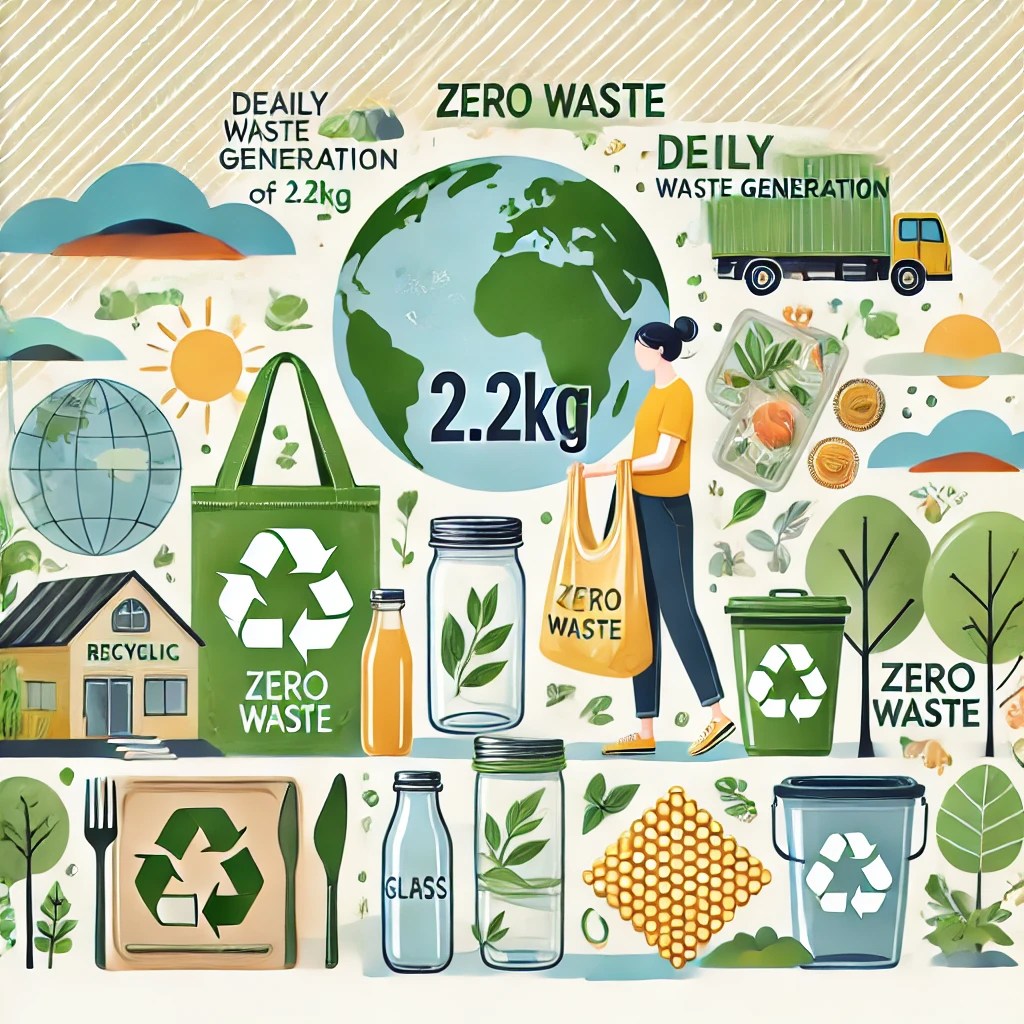
- Example: Start by cutting down on single-use plastics. Bring reusable bags to the grocery store, invest in beeswax wraps instead of plastic wrap, and buy in bulk to reduce packaging waste.
- Stat: According to the EPA, Americans generate about 4.9 pounds of waste per person per day. By adopting zero-waste practices, this number can be drastically reduced.
2. Sustainable Product Choices
Switching to sustainable products is a straightforward way to reduce your environmental footprint. From bamboo toothbrushes to biodegradable cleaning supplies, there are eco-friendly alternatives for most everyday items.
- Example: Replace plastic razors with reusable metal razors and swap paper towels for cloth alternatives. In the kitchen, use glass or stainless steel containers instead of plastic ones.
- Case Study: Unilever, a multinational corporation, has committed to reducing its plastic usage by 50% by 2025, demonstrating that even large companies are adopting sustainable practices.

3. Energy Efficiency at Home
Reducing energy consumption in your home is another effective way to contribute to sustainable living. Simple changes like switching to LED lighting or unplugging appliances when not in use can make a big difference.
- Example: Use smart plugs that can automatically turn off devices when they’re not needed. Additionally, consider installing solar panels to generate clean energy and reduce reliance on fossil fuels.
- Stat: The International Energy Agency (IEA) estimates that energy-efficient appliances can reduce global CO2 emissions by as much as 2 billion tons per year.

4. Mindful Eating
The production of meat and dairy contributes significantly to global warming, mainly through methane emissions. Shifting to a more plant-based diet can reduce your carbon footprint.
- Example: Consider adopting Meatless Mondays or switching to plant-based meals a few times a week. Start small, and gradually reduce your reliance on animal products.
- Stat: A report from the United Nations revealed that the livestock sector accounts for approximately 14.5% of all anthropogenic greenhouse gas emissions.
How Technology Supports Sustainable Living
Technology is not the enemy of sustainability—it can be one of its greatest allies. Here are a few ways modern innovations are helping people lead more eco-friendly lives:
1. Smart Home Technology
Smart home devices are transforming the way we manage energy consumption and optimize daily activities. Smart thermostats, lighting systems, and water management technologies can help reduce waste and lower utility bills.
- Example: The Nest Learning Thermostat learns your daily routine and adjusts the temperature based on when you’re home or away, saving energy without compromising comfort. Similarly, Philips Hue lighting systems allow you to control lights remotely and reduce unnecessary usage.
- Stat: According to Energy.gov, smart thermostats can save homeowners up to 10-12% on heating and 15% on cooling bills.
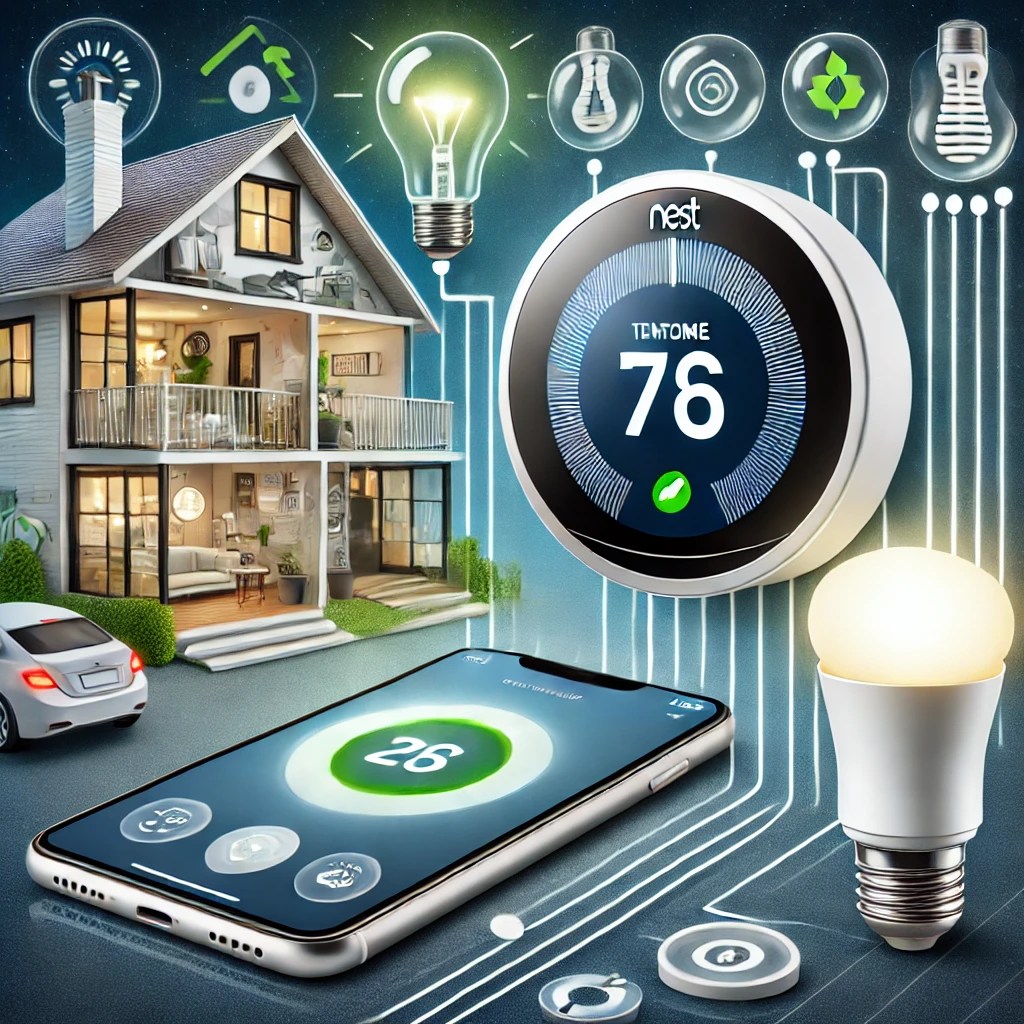
The illustration is a visual representation of Nest Learning Thermostat and Philips Hue lighting systems saving energy in their smart homes. It highlights scenes where the lighting and temperature are remotely controlled through a smartphone, and the temperature is automatically adjusted to suit the user’s lifestyle.
2. Electric Vehicles (EVs)
The transportation sector is a major contributor to carbon emissions. By switching to electric vehicles, individuals can reduce their reliance on fossil fuels and contribute to a cleaner environment.
- Example: Companies like Tesla and Nissan are leading the way with electric vehicles like the Tesla Model 3 and Nissan Leaf, which produce zero tailpipe emissions.
- Stat: According to the EPA, EVs emit approximately three times less CO2 than traditional gasoline-powered cars over their lifetime.
3. Renewable Energy Solutions
The rise of renewable energy sources such as solar, wind, and hydropower is changing how we power our homes and businesses.
- Example: Solar panels, like those from Tesla Solar, allow homeowners to generate their own electricity, reducing their dependence on non-renewable energy sources and lowering utility costs.
- Case Study: Germany has become a world leader in renewable energy, with over 46% of its electricity now coming from renewable sources, according to the Fraunhofer Institute.

4. AI in Waste Management
Artificial intelligence (AI) is revolutionizing the way we handle waste by making recycling programs more efficient and reducing the amount of waste that ends up in landfills.
- Example: AMP Robotics uses AI-powered robots to identify and sort recyclable materials, significantly improving the accuracy and speed of waste management processes.
Challenges and Misconceptions About Sustainable Living
Despite the growing popularity of sustainable living, there are several misconceptions that can deter individuals from making eco-friendly changes:
1. It’s Too Expensive
Many people believe that living sustainably is costly, but this is not always the case. While some eco-friendly products may have a higher upfront cost, they often save money in the long run by reducing energy use or eliminating the need for frequent replacements.

- Tip: Start by adopting low-cost sustainable habits like reducing energy consumption, using second-hand goods, or growing your own vegetables.
2. It’s Inconvenient
Another misconception is that sustainable living is inconvenient. However, many eco-friendly practices are easy to integrate into daily life. For example, smart home devices automate energy-saving processes, and reusable products reduce the need for constant purchases of disposable items.
3. Individual Efforts Don’t Matter
Some feel that individual efforts are too small to make a difference. However, if millions of people adopt even a few sustainable habits, the collective impact can be massive.
- Fact: According to the Ellen MacArthur Foundation, if 20% of plastic packaging worldwide were replaced by reusable alternatives, we could prevent about 6 million tons of plastic waste each year.

Conclusion and Call to Action
Sustainable living is no longer a choice for a few—it’s a necessity for all of us. With the help of technology, from smart thermostats to electric vehicles, the transition to a greener lifestyle has never been easier or more accessible. Simple changes like reducing waste, choosing sustainable products, and optimizing energy use in the home can have a big impact on the environment and your wallet.
Now it’s your turn! What steps are you taking to live more sustainably? Share your tips or experiences in the comments below, and let’s inspire each other to make positive changes. Together, we can build a community that thrives on eco-friendly living and embraces technology as a tool for a sustainable future.
By incorporating practical examples, statistics, and a balanced view of the challenges, this article offers a comprehensive guide to sustainable living. With technology playing a crucial role in making eco-friendly habits more attainable, individuals are empowered to make meaningful changes for the planet.
 Summit Select
Leave a comment