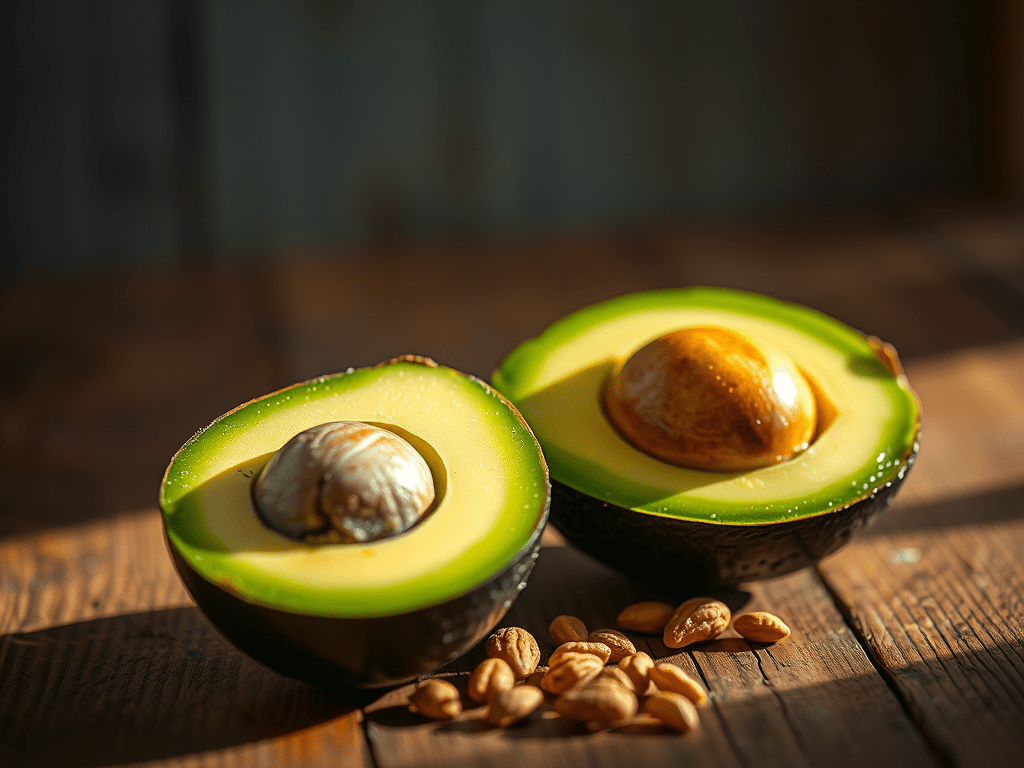
Fats have been misunderstood and demonized for decades, with many people believing that avoiding all fats is the secret to a healthier life. However, modern science has debunked this myth, revealing that some fats are not only beneficial but essential for optimal health. The key lies in understanding which fats to embrace and which to limit. Let’s explore the science behind healthy fats, how to incorporate them into your diet, and the potential benefits they can bring to your overall well-being.
Healthy Fats You Should Embrace
Not all fats are created equal, and some types are crucial for your heart, brain, and overall health. Incorporating the right kinds of fats can help improve everything from your cholesterol levels to cognitive function. Let’s look at the best sources of healthy fats and how they can benefit your body.
Avocados: The Creamy Superfood
Avocados are more than just a trendy toast topping—they’re packed with monounsaturated fats that are great for your heart. Studies have shown that consuming avocados can help lower bad cholesterol (LDL) and increase good cholesterol (HDL), which is essential for cardiovascular health. According to a study published in the Journal of the American Heart Association, replacing saturated fats with avocados in your diet may reduce the risk of heart disease by as much as 21%1.
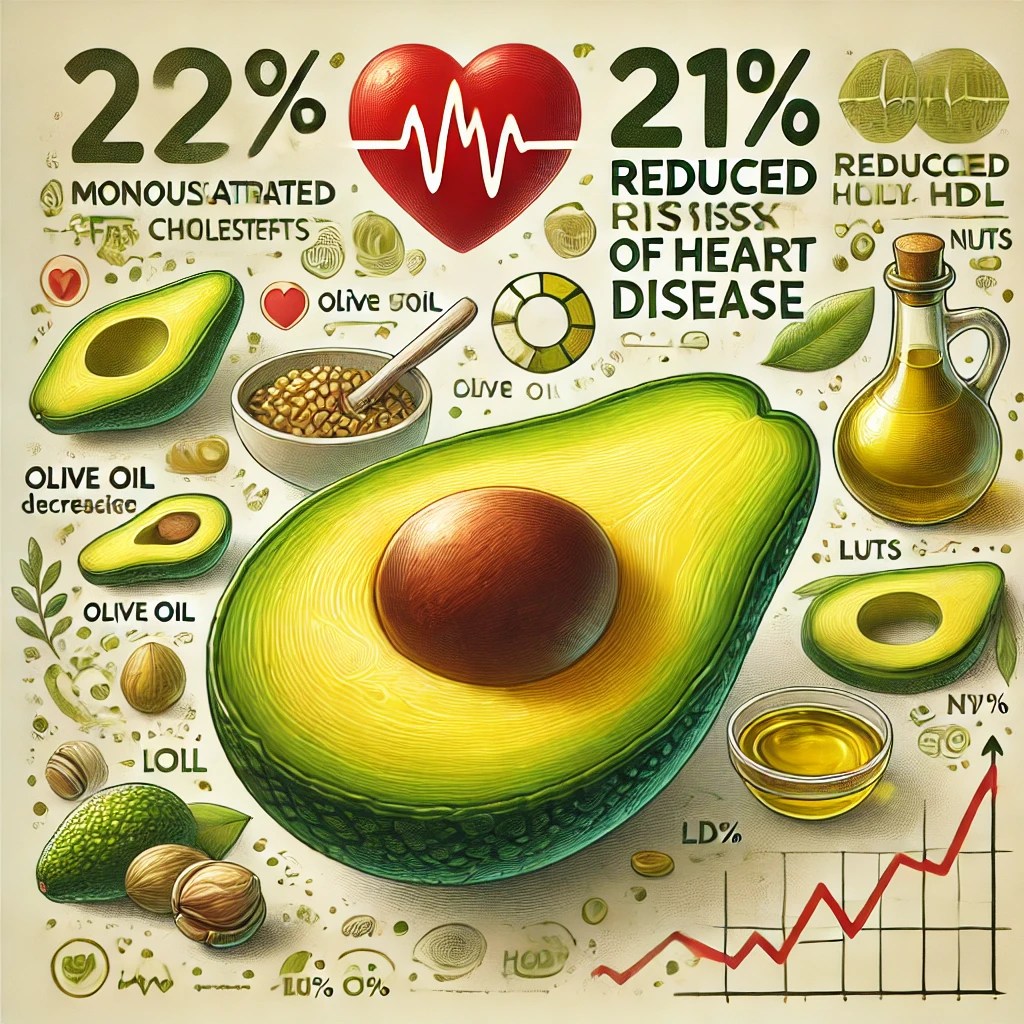
Visually expressed the positive effects of healthy monounsaturated fats in avocados on heart health. The effect of lowering LDL and increasing HDL is highlighted.
How to Add Avocados to Your Diet
A medium avocado contains about 240 calories and 22 grams of fat, almost all of which are healthy fats. Incorporate half an avocado into your daily meals by adding slices to salads, blending it into smoothies, or using it as a spread on whole-grain toast instead of butter.
Nuts: Nature’s Perfect Snack
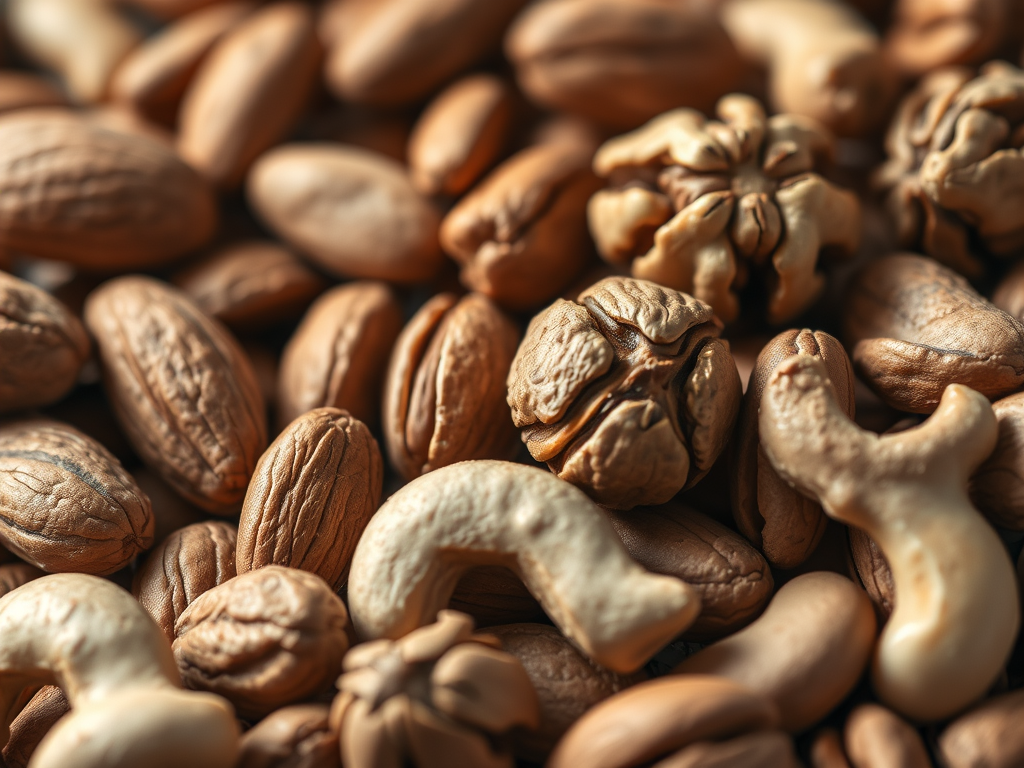
Nuts, especially almonds, walnuts, and cashews, are rich in both monounsaturated and polyunsaturated fats. These healthy fats contribute to lowering bad cholesterol and may also reduce the risk of developing type 2 diabetes, according to research from Harvard T.H. Chan School of Public Health2. The same research suggests that regular nut consumption may decrease the risk of heart disease by 30%.
Serving Size and Tips
A serving of nuts is about a small handful (approximately 1 ounce or 28 grams), which contains 160-200 calories depending on the type. For a healthy snack, keep a portion of unsalted almonds or walnuts in your bag for an energy boost or sprinkle them over your morning oatmeal for added crunch and nutrients.
Fatty Fish: The Omega-3 Powerhouse
Fatty fish like salmon, mackerel, sardines, and trout are rich in omega-3 fatty acids, which are essential for brain function and reducing inflammation. Numerous studies, including one published in the American Journal of Clinical Nutrition, have shown that regular consumption of omega-3s can reduce the risk of heart disease, stroke, and even mental decline in older adults3.
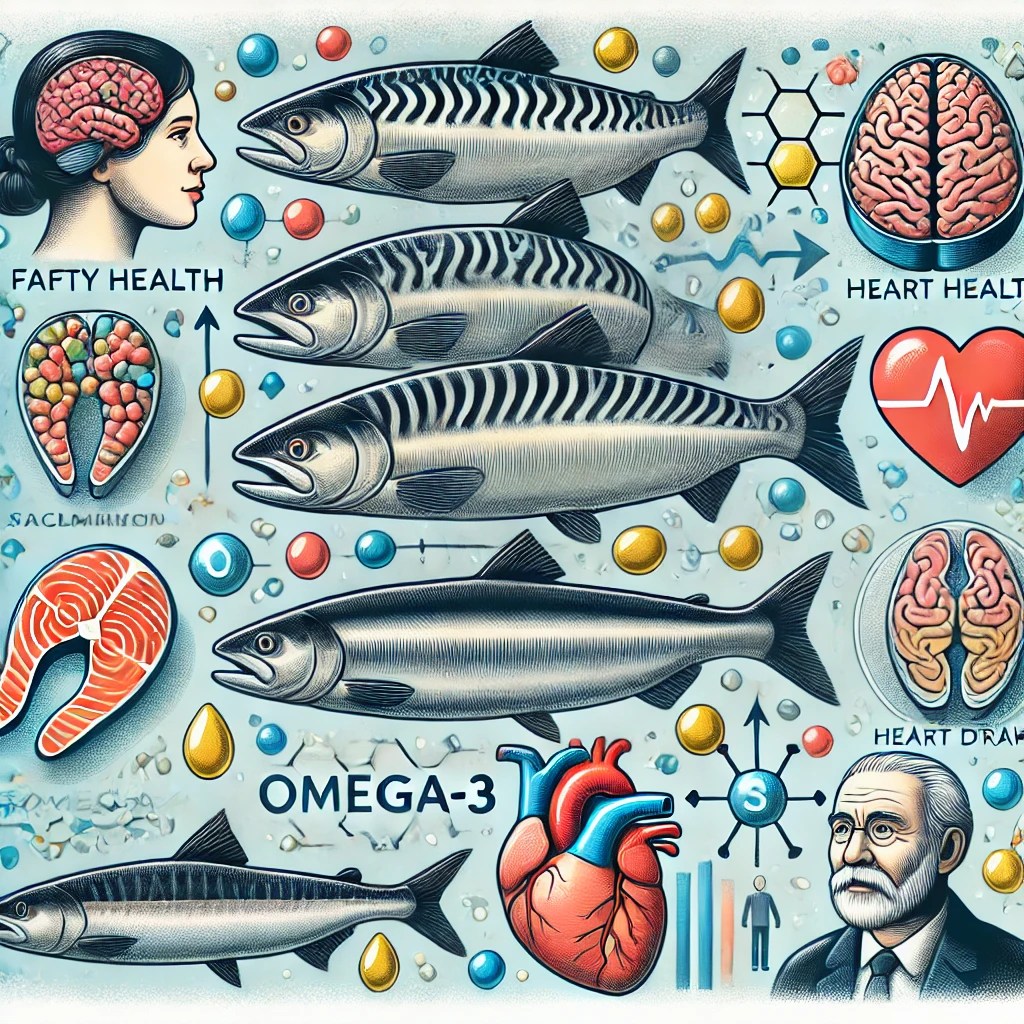
Check out the illustrations that express the positive effects of these fatty fish and omega-3 fatty acids on brain and heart health. There is a visual emphasis on the benefits of maintaining brain function and reducing inflammation.
How Much Fish Should You Eat?
Experts recommend eating two servings of fatty fish per week, with each serving being about 3.5 ounces (100 grams). Grill or bake fish for dinner, or add canned sardines to your salad for an easy omega-3 boost.
Extra Virgin Olive Oil: A Heart-Healthy Staple
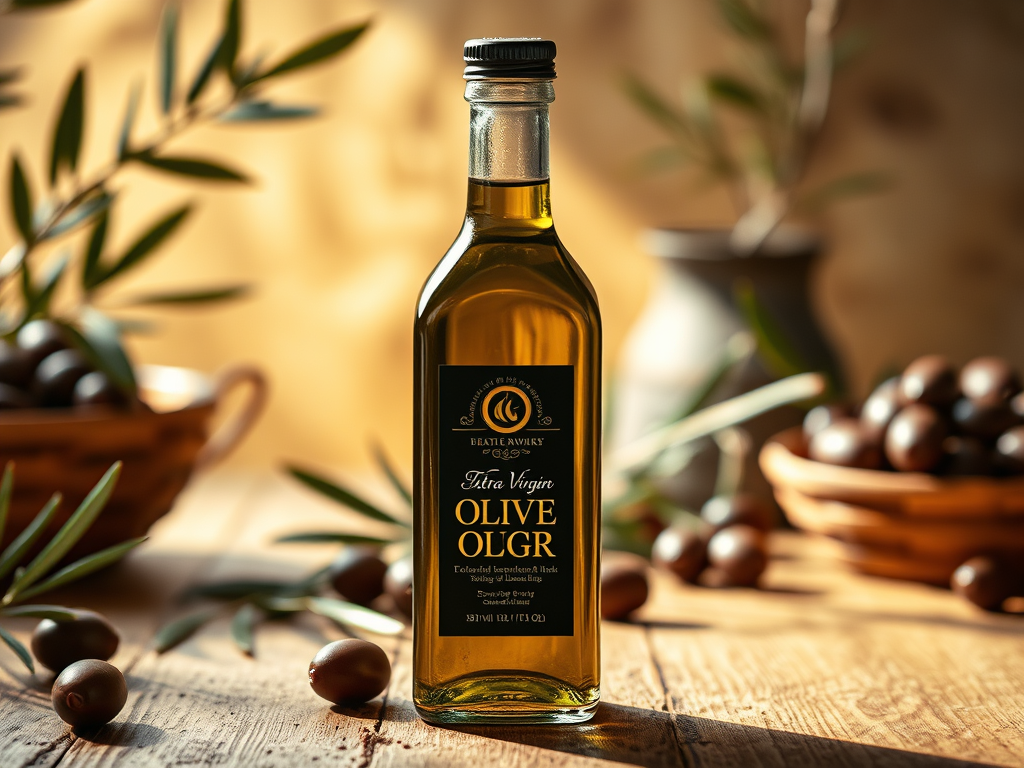
Extra virgin olive oil is another excellent source of monounsaturated fats and antioxidants. The PREDIMED Study, a large clinical trial in Spain, found that a Mediterranean diet rich in olive oil significantly reduced the risk of cardiovascular events by 30% compared to a low-fat diet.
How to Use Olive Oil
Swap out butter or margarine with extra virgin olive oil when cooking. Aim for about 2 tablespoons (30 ml) per day, drizzling it over salads, pasta, or vegetables. Its rich flavor pairs well with almost any dish, making it a versatile and healthy option.
Fats to Avoid or Limit
While healthy fats are a boon for your body, not all fats are beneficial. Certain types of fats can have the opposite effect on your health, increasing the risk of heart disease, weight gain, and other chronic conditions.
Trans Fats: The Dangerous Fat
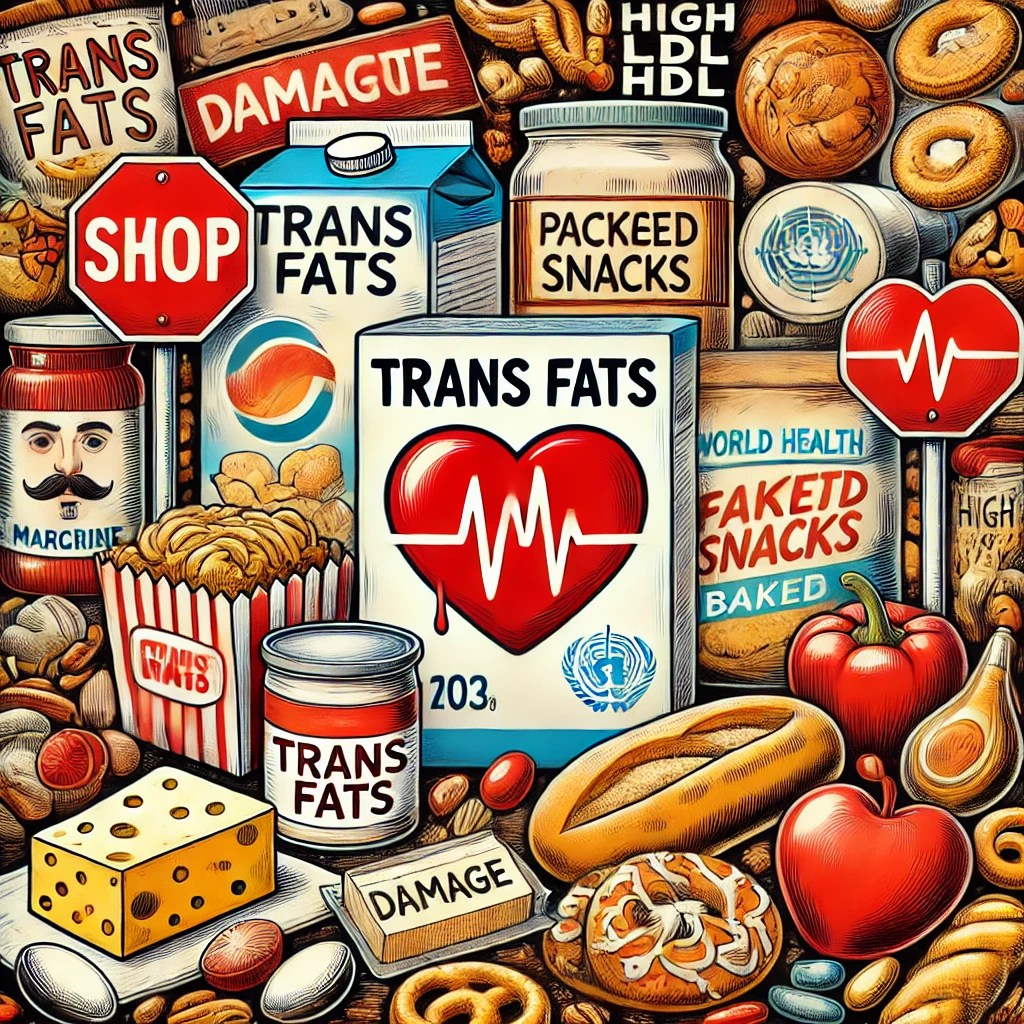
Trans fats are artificially created fats found in many processed foods, including packaged snacks, baked goods, and margarine. According to the Mayo Clinic, trans fats not only raise bad cholesterol but also lower good cholesterol, making them a double threat to heart health5. The World Health Organization has called for the elimination of trans fats from the global food supply by 2023, underscoring their detrimental impact.
Where You’ll Find Trans Fats
Trans fats are typically found in foods labeled as “partially hydrogenated.” To avoid them, check food labels and steer clear of items that contain these harmful oils. Replace processed snacks with healthier options like fresh fruits, vegetables, or homemade popcorn.
Excessive Saturated Fats: Moderation is Key
Saturated fats, found in red meat, butter, and full-fat dairy products, can raise your levels of bad cholesterol (LDL). While some research suggests that saturated fats aren’t as harmful as once believed, consuming them in excess can still contribute to heart disease, especially when combined with other unhealthy lifestyle factors6.
Reducing Saturated Fat in Your Diet
Limit your intake of red meat to once or twice a week and opt for leaner cuts like chicken or turkey. When it comes to dairy, choose low-fat or skim options. Consider using plant-based alternatives, like almond milk or coconut yogurt, to cut down on saturated fats.
Personal Experience: How Healthy Fats Changed My Life
A few years ago, I struggled with low energy and frequent headaches. After some research and consultations, I realized my diet was lacking in healthy fats. I started incorporating more avocados, nuts, and fatty fish into my meals, and the difference was astonishing. Not only did I feel more energetic, but my cholesterol levels improved, and I felt sharper mentally. Healthy fats have become a cornerstone of my diet, and I encourage others to embrace them too.
Conclusion: Balance is the Key to a Healthy Diet
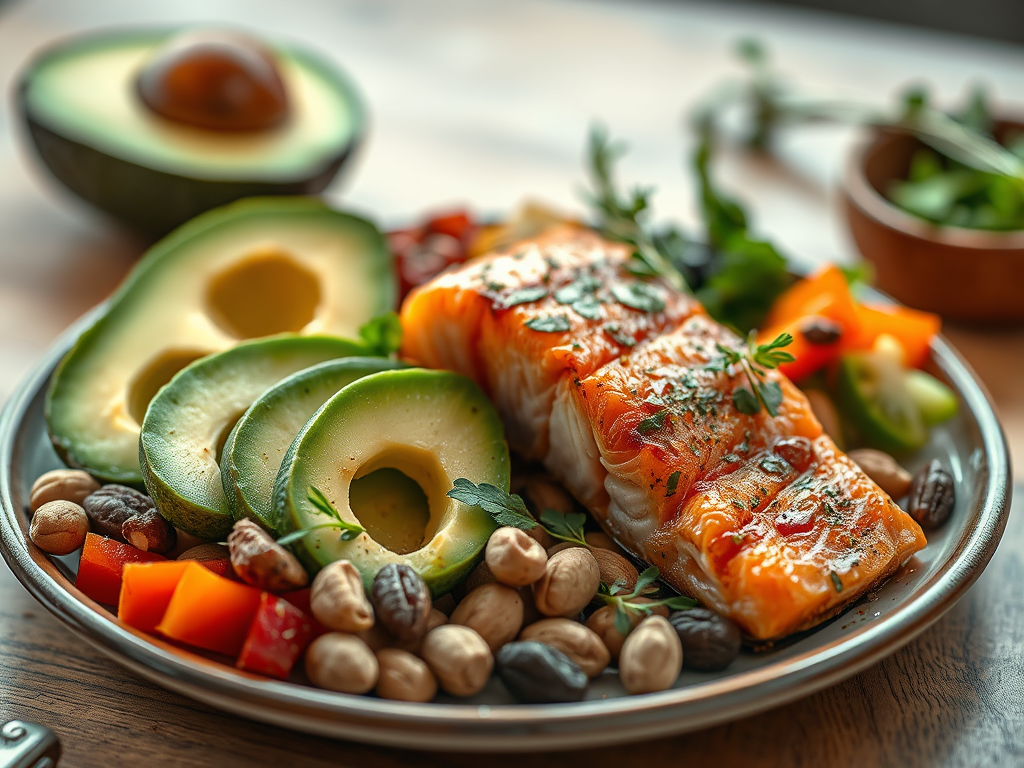
Incorporating the right fats into your diet can transform your health. From avocados and nuts to fatty fish and olive oil, these healthy fats are essential for heart and brain function. On the other hand, trans fats and excessive saturated fats can have the opposite effect, increasing your risk of chronic diseases.
To achieve optimal health, focus on balance. Choose foods rich in healthy fats, avoid processed trans fats, and keep saturated fats in moderation. By making these small changes, you can significantly improve your overall well-being.
Remember, fats aren’t the enemy—it’s about making the right choices. So, next time you’re preparing a meal, don’t shy away from those avocados or nuts. Your heart and brain will thank you!
 Summit Select
Leave a comment