
Imagine this: You’re scrolling through social media, sharing photos, liking posts, and perhaps even shopping online. But behind these everyday activities, there’s a network of companies and algorithms tracking your every move, collecting your personal information. For younger generations, particularly millennials and Gen Z, this reality is both familiar and alarming.
A 2023 report from Pew Research found that 81% of young adults are concerned about how companies collect and use their data. This statistic highlights the increasing urgency of addressing digital privacy and online security. In an era where personal information is as valuable as currency, the stakes have never been higher.
In this article, we’ll delve into why privacy concerns are so prominent for younger generations, the specific threats they face, and practical steps everyone can take to protect themselves in a rapidly evolving digital landscape. We’ll also explore recent examples of data breaches and why they have intensified these concerns.
Why Digital Privacy Matters to Younger Generations
Younger generations, often called digital natives, have grown up with the internet. They witnessed its evolution from a relatively anonymous space to today’s interconnected world, where nearly every action online leaves a digital footprint. But with this familiarity comes a heightened awareness of the risks associated with personal data being misused or stolen.
Constant Connectivity Equals Constant Risk
Gen Z and millennials use the internet for almost everything—from socializing and working to shopping and banking. This constant connectivity means that vast amounts of personal data are shared online, often without a second thought. However, the consequences of this data being mishandled can be significant. Young people are keenly aware that their data is not just being used for personalization but also for commercial gain.

For instance, targeted advertising has become a major point of contention. Social media platforms like Instagram and Facebook track users’ browsing habits and interests to show them personalized ads. While some appreciate the relevance, others are uncomfortable with how much these platforms seem to know about their private lives. Is the convenience worth the invasion of privacy?
A Generation Pushing for Transparency
Unlike previous generations, millennials and Gen Z are not passive users of technology. They are actively advocating for greater transparency and accountability from tech companies. Many have pushed for legislation like the General Data Protection Regulation (GDPR) in Europe and the California Consumer Privacy Act (CCPA) in the U.S., which give consumers more control over how their data is collected and used.
Moreover, many young people question the ethical practices of companies that harvest and sell data for profit. The Cambridge Analytica scandal is a perfect example of how personal data can be exploited in ways users never agreed to. The misuse of Facebook data to influence elections remains a significant concern, reminding everyone how easily data can be weaponized.
Key Threats to Digital Privacy
To fully understand the urgency of protecting online privacy, it’s essential to look at the specific threats that younger generations are concerned about. These threats go beyond simple advertising and extend into areas that can have severe personal and financial consequences.
1. Data Breaches: When Personal Information Is Exposed
Data breaches are one of the most serious privacy concerns for young people. These breaches occur when hackers gain unauthorized access to private data stored by companies, often leading to the exposure of sensitive information like names, credit card numbers, addresses, and passwords. The damage from a breach can be long-lasting and financially devastating.
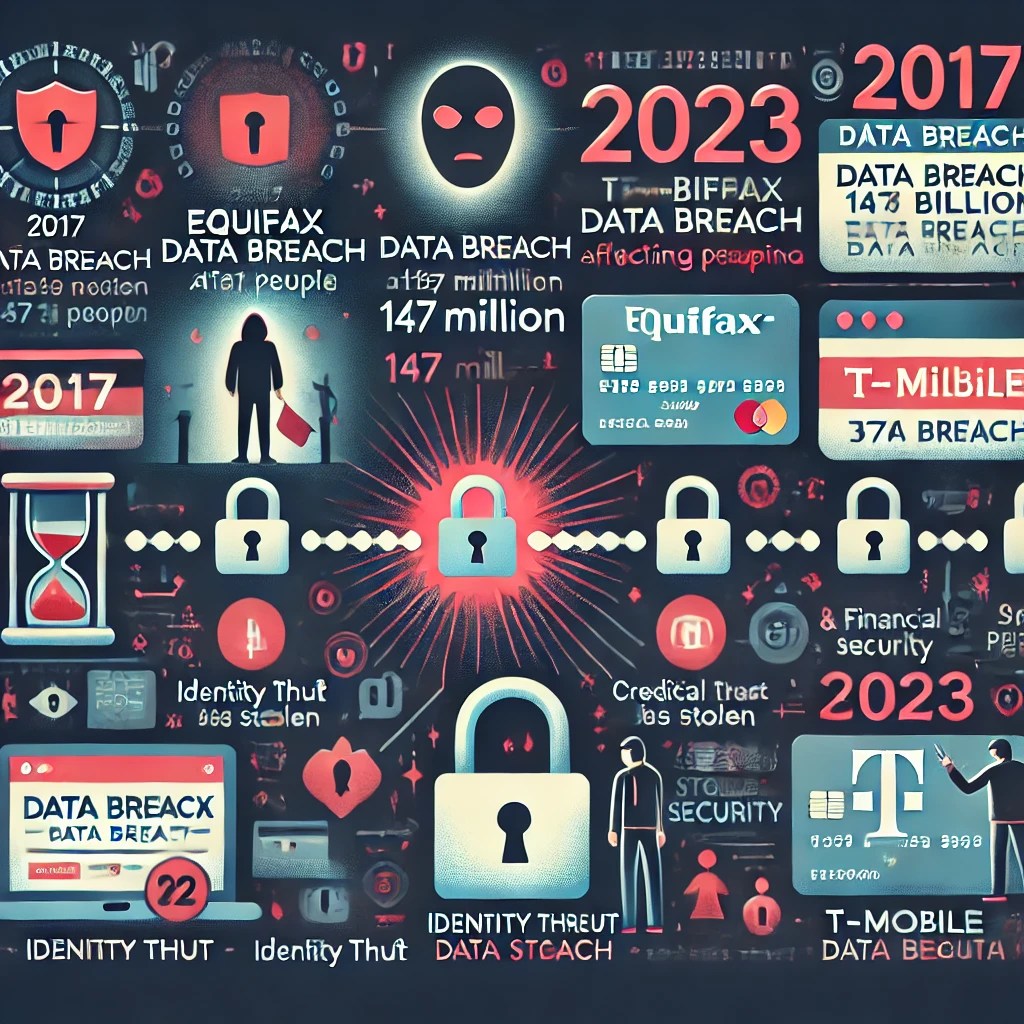
Take the Equifax breach in 2017 as an example, which exposed the personal data of 147 million people. Victims faced issues like identity theft, credit fraud, and financial losses. More recently, in 2023, T-Mobile experienced another major breach affecting 37 million customers, once again exposing the vulnerability of data stored by even the largest companies.
These incidents serve as a stark reminder that our personal information is not as secure as we might believe. For younger generations, many of whom rely heavily on mobile apps and online services, these breaches are wake-up calls, urging them to be more proactive about protecting their digital identities.
2. Government Surveillance and Corporate Monitoring
Another pressing concern is the issue of government and corporate surveillance. In an era of mass data collection, younger generations are increasingly aware of how governments and large tech companies monitor online activity.
The Edward Snowden revelations in 2013 uncovered how the U.S. National Security Agency (NSA) was conducting mass surveillance on American citizens without warrants. These practices have since raised significant concerns about privacy rights and the extent to which governments should have access to private data.

In addition to government monitoring, tech giants like Google and Facebook track users for advertising purposes, using cookies and other tools to collect vast amounts of information. While this may seem harmless, many users are uncomfortable with how their data is used for commercial exploitation without their explicit consent.
3. Phishing and Social Engineering Attacks
Phishing remains one of the most common forms of cyberattacks. These attacks involve tricking users into giving up sensitive information, often by pretending to be a legitimate organization or individual. Phishing emails or fake websites can steal login credentials, bank details, or even social media accounts.
For Gen Z and millennials, who spend a significant amount of time online, the threat of phishing is ever-present. However, they are often more aware of these risks and are better equipped to identify scams compared to older generations.
How Younger Generations Are Taking Action
The good news is that younger generations are not just concerned about these threats—they’re taking steps to combat them. Whether it’s through the use of privacy tools, advocating for better policies, or educating themselves and others, millennials and Gen Z are leading the charge in protecting their digital privacy.
1. The Rise of VPNs and Encryption Tools
VPNs (Virtual Private Networks) have become increasingly popular, especially among younger users. These tools create a secure, encrypted connection between a user’s device and the internet, hiding their IP address and making it harder for third parties to track their online activities.
Similarly, encrypted messaging apps like Signal are gaining traction, allowing users to communicate without fear of their messages being intercepted. End-to-end encryption ensures that only the sender and recipient can read the messages, adding an extra layer of security.
2. Using Privacy-Focused Browsers and Search Engines
Many young people are also turning to privacy-focused browsers like Brave and search engines like DuckDuckGo, which do not track users or store their personal data. These platforms provide an alternative to the data-hungry practices of larger tech companies and give users more control over their online footprint.
3. Digital Literacy and Education
Education is perhaps the most important tool for protecting digital privacy. Younger generations are well-versed in digital literacy, learning how to identify phishing attempts, manage privacy settings on social media, and protect themselves from online scams. Many schools and online communities now offer digital literacy programs to help users stay informed about online threats and best practices for protecting personal data.
SEO Keywords Integrated: data breaches, online surveillance, VPN for privacy, phishing attacks, privacy-focused search engines
Practical Tips to Protect Your Digital Privacy
Protecting your digital privacy doesn’t have to be complicated. Here are some simple steps you can take to safeguard your personal information:
- Use strong, unique passwords for each account, and consider using a password manager to keep track of them securely.
- Enable two-factor authentication on important accounts, such as email and social media, for an extra layer of protection.
- Regularly update your software to ensure that security vulnerabilities are patched.
- Be mindful of what you share on social media. Review your privacy settings and avoid posting sensitive information.
- Stay vigilant against phishing scams. Always verify the legitimacy of emails or messages asking for personal details.
Conclusion: The Ongoing Battle for Digital Privacy
For millennials and Gen Z, digital privacy and security are not just abstract concepts—they are essential for living safely in the modern world. As data breaches become more frequent, and as government and corporate surveillance expand, younger generations are leading the fight for stronger privacy protections and greater transparency.
While there is no one-size-fits-all solution to protecting your personal information online, being proactive and staying informed are crucial steps. The future of digital privacy depends not only on legislative action but also on individuals taking control of their data.
How do you protect your digital privacy? Share your strategies and concerns in the comments below, and let’s foster a community focused on safeguarding our online identities.
 Summit Select
Leave a comment