
Sleep quality is essential to our overall health and well-being. Yet, millions of people struggle to get the restful sleep they need. According to the CDC, one in three adults doesn’t get enough sleep on a regular basis, which can lead to a range of health issues including weakened immunity, poor mental focus, and an increased risk of chronic diseases. Improving the quality of your sleep can have profound effects on your daily life, from better mood and energy to enhanced cognitive function. In this article, we’ll explore five practical, science-backed strategies for improving sleep quality and waking up refreshed.
1. Maintain a Consistent Sleep Schedule
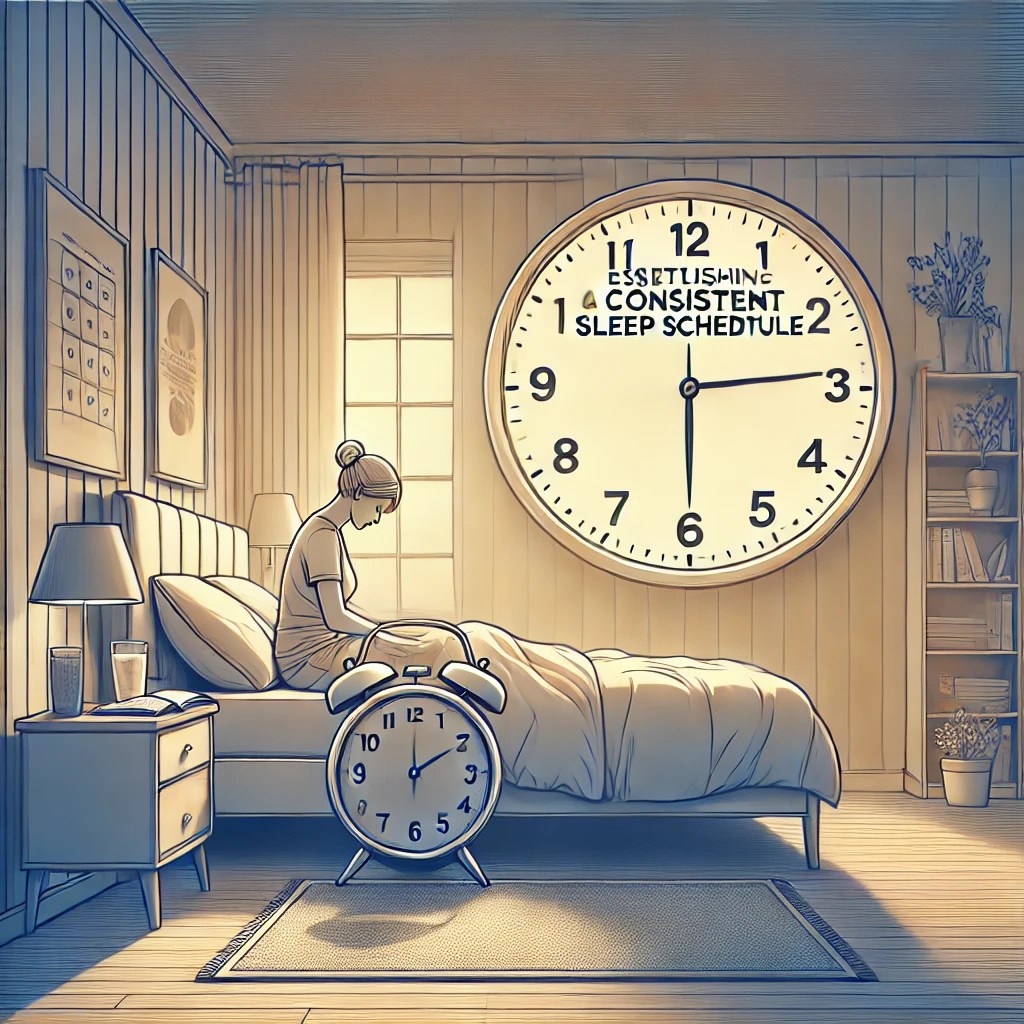
One of the most effective ways to improve sleep quality is by sticking to a consistent sleep schedule. Going to bed and waking up at the same time every day—even on weekends—helps regulate your body’s internal clock (circadian rhythm), making it easier to fall asleep and wake up naturally.
Why It Works:
Your body’s natural sleep-wake cycle thrives on routine. By maintaining a regular schedule, you train your brain and body to expect sleep at specific times, leading to more restful, uninterrupted sleep.
Actionable Tip:
Start by setting a specific bedtime and wake-up time that you can realistically follow. If you struggle with staying consistent, set an alarm as a reminder to start winding down for bed. Aim for 7-9 hours of sleep per night to support overall health.
Example:
Think of it like training for a marathon—you don’t just practice sporadically. Similarly, maintaining a consistent sleep routine helps “train” your body to perform better and rest more efficiently over time.
Potential Obstacles:
Life happens—work deadlines, social events, or parenting can disrupt even the best-laid plans. If you miss your usual bedtime, try to wake up at your regular time the next day to get back on track quickly.
Key Point:
Consistency is key. A regular sleep schedule helps synchronize your body’s internal clock, making it easier to fall asleep and wake up feeling refreshed.
2. Develop a Relaxing Pre-Bed Routine
The modern world bombards us with stress and stimulation, making it hard to wind down at night. Establishing a calming pre-bed routine can help your body and mind transition smoothly from wakefulness to sleep.
Why It Works:
A structured routine before bed signals to your brain that it’s time to relax and prepare for sleep. When you engage in relaxing activities, your body starts producing melatonin, the hormone responsible for sleep, leading to a smoother transition into deep rest.
Actionable Tip:
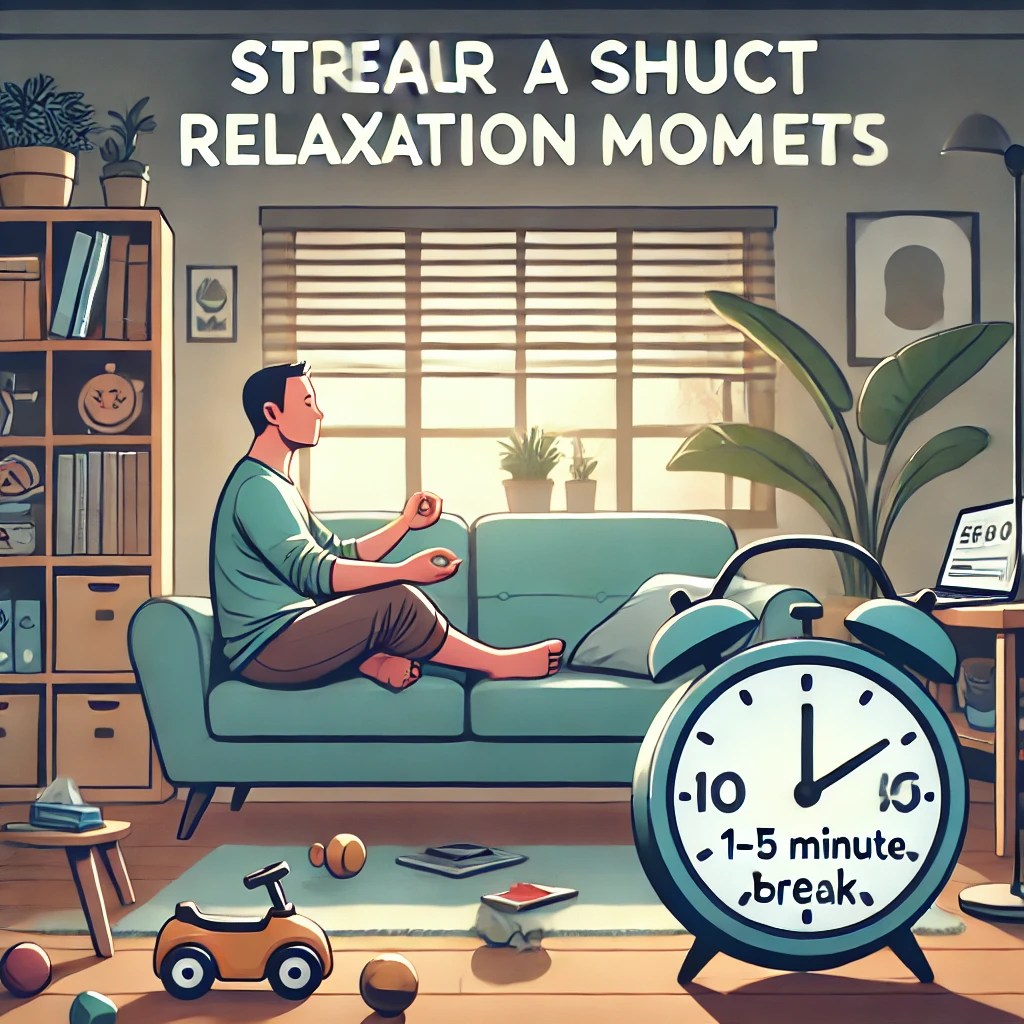
Dedicate the last 30-60 minutes before bed to winding down. Engage in activities that help you relax, such as reading, light stretching, or practicing mindfulness. Avoid mentally stimulating tasks like checking work emails or watching intense TV shows.
Example:
For instance, try reading a book instead of scrolling through social media before bed. Not only does this calm your mind, but it also helps avoid the negative effects of screen time (which we’ll discuss next).
Potential Obstacles:
If you have young children or a busy schedule, finding time to unwind might seem difficult. Try starting with just 10-15 minutes of quiet, calming activity to begin the habit, and gradually extend the time as you can.
Key Point:
A relaxing pre-bed routine helps your brain shift into sleep mode, reducing stress and making it easier to fall asleep and stay asleep.
3. Limit Screen Time Before Bed
We live in a world dominated by screens—whether it’s our phones, tablets, or TVs. However, the blue light emitted by these devices can interfere with your sleep by suppressing melatonin production, tricking your brain into thinking it’s still daytime.
Why It Works:
Melatonin is essential for regulating your sleep cycle, and exposure to blue light before bed can significantly reduce its production, leading to difficulty falling asleep or staying asleep.
Actionable Tip:
Set a goal to stop using screens at least 30-60 minutes before bedtime. If avoiding screens altogether is not feasible, switch your device to night mode or use blue light blocking glasses to minimize exposure. Instead, replace screen time with relaxing activities like journaling or reading a physical book.
Example:
One study showed that people who read eBooks on devices before bed took longer to fall asleep and had poorer quality sleep compared to those who read traditional books. Swapping out that tablet for a paperback can make a big difference.
Potential Obstacles:
Many people use their phones as an alarm clock or rely on their devices for evening relaxation. Consider switching to a traditional alarm clock and keeping your phone away from your bed, or set your phone to a “do not disturb” mode that limits distractions.

Key Point:
Reducing screen time before bed helps your body produce melatonin naturally, allowing you to fall asleep more easily and wake up feeling more rested.
4. Optimize Your Sleep Environment
Your bedroom should be a haven for sleep. Factors like noise, temperature, lighting, and the comfort of your bedding can significantly affect your sleep quality. Making small adjustments to your environment can lead to big improvements in how well you sleep.
Why It Works:
Disruptions like bright lights, loud noises, or an uncomfortable mattress can cause micro-awakenings, preventing you from reaching the deeper stages of sleep that your body needs for restoration.
Actionable Tip:
Make your bedroom as conducive to sleep as possible. This means keeping it dark, quiet, and cool. Use blackout curtains to eliminate light, earplugs or a white noise machine to drown out disruptive sounds, and maintain a room temperature between 60-67°F (15-20°C). Invest in a comfortable mattress and pillows suited to your preferences.
Example:
Athletes like LeBron James prioritize optimizing their sleep environment, often traveling with portable blackout curtains or white noise machines to ensure consistent, high-quality sleep, even on the road.

Potential Obstacles:
If you live in a noisy area or share your space with others, you might not have complete control over your environment. In this case, earplugs, sleep masks, or noise machines can provide simple solutions.
Key Point:
Optimizing your sleep environment by controlling factors like light, noise, and temperature can make a significant difference in the quality of your sleep.
5. Avoid Caffeine and Heavy Meals Late in the Day
What you consume in the hours leading up to bedtime plays a huge role in your ability to sleep well. Caffeine, in particular, can linger in your system for hours, making it difficult to relax, while heavy meals can cause indigestion, disrupting your sleep.
Why It Works:
Caffeine blocks the brain’s adenosine receptors, delaying feelings of sleepiness, while heavy meals require more energy for digestion, which can interfere with your ability to fall asleep quickly.
Actionable Tip:
Cut off caffeine consumption by 2 p.m. to ensure it doesn’t interfere with your sleep. Additionally, try to finish dinner at least 2-3 hours before bedtime. If you get hungry later, opt for a light snack like a banana or almonds, which contain nutrients that promote sleep.
Example:
Many professional athletes and performers, such as Serena Williams, carefully manage their evening meals and caffeine intake to optimize their recovery during sleep, making sure that nothing interferes with their nighttime rest.

Potential Obstacles:
If you’re used to having a late-night snack or coffee, it might be challenging to break the habit. Start by gradually cutting back or switching to caffeine-free beverages like herbal tea in the afternoon and evening.
Key Point:
Avoiding caffeine after the afternoon and eating light meals in the evening can prevent disruptions in your sleep and help you wind down more naturally.
Conclusion: Small Changes, Big Impact on Sleep Quality
Improving sleep quality doesn’t have to mean overhauling your entire routine. By making small, manageable changes—like maintaining a consistent sleep schedule, winding down before bed, limiting screen time, optimizing your sleep environment, and watching what you eat—you can set the stage for better, deeper sleep. These strategies, backed by science, can have a profound impact on your overall well-being.
Call-to-Action:
Ready to get better sleep? Start by implementing one or two of these strategies tonight. Whether it’s setting a consistent sleep schedule or cutting down on screen time, small adjustments can lead to big improvements. Have tips of your own or faced challenges in improving your sleep? Share your experiences in the comments below and let’s learn from each other!
 Summit Select
Leave a comment