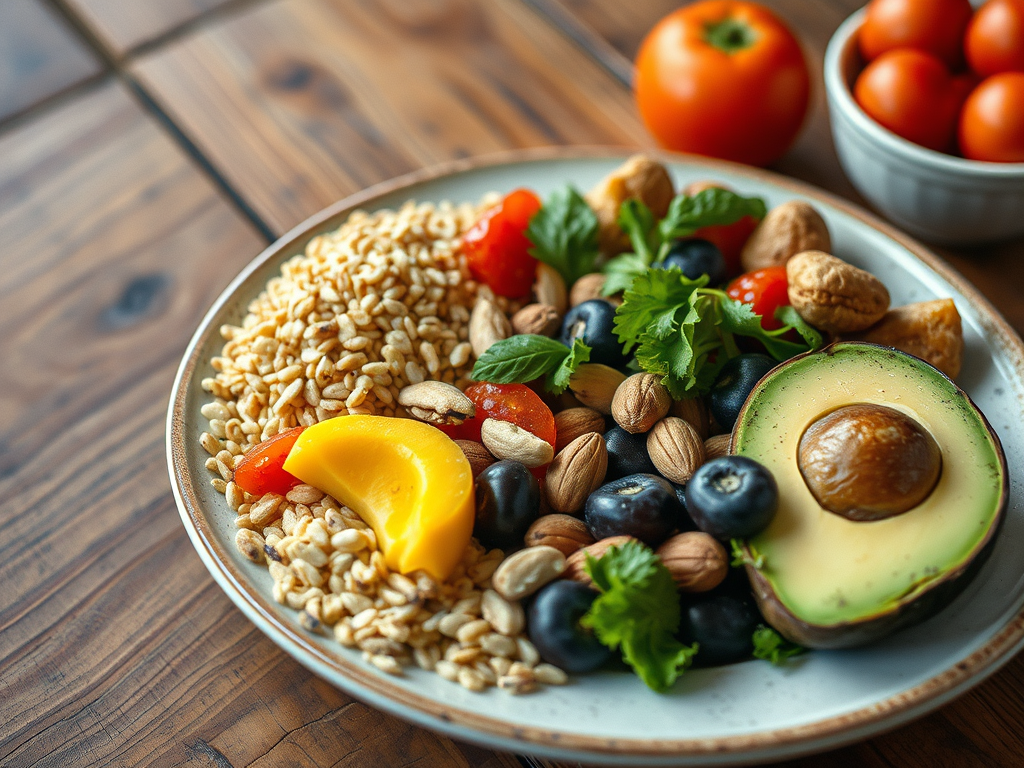
In today’s world, we’re constantly bombarded with conflicting advice about nutrition. From trendy diets that promise quick weight loss to superfoods claiming to cure everything under the sun, it’s tough to know what’s true and what’s just a myth. Many of these popular beliefs are not backed by science, leading people to make choices that may not be as healthy as they think. This article will break down some of the most common nutrition myths and provide evidence-based insights on what the science really says about diets, superfoods, and supplements.
Myth #1: Carbs Are Bad for You
One of the most persistent myths is that carbohydrates are inherently bad for you, especially if you want to lose weight. Low-carb diets, like keto or Atkins, have fueled this belief, suggesting that cutting carbs is the magic key to weight loss and overall health.
What Science Actually Says: Carbohydrates are the body’s primary energy source, and cutting them out entirely can lead to nutrient deficiencies. It’s the type of carbs you eat that matter. Whole grains, fruits, vegetables, and legumes are complex carbs that offer fiber, vitamins, and minerals. Refined carbs—like white bread and sugary snacks—can cause weight gain and health issues, but this doesn’t apply to all carbs. A study published in The Lancet (2018) found that a moderate-carb intake (50-55% of daily calories) was linked to the lowest risk of mortality, emphasizing that balance is key.

Key Points:
- Carbs are essential for energy and overall health.
- Choose whole grains and complex carbs over refined, sugary options.
- Cutting carbs entirely can do more harm than good.
Myth #2: All Fats Are Unhealthy
For years, fat was blamed for weight gain and heart disease, leading to a rise in low-fat diets. Many people still believe that avoiding all fats is the healthiest choice, but recent research paints a different picture.
What Science Actually Says: Not all fats are bad. In fact, healthy fats, such as those found in avocados, nuts, seeds, and fatty fish, are essential for brain function and heart health. These unsaturated fats help raise good HDL cholesterol while lowering bad LDL cholesterol. On the other hand, trans fats—found in processed and fried foods—should be avoided. A study published in The New England Journal of Medicine (2013) showed that people who followed a Mediterranean diet, rich in healthy fats, had a significantly lower risk of heart disease.
Key Points:
- Healthy fats are essential for brain and heart health.
- Unsaturated fats are beneficial, while trans fats should be avoided.
- Low-fat diets are not necessarily healthier.
Myth #3: You Need to Detox Regularly
Detox diets and cleanses have become popular, with promises of removing toxins from your body, aiding weight loss, and boosting health. These usually involve drinking only juices or eating specific foods for days at a time.
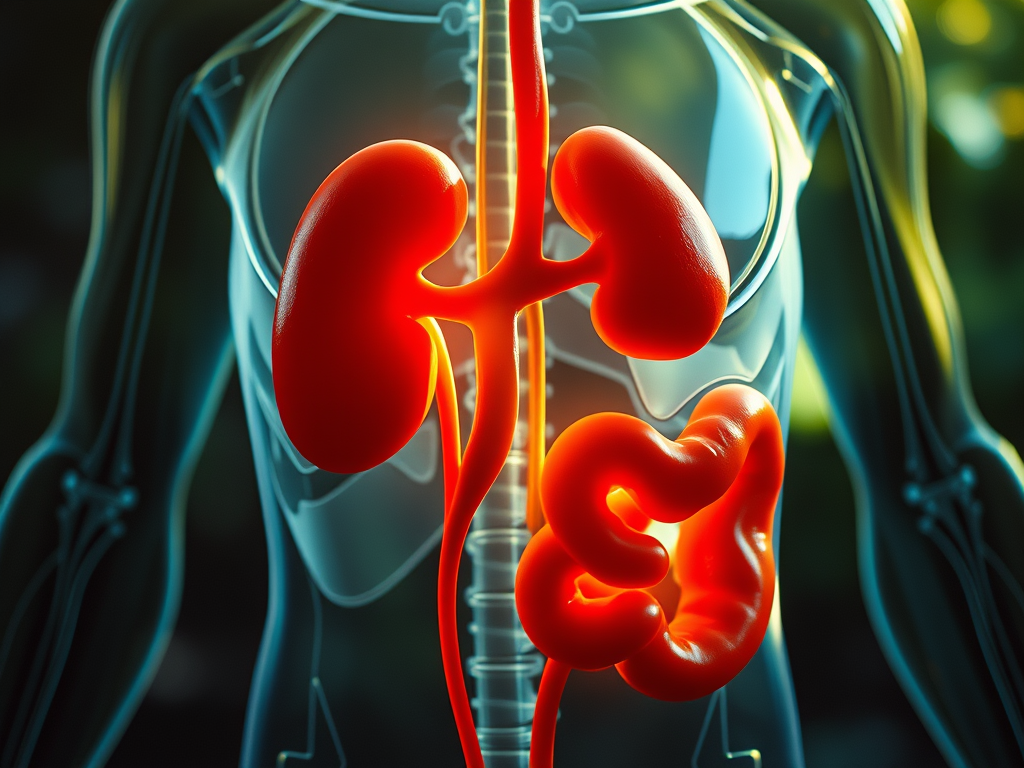
What Science Actually Says: Your body already has a built-in detox system: the liver, kidneys, and digestive system work together to naturally eliminate toxins. There’s no scientific evidence supporting the effectiveness of detox diets. In fact, extreme cleanses can cause fatigue, nutrient deficiencies, and other health issues. A review published in The Journal of Human Nutrition and Dietetics (2015) confirmed that there’s little to no evidence proving commercial detox diets provide health benefits.
Key Points:
- Your body naturally detoxifies itself through the liver and kidneys.
- Detox diets can be harmful and are unnecessary for good health.
- A balanced diet is the best way to support natural detoxification.
Myth #4: Supplements Can Replace a Healthy Diet
Many people believe that taking supplements can compensate for a poor diet or provide all the nutrients their body needs. With the supplement industry booming, it’s easy to think that popping a vitamin pill is a quick fix.
What Science Actually Says: While supplements can help address specific deficiencies (like vitamin D or iron), they should not replace a well-rounded diet. Whole foods provide a complex array of nutrients that work together in ways supplements can’t replicate. Overconsumption of certain supplements can even be harmful. A study in Annals of Internal Medicine (2013) concluded that most supplements do not reduce the risk of chronic disease or death and may sometimes pose risks.

Key Points:
- Supplements are helpful for addressing specific deficiencies but are not a substitute for a healthy diet.
- Whole foods provide more comprehensive nutrition than supplements alone.
- Excessive use of supplements can be harmful.
Myth #5: Superfoods Are Miracle Cures
Superfoods like kale, acai berries, and chia seeds are often marketed as miracle cures capable of preventing disease and boosting overall health. But is there any truth to these claims?
What Science Actually Says: While these foods are certainly nutrient-dense, the concept of a “superfood” is largely a marketing term, not a scientific one. No single food can provide all the nutrients your body needs. A study published in Critical Reviews in Food Science and Nutrition (2017) emphasized that while superfoods like blueberries and spinach are healthy, the overall dietary pattern matters more than focusing on any one food.
Key Points:
- Superfoods are nutritious but not magical.
- Eating a variety of nutrient-dense foods is more important than focusing on specific “superfoods.”
- A balanced diet offers the best health benefits.
Myth #6: Eating Late at Night Causes Weight Gain
Many people believe that eating late at night leads to weight gain because your metabolism slows down in the evening. This has led to the common advice to avoid food after a certain hour.
What Science Actually Says: Weight gain is more about total caloric intake than the time of day you eat. While late-night snacking can contribute to weight gain if it causes you to consume more calories than you burn, the timing of your meals doesn’t significantly affect metabolism. A 2016 study in Obesity Reviews found that eating late at night had no direct impact on weight gain when total caloric intake was controlled.

Key Points:
- Weight gain is primarily influenced by total calorie intake, not meal timing.
- Late-night eating can lead to weight gain if it causes overeating, but it’s not the sole factor.
- Focus on the quality and quantity of your food, not the time you eat.
Conclusion: Trust Science, Not Myths
In the world of nutrition, it’s easy to fall for flashy headlines and quick fixes. However, science tells a different story—one that emphasizes balance, whole foods, and evidence-based practices over myths and trends. When it comes to your health, it’s essential to rely on solid, research-backed information rather than fads.
Call-to-Action:
Before making any drastic changes to your diet based on a trend, take a moment to review the science. Consider consulting a registered dietitian or nutritionist for personalized, evidence-based advice. And don’t forget to share your thoughts or experiences with nutrition myths in the comments below—we’d love to hear your perspective!
 Summit Select
Leave a comment