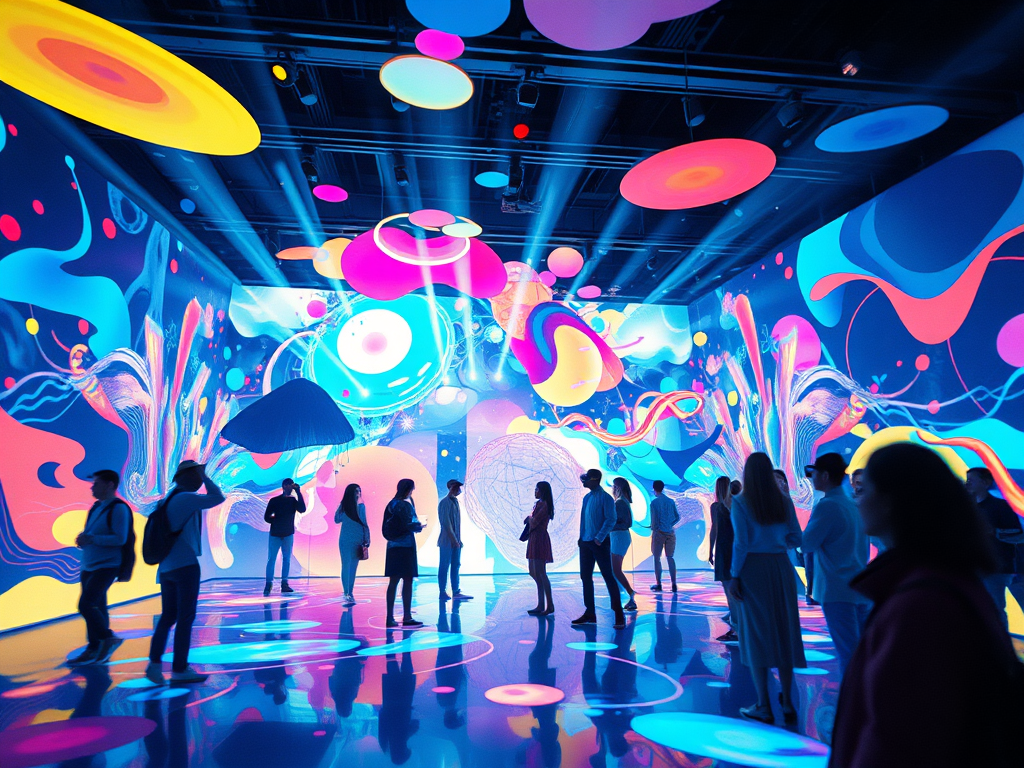
Imagine walking through an art gallery where every painting moves, evolves, and interacts with you. Picture sitting in a classroom where historical events unfold right in front of your eyes, transporting you to ancient civilizations or future worlds. Now, imagine attending a concert where the performer is a hologram, surrounded by fantastical visuals that change in real-time with the music. Welcome to the intersection of culture and technology, a space where virtual reality (VR) and the metaverse are reshaping how we experience art, education, and entertainment.
This isn’t just futuristic speculation. The blending of these worlds is happening right now. But how deep can we go? What happens when the boundaries between reality and the virtual world blur so much that the two become indistinguishable? Let’s take a closer look at the possibilities that emerge when virtual reality collides with our most cherished cultural traditions.
Art in the Metaverse: A New Canvas
Art has always been about pushing boundaries, challenging perceptions, and transforming how we see the world. In the metaverse, artists are no longer limited by physical constraints. They can create multi-dimensional spaces where colors shift, shapes morph, and textures respond to your presence.
For instance, imagine an artist designing an immersive experience where you don’t just look at a painting—you step inside it. Walk through abstract landscapes, interact with the elements, and see the art evolve in response to your actions. VR galleries could allow art lovers from all over the world to explore entire collections without ever leaving their homes. Forget standing behind a velvet rope—you can be part of the artwork.
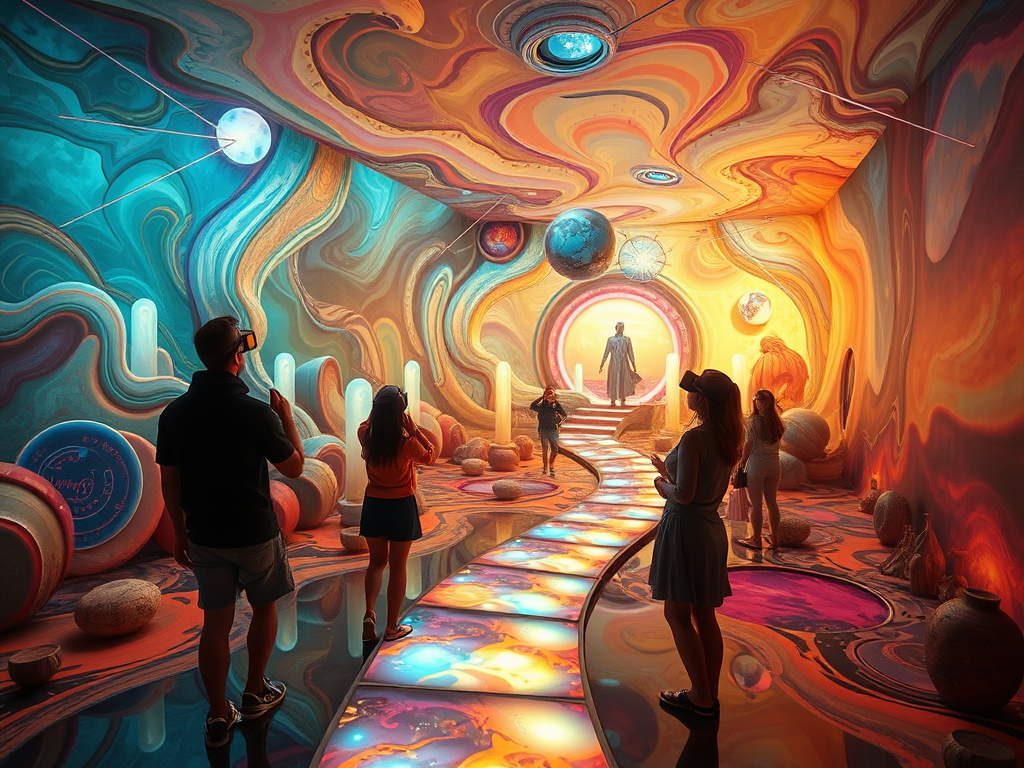
But that’s not all. The metaverse allows for collaboration on a global scale. Artists from different parts of the world can come together to co-create in real time, building entirely new forms of expression that couldn’t exist in the physical realm. The possibilities are endless, and the lines between artist and viewer, creator and experiencer, become beautifully blurred.
Virtual Performances: Redefining Entertainment
Now let’s move to the world of live performances—concerts, theater, dance. Traditionally, you’d need to be at a specific venue, at a specific time, to catch a live performance. But with the rise of the metaverse, what if that performance could happen anywhere, anytime, and in any form?
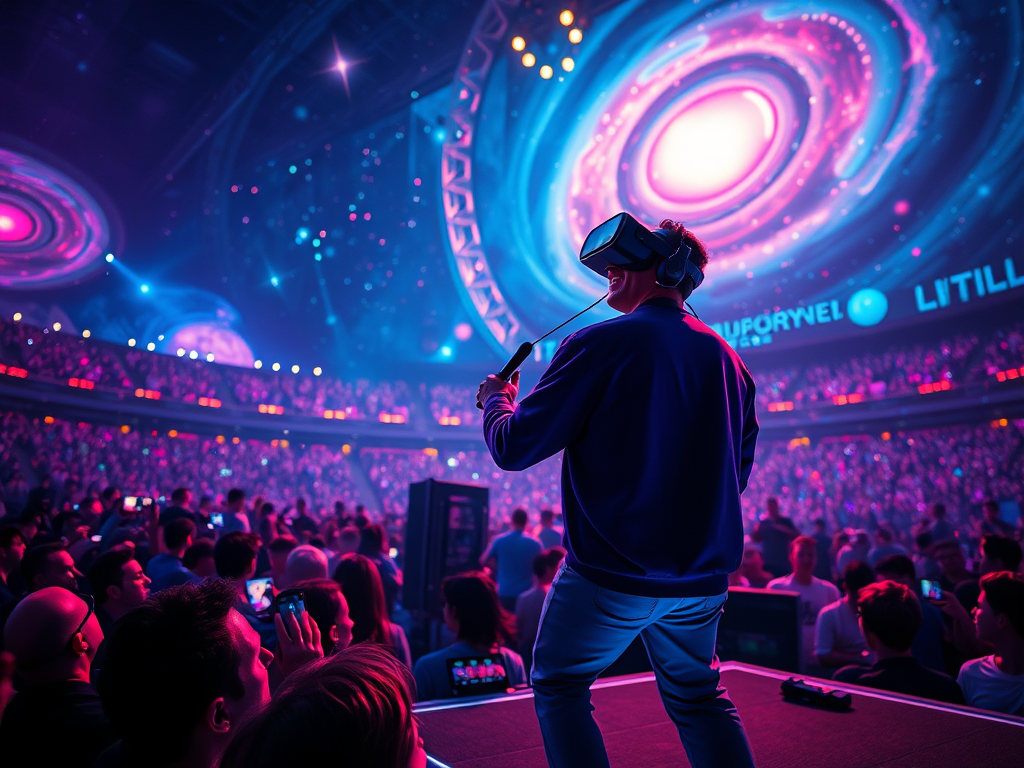
In a VR concert, the limitations of a physical stage disappear. Musicians could perform in floating arenas, surrounded by galaxies or underwater kingdoms. Audiences could interact with the environment, change the scenery, or even influence the performance itself. The artist could perform in multiple venues simultaneously across the globe, or better yet, anyone could join the band in a fully immersive, participatory experience.
Take theater, for example. With virtual reality, stage sets become dynamic environments where the audience can explore the world alongside the characters. Imagine watching Hamlet, but instead of being a passive viewer, you’re walking through Elsinore Castle, feeling the tension, hearing whispers in dark hallways, and witnessing key events up close. It’s an entirely new way to experience narrative and performance.
Education and Virtual Reality: Learning Without Limits
One of the most exciting aspects of VR is its potential to transform education. Think back to your school days—memorizing facts from textbooks or watching documentaries that tried to illustrate historical events. Now imagine stepping into a virtual world where you don’t just read about history, you live it.
What if students could attend a lesson on ancient Egypt and, through VR, actually walk through the streets of Thebes? They could interact with the architecture, observe rituals, and speak to digital recreations of historical figures. The classroom becomes a time machine, making learning immersive, interactive, and unforgettable.
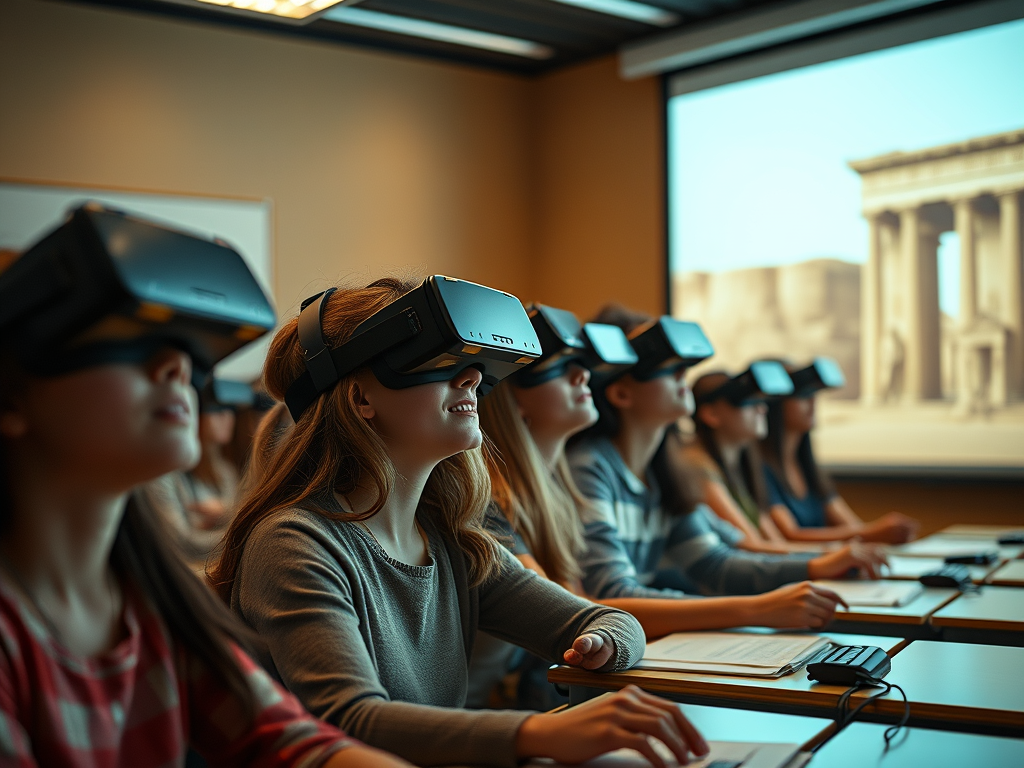
The metaverse also offers unprecedented opportunities for distance learning. Instructors could lead virtual field trips across the globe, allowing students from different countries to collaborate in real time, exploring everything from biology labs to art history exhibits. The possibilities are vast, and they break down geographic and financial barriers that limit access to top-tier education.
The New Frontier of Cultural Expression
As the metaverse evolves, it’s not just about entertainment and education. It’s about the cultural impact. Every society has its rituals, traditions, and art forms that define its identity. But what happens when these are translated into the virtual space?
The metaverse opens up entirely new ways for cultural preservation and expression. Indigenous communities could create virtual spaces that reflect their landscapes, languages, and stories. Traditional festivals and rituals could be digitally recreated, allowing future generations to experience them firsthand, even if the physical context has changed.
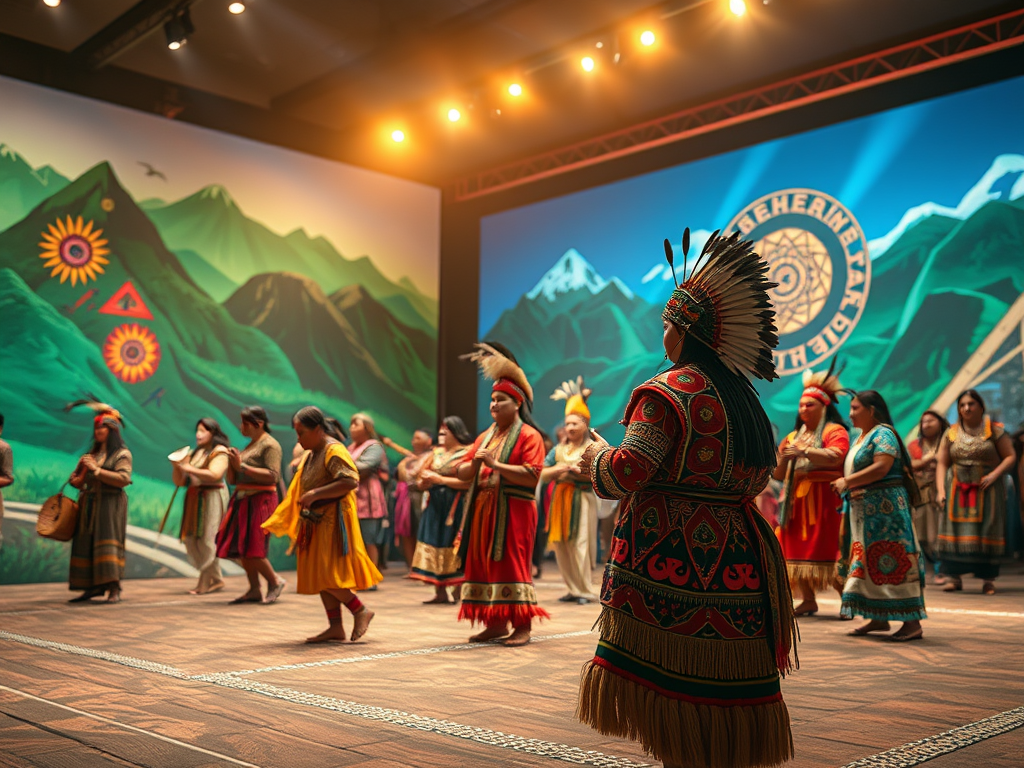
This also introduces questions of authenticity and ownership. Who controls these digital spaces? How do we maintain cultural integrity in a space where anyone can edit, modify, or remix? These are questions we’ll need to answer as we venture further into this new frontier.
Challenges Ahead: Ethics, Access, and Authenticity
Of course, the rise of virtual reality and the metaverse isn’t without challenges. While the potential is vast, we must also think about the ethical implications. Who has access to these new cultural experiences? Will the metaverse become another space dominated by tech giants, accessible only to those with the latest equipment?
There’s also the question of authenticity. When cultural experiences are digitized, are they losing something in the process? Can a digital version of a festival or artwork truly capture its essence, or is something inevitably lost in translation? How do we ensure that cultural expressions in the metaverse remain true to their origins and aren’t co-opted or distorted?
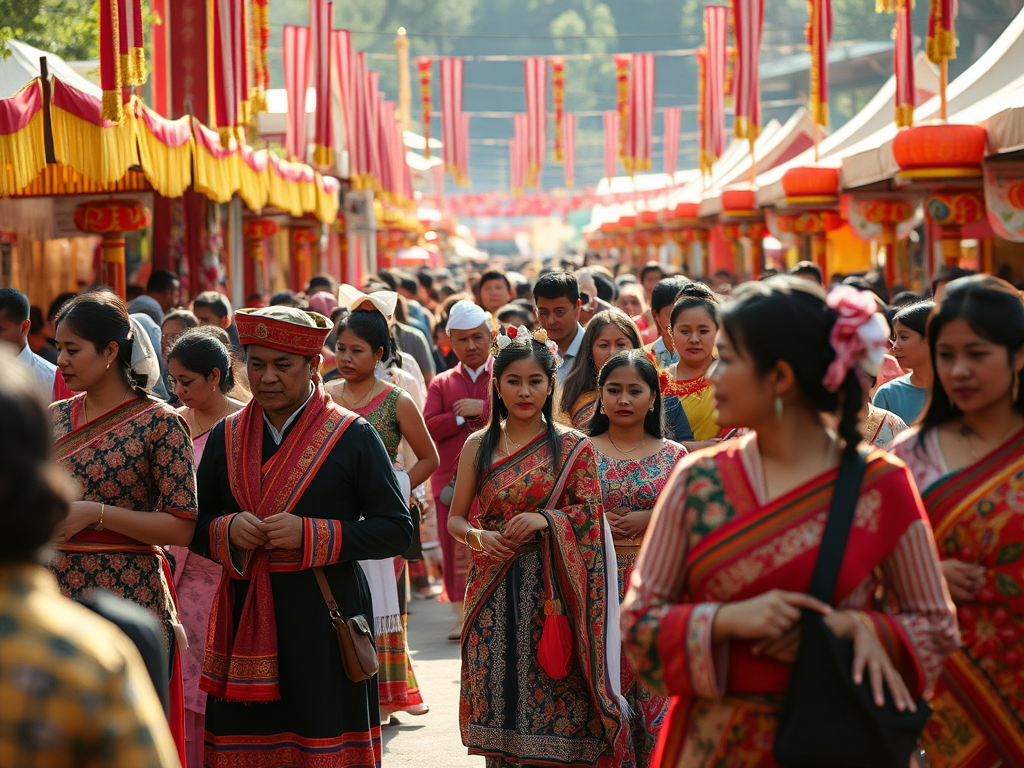
These are critical issues to consider as we push forward into this brave new world of virtual experiences.
*** Blurring the Lines Between the Real and the Virtual
The meeting point of culture and technology through virtual reality and the metaverse is an exciting new frontier. As we move deeper into this world, the way we engage with art, performance, education, and cultural heritage will continue to evolve in ways we can’t yet fully predict. What’s clear is that the possibilities are endless, and the boundaries of what we consider “real” will continue to blur.
The metaverse isn’t just a virtual playground—it’s a new dimension for human experience. Whether through VR art galleries, immersive live performances, or transformative educational spaces, the future of culture and technology is as limitless as our imagination.
 Summit Select
Leave a comment